Vietnam's Secret Rice Terraces: Beyond Sapa's Tourist Trail
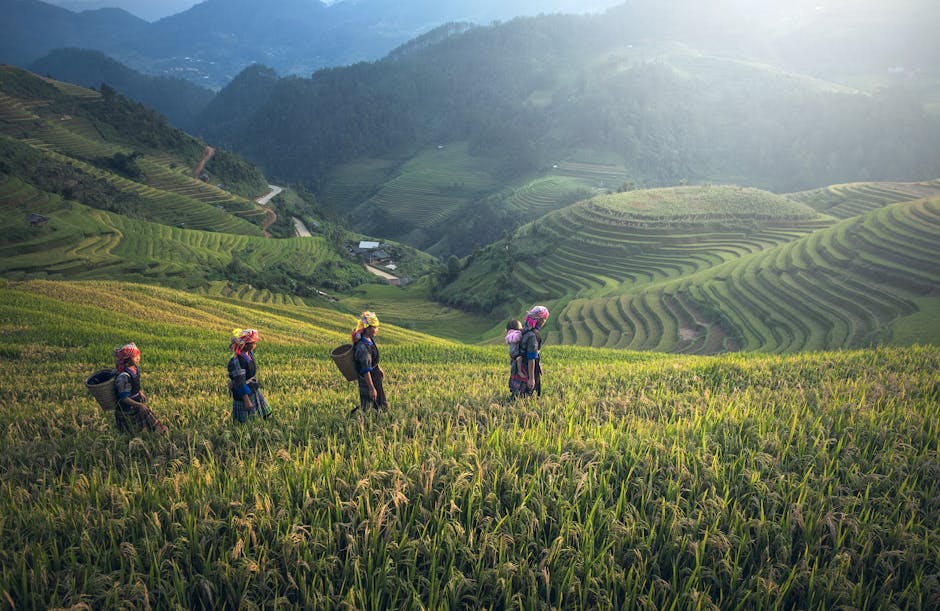
Vietnam's Secret Rice Terraces: Beyond Sapa's Tourist Trail
Okay, let's talk rice terraces. When you think of Vietnam and those breathtaking, emerald-green landscapes, Sapa probably jumps to mind. And rightly so – Sapa's terraces are stunning! But, like any popular tourist destination, it can get crowded. So, what if I told you there's a whole world of equally stunning (and often less-trodden) rice terraces just waiting to be discovered in Vietnam?
I've spent years exploring Vietnam, and let me tell you, stepping off the well-worn path and discovering these hidden gems has been some of the most rewarding travel I've ever done. These are the places where you truly connect with the local culture, where the landscapes feel unspoiled, and where your photographs will actually look different from everyone else's! So, pack your camera (and maybe your adventurous spirit!), and let's dive into Vietnam's most photogenic rice terraces – beyond Sapa.
Hoang Su Phi: A Photographer's Dream

Hoang Su Phi, located in Ha Giang province, is probably the most well-known alternative to Sapa, and for good reason. This region is a visual feast! The rice terraces here cascade down incredibly steep slopes, creating a dramatic and awe-inspiring effect. It's a bit of a trek to get there – think winding mountain roads – but trust me, the journey is part of the adventure.
Why Hoang Su Phi?
- Untouched Beauty: While Sapa is geared towards tourism, Hoang Su Phi still retains a strong sense of authenticity. You'll see locals working in the fields, children playing, and life unfolding much as it has for generations.
- Dramatic Landscapes: The steepness of the slopes makes for particularly striking photographs. The terraces seem to reach for the sky!
- Variety of Cultures: This area is home to several ethnic minority groups, including the Dao, Nung, and Tay. You'll have the opportunity to learn about their unique traditions and customs.
Best Time to Visit: September to October is the sweet spot. The rice is ripening, turning the hillsides a vibrant golden yellow. It's absolutely magical. If you prefer the lush green, try visiting in May or June.
My Personal Experience: I remember the first time I arrived in Hoang Su Phi. I was completely blown away. The sheer scale of the terraces was breathtaking. I spent days wandering through the valleys, talking to locals (with my rusty Vietnamese and a lot of gestures!), and taking hundreds of photos. One evening, I was invited to share a meal with a Dao family. We sat on the floor, ate delicious food, and laughed (mostly at my attempts to use chopsticks!). It was an experience I'll never forget.
Mu Cang Chai: Golden Waves of Rice

Further south in Yen Bai province, you'll find Mu Cang Chai. This area is famous for its perfectly sculpted rice terraces, particularly around the villages of La Pan Tan, Che Cu Nha, and De Xu Phinh. Mu Cang Chai is a bit more accessible than Hoang Su Phi, but it still feels relatively undiscovered compared to Sapa.
Why Mu Cang Chai?
- Picture-Perfect Terraces: The terraces in Mu Cang Chai are incredibly well-maintained and sculpted. They look like giant, undulating waves of green (or gold, depending on the season).
- Easier Access: While still requiring some driving, Mu Cang Chai is generally easier to reach than Hoang Su Phi, making it a good option if you're short on time or prefer a slightly less challenging journey.
- Paragliding Opportunities: For the adventurous, Mu Cang Chai offers paragliding over the rice terraces. Imagine seeing those landscapes from above!
Best Time to Visit: Again, September and October are prime time. The golden hues are simply stunning. Many travelers flock to Mu Cang Chai during this time specifically for the rice harvest views. May and June offer lush green landscapes if you prefer those colors.
My Personal Experience: I'll never forget waking up early one morning in Mu Cang Chai and hiking to a viewpoint overlooking the terraces. The sun was just beginning to rise, casting a golden glow over the landscape. It was incredibly peaceful and serene. I felt like I had the whole world to myself. I spent hours just sitting there, soaking it all in and taking photos.
Pu Luong Nature Reserve: Rice and Relaxation

If you're looking for a combination of stunning rice terraces and opportunities for relaxation, Pu Luong Nature Reserve in Thanh Hoa province is the place to be. Pu Luong is less about dramatic, steep slopes and more about gentle, rolling hills covered in rice paddies. It's a more laid-back and less touristy experience than either Sapa, Hoang Su Phi, or Mu Cang Chai.
Why Pu Luong?
- Relaxing Atmosphere: Pu Luong offers a much more relaxed and peaceful atmosphere. You can spend your days hiking, cycling, swimming in waterfalls, and simply enjoying the tranquility of nature.
- Beautiful Homestays: Pu Luong is home to some fantastic homestays, often built in traditional stilt houses. Staying in a homestay is a great way to experience the local culture and enjoy delicious home-cooked meals.
- Easy Hiking and Cycling: The terrain in Pu Luong is relatively gentle, making it ideal for hiking and cycling. You can easily explore the rice terraces and surrounding villages on your own.
Best Time to Visit: September to November and February to May are the best times to visit Pu Luong. You'll avoid the heavy rains of the monsoon season and enjoy pleasant temperatures.
My Personal Experience: My time in Pu Luong was all about unwinding. I stayed in a beautiful homestay overlooking the rice terraces, and I spent my days exploring the area on a bicycle. I swam in waterfalls, hiked through the jungle, and ate delicious food cooked by my homestay hosts. It was the perfect escape from the hustle and bustle of city life. I highly recommend it if you need a nature recharge.
Bac Son Valley: A Hidden Gem in Lang Son
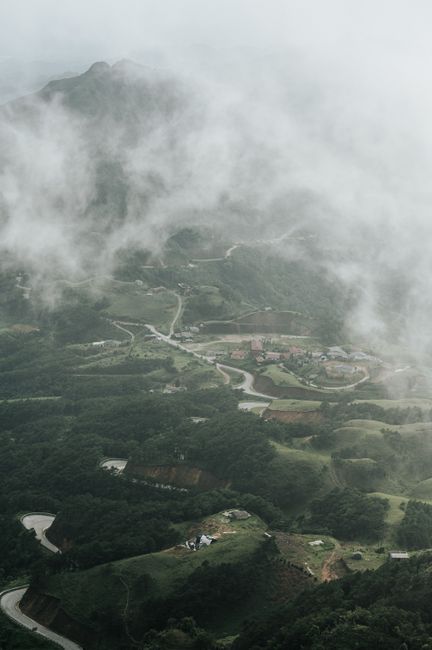
Bac Son Valley, nestled in Lang Son province near the Chinese border, is a true hidden gem. This valley is surrounded by limestone mountains, creating a stunning backdrop for the rice terraces. While the terraces here aren't as extensive as those in Sapa or Hoang Su Phi, they are incredibly beautiful and offer a unique perspective.
Why Bac Son?
- Unspoiled and Authentic: Bac Son is still largely untouched by tourism. You'll have the opportunity to experience the local culture and see life unfolding in a very authentic way.
- Stunning Scenery: The combination of rice terraces and limestone mountains is truly breathtaking. The valley is incredibly picturesque.
- Relatively Easy to Access: Bac Son is relatively easy to reach from Hanoi, making it a good option for a weekend trip.
Best Time to Visit: July and August, during the harvest season, are the best times to visit Bac Son. The valley turns a vibrant golden yellow, creating a stunning spectacle.
My Personal Experience: I remember arriving in Bac Son Valley and feeling like I had stepped back in time. The pace of life was slow and relaxed. The locals were incredibly friendly and welcoming. I spent my days hiking to viewpoints overlooking the valley, exploring the surrounding villages, and simply enjoying the peace and quiet. I was surprised to find such an untouched and beautiful place so close to Hanoi.
Practical Tips for Visiting Rice Terraces in Vietnam

Okay, so you're inspired to visit these amazing rice terraces. Here are some practical tips to make your trip as smooth and enjoyable as possible:
- Transportation: Getting to these remote areas can be challenging. Consider hiring a private car or joining a tour. Motorbike travel is also popular, but be prepared for winding mountain roads and potentially challenging conditions.
- Accommodation: Homestays are a great option for experiencing the local culture. However, be aware that amenities may be basic. Hotels are also available in some areas. Book in advance, especially during peak season.
- What to Pack: Comfortable walking shoes are essential. Bring insect repellent, sunscreen, and a hat. Pack layers of clothing, as the weather can change quickly in the mountains. A raincoat is also a good idea, especially during the rainy season.
- Respect the Local Culture: Remember that you are a guest in these communities. Dress respectfully, ask permission before taking photos, and be mindful of local customs.
- Learn Some Basic Vietnamese: Even a few basic phrases will go a long way in making your trip more enjoyable and showing respect to the local people. "Xin chào" (hello), "Cảm ơn" (thank you), and "Bao nhiêu tiền?" (how much?) are good starting points.
- Travel Insurance: Don't leave home without it! Make sure your policy covers medical expenses, evacuation, and loss of belongings.
Responsible Tourism: Leaving a Positive Impact

When traveling to these rural communities, it's important to be a responsible tourist and leave a positive impact. Here are a few things you can do:
- Support Local Businesses: Stay in locally-owned homestays, eat at local restaurants, and buy souvenirs from local artisans. This helps to support the local economy and ensures that tourism benefits the community.
- Minimize Your Environmental Impact: Avoid single-use plastics, pack out your trash, and be mindful of water usage.
- Respect Local Customs and Traditions: Dress respectfully, ask permission before taking photos, and be mindful of local customs.
- Learn About the Local Culture: Take the time to learn about the history, culture, and traditions of the communities you visit. This will help you to appreciate the local people and their way of life.
- Donate Responsibly: If you want to donate to a local charity or organization, do your research to ensure that your donation will be used effectively.
Final Thoughts: Go Beyond Sapa, Find Your Vietnam

So, there you have it – a glimpse into the stunning world of Vietnam's rice terraces beyond Sapa. While Sapa is undoubtedly beautiful, these lesser-known regions offer a more authentic and rewarding travel experience. They offer a chance to connect with nature, experience local culture, and capture some truly unforgettable photographs.
Don't be afraid to venture off the beaten path and explore these hidden gems. You might just discover your own little piece of paradise. Trust me, the adventure is worth it!
Now get out there and start planning your trip! And be sure to send me a postcard (or at least a photo!) from your rice terrace adventure. Happy travels!

Post a Comment for "Vietnam's Secret Rice Terraces: Beyond Sapa's Tourist Trail"
Post a Comment