Xin Chao: Unpacking the Heart and Soul Behind Vietnam's Simple Greeting

Xin Chao: Unpacking the Heart and Soul Behind Vietnam's Simple Greeting
Have you ever heard the phrase "Xin Chao"? It's the most common way to say "hello" in Vietnamese, and it's likely one of the first things you'll learn if you're planning a trip to Vietnam. But trust me, "Xin Chao" is so much more than just a simple greeting. It's a window into Vietnamese culture, a reflection of their values, and a key that can unlock deeper connections with the people you meet.
I remember my first trip to Vietnam. I was armed with a phrasebook, eager to immerse myself in the culture. I diligently practiced "Xin Chao," hoping to make a good impression. And it worked! The smiles and warm welcomes I received in return were incredibly encouraging. But as I spent more time there, I realized that "Xin Chao" wasn't just a word; it was a feeling, a gesture, a tiny bridge connecting me to a culture I was beginning to love.
So, let's dive into the rich layers of meaning woven into this seemingly simple phrase.
Breaking Down the Components: Understanding the Nuances

To truly appreciate "Xin Chao," it's helpful to understand its individual components:
- Xin: This word translates to "please" or "to request." It embodies politeness and respect, a fundamental aspect of Vietnamese culture.
- Chào: This is the actual greeting. It can be translated as "hello," "good day," or "good evening," depending on the time of day and context.
Put them together, and you have "Xin Chao," which literally means something akin to "Please greet." It's more polite and respectful than a simple "hello." It's like saying, "I respectfully greet you," which immediately sets a tone of courteousness and consideration.
Think of it this way: saying "Xin Chao" is like offering a small, respectful bow along with your greeting, even if you don't physically bow. It's an acknowledgment of the other person's presence and importance.
The Cultural Significance: Respect and Hierarchy
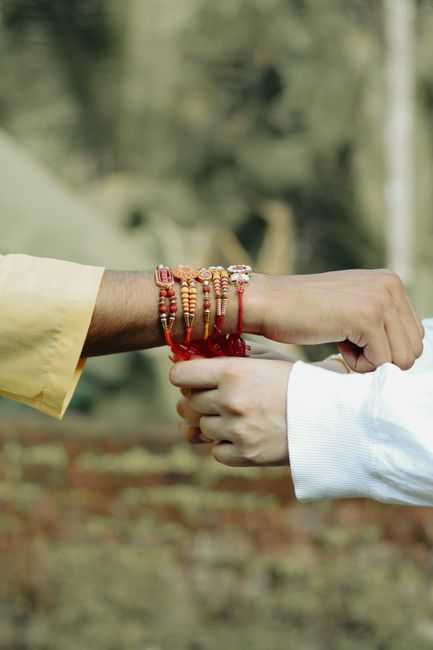
Vietnamese culture places a strong emphasis on respect, particularly for elders and those in positions of authority. This respect is deeply ingrained in their language and social interactions, and "Xin Chao" is a prime example of this.
The use of "Xin" demonstrates this respect. It's a subtle way of acknowledging the other person's seniority or status. While younger people might sometimes greet each other with a more casual "Chào" (without the "Xin"), it's always appropriate and appreciated to use "Xin Chao," especially when addressing someone older than you, someone you don't know well, or someone in a position of authority. It avoids any possibility of unintentional disrespect.
In Vietnamese society, age is highly valued. Showing respect to elders isn't just a polite gesture; it's a fundamental pillar of their culture. Using "Xin Chao" when greeting someone older is a way of honoring their wisdom and experience.
Also, even the way you say "Xin Chao" matters. A genuine smile and a slight nod of the head can further enhance the feeling of respect and warmth conveyed by the greeting.
Beyond Hello: Using "Xin Chao" in Different Contexts

While "Xin Chao" is primarily a greeting, its usage can be slightly nuanced depending on the situation.
- Formality: "Xin Chao" is generally appropriate in most situations, from greeting a shopkeeper to meeting someone for the first time. It's a safe and respectful way to start any interaction.
- Relationship: With close friends and family, a more informal "Chào" might be preferred. However, even with loved ones, using "Xin Chao" occasionally can still be a sign of affection and respect.
- Time of Day: While "Chào buổi sáng" (Good morning), "Chào buổi chiều" (Good afternoon), and "Chào buổi tối" (Good evening) exist, "Xin Chao" is perfectly acceptable at any time of day. It's a convenient and versatile greeting.
- Adding Titles: You can further personalize your greeting by adding a title before "Xin Chao." For example:
- "Xin Chao Ông" (Hello Sir) - Ông is used to address older men.
- "Xin Chao Bà" (Hello Madam) - Bà is used to address older women.
- "Xin Chao Cô" (Hello Miss) - Cô is used to address younger women.
- "Xin Chao Anh" (Hello Brother) - Anh is used to address older men.
- "Xin Chao Chị" (Hello Sister) - Chị is used to address older women.
Learning these titles can significantly enhance your interactions and demonstrate your respect for Vietnamese customs. However, don't worry too much about getting it perfectly right. A genuine attempt to use the correct title will usually be appreciated, even if you make a slight mistake.
Making Connections: Using "Xin Chao" to Break the Ice

In my experience, "Xin Chao" is an incredibly effective icebreaker. It shows that you've made an effort to learn a little bit about the local language and culture, which is always appreciated. It can open doors and create opportunities for meaningful conversations.
I remember being in a small village in the Mekong Delta. I greeted an elderly woman with "Xin Chao Bà." Her face lit up, and she invited me to sit with her and share some tea. We spent the next hour chatting (with a lot of gestures and broken Vietnamese on my part!), and I learned so much about her life and the village's history. That simple "Xin Chao" opened the door to a truly unforgettable experience.
Don't underestimate the power of a sincere "Xin Chao." It can transform a transactional interaction into a personal connection.
Common Mistakes to Avoid: Showing Respect Through Language

While Vietnamese people are generally very forgiving of foreigners who are learning their language, there are a few common mistakes to avoid:
- Forgetting the "Xin": As mentioned earlier, omitting the "Xin" can be perceived as impolite, especially when addressing someone older or in a position of authority.
- Mispronunciation: While it's okay to have an accent, try to pronounce "Xin Chao" as accurately as possible. Listen to native speakers and practice. The correct pronunciation is key to being understood and showing respect for the language.
- Using Informal Greetings with Elders: Stick to "Xin Chao" when greeting older people or those you don't know well. Avoid using more casual greetings like "Chào bạn" (Hello friend) in formal situations.
Even if you make a mistake, don't worry too much! A sincere apology and a genuine effort to correct yourself will usually be met with understanding and forgiveness.
Beyond the Words: Non-Verbal Communication

Remember, communication is about more than just words. Non-verbal cues play a crucial role in how your message is received.
When you say "Xin Chao," be sure to:
- Smile: A genuine smile can go a long way in conveying warmth and friendliness.
- Make Eye Contact: Maintain eye contact to show that you're engaged and interested in the other person.
- Nod Your Head: A slight nod of the head can add an extra touch of respect and politeness.
- Maintain Appropriate Posture: Stand or sit upright to show respect and attentiveness.
These non-verbal cues can amplify the positive impact of your greeting and help you build stronger connections with the people you meet.
Learning More Vietnamese: Expanding Your Linguistic Horizons

While "Xin Chao" is a great starting point, learning a few more basic Vietnamese phrases can significantly enhance your experience in Vietnam. Here are a few suggestions:
- Cảm ơn (Thank you): A simple but essential phrase to show your appreciation.
- Không có gì (You're welcome): The standard response to "Cảm ơn."
- Xin lỗi (Excuse me/Sorry): Useful for getting someone's attention or apologizing for a mistake.
- Bao nhiêu (How much?): Essential for bargaining at markets and shops.
- Tôi không hiểu (I don't understand): Helpful when you're struggling to communicate.
Even a small vocabulary can make a big difference in your interactions and show that you're genuinely interested in the local culture.
"Xin Chao" as an Invitation: Embracing Vietnamese Hospitality
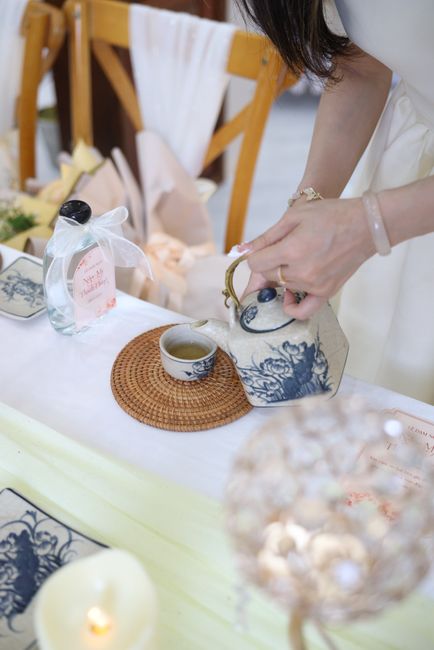
"Xin Chao" isn't just a greeting; it's an invitation to connect, to learn, and to experience the warmth and hospitality of the Vietnamese people. By using this simple phrase with sincerity and respect, you can open doors to incredible experiences and create lasting memories.
So, the next time you're in Vietnam, don't just say "hello." Say "Xin Chao," and feel the power of this simple phrase to bridge cultures and build connections. You might be surprised at the warm welcome you receive in return. I know I was! And that's why "Xin Chao" will always hold a special place in my heart – it's more than just a greeting; it's a symbol of the beauty and generosity of the Vietnamese spirit.
From my own experiences, the most important thing is the intention behind the words. A genuine "Xin Chao" said with a smile will always be appreciated and pave the way for wonderful interactions.

Post a Comment for "Xin Chao: Unpacking the Heart and Soul Behind Vietnam's Simple Greeting"
Post a Comment