Vietnamese Handicrafts: A Journey Through Lacquerware, Pottery, and Cultural Treasures

Vietnamese Handicrafts: A Journey Through Lacquerware, Pottery, and Cultural Treasures
Hey there! Ever stumbled upon something so beautiful, so intricately crafted, that it just completely takes your breath away? That's exactly how I felt when I first discovered Vietnamese handicrafts. I'm talking about stunning lacquerware shimmering with hidden depths, earthy pottery whispering stories of ancient traditions, and so much more! Let me take you on a journey into this amazing world. It's not just about buying souvenirs; it's about connecting with a culture, appreciating artistry, and bringing a piece of Vietnam home with you.
The Allure of Vietnamese Lacquerware: A Timeless Art
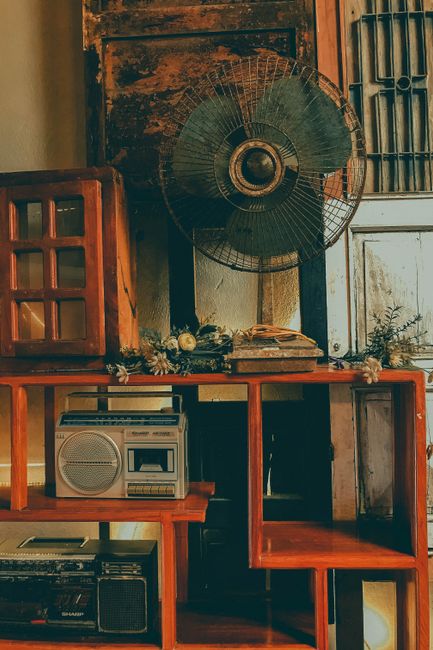
Okay, let's start with lacquerware. Seriously, I'm obsessed. Imagine this: you're walking through a bustling market in Hanoi, the air filled with the sounds of vendors and the scent of street food, and then you see it – a vase, a box, a painting, all gleaming with a rich, almost otherworldly shine. That's lacquerware for you! It's so much more than just pretty decorations; it's a testament to centuries of skill and patience.
What is Lacquerware Anyway?
Basically, lacquerware is a technique where artisans apply multiple layers of resin (sap from the lacquer tree) to a base material, often wood or bamboo. Each layer is incredibly thin and needs to dry completely before the next one is applied. We're talking about a process that can take weeks, even months! After the layers are built up, the artisan then carves, polishes, and decorates the surface. Imagine the dedication!
The Magic Behind the Shine: The Lacquering Process
The process is fascinating. It all starts with the raw lacquer, which is a natural resin extracted from the lacquer tree. This resin is then filtered and treated to become a durable and waterproof coating. The base material, usually wood, is carefully prepared, smoothed, and primed.
Then comes the real magic: the application of layer upon layer of lacquer. This is where the artisan's skill truly shines. Each layer must be applied evenly and meticulously to ensure a flawless finish. Once the layers are built up, the piece is carefully sanded and polished to create that characteristic glossy sheen.
Decoration and Design: Storytelling Through Art
The decoration is where the artist can really let their creativity flow. Common motifs include:
- Landscapes: Think serene rice paddies, majestic mountains, and bustling cityscapes.
- Flowers and Plants: Lotus flowers (a symbol of purity and enlightenment), bamboo (representing resilience), and other vibrant blooms are popular choices.
- Animals: Dragons, phoenixes, and other mythical creatures are often depicted, along with everyday animals like birds and fish.
- Calligraphy: Elegant brushstrokes of Vietnamese script add a touch of sophistication and often convey well-wishes or philosophical messages.
These designs are often created using techniques like:
- Eggshell Inlay: Tiny pieces of crushed eggshell are painstakingly arranged to create intricate patterns and textures.
- Mother-of-Pearl Inlay: Iridescent pieces of mother-of-pearl are embedded into the lacquer, adding a luminous quality to the design.
- Gold Leaf: Thin sheets of gold leaf are applied to highlight certain areas of the design, creating a luxurious and eye-catching effect.
My Lacquerware Story:
My first lacquerware purchase was a small jewelry box. It featured a delicate scene of a Vietnamese village by a river, complete with tiny boats and willow trees. The detail was incredible, and the shine was just mesmerizing. Every time I look at it, I'm transported back to that bustling market in Hanoi. I felt like I was bringing a piece of the country home with me. It's one of my most treasured possessions.
Unearthing the Beauty of Vietnamese Pottery: Ancient Traditions

Now, let's dive into the world of Vietnamese pottery! Forget mass-produced ceramics; we're talking about handcrafted masterpieces that have been passed down through generations. From simple, rustic bowls to elaborate decorative pieces, Vietnamese pottery is a window into the country's rich cultural heritage.
Bat Trang Pottery Village: A Living Legacy
When you think of Vietnamese pottery, you have to think of Bat Trang. This village, located just outside of Hanoi, has been producing pottery for over 700 years! Walking through Bat Trang is like stepping back in time. You can see artisans working at their wheels, shaping clay with their bare hands, and decorating pieces with traditional techniques. The air is thick with the smell of clay and the sounds of the potter's wheel – it's a truly sensory experience.
The Art of the Potter: From Clay to Creation
The process of creating Vietnamese pottery is fascinating. It all starts with selecting the right clay, which is carefully sourced and prepared. The clay is then shaped on a potter's wheel or by hand, depending on the desired form. Once the piece is shaped, it's left to dry before being fired in a kiln. The firing process is crucial, as it determines the durability and finish of the pottery.
Glazes and Decorations: Adding Color and Character
After the first firing, the pottery is often glazed to add color and shine. Vietnamese potters use a variety of glazes, including:
- Celadon: A pale green glaze that is highly prized for its subtle beauty and smooth texture.
- Crackle Glaze: A glaze that is intentionally cracked during the firing process, creating a unique and decorative effect.
- Brown and Black Glazes: Rich, earthy glazes that are often used for traditional pottery styles.
The pottery is often decorated with intricate designs, using techniques such as:
- Hand-Painting: Artisans use delicate brushes to paint intricate scenes and patterns onto the pottery.
- Relief Carving: Designs are carved into the clay surface, creating a three-dimensional effect.
- Applying Clay Slips: Different colored clays are applied to the surface to create contrasting patterns and textures.
Beyond Bat Trang: Exploring Regional Pottery Styles
While Bat Trang is the most famous pottery village in Vietnam, there are other regions that also produce unique and distinctive pottery styles. For example:
Phu Lang Pottery: Known for its rustic, earth-toned pottery, often decorated with simple geometric patterns.
Binh Duong Pottery: Located in the south of Vietnam, this region is known for its glazed stoneware, often used for garden pots and decorative items.
My Pottery Story:
I visited Bat Trang a few years ago and was completely mesmerized. I spent hours watching the artisans at work, learning about the different techniques, and trying my hand at the potter's wheel (let's just say I'm not a natural!). I ended up buying a beautiful celadon tea set, which I use every day. It's a reminder of my time in Bat Trang and a connection to the centuries of tradition that go into making each piece.
Beyond Lacquerware and Pottery: Other Vietnamese Handicraft Treasures
Okay, so we've covered lacquerware and pottery, but the world of Vietnamese handicrafts is so much bigger than that! Let's explore some other amazing crafts that you can find throughout the country.
Silk Embroidery: The Art of Thread Painting
Vietnamese silk embroidery is truly breathtaking. Artisans use delicate silk threads to create incredibly detailed and lifelike images on silk fabric. The level of skill and artistry is astounding. You can find silk embroidery in everything from wall hangings and clothing to pillowcases and bags.
Bamboo and Rattan Weaving: From Functional to Fabulous
Bamboo and rattan are abundant in Vietnam, and artisans have been using these materials for centuries to create a wide range of products. From baskets and furniture to lampshades and decorative items, the possibilities are endless. The intricate weaving patterns and natural beauty of these materials make them a perfect addition to any home.
Wood Carving: Sculpting Stories in Wood
Vietnamese wood carving is another art form that is deeply rooted in the country's culture. Artisans use traditional tools and techniques to carve intricate designs into wood, creating everything from statues and furniture to decorative panels and religious artifacts.
Conical Hats (Non La): More Than Just a Hat
The conical hat, or Non La, is an iconic symbol of Vietnam. These hats are traditionally made from palm leaves and bamboo and are worn by farmers and others to protect themselves from the sun and rain. But the Non La is more than just a hat; it's a symbol of Vietnamese identity and culture. You can even find Non La that are painted with beautiful scenes and designs, making them a unique souvenir.
Bringing a Piece of Vietnam Home: Tips for Buying Handicrafts

So, you're ready to dive in and buy some Vietnamese handicrafts? Awesome! Here are a few tips to help you make the most of your shopping experience:
- Do your research: Learn about the different types of handicrafts and the regions where they are produced. This will help you appreciate the craftsmanship and make informed decisions.
- Visit local markets and workshops: This is the best way to find authentic handicrafts and support local artisans.
- Bargain respectfully: It's common to bargain in Vietnamese markets, but be respectful and fair.
- Look for quality: Examine the piece carefully for any flaws or imperfections.
- Ask questions: Don't be afraid to ask the artisan about the materials used, the techniques employed, and the story behind the piece.
- Be prepared to pay a fair price: Remember that handcrafted items take time and skill to create, so be prepared to pay a fair price for quality craftsmanship.
Supporting Local Artisans: Ethical Considerations
When buying Vietnamese handicrafts, it's important to consider the ethical implications of your purchase. By supporting local artisans, you're helping to preserve traditional skills and provide economic opportunities for communities. Look for fair trade organizations and businesses that prioritize ethical sourcing and production practices.
More than Souvenirs: Connecting with Vietnamese Culture

Ultimately, buying Vietnamese handicrafts is about more than just acquiring souvenirs. It's about connecting with the country's rich culture, appreciating the artistry of skilled craftspeople, and bringing a piece of Vietnam home with you. Each piece tells a story, a story of tradition, skill, and the enduring beauty of Vietnamese culture.
So, next time you're looking for something special, something unique, something that truly reflects the heart and soul of a place, consider Vietnamese handicrafts. You might just find a treasure that will last a lifetime. Happy travels, and happy shopping!

Post a Comment for "Vietnamese Handicrafts: A Journey Through Lacquerware, Pottery, and Cultural Treasures"
Post a Comment