Vietnamese Herbs: A Flavorful Journey Through Southeast Asia's Culinary Gem

Vietnamese Herbs: A Flavorful Journey Through Southeast Asia's Culinary Gem
Hey there, fellow food lover! Ever found yourself utterly captivated by a bowl of fragrant pho, or completely addicted to the vibrant flavors dancing in a fresh summer roll? Chances are, the secret ingredient wasn't just skill in the kitchen, but a generous handful of fresh, aromatic Vietnamese herbs. Seriously, these little green powerhouses are the unsung heroes of Vietnamese cuisine, and I'm absolutely buzzing to share everything I've learned about them with you.
For years, I'd just blindly accepted the plate of greenery that came with my Vietnamese orders, vaguely aware that some of it tasted good. But then, I took a cooking class and everything changed! The instructor explained not only which herb went with what, but why. It was like unlocking a secret culinary language. Now, I can confidently select (and even grow!) my own herbs, and the difference it makes to my homemade dishes is incredible.
Understanding the Essence of Vietnamese Herbs

Vietnamese cuisine is all about balance – sweet, sour, salty, bitter, and umami all working together in perfect harmony. And the herbs? They're the conductors of this flavor orchestra. They aren't just garnishes; they are integral ingredients that elevate the entire dining experience. They add freshness, complexity, and depth, transforming even simple dishes into unforgettable feasts.
Imagine a steaming bowl of bun cha (grilled pork with vermicelli noodles). Without the herbs, it's just grilled pork and noodles in a dipping sauce. But add a medley of mint, cilantro, perilla, and fish mint, and suddenly, you've got a symphony of flavors that awakens your senses. The coolness of the mint balances the richness of the pork, the cilantro adds a bright citrusy note, the perilla lends a slightly peppery kick, and the fish mint… well, that's a love-it-or-hate-it herb, but it brings a unique earthy dimension that's undeniably Vietnamese.
The Magnificent Seven (and More!): A Guide to Common Vietnamese Herbs
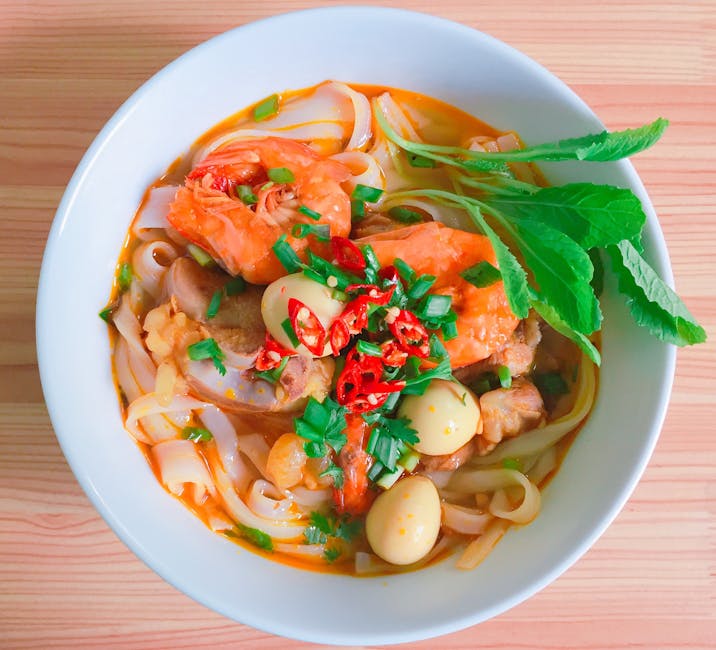
Okay, let's dive into the most commonly used herbs. This isn't an exhaustive list, but it'll give you a solid foundation to start with. Think of this as your Vietnamese herb cheat sheet!
- Mint (Húng Lủi): This is probably the most recognizable and widely used Vietnamese herb. It's fresh, cooling, and slightly sweet, and it pairs well with just about everything, from salads and spring rolls to pho and noodle dishes. I always have a pot of mint growing on my windowsill. It's super easy to care for, and it fills my kitchen with a wonderful aroma.
- Cilantro (Ngò Rí): Love it or hate it, cilantro is a staple in Vietnamese cooking. Its bright, citrusy flavor adds a refreshing touch to dishes like pho, banh mi, and summer rolls. Personally, I'm a huge fan, but I know it's not for everyone. If you're one of those who detect a soapy taste, don't worry, there are plenty of other herbs to choose from!
- Thai Basil (Húng Quế): With its slightly anise-like flavor, Thai basil is a fragrant addition to many Vietnamese dishes, especially pho. It has a stronger, more pungent aroma than regular basil, and its leaves are often a bit more robust. I love adding it to my stir-fries for an extra layer of flavor.
- Perilla (Tía Tô): Perilla, with its distinctive reddish-purple leaves, has a unique flavor that's often described as a combination of mint, basil, and citrus with a hint of anise. It's a bit more assertive than some other herbs, so it's best used sparingly. It's a fantastic addition to grilled meats and wraps.
- Fish Mint (Diếp Cá): This one is definitely an acquired taste! Fish mint has a very distinct, earthy, and slightly fishy aroma. Some people find it incredibly refreshing, while others find it completely off-putting. It's often served with grilled meats, spring rolls, and salads. I have to admit, it took me a while to appreciate it, but now I find it adds a unique complexity to certain dishes.
- Rice Paddy Herb (Ngò Ôm or Om): This herb has a slightly citrusy, cumin-like flavor that's often used in soups and stews, particularly canh chua (sour soup). It's a bit more subtle than some of the other herbs, but it adds a lovely depth of flavor. It's not always easy to find, but it's worth seeking out if you're making authentic Vietnamese soups.
- Sawtooth Herb (Ngò Gai): Also known as culantro (not to be confused with cilantro!), sawtooth herb has a more intense, pungent flavor than cilantro. It's often used in pho and other soups to add a strong, herbaceous note. Just a little goes a long way!
Beyond these, you might also encounter:
- Garlic Chives (Hẹ): Used in stir-fries and soups for a mild garlic flavor.
- Lemon Balm (Tần Chanh): Adds a light, citrusy aroma to salads and drinks.
- Vietnamese Balm (Kinh Giới): Similar to mint but with a more lemony and slightly spicy flavor.
Pairing Herbs with Vietnamese Dishes: A Flavor Matchmaker

Now that you know some of the key players, let's talk about how to pair them with specific dishes. This is where the magic really happens!
- Pho (Beef Noodle Soup): The classic pho herb plate typically includes Thai basil, cilantro, bean sprouts, lime wedges, and chili peppers. The Thai basil adds a slightly anise-like sweetness, the cilantro provides a bright citrusy note, and the bean sprouts add a refreshing crunch.
- Summer Rolls (Gỏi Cuốn): These fresh and vibrant rolls are usually served with mint, cilantro, and lettuce. Sometimes, they might also include perilla or Thai basil. The herbs add a refreshing counterpoint to the savory fillings.
- Banh Mi (Vietnamese Sandwich): The iconic banh mi typically includes cilantro, pickled carrots and daikon, and sometimes jalapeños. The cilantro adds a bright, fresh element that cuts through the richness of the pate and mayonnaise.
- Bun Cha (Grilled Pork with Vermicelli Noodles): This dish is a celebration of herbs! A generous platter of mint, cilantro, perilla, and fish mint is essential for balancing the flavors of the grilled pork and the sweet-and-sour dipping sauce.
- Goi (Salads): Vietnamese salads often feature a mix of herbs, including mint, cilantro, perilla, and Vietnamese balm. The herbs add a layer of complexity and freshness that elevates the salad to a whole new level.
Growing Your Own Vietnamese Herb Garden

Seriously, one of the best things I ever did was start growing my own Vietnamese herbs. Not only is it incredibly rewarding to harvest fresh herbs straight from my garden, but it also saves me a ton of money at the grocery store. Plus, the aroma of the herbs fills my garden with a delightful fragrance. Don't have much space? No problem! Most of these herbs thrive in pots on a sunny balcony or windowsill.
Here are a few tips for growing your own Vietnamese herbs:
- Choose the right location: Most Vietnamese herbs prefer full sun to partial shade.
- Use well-draining soil: Herbs don't like to sit in soggy soil.
- Water regularly: Keep the soil moist, but not waterlogged.
- Pinch off flowers: Pinching off the flowers will encourage the plant to produce more leaves.
- Harvest regularly: Regular harvesting will also encourage the plant to grow bushier.
You can propagate many of these herbs from cuttings. Simply snip off a stem, remove the lower leaves, and place it in a glass of water. Once roots develop, you can transplant it to a pot or your garden.
Where to Find Vietnamese Herbs
If you don't have a green thumb, don't worry! You can usually find Vietnamese herbs at Asian supermarkets. Look for them in the produce section, often near the other Asian vegetables. If you're lucky enough to live near a Vietnamese community, you might even find them at local farmers' markets. If all else fails, you can often find them online.
When buying herbs, look for fresh, vibrant green leaves. Avoid herbs that are wilted, yellowed, or have brown spots. Give them a sniff – they should have a strong, characteristic aroma. Also, don't be afraid to ask the vendor for advice on how to use them! They're usually happy to share their knowledge.
Storing Vietnamese Herbs for Maximum Freshness
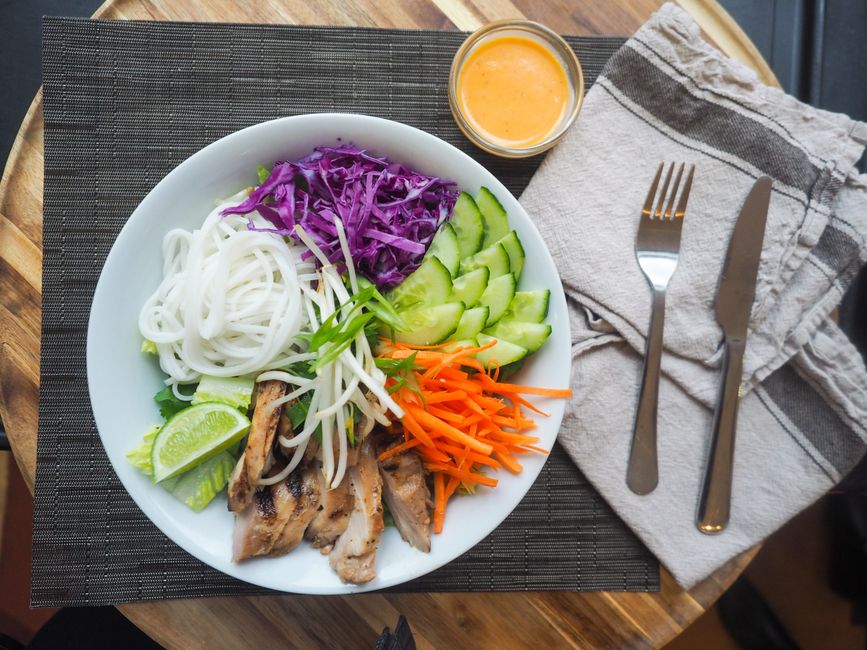
So, you've got your beautiful bunch of Vietnamese herbs. Now, how do you keep them fresh? Here are a few tricks I've learned over the years:
- The Herb Bouquet Method: Trim the ends of the stems and place the herbs in a glass of water, just like you would with flowers. Cover the herbs loosely with a plastic bag and store them in the refrigerator. This method works well for mint, cilantro, and Thai basil.
- The Damp Paper Towel Method: Wrap the herbs in a damp paper towel and store them in a plastic bag in the refrigerator. This method works well for more delicate herbs like perilla and fish mint.
- The Blanched and Frozen Method: For long-term storage, you can blanch the herbs briefly in boiling water, then plunge them into ice water. Drain them well, chop them, and freeze them in ice cube trays or freezer bags. This method works best for herbs that you plan to use in cooked dishes.
Experimenting with Vietnamese Herbs: Unleash Your Inner Chef

The most important thing is to experiment and have fun! Don't be afraid to try new combinations of herbs and dishes. Let your taste buds be your guide. Once you understand the basic flavor profiles of the different herbs, you can start to create your own unique Vietnamese dishes.
Try adding a sprig of mint to your iced tea for a refreshing twist. Or, sprinkle some cilantro on your tacos for a burst of flavor. The possibilities are endless! And remember, there are no hard and fast rules when it comes to cooking. So, go ahead, get creative, and have fun exploring the wonderful world of Vietnamese herbs!
I truly hope this guide has inspired you to delve deeper into the incredible world of Vietnamese cuisine. Those little green leaves pack a punch and truly elevate every dish. Happy cooking!

Post a Comment for "Vietnamese Herbs: A Flavorful Journey Through Southeast Asia's Culinary Gem"
Post a Comment