Vietnamese Fashion: A Journey Through Time, Tradition, and Transformation
Vietnamese Fashion: A Journey Through Time, Tradition, and Transformation
Hey there! Ever wondered about the fascinating story woven into the clothes people wear? I have, especially when it comes to Vietnamese fashion. It's so much more than just fabric and thread; it's a vibrant tapestry of history, culture, and identity. So, grab a cup of tea (or cà phê sữa đá!) and let's take a stroll through the ages, exploring the evolution of Vietnamese fashion from ancient roots to the modern styles we see today. It's a journey filled with beautiful silks, intriguing influences, and the enduring spirit of the Vietnamese people.
The Ancient Foundations: Simple Elegance and Practicality

Our journey begins way back in the mists of time, with the earliest Vietnamese civilizations. Remember, we're talking about a land deeply connected to agriculture and the natural world. Fashion back then was, understandably, very practical. Think about it: You needed clothes that would allow you to work in the rice paddies, withstand the tropical heat, and generally be comfortable for everyday life. Forget elaborate runway shows; this was all about functionality!
What did they actually wear? Well, historical records and archaeological finds give us some clues. Simple tunics and loincloths were common, often made from natural fibers like hemp and cotton. Dyeing techniques were rudimentary, so you'd see a lot of earthy tones and natural colors. But even in these early days, there were hints of the artistry to come. Simple embroidery and woven patterns started to appear, adding a touch of personal flair to these basic garments.
Of course, social status played a role too. While the common folk wore simple attire, members of the elite classes would have access to finer fabrics and more elaborate decorations. Think of the early royal courts, with their own distinct styles and symbols of power. This differentiation based on social standing is a thread that continues throughout Vietnamese fashion history.
The Chinese Influence: Dynasties and Cultural Exchange
Fast forward a few centuries, and we arrive at a period of significant Chinese influence. For over a thousand years, Vietnam was under Chinese rule, and this had a profound impact on all aspects of Vietnamese culture, including fashion. Don't think of it as a simple takeover; it was a complex exchange, with both cultures influencing each other.
So, what changed? Well, you started seeing elements of Chinese clothing styles being adopted by the Vietnamese elite. The áo giao lĩnh, a four-paneled robe that resembles the Chinese Hanfu, became a prominent garment, particularly for court officials and the wealthy. Colors and fabrics became more diverse, with silk gaining popularity and more vibrant dyes being introduced. Elaborate embroidery became even more common, often featuring dragons, phoenixes, and other auspicious symbols.
It's important to remember that this Chinese influence wasn't uniformly embraced by all Vietnamese people. While the elite adopted many aspects of Chinese fashion, the common folk largely retained their traditional styles. This created a sort of fashion duality, with distinct styles existing side-by-side.
The Rise of the Áo Dài: A National Icon is Born
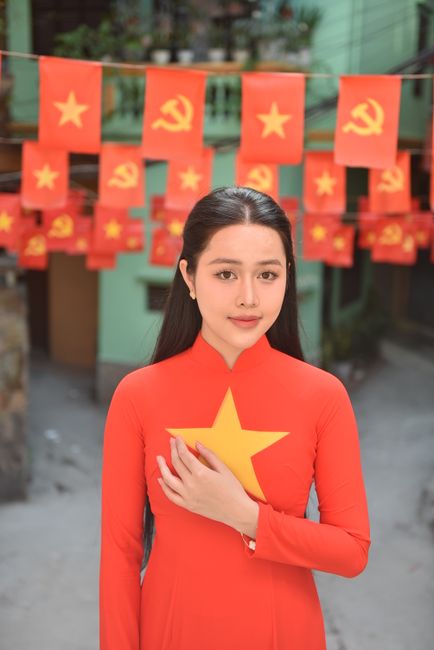
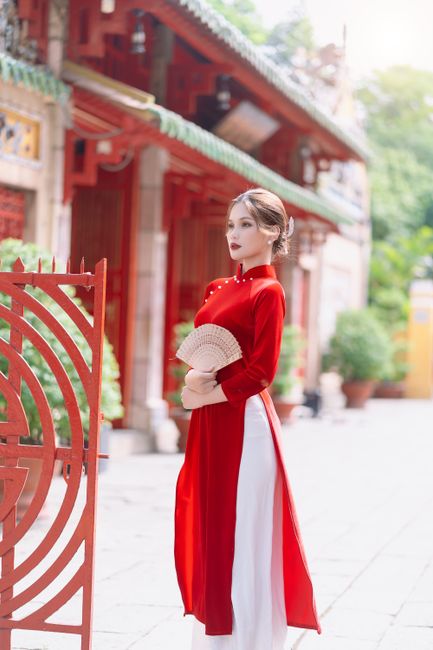
Now we come to one of the most iconic symbols of Vietnamese culture: the áo dài. It's hard to pinpoint the exact moment the áo dài came into being, but its origins can be traced back to the early 18th century, during the reign of the Nguyễn Dynasty. The Nguyễn lords, influenced by Chinese fashion but also keen to assert their own cultural identity, introduced a style of five-paneled tunic called the áo ngũ thân. This was essentially the precursor to the modern áo dài.
The áo ngũ thân was a loose-fitting garment that was worn by both men and women. It consisted of five panels: four representing the wearer's parents and parents-in-law, and one representing the wearer themselves. It was a symbol of family and tradition, and it was often worn for formal occasions.
The áo dài as we know it today didn't really take shape until the 1930s, thanks to the efforts of Vietnamese artists and designers. They modernized the áo ngũ thân, making it more fitted and flattering to the female figure. The slits along the sides were raised, and the trousers worn underneath became wider and more flowing. This new áo dài quickly became a symbol of Vietnamese femininity and grace.
Here's a little timeline to make it clearer:
- Early Times: Simple tunics and loincloths.
- Chinese Influence: Introduction of the áo giao lĩnh and other Chinese styles.
- Nguyễn Dynasty: Emergence of the áo ngũ thân.
- 1930s: Modernization of the áo dài into its current form.
French Colonial Influence: A Blend of East and West
The arrival of the French in the late 19th century brought another wave of cultural influence, this time from the West. French colonial rule had a significant impact on Vietnamese society, and fashion was no exception. The áo dài underwent further transformations, incorporating elements of French design.
One of the key changes was the adoption of new fabrics, such as silk velvet and lace. These fabrics added a touch of luxury and sophistication to the áo dài. The silhouette also became more fitted, reflecting the Western ideal of a slender figure. Some áo dài designs even incorporated Western-style collars and sleeves.
However, it's important to note that the French colonial influence was not always positive. While some Vietnamese people embraced Western fashion, others saw it as a threat to their cultural identity. The áo dài became a symbol of resistance against colonial rule, and it was often worn as a way to assert Vietnamese pride.
Post-Colonial Era: Rediscovering and Reinventing Tradition
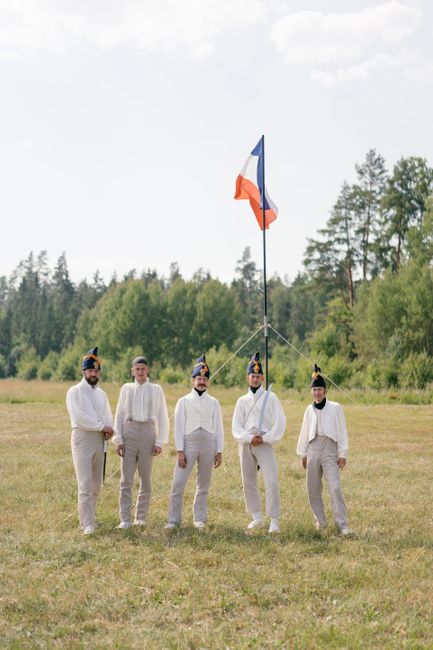
After gaining independence in 1954, Vietnam embarked on a period of rediscovering and reinventing its cultural traditions, including fashion. The áo dài continued to be a central part of Vietnamese culture, but it also underwent further evolution.
In the North, the áo dài became more simple and practical, reflecting the socialist ideals of the time. It was often worn in muted colors and with minimal embellishments. In the South, the áo dài retained its more elaborate and feminine style, with brighter colors and more intricate embroidery.
During the Vietnam War, the áo dài became a symbol of hope and resilience. Vietnamese women wore the áo dài as they went about their daily lives, even in the midst of conflict. It was a reminder of their cultural heritage and their determination to overcome adversity.
Modern Vietnamese Fashion: Global Influences and Local Creativity
Today, Vietnamese fashion is a vibrant mix of tradition and modernity, local creativity and global influences. The áo dài remains a beloved garment, worn for special occasions, weddings, and national holidays. But Vietnamese designers are also pushing the boundaries of fashion, creating new and innovative styles that reflect the country's unique cultural identity.
You'll see Vietnamese designers drawing inspiration from traditional motifs and techniques, but also incorporating modern materials and silhouettes. There's a growing emphasis on sustainability and ethical production, with many designers using locally sourced fabrics and working with traditional artisans.
Here are a few trends you might notice in modern Vietnamese fashion:
- Áo Dài Reinventions: Designers are constantly experimenting with new áo dài designs, incorporating different fabrics, cuts, and embellishments.
- Sustainable Fashion: A growing number of Vietnamese designers are committed to using sustainable materials and ethical production practices.
- Streetwear Influences: Vietnamese streetwear is gaining popularity, with designers blending traditional elements with modern streetwear styles.
- Celebrating Ethnic Diversity: Many designers are incorporating the traditional clothing styles of Vietnam's various ethnic minority groups into their designs.
It's an exciting time for Vietnamese fashion! I'm personally loving the way designers are blending the old and the new, creating garments that are both beautiful and meaningful.
The Future of Vietnamese Fashion: A Bright and Colorful Path
So, what does the future hold for Vietnamese fashion? I believe it's going to be bright, colorful, and full of innovation. As Vietnam continues to integrate into the global economy, Vietnamese designers will have even more opportunities to showcase their talent and creativity on the world stage.
I envision a future where Vietnamese fashion is not just about preserving tradition, but also about pushing boundaries and creating new forms of artistic expression. I see a future where Vietnamese designers are leading the way in sustainable and ethical fashion, inspiring others to follow their example.
And most importantly, I see a future where Vietnamese fashion continues to be a source of pride and inspiration for the Vietnamese people, a reflection of their rich cultural heritage and their enduring spirit.
What do you think? Isn't it amazing how much history and culture can be packed into the clothes we wear? The journey of Vietnamese fashion, from simple beginnings to the innovative styles of today, is a testament to the enduring creativity and resilience of the Vietnamese people. It's a story worth sharing, and I hope you've enjoyed this little peek into its beautiful world. Until next time!

Post a Comment for "Vietnamese Fashion: A Journey Through Time, Tradition, and Transformation"
Post a Comment