Unveiling the Rich Tapestry: Exploring the Meaning Behind Vietnamese Festivals
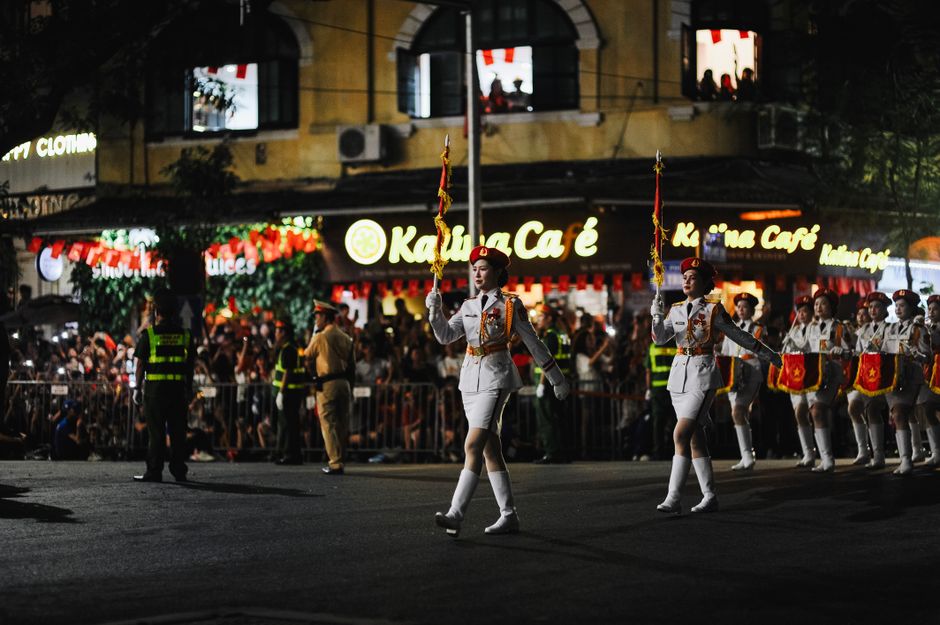
Unveiling the Rich Tapestry: Exploring the Meaning Behind Vietnamese Festivals
Hey there, friend! Have you ever found yourself completely mesmerized by the vibrant colors, the captivating music, and the palpable sense of community radiating from a cultural festival? I know I have! And recently, I've been utterly captivated by the richness and depth of Vietnamese festivals and celebrations. More than just dazzling displays, these events are windows into the soul of Vietnamese culture, offering profound insights into history, values, and traditions. Let's embark on a journey together to uncover the beautiful meaning woven into these festive occasions.
Tết Nguyên Đán: Welcoming the Lunar New Year

Ah, Tết! The most important and widely celebrated festival in Vietnam. Imagine a vibrant explosion of joy, optimism, and heartfelt wishes for prosperity. Tết, or the Lunar New Year, isn't just a holiday; it's a sacred time for families to reunite, honor ancestors, and set intentions for the coming year. It's like Christmas, Thanksgiving, and New Year's all rolled into one joyous celebration!
The days leading up to Tết are filled with bustling activity. Families embark on a thorough house cleaning, symbolizing the sweeping away of bad luck and negative energy from the previous year. Think of it as a fresh start for the home, mind, and spirit. Markets overflow with vibrant blooms – peach blossoms (hoa đào) in the North, apricot blossoms (hoa mai) in the South – kumquat trees laden with fruit, and all sorts of festive decorations.
One of my favorite traditions is the preparation of special Tết foods. Bánh chưng, a savory sticky rice cake filled with mung beans and pork, is a staple. It requires hours of preparation, often involving the entire family, and symbolizes gratitude for the abundance of the earth. Candied fruits, roasted melon seeds, and other delicious treats are also readily available, adding to the festive atmosphere.
The celebration itself lasts for several days, with each day carrying its own significance:
- Giao Thừa (New Year's Eve): This is the most sacred moment. Families gather to enjoy a lavish meal, watch traditional performances, and offer prayers at their ancestral altars. Firecrackers and fireworks are often set off to ward off evil spirits and welcome good fortune.
- Mùng Một Tết (First Day of Tết): Traditionally, people visit their relatives and close friends, offering New Year's greetings (chúc mừng năm mới) and receiving lucky money (lì xì) in red envelopes. It's considered auspicious to wear new clothes on this day and avoid sweeping or cleaning, as it's believed to sweep away good luck.
- Mùng Hai Tết (Second Day of Tết): This day is often reserved for visiting the wife's family. It's a beautiful way to strengthen family ties and show respect to the maternal side of the family.
- Mùng Ba Tết (Third Day of Tết): People often visit temples and pagodas to pray for good luck, health, and prosperity in the coming year. It's a time for reflection and spiritual renewal.
For me, Tết is more than just a holiday; it's a powerful reminder of the importance of family, tradition, and hope. It's a time to reconnect with loved ones, express gratitude for the blessings in our lives, and look forward to a bright and prosperous future.
The Mid-Autumn Festival (Tết Trung Thu): A Celebration of Children and the Moon

Imagine a night illuminated by the soft glow of lanterns, the rhythmic beat of drums, and the joyous laughter of children. This is the Mid-Autumn Festival, or Tết Trung Thu, a celebration that takes place on the 15th day of the eighth lunar month (usually in September or October). It's a time to honor the moon, celebrate the harvest, and most importantly, cherish children.
Legend has it that the Mid-Autumn Festival originated from the story of Chang'e, the moon goddess. There are various versions of the legend, but the most common one tells of Chang'e drinking an elixir of immortality and ascending to the moon, where she became the goddess of the moon. On this night, families offer mooncakes to the moon goddess in her honor.
Mooncakes (bánh trung thu) are a symbol of unity and completeness. These round pastries are typically filled with sweet bean paste, lotus seeds, or salted egg yolks. Sharing mooncakes with loved ones is a way to express love, gratitude, and best wishes.
One of the most captivating aspects of the Mid-Autumn Festival is the lantern parade. Children carry colorful lanterns shaped like stars, animals, or characters from folklore, parading through the streets with great excitement. The lanterns symbolize good luck and fortune, and the parade is a joyous expression of childhood innocence and wonder.
Lion dances (múa lân) are another integral part of the celebration. Teams of performers, dressed in elaborate lion costumes, dance to the beat of drums and cymbals, entertaining the crowds with their acrobatic moves and playful antics. The lion dance is believed to ward off evil spirits and bring good luck to the community.
I remember the pure joy I felt as a child during the Mid-Autumn Festival. Running through the streets with my lantern, sharing mooncakes with my friends, and watching the mesmerizing lion dance are memories I'll cherish forever. It's a festival that truly captures the spirit of childhood and the beauty of the moonlit night.
Huế Festival: A Journey Through Imperial History and Culture

Picture yourself transported back in time, surrounded by the grandeur of imperial palaces, the elegance of traditional costumes, and the enchanting melodies of court music. This is the essence of the Huế Festival, a biennial cultural event held in the former imperial city of Huế. It's a celebration of Vietnam's rich history, artistic heritage, and vibrant cultural traditions.
Huế was the capital of Vietnam during the Nguyễn Dynasty (1802-1945), and the festival is a tribute to its imperial past. The festival showcases a wide range of cultural performances, including:
- Royal Court Music (Nhã nhạc): This UNESCO-recognized form of traditional music was performed at the Nguyễn Dynasty court. It's a sophisticated and elegant art form that evokes a sense of majesty and refinement.
- Royal Costumes and Rituals: The festival features reenactments of royal ceremonies and rituals, allowing visitors to witness the splendor and grandeur of the imperial court. The elaborate costumes, intricate headdresses, and formal procedures offer a glimpse into the lives of the emperors and empresses.
- Traditional Theatre and Dance: Various forms of traditional Vietnamese theatre and dance are showcased, including cải lương (renovated theatre), tuồng (classical drama), and múa rối nước (water puppetry). These performances tell stories from Vietnamese folklore, history, and mythology, preserving the country's cultural heritage.
Beyond the imperial performances, the Huế Festival also features a variety of other cultural activities, such as art exhibitions, handicraft displays, culinary demonstrations, and traditional games. It's a feast for the senses, offering something for everyone to enjoy.
I was fortunate enough to attend the Huế Festival a few years ago, and it was an unforgettable experience. Walking through the ancient Citadel, listening to the enchanting sounds of royal court music, and witnessing the elegance of the royal costumes transported me to another era. It gave me a deeper appreciation for the history and culture of Vietnam.
Giong Festival: Honoring a Legendary Hero

Imagine a scene of vibrant processions, elaborate costumes, and the resounding echoes of battle drums. This is the Giong Festival, a UNESCO-recognized event that celebrates the legendary hero Thánh Gióng, a mythical figure who defended Vietnam from foreign invaders. It's a powerful expression of patriotism, courage, and the enduring spirit of the Vietnamese people.
According to legend, Thánh Gióng was a young boy who miraculously grew into a giant warrior after hearing the call to defend the country. He rode an iron horse, wielded an iron rod, and fought valiantly against the invaders, ultimately driving them out of the country. After his victory, he ascended to heaven, leaving behind a legacy of heroism and sacrifice.
The Giong Festival takes place in several locations around Hanoi, with the most prominent celebrations held at the Gióng Temple in Phù Đổng village. The festival features a series of rituals and performances that reenact the story of Thánh Gióng, including:
- The Procession: A colorful procession winds its way through the village, with participants dressed in elaborate costumes representing the different characters in the legend. The procession is a visual spectacle, filled with vibrant colors, intricate details, and the sounds of traditional music.
- The Battle Simulation: Performers reenact the battle between Thánh Gióng and the invaders, using traditional weapons and martial arts techniques. The performance is a thrilling display of skill and athleticism, showcasing the courage and determination of the legendary hero.
- The Offering Ceremony: An offering ceremony is held at the Gióng Temple, where prayers and sacrifices are made to honor Thánh Gióng and seek his blessings for peace and prosperity.
The Giong Festival is not just a historical reenactment; it's a living tradition that continues to inspire and unite the Vietnamese people. It reminds them of their history, their values, and their unwavering spirit of resistance.
Other Notable Vietnamese Festivals and Their Meanings

Beyond these major festivals, Vietnam is home to a wealth of other celebrations, each with its own unique traditions and significance. Here are a few more that I find particularly interesting:
- Vu Lan Festival (Wandering Souls Day): This Buddhist festival is a time to honor deceased ancestors and offer prayers for the wandering souls. People often visit temples and pagodas, offering food, flowers, and incense to their loved ones who have passed away. It's a time for reflection, remembrance, and filial piety.
- Tet Doan Ngo (Mid-Year Festival): Celebrated on the 5th day of the 5th lunar month, this festival is believed to cleanse the body of parasites and prevent illnesses. People eat sticky rice wine (rượu nếp) and fruits, and perform rituals to ward off evil spirits.
- Whale Festival (Nghinh Ong Festival): This festival is celebrated in coastal communities to honor the whale god (Cá Ông), who is believed to protect fishermen and seafarers. It's a time for prayer, gratitude, and hope for a bountiful catch.
Experiencing the Magic of Vietnamese Festivals
Participating in a Vietnamese festival is an experience unlike any other. It's a chance to immerse yourself in the country's rich culture, connect with the local community, and create lasting memories. Whether you're watching a vibrant lantern parade, sampling delicious traditional foods, or listening to the enchanting sounds of traditional music, you're sure to be captivated by the magic of these festive occasions.
So, if you ever have the opportunity to visit Vietnam during a festival, I urge you to seize it! You'll not only witness the beauty and splendor of the celebrations, but you'll also gain a deeper understanding and appreciation for the heart and soul of the Vietnamese people. Trust me, it's an experience you won't soon forget!
I hope this little exploration into the world of Vietnamese festivals has been insightful and enjoyable for you. Until next time, happy travels and happy celebrating!

Post a Comment for "Unveiling the Rich Tapestry: Exploring the Meaning Behind Vietnamese Festivals"
Post a Comment