Traditional Vietnamese Puppetry: A Journey Through Water, Rods, & Strings

Traditional Vietnamese Puppetry: A Journey Through Water, Rods, & Strings
Hey there! Have you ever seen a Vietnamese puppet show? If not, you are missing out on a vibrant and captivating art form that has been passed down through generations. It's so much more than just puppets; it's a window into Vietnamese culture, history, and folklore. I'm excited to take you on a little journey today to explore the different forms of traditional Vietnamese puppetry. Get ready to be amazed!
A Glimpse into the World of Vietnamese Puppets

Vietnamese puppetry is deeply rooted in the country's rural traditions, particularly in the rice-growing regions. Imagine a time before television or movies. For centuries, these puppet shows were a primary form of entertainment and storytelling for villagers. The performances often revolve around daily life, legends, historical events, and moral lessons, making them incredibly relevant and relatable.
What I find so fascinating is that these performances aren't just about the visual spectacle. They are an all-encompassing art form that combines puppetry with music, singing, and dance. The puppeteers, often hidden behind a screen or submerged in water (more on that later!), skillfully manipulate the puppets while narrating the story and creating the sound effects. It's like a symphony of art, all working together to transport you to another world.
Thang Long Water Puppetry: Dancing on the Water
Let's dive into the most famous type: Thang Long Water Puppetry (Mua Roi Nuoc). This art form originated in the Red River Delta region, north of Vietnam, and is incredibly unique. Seriously, where else can you see puppets performing their antics on water?
1. The Origin Story: Legend has it that water puppetry began as a way for farmers to entertain themselves during the monsoon season when the rice fields were flooded. They would stand waist-deep in the water and use the flooded fields as a stage to manipulate puppets and tell stories. Can you imagine how ingenious that was?
2. The Stage: The stage is a pool of water, usually about four meters square. Behind it is a screen or pavilion where the puppeteers stand hidden. The water acts as both a stage and a curtain, concealing the mechanisms that control the puppets.
3. The Puppets: The puppets are made of lacquered wood and can weigh up to 15 kilograms! They're incredibly detailed and often depict characters from Vietnamese folklore, such as dragons, phoenixes, farmers, fishermen, and even mischievous buffalo boys. The lacquer makes them durable and water-resistant, which is pretty important considering their watery stage.
4. The Puppeteers: The puppeteers stand in the water, often waist-deep, behind the screen. They use long bamboo poles and strings to control the puppets, making them dance, swim, and perform acrobatic feats. It requires incredible skill, coordination, and stamina! They are hidden from the audience, so all you see is the magic unfolding on the water.
5. The Performances: Water puppet shows typically consist of a series of short skits that depict daily life, historical events, and mythical stories. You might see scenes of rice farming, fishing, festivals, and even battles. Dragons spitting fire, phoenixes soaring through the air, and farmers tending their fields – it's all brought to life with incredible artistry and skill.
I remember the first time I saw a water puppet show. I was completely mesmerized by the way the puppets seemed to glide effortlessly across the water. The music was lively and the stories were engaging, even though I didn't understand all the words. It was such a unique and unforgettable experience.
Rod Puppetry: Precision and Grace

Next up, let's talk about rod puppetry (Mua Roi Can). While not as widely known as water puppetry, rod puppetry is still a significant part of Vietnamese puppetry traditions, and it is captivating in its own right. The focus here is more on the precision and grace of the puppet's movements.
1. The Mechanics: Rod puppets are controlled by a system of rods attached to different parts of the puppet's body. These rods allow the puppeteers to manipulate the puppet's limbs, head, and torso with remarkable precision. It's like watching a marionette come to life, but with even more control and expressiveness.
2. The Puppets: Rod puppets are typically larger and more elaborate than water puppets. They're often made of wood and elaborately costumed to represent different characters. The level of detail in the puppets' faces and clothing is truly impressive.
3. The Stage: The stage for rod puppetry is usually a raised platform with a backdrop. The puppeteers stand behind the stage, hidden from the audience, and manipulate the puppets from below. The backdrop provides a setting for the story and helps to create a sense of atmosphere.
4. The Performances: Rod puppet performances often tell stories from Vietnamese folklore, history, and literature. The puppeteers use their skills to bring these stories to life with expressive movements and gestures. You might see scenes of battles, love stories, and even comedies. The complexity of the movements and the detail in the puppets' costumes make these performances a real feast for the eyes.
I've noticed that rod puppetry allows for more nuanced and complex character portrayals compared to water puppetry. The ability to control the puppet's movements with such precision allows the puppeteers to convey a wider range of emotions and expressions. It's amazing how much personality they can imbue into these wooden figures.
String Puppetry: The Dance of the Marionettes
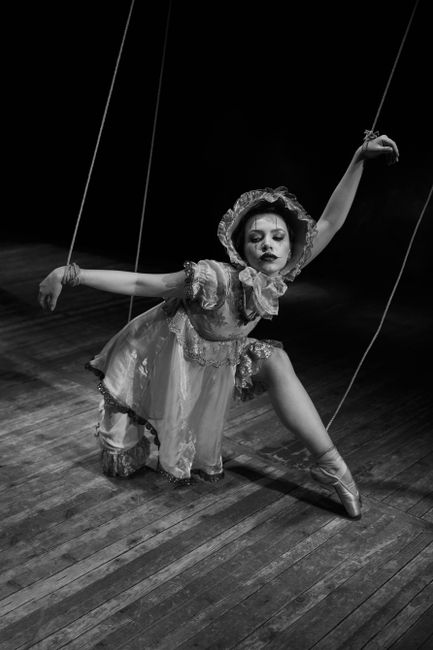
Now, let's turn our attention to string puppetry (Mua Roi Day), also known as marionette puppetry. This form is probably the most familiar to those who have seen puppetry from other parts of the world, but it takes on a unique Vietnamese flavor.
1. The Control System: String puppets are controlled by a series of strings attached to different parts of the puppet's body. The puppeteer holds a control bar, called a "crutch", and manipulates the strings to make the puppet move. It requires a great deal of skill and practice to master the art of string puppetry. If you've ever tried to untangle a single string, imagine controlling a puppet with multiple strings all at once!
2. The Puppets: The puppets are typically made of wood or other lightweight materials. They are often elaborately costumed and decorated to represent different characters. The size of the puppets can vary, but they are generally smaller than rod puppets.
3. The Stage: The stage for string puppetry is usually a raised platform with a backdrop. The puppeteer stands above the stage, hidden from the audience, and manipulates the puppets from above. The backdrop provides a setting for the story and helps to create a sense of atmosphere.
4. The Performances: String puppet performances often tell stories from Vietnamese folklore, history, and literature. The puppeteers use their skills to bring these stories to life with expressive movements and gestures. The ability to make the puppets dance, jump, and perform acrobatic feats is particularly impressive.
What I admire about string puppetry is the elegance and fluidity of the puppet's movements. When done well, it's easy to forget that you're watching a puppet and not a real person. The puppeteers are masters of illusion, bringing these inanimate objects to life with their skillful manipulation.
Regional Variations and Modern Adaptations

It's important to note that within these three main types of puppetry, there are numerous regional variations. Each region has its own unique style, techniques, and repertoire. For example, you might find different types of music, costumes, and stories depending on where you are in Vietnam.
Furthermore, Vietnamese puppetry is not static. It continues to evolve and adapt to modern times. Contemporary puppeteers are experimenting with new techniques, materials, and themes to keep the art form relevant and engaging for new audiences. You might see puppets incorporated into multimedia performances, or stories that address contemporary social issues.
For example, I've seen some amazing shows that combine traditional water puppetry with modern lighting and sound effects. It's a fantastic way to introduce the art form to a new generation while still preserving its cultural heritage.
Why Vietnamese Puppetry Matters
So, why should you care about Vietnamese puppetry? Well, for starters, it's an incredibly unique and captivating art form that deserves to be appreciated. But more than that, it's a window into Vietnamese culture, history, and traditions. It's a way to connect with the past and learn about the values and beliefs that have shaped Vietnamese society.
Here are a few key reasons why Vietnamese puppetry matters:
a. Cultural Preservation: Puppetry helps to preserve and transmit Vietnamese culture and traditions to future generations.
b. Entertainment and Education: Puppetry provides entertainment and education for audiences of all ages.
c. Community Building: Puppetry brings people together and fosters a sense of community.
d. Tourism and Economic Development: Puppetry attracts tourists and contributes to the economic development of local communities.
When you watch a Vietnamese puppet show, you're not just watching a performance; you're experiencing a piece of Vietnamese history and culture. You're supporting the artists who are working to keep this tradition alive, and you're helping to ensure that it will continue to be enjoyed by future generations.
Experiencing Vietnamese Puppetry Firsthand
If you ever have the opportunity to visit Vietnam, I highly recommend that you make time to see a puppet show. There are many theaters and cultural centers throughout the country that offer regular performances. Some popular venues include the Thang Long Water Puppet Theatre in Hanoi and the Golden Dragon Water Puppet Theatre in Ho Chi Minh City.
Tips for enjoying a Vietnamese puppet show:
- Book your tickets in advance: Popular shows can sell out quickly, so it's a good idea to book your tickets in advance.
- Arrive early: Arriving early will give you time to find your seat and browse the gift shop.
- Read up on the stories: If possible, read up on the stories that will be performed beforehand. This will help you to better understand and appreciate the performance. Many theaters offer pamphlets or brochures with synopses in English or other languages.
- Relax and enjoy the show: Don't worry if you don't understand all the words. The music, costumes, and puppetry are all incredibly engaging and will keep you entertained.
- Support the artists: Consider purchasing a souvenir or making a donation to the theater to support the artists and their work.
Whether you're a seasoned traveler or just curious about different cultures, Vietnamese puppetry is an experience that you won't soon forget. It's a vibrant and captivating art form that offers a unique glimpse into the heart and soul of Vietnam.
So, next time you're looking for something different and enriching, give Vietnamese puppetry a try. You might just discover a new passion!

Post a Comment for "Traditional Vietnamese Puppetry: A Journey Through Water, Rods, & Strings"
Post a Comment