The Ultimate Guide to Exchanging Money in Vietnam: Save Money and Travel Smart!

The Ultimate Guide to Exchanging Money in Vietnam: Save Money and Travel Smart!
Planning a trip to Vietnam? Awesome! Get ready for vibrant culture, delicious food, and stunning landscapes. But before you pack your bags, let's talk about something super important: money exchange. It can seem a little daunting at first, but trust me, with a little planning, you can get the best rates and avoid unnecessary fees. I've been traveling to Vietnam for years, and I've learned a thing or two about navigating the currency exchange scene. So, grab a cup of coffee (or maybe a refreshing Vietnamese iced coffee!), and let's dive into the best ways to exchange your money in Vietnam.
Understanding the Vietnamese Dong (VND)

First things first, let's get familiar with the Vietnamese Dong, or VND. It's the official currency of Vietnam, and you'll be using it for pretty much everything, from street food to souvenirs. Now, here's the kicker: the VND doesn't come in coins. You'll be dealing exclusively with banknotes, which range from 1,000 VND to 500,000 VND. It's really important to get used to recognizing the different denominations because, especially in lower light, the similarities in color can be confusing. I've definitely handed over a larger bill than intended before – learn from my mistakes!
One other essential piece of advice: be careful with older, worn-out bills. Some vendors might refuse to accept them. It's always a good idea to ask for crisp, new-ish notes when you're exchanging money. Also, try to have smaller denominations on hand. Paying for a 20,000 VND banh mi with a 500,000 VND note isn't always appreciated (and might even be impossible!).
Should You Exchange Money Before You Go?

This is a question I get asked a lot. My answer is generally no, don't exchange a large amount of money before you leave. The exchange rates you'll find at your home bank or airport are almost always less favorable than what you'll get in Vietnam. You'll likely end up paying higher fees and getting a worse exchange rate, essentially throwing money away before your adventure even begins! I've compared rates time and time again, and the difference can be significant, especially if you're exchanging a substantial amount.
However, it's a good idea to have a small amount of VND on hand when you arrive – enough to cover your taxi fare from the airport to your hotel and maybe a quick bite to eat. This will save you the hassle of having to find an ATM or exchange booth immediately after landing. I usually exchange around $50 USD worth of VND before I leave, just to have that initial buffer.
The Best Places to Exchange Money in Vietnam

So, where should you exchange your money once you're in Vietnam? Here are my top recommendations, based on my experience:
- Gold and Jewelry Shops: Seriously! This might sound a little unconventional, but gold and jewelry shops often offer the best exchange rates in Vietnam. They are plentiful in major cities like Hanoi and Ho Chi Minh City. Just look for signs that say "Doi Tien" (which means "Exchange Money"). Don't be shy; step inside and ask for the exchange rate. Be sure to compare rates between a few different shops before committing to a transaction. I've consistently found them to offer better rates than banks or official exchange bureaus.
- Banks: Banks are a reliable option, although their exchange rates are usually slightly less favorable than gold shops. However, they offer a safe and secure environment for exchanging money. Some popular banks to consider include Vietcombank, BIDV, and Techcombank. Be prepared to show your passport, as this is required for all currency exchange transactions at banks. Banks are generally open from Monday to Friday during regular business hours.
- Authorized Exchange Bureaus: These are another safe option, though again, their rates might not be as competitive as gold shops. You'll find these at airports, tourist areas, and sometimes in hotels. While convenient, airport exchange bureaus usually offer the worst rates, so try to avoid using them if possible.
- ATMs: Using ATMs to withdraw Vietnamese Dong is a convenient option, but it's crucial to be aware of the fees involved. Your bank will likely charge a foreign transaction fee, and the local Vietnamese bank might also charge a withdrawal fee. Check with your bank before you travel to understand what these fees will be. I usually only use ATMs as a last resort when I need a small amount of cash quickly. Also, be aware of the daily withdrawal limit, which can vary depending on the bank. When using an ATM, always choose to be charged in the local currency (VND). This way, your bank will handle the conversion at a better rate than the ATM itself.
Tips for Getting the Best Exchange Rate
Okay, now for the insider tips that will help you maximize your money!
- Shop Around: Don't settle for the first exchange rate you see. Compare rates at different gold shops, banks, and exchange bureaus. The differences can add up, especially if you're exchanging a large sum.
- Negotiate: At gold shops, you might be able to negotiate the exchange rate, especially if you're exchanging a large amount of money. It doesn't hurt to ask! A polite "Can you do any better?" can sometimes work wonders.
- Use US Dollars or Euros: These currencies are widely accepted and easily exchanged in Vietnam. Make sure your bills are clean, crisp, and undamaged, as some places might refuse to accept worn or torn notes.
- Avoid Exchanging Large Amounts at Once: Exchange money as you need it, rather than exchanging a huge sum upfront. This way, you won't be carrying around a large amount of cash, and you can also take advantage of potentially better exchange rates if they fluctuate.
- Be Aware of Scams: Unfortunately, scams do happen. Be cautious of individuals offering ridiculously good exchange rates on the street. It's always best to stick to reputable gold shops, banks, or authorized exchange bureaus. Always count your money carefully before leaving the counter.
Using Credit and Debit Cards in Vietnam
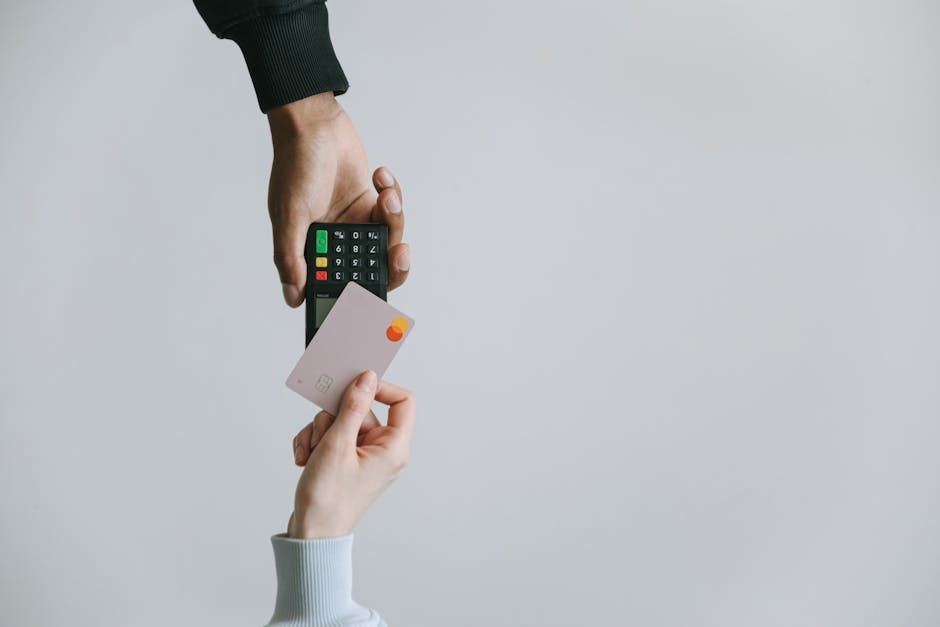
While cash is king in Vietnam, credit and debit cards are becoming increasingly accepted, especially in larger cities and tourist areas. However, it's important to be aware of the potential fees involved. Your bank will likely charge a foreign transaction fee for each purchase you make with your card. It's a good idea to check with your bank before you travel to understand what these fees will be.
Also, be aware that some smaller shops and restaurants might not accept cards, or they might charge a surcharge for using them. It's always a good idea to have cash on hand, especially when venturing outside of major tourist areas. Let's be realistic; you can't buy a delicious bowl of Pho from a street vendor with your Amex card!
When using your card, always choose to be charged in the local currency (VND). This way, your bank will handle the conversion at a better rate than the merchant. Also, be careful when using ATMs, as skimming can be a risk. Try to use ATMs located inside banks or in well-lit, secure areas.
Budgeting Tips for Vietnam

Vietnam is a relatively affordable country to travel in, especially compared to Western countries. However, it's still important to budget wisely to make your money last. Here are a few tips:
- Eat Local: Vietnamese food is delicious and incredibly affordable. Street food and local restaurants offer amazing value for money. Avoid touristy restaurants, which tend to be overpriced.
- Use Public Transportation: Buses and trains are a cheap and efficient way to get around Vietnam. Consider using Grab (Southeast Asia's equivalent of Uber) for short distances.
- Negotiate Prices: Bargaining is common in Vietnam, especially in markets and tourist shops. Don't be afraid to negotiate the price down, but always do so respectfully.
- Choose Accommodation Wisely: Vietnam offers a wide range of accommodation options, from budget-friendly hostels to luxury hotels. Consider staying in guesthouses or smaller hotels for better value.
- Look for Free Activities: Many cities in Vietnam offer free activities, such as walking tours, visiting temples, and exploring parks.
My Personal Experiences with Money Exchange in Vietnam
I remember one time, during my first trip to Vietnam, I made the mistake of exchanging a large amount of money at the airport. I thought I was being prepared, but I quickly realized that I had gotten a terrible exchange rate. I learned my lesson and started using gold shops instead. The difference in rates was significant, and I ended up saving a lot of money over the course of my trip.
Another time, I was in Hoi An, a beautiful ancient town in central Vietnam. I was running low on cash, and I needed to find an ATM. I tried a few different ATMs, but they were all out of service. I eventually found one inside a bank, but it charged a hefty withdrawal fee. From then on, I made sure to always carry enough cash with me, just in case.
Through these experiences, I've developed a solid strategy for managing my money in Vietnam. I usually exchange a small amount of money at the airport for immediate needs, and then I exchange the bulk of my money at gold shops. I also use my credit card for larger purchases, but I'm always mindful of the fees involved. And, of course, I always budget wisely and try to eat local to save money.
Final Thoughts: Embrace the Dong!

Exchanging money in Vietnam doesn't have to be stressful. With a little bit of knowledge and planning, you can get the best rates and avoid unnecessary fees. Remember to shop around, negotiate, use reputable exchange locations, and be aware of potential scams. Most importantly, embrace the Vietnamese Dong and enjoy your incredible journey through this amazing country! From the bustling streets of Hanoi to the tranquil beauty of Ha Long Bay, Vietnam has so much to offer. By being smart about your money, you can focus on creating unforgettable memories. Happy travels!

Post a Comment for "The Ultimate Guide to Exchanging Money in Vietnam: Save Money and Travel Smart!"
Post a Comment