The Enduring Allure of Vietnamese Pottery: A Journey From Bat Trang to Hidden Kilns
The Enduring Allure of Vietnamese Pottery: A Journey From Bat Trang to Hidden Kilns
Ever held a piece of pottery and felt a connection to the earth, to the hands that shaped it? That's the magic of Vietnamese pottery for me. From the bustling, historic village of Bat Trang to the quiet, almost secret local kilns scattered across the countryside, Vietnamese ceramics offer a rich tapestry of history, artistry, and cultural identity. I've spent years exploring this beautiful art form, and I want to share my journey with you, from the iconic to the undiscovered, to ignite your own appreciation for this enduring craft.
Bat Trang: Where Ancient Traditions Meet Modern Innovation

My first encounter with Vietnamese pottery was, like many, in Bat Trang. Located just a short drive from Hanoi, Bat Trang is a pottery village that has been producing ceramics for over 700 years! Imagine, centuries of hands shaping clay, firing kilns, and passing down techniques from generation to generation. It's truly breathtaking.
Stepping into Bat Trang is like stepping back in time. The streets are narrow and winding, lined with shops overflowing with pottery of every imaginable shape, size, and color. You'll find everything from delicate tea sets to massive garden pots, intricate statues to simple, everyday bowls. The air is thick with the scent of clay and the sounds of hammers, chisels, and spinning pottery wheels. It's a sensory overload in the best possible way!
A Glimpse into History: The history of Bat Trang is deeply intertwined with the Red River Delta's rich agricultural history. The abundance of clay in the region, coupled with its strategic location for trade and transportation, made it an ideal place for pottery production to flourish. Over the centuries, Bat Trang potters perfected their craft, developing unique glazes and firing techniques that set their work apart. Their ceramics were highly sought after by the royal court and exported to neighboring countries, solidifying Bat Trang's reputation as a leading center for ceramic production.
The Kilns of Bat Trang: One of the most fascinating aspects of Bat Trang is the kilns. Traditionally, the village used "dragon kilns," long, tunnel-like structures that sloped upwards. These kilns were fired with wood, and the temperature and atmosphere inside were carefully controlled to achieve the desired results. While some dragon kilns still exist, many have been replaced by more modern gas-fired kilns, which offer greater control and consistency. Visiting a kiln is a must-do experience in Bat Trang. You can see the intricate process of loading and unloading the pottery, and even witness the firing process (if you're lucky!).
My Bat Trang Experience: I remember the first time I tried my hand at the pottery wheel in Bat Trang. It looked so easy watching the skilled artisans, but the moment I sat down and tried to mold the clay, it was a whole different story! The clay wobbled and squirmed, and I ended up with a lopsided, misshapen mess. But it was an incredibly humbling and rewarding experience. It gave me a whole new level of appreciation for the skill and artistry that goes into creating even the simplest piece of pottery.
Things to Do in Bat Trang:
- Visit the Ancient House: Explore a traditional Bat Trang house to get a glimpse into the daily life of a pottery family.
- Take a Pottery Class: Try your hand at the pottery wheel and create your own unique piece.
- Browse the Market: Explore the bustling market and find unique souvenirs and gifts.
- Visit a Kiln: Witness the firing process and learn about the different types of kilns used in Bat Trang.
- Try Com: Indulge in "Com", a traditional Bat Trang dish made from young rice.
Beyond Bat Trang: Discovering Hidden Pottery Kilns

While Bat Trang is undoubtedly the most famous pottery village in Vietnam, it's just the tip of the iceberg. Scattered across the country are numerous smaller, lesser-known kilns, each with its own unique style, techniques, and traditions. These local kilns often produce pottery that is deeply rooted in the local culture and traditions, and offer a more intimate and authentic experience for visitors.
I've had the privilege of visiting several of these hidden kilns, and each one has been a truly unforgettable experience. It's like stepping into a different world, where time seems to slow down and the focus is entirely on the art of creating. Here are a few examples:
1. Phu Lang: Located in Bac Ninh province, Phu Lang is another ancient pottery village with a history dating back centuries. Unlike Bat Trang, which is known for its delicate porcelain and decorative pieces, Phu Lang is famous for its rustic earthenware. The pottery produced here is typically thicker and heavier, with a distinctive reddish-brown color and a rough, textured surface. Phu Lang pottery is often used for cooking, storing food, and gardening. The kilns in Phu Lang are also different from those in Bat Trang. They are typically smaller and simpler, and fired with wood, which gives the pottery a unique smoky flavor.
2. Thanh Ha: Near Hoi An, the old trading port of central Vietnam, Thanh Ha village produces pottery that reflects its proximity to the ocean. Sea motifs, such as fish and waves, are common. Bricks, roof tiles and decorative items are also produced in abundance here. You can watch the potters creating on wheels powered by foot, and get involved with making something of your own.
3. Bau Truc: In Ninh Thuan province, you'll find the ancient Cham pottery village of Bau Truc. What's special here is that the pottery is still made entirely by hand, using techniques passed down through generations. Potters here do not use a pottery wheel; instead, they walk around the piece, adding and shaping the clay with their hands. The pottery is decorated with simple, geometric patterns, reflecting the Cham culture and traditions. The kilns are small and primitive, fired with wood or straw, giving the pottery a unique earthy quality.
The Unique Characteristics of Vietnamese Pottery
Vietnamese pottery is incredibly diverse, reflecting the country's rich cultural heritage and diverse regional traditions. However, there are some common characteristics that unite the different styles of Vietnamese ceramics:
1. The Importance of Clay: Clay is the foundation of all pottery, and Vietnamese potters take great pride in selecting the best clay for their work. Different regions of Vietnam have different types of clay, each with its own unique properties. For example, the red clay of Phu Lang is known for its strength and durability, while the white clay of Bat Trang is prized for its fineness and purity.
2. The Art of Glazing: Glazing is the process of applying a liquid coating to the pottery before firing. The glaze melts during firing, creating a smooth, glassy surface that protects the pottery and adds color and decoration. Vietnamese potters have developed a wide range of unique glazes, using natural ingredients such as wood ash, rice husk ash, and minerals. Some of the most common glazes include celadon (a pale green glaze), crackle glaze (a glaze with a network of fine cracks), and underglaze painting (painting designs on the pottery before applying the glaze).
3. The Significance of Decoration: Decoration plays an important role in Vietnamese pottery, adding beauty and meaning to the pieces. Vietnamese potters use a variety of techniques to decorate their pottery, including:
- Hand-painting: Painting designs directly onto the pottery with a brush.
- Incising: Carving designs into the clay surface.
- Relief: Creating raised designs on the clay surface.
- Applying: Attaching separate pieces of clay to the pottery.
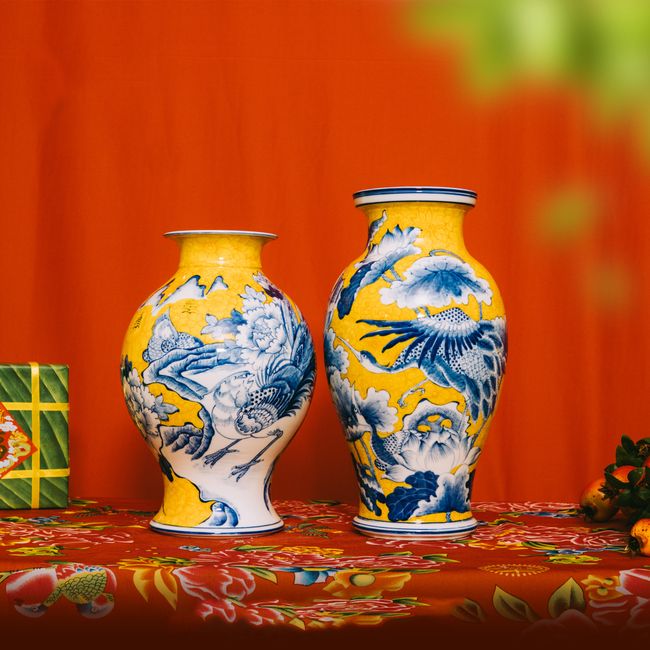
The designs often depict scenes from nature, such as flowers, birds, and landscapes, or reflect religious beliefs and cultural traditions.
Supporting Local Artisans and Preserving Tradition
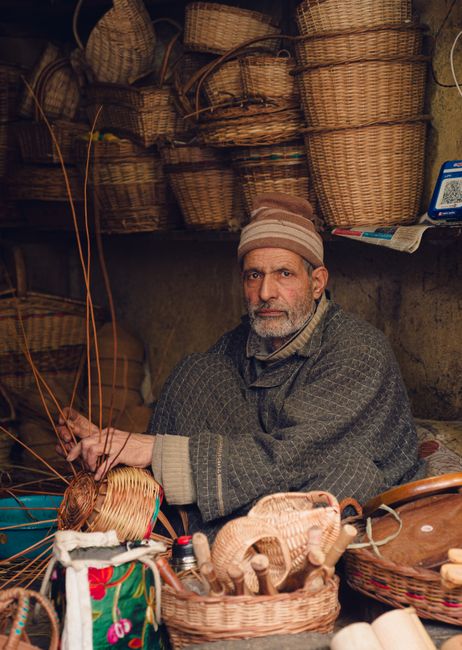
One of the most rewarding aspects of exploring Vietnamese pottery is the opportunity to support local artisans and help preserve their traditions. In many of the smaller pottery villages, pottery production is a family business, with skills and knowledge passed down from generation to generation. By purchasing pottery directly from the artisans, you are helping to ensure that these traditions continue to thrive.
Tips for Buying Pottery:
- Visit local markets and workshops: This is the best way to find unique and authentic pottery and to support local artisans directly.
- Ask questions: Don't be afraid to ask the artisans about their work, their techniques, and the history of their craft.
- Look for imperfections: Handmade pottery will often have slight imperfections, which add to its charm and character.
- Negotiate prices respectfully: Bargaining is common in Vietnam, but it's important to be respectful and fair to the artisans.
- Consider the sustainability of the production: Ask about the materials used and the firing process to ensure that the pottery is produced in an environmentally responsible way.
My Lasting Appreciation for Vietnamese Pottery

My journey into the world of Vietnamese pottery has been an incredible adventure. I've been captivated by the beauty, the artistry, and the rich history of this enduring craft. From the bustling workshops of Bat Trang to the quiet kilns of remote villages, I've discovered a deep appreciation for the skill and dedication of the Vietnamese potters who keep this tradition alive.
I encourage you to embark on your own journey of discovery into the world of Vietnamese pottery. Whether you visit a pottery village, take a pottery class, or simply admire a piece of pottery in a museum, I hope you'll be inspired by the beauty and artistry of this remarkable craft. It's more than just clay; it's a connection to the past, a celebration of the present, and a hope for the future.
Each piece tells a story. What story will you find?

Post a Comment for "The Enduring Allure of Vietnamese Pottery: A Journey From Bat Trang to Hidden Kilns"
Post a Comment