The Enduring Allure of Vietnamese Lacquerware: A Journey Through History and Craft

The Enduring Allure of Vietnamese Lacquerware: A Journey Through History and Craft
Have you ever held a piece of lacquerware and felt its smooth, cool surface beneath your fingertips? It's an experience that transcends mere touch; it's a connection to centuries of artistry and a tangible link to Vietnamese culture. My own journey into the world of Vietnamese lacquerware began quite unexpectedly, during a trip to Hanoi. I stumbled upon a small workshop tucked away in a quiet alley, and I was immediately captivated. The rich colors, the intricate designs, and the sheer dedication of the artisans left me spellbound. I knew I had to learn more about this captivating art form.
A Glimpse into the History of Vietnamese Lacquerware
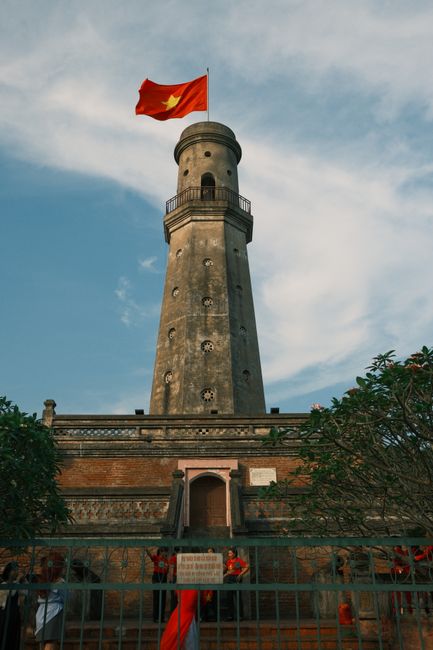
The story of Vietnamese lacquerware is a long and fascinating one, stretching back over two thousand years! It's more than just decoration; it's a testament to the resourcefulness and artistic ingenuity of the Vietnamese people. The origins are shrouded in a bit of mystery, but archaeological finds suggest that early forms of lacquer were used for practical purposes, like protecting wooden objects from the elements. Think of it as an ancient form of waterproofing!
Over time, this practical application evolved into a true art form. Lacquerware pieces began to adorn royal palaces and religious sites, showcasing the power and wealth of the ruling classes. These early pieces were often simple in design, emphasizing the natural beauty of the lacquer itself. The real boom in lacquerware artistry, however, came later, influenced by other cultures.
The Influence of China and Beyond
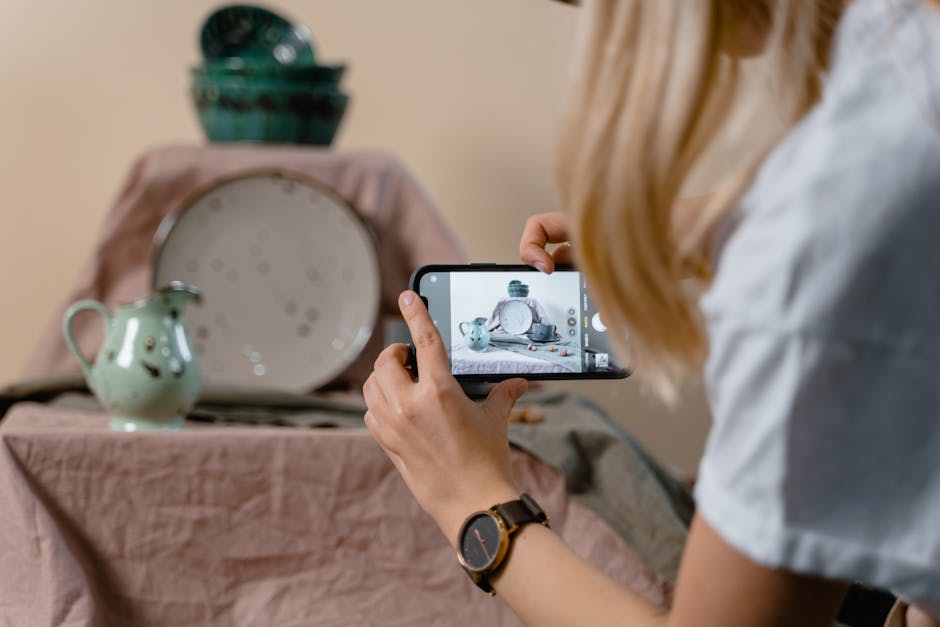
Vietnamese culture has always been intertwined with that of its northern neighbor, China, and lacquerware is no exception. Over the centuries, Chinese techniques and styles significantly impacted the development of Vietnamese lacquerware. We see this in the use of certain motifs, like dragons and phoenixes, and in the adoption of specific methods for applying and polishing the lacquer.
However, Vietnamese artisans weren't content to simply copy Chinese designs. They infused their work with their own unique perspective, creating a distinct style that is recognizably Vietnamese. Think of it as taking inspiration and making it your own – something we can all relate to, right?
Later, during the colonial period, French influence also played a role. European artists and designers introduced new techniques and styles, leading to a fusion of Eastern and Western aesthetics. This resulted in a diverse range of lacquerware pieces, from traditional designs to more contemporary and experimental forms. The result is a rich tapestry of influences that makes Vietnamese lacquerware so unique.
The Magic of Lacquer: From Tree Sap to Art
What exactly is lacquer, you might be wondering? It's not paint, and it's not varnish. It's actually a resin derived from the lacquer tree ( Rhus succedanea), which is native to Vietnam and other parts of Asia. The process of extracting and preparing the lacquer is incredibly labor-intensive and requires a great deal of skill and patience. Believe me, I've seen it firsthand!
Here's a simplified breakdown of the process:
- Tapping the Trees: Similar to tapping maple trees for syrup, lacquer trees are carefully tapped to collect the sap. This is a delicate process, as improper tapping can damage the tree.
- Filtering and Processing: The raw lacquer sap is then filtered and processed to remove impurities. This can involve heating, stirring, and other techniques to refine the lacquer.
- Aging: The lacquer is then aged for several months or even years to allow it to mature and develop its optimal properties. This is where patience really comes into play!
The raw lacquer is a thick, sticky substance that can be quite irritating to the skin (I learned this the hard way!). It's crucial to wear protective gear during the entire process. But once the lacquer is properly prepared, it becomes a versatile and durable material that can be used to create stunning works of art.
The Art of Application: Layers of Skill and Patience

Applying lacquer is an art form in itself. It's not a simple matter of brushing on a coat of paint. Instead, lacquer is applied in thin, even layers, often dozens of layers, over a period of weeks or even months. Each layer must be carefully dried and polished before the next is applied. This painstaking process is what gives lacquerware its characteristic depth and luster.
Here are some of the techniques used in Vietnamese lacquerware:
- Eggshell Inlay: Tiny pieces of eggshell are carefully applied to the surface of the lacquerware, creating intricate patterns and textures. This is a particularly delicate and time-consuming technique.
- Mother-of-Pearl Inlay: Similar to eggshell inlay, mother-of-pearl fragments are used to create shimmering designs. The iridescent quality of mother-of-pearl adds a touch of elegance and sophistication.
- Gold and Silver Leaf: Thin sheets of gold or silver leaf are applied to the lacquerware, adding a touch of luxury and opulence.
- Painting: Lacquer is often used as a medium for painting, allowing artists to create detailed and colorful scenes on the surface of the lacquerware.
- Engraving: Designs can be engraved into the lacquer surface, creating intricate patterns and textures. This technique is often used to create a sense of depth and dimension.
The combination of these techniques, along with the artist's skill and creativity, is what makes each piece of Vietnamese lacquerware unique and special. No two pieces are ever exactly alike!
Traditional Motifs and Modern Interpretations
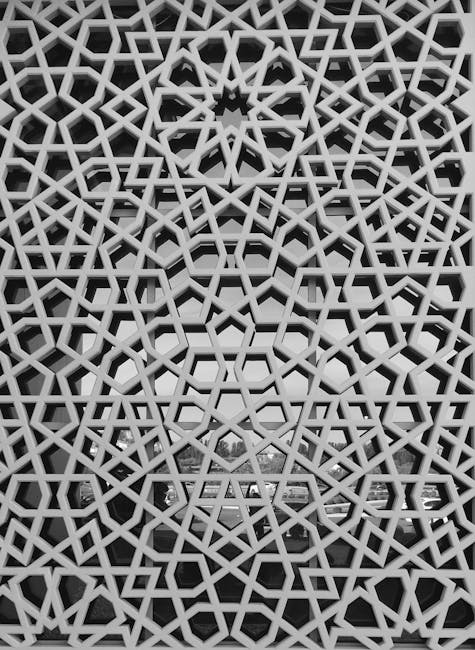
Vietnamese lacquerware is rich in symbolism, drawing on traditional motifs and themes from Vietnamese culture. These motifs often reflect the country's history, beliefs, and values. Understanding these symbols can add another layer of appreciation to the art.
Some common motifs include:
- Dragons and Phoenixes: These mythical creatures are symbols of power, good fortune, and prosperity. They are often depicted together, representing the balance of yin and yang.
- Lotus Flowers: The lotus flower is a symbol of purity, enlightenment, and spiritual awakening. It is often associated with Buddhism and is a popular motif in Vietnamese art.
- Bamboo: Bamboo is a symbol of resilience, strength, and flexibility. It is often used to represent the Vietnamese people's ability to overcome adversity.
- Landscapes: Vietnamese landscapes, such as mountains, rivers, and rice paddies, are often depicted in lacquerware, showcasing the natural beauty of the country.
While traditional motifs remain popular, contemporary Vietnamese artists are also pushing the boundaries of lacquerware, experimenting with new techniques, materials, and designs. They are creating pieces that reflect modern sensibilities while still honoring the traditions of the past. It's exciting to see how this ancient art form is evolving and adapting to the present day.
Finding Authentic Vietnamese Lacquerware: Tips for the Discerning Buyer
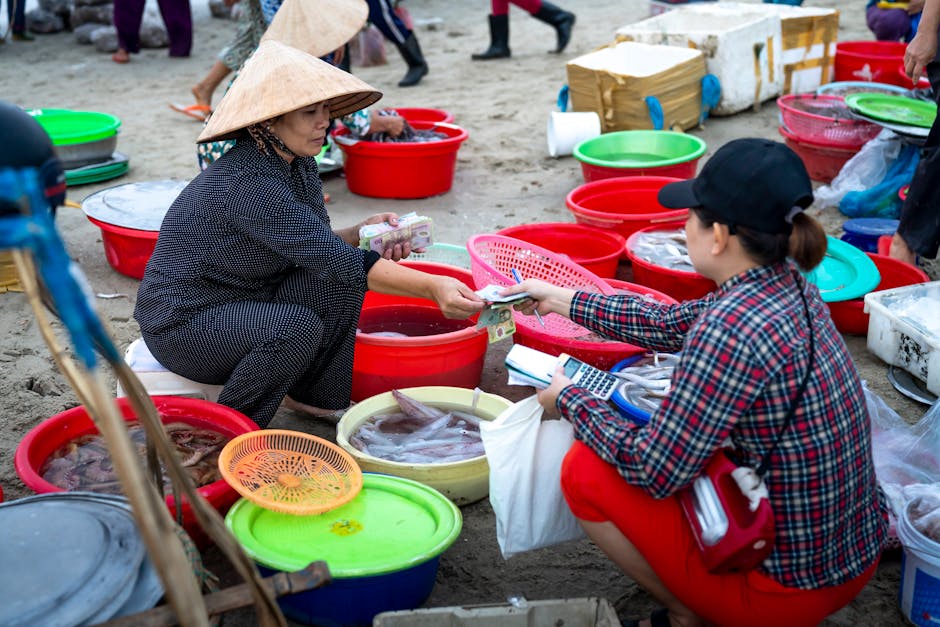
If you're looking to purchase authentic Vietnamese lacquerware, it's important to be discerning. Unfortunately, there are many imitations out there, often made with inferior materials and techniques. Here are a few tips to help you find genuine pieces:
- Look for Quality: Authentic lacquerware should have a smooth, even surface with a deep, rich luster. The colors should be vibrant and the details should be crisp and well-defined.
- Check for Layers: Remember that lacquer is applied in multiple layers. You should be able to see evidence of this layered construction, especially on edges and corners.
- Inquire About the Materials: Ask the seller about the type of lacquer used and the materials used for inlay and decoration. Authentic lacquerware will typically use natural materials, such as eggshell, mother-of-pearl, and gold leaf.
- Buy from Reputable Sources: Purchase lacquerware from reputable galleries, workshops, or authorized dealers. This will increase your chances of finding genuine pieces.
- Consider the Price: High-quality lacquerware is time-consuming to produce, so it will typically be more expensive than mass-produced imitations. Be wary of prices that seem too good to be true.
- Don't Be Afraid to Ask Questions: Engage with the seller and ask questions about the history and production of the lacquerware. A knowledgeable seller should be able to provide you with detailed information.
Beyond these tips, trust your instincts! If something feels off or doesn't seem quite right, it's best to err on the side of caution.
Caring for Your Lacquerware Treasures
Once you've acquired a piece of Vietnamese lacquerware, it's important to care for it properly to ensure that it lasts for generations. With a little bit of attention, your lacquerware will remain beautiful and vibrant for years to come.
Here are a few simple tips:
- Avoid Direct Sunlight and Extreme Temperatures: Exposure to direct sunlight and extreme temperatures can damage the lacquer. Keep your lacquerware away from windows and heat sources.
- Clean with a Soft Cloth: Dust your lacquerware regularly with a soft, dry cloth. Avoid using harsh chemicals or abrasive cleaners.
- Protect from Scratches: Lacquer is relatively durable, but it can be scratched. Avoid placing sharp objects on the surface of your lacquerware.
- Consider Using a Lacquer Polish: You can use a specially formulated lacquer polish to maintain the luster of your lacquerware. Follow the manufacturer's instructions carefully.
By following these simple tips, you can ensure that your Vietnamese lacquerware remains a treasured heirloom for many years to come.
More Than Just Decoration: A Cultural Connection

For me, Vietnamese lacquerware is more than just a beautiful object. It's a connection to a rich and vibrant culture. It's a reminder of the skill, dedication, and artistry of the Vietnamese people. And it's a tangible link to a history that stretches back centuries.
Each time I look at my lacquerware pieces, I'm reminded of my trip to Vietnam and the wonderful people I met there. I'm reminded of the quiet workshops, the skilled artisans, and the enduring beauty of Vietnamese culture. And I'm grateful for the opportunity to share this passion with you.
So, the next time you have the chance to see or touch a piece of Vietnamese lacquerware, take a moment to appreciate its beauty and its history. You might just find yourself captivated by its enduring allure, just as I was. It's an art form that truly deserves our attention and appreciation.

Post a Comment for "The Enduring Allure of Vietnamese Lacquerware: A Journey Through History and Craft"
Post a Comment