The Art of Making Vietnamese Coffee: From Rich Brew to Satisfying Sip
The Art of Making Vietnamese Coffee: From Rich Brew to Satisfying Sip
Hey there, coffee lover! Ever find yourself dreaming of that intense, sweet, and utterly delicious Vietnamese coffee you had on vacation? Or maybe you've only heard tales of this magical brew and are itching to try it for yourself. Well, you've come to the right place! I'm going to walk you through everything you need to know to master the art of making authentic Vietnamese coffee right in your own kitchen. It's easier than you think, and trust me, the results are worth every single step.
Understanding the Magic: What Makes Vietnamese Coffee Unique?
Vietnamese coffee isn't just coffee; it's an experience. It's a ritual. It's a slow, deliberate process that results in a cup of coffee unlike any other. So, what sets it apart?
First and foremost, it's the coffee beans. Traditionally, Robusta beans are used, which are known for their strong, bold, and slightly bitter flavor. Compared to Arabica beans, Robusta has a higher caffeine content, so be prepared for a serious jolt! But don't let the "bitter" part scare you. The bitterness is balanced beautifully by the sweetness of condensed milk, which is another key component of Vietnamese coffee.
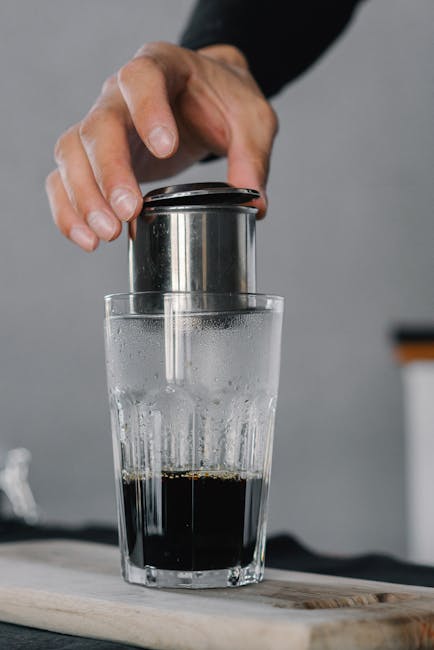
Then there's the phin, the unique brewing device that's a staple of Vietnamese coffee culture. It's a small, metal filter that sits on top of your cup and slowly drips the coffee, creating a concentrated, flavorful brew. Think of it as a pour-over method, but with a distinctly Vietnamese twist.
Finally, there's the sweetness. Condensed milk isn't just a sweetener; it's a crucial element that adds a creamy richness and distinctive flavor that elevates the coffee to a whole new level. It perfectly complements the bitterness of the Robusta beans, creating a harmonious balance that's simply irresistible.
Gathering Your Supplies: What You'll Need to Get Started
Alright, let's get practical. Before you can brew that perfect cup, you'll need to gather your supplies. Here's what you'll need:
- Vietnamese Coffee Beans (Robusta): Look for beans specifically labeled as Vietnamese coffee or Robusta beans. You can find them at Asian grocery stores, specialty coffee shops, or online. A dark roast is generally preferred.
- Phin Filter: This is essential! You can find phin filters online or at Asian markets. They come in different sizes, so choose one that suits your coffee-drinking habits.
- Condensed Milk: Any brand of sweetened condensed milk will work, but I personally prefer Longevity Brand. It's readily available and delivers that classic Vietnamese coffee sweetness.
- Hot Water: Filtered water is always best for brewing coffee, as it allows the true flavors of the beans to shine through.
- A Cup or Glass: This might seem obvious, but choose a cup or glass that you love! The aesthetics of your coffee-drinking experience can definitely enhance the enjoyment.
- Optional: Ice: If you're making iced coffee (Cà Phê Sữa Đá), you'll need a glass full of ice.
Step-by-Step Brewing Guide: From Grind to Sip

Now for the fun part: brewing! Don't worry if it seems a bit daunting at first. With a little practice, you'll be brewing like a pro in no time. Here's my step-by-step guide:
- Grind Your Coffee: Grind your coffee beans to a medium-coarse grind. Think about the consistency of coarse sea salt. If the grind is too fine, the coffee will drip too slowly and may become bitter. If it's too coarse, the coffee will be weak.
- Prepare the Phin: Rinse the phin filter with hot water to warm it up. This helps to ensure even extraction. Disassemble the phin and place the filter chamber on top of your cup or glass.
- Add Condensed Milk: Pour about 2-3 tablespoons of condensed milk into the bottom of your cup. Adjust the amount to your preference. I like mine pretty sweet, so I usually go for the full 3 tablespoons!
- Add Coffee Grounds: Add about 2-3 tablespoons of ground coffee to the phin filter. Gently shake the phin to distribute the grounds evenly.
- Tamp the Coffee: Use the tamping tool that comes with your phin (or the back of a spoon) to gently press down on the coffee grounds. Don't pack it too tightly, or the water won't be able to drip through. A light, even tamp is all you need.
- Bloom the Coffee: Pour a small amount of hot water (about 1-2 tablespoons) over the coffee grounds to "bloom" them. This allows the coffee to degas and release its flavors. Wait about 30 seconds.
- Brew the Coffee: Slowly pour hot water (about 4-6 ounces) over the coffee grounds, filling the phin filter. Cover the phin with the lid.
- Wait Patiently: Now comes the hardest part: waiting! The coffee will slowly drip through the phin filter. This process usually takes about 5-7 minutes. Resist the urge to peek or tamper with the phin. Just let it do its thing.
- Stir and Enjoy: Once all the coffee has dripped through, remove the phin filter. Stir the coffee and condensed milk together until they are well combined.
- Serve and Savor: If you're making hot coffee, enjoy it right away! If you're making iced coffee, pour the coffee over a glass full of ice. Take a sip and savor the rich, sweet, and satisfying flavor of Vietnamese coffee.
Tips and Tricks for Perfecting Your Brew

Want to take your Vietnamese coffee game to the next level? Here are a few tips and tricks I've learned over the years:
- Experiment with the Coffee-to-Water Ratio: The amount of coffee and water you use will affect the strength and flavor of your coffee. Start with the recommended amounts and adjust to your liking.
- Adjust the Grind Size: The grind size is crucial for proper extraction. If the coffee is dripping too slowly, try a slightly coarser grind. If it's dripping too quickly, try a slightly finer grind.
- Use High-Quality Water: Filtered water will always produce a better-tasting cup of coffee.
- Don't Over-Extract: Over-extracted coffee can be bitter. If your coffee is consistently bitter, try reducing the brewing time or using a coarser grind.
- Pre-heat your cup or glass: It keeps the coffee hotter for longer.
- Play with Flavors: While traditional Vietnamese coffee uses just coffee, condensed milk, and water, don't be afraid to experiment! Try adding a pinch of cinnamon, cardamom, or even a splash of vanilla extract to your coffee grounds for a unique twist.
Variations on a Theme: Exploring Different Vietnamese Coffee Drinks

Once you've mastered the basic Vietnamese coffee recipe, you can start exploring different variations. Here are a few of my favorites:
- Cà Phê Sữa Đá (Iced Coffee with Milk): This is the most popular variation. Simply pour your brewed coffee over a glass full of ice. Perfect for a hot day!
- Bạc Xỉu (White Coffee): This is a lighter version of Vietnamese coffee, with more condensed milk than coffee. It's a great option for those who prefer a sweeter and less intense flavor.
- Cà Phê Trứng (Egg Coffee): This is a Hanoi specialty. It's made with egg yolks, sugar, condensed milk, and coffee. The egg yolks are whipped into a creamy, meringue-like foam that sits on top of the coffee. It's rich, decadent, and absolutely delicious!
The Social Aspect: Sharing Vietnamese Coffee with Friends
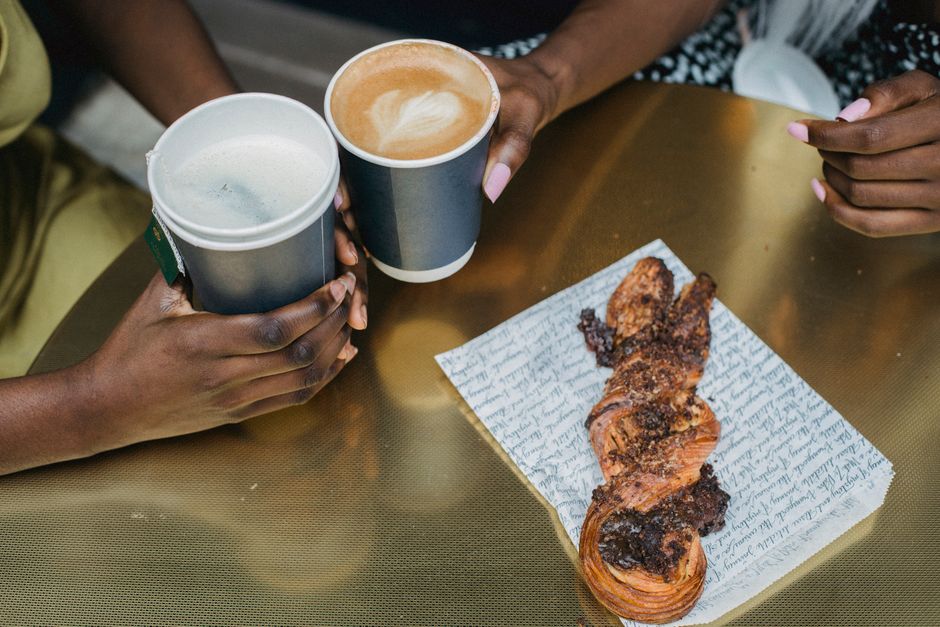
Vietnamese coffee is more than just a drink; it's a social experience. In Vietnam, people often gather at coffee shops to chat, relax, and enjoy a cup of coffee together. It's a time to slow down, connect with friends, and savor the moment.
So, why not invite some friends over and share your newfound coffee-making skills? Brew a batch of Vietnamese coffee, put out some snacks, and enjoy the company of good friends. It's a simple yet meaningful way to create lasting memories.
Beyond the Cup: The Cultural Significance of Vietnamese Coffee

Vietnamese coffee has a rich history and cultural significance. It was introduced to Vietnam by the French in the 19th century and quickly became a part of Vietnamese daily life. Coffee shops sprung up all over the country, becoming centers of social and intellectual life.
Today, Vietnamese coffee is enjoyed by millions of people around the world. It's a symbol of Vietnamese culture and a testament to the country's resilience and creativity.
By learning how to make Vietnamese coffee, you're not just learning how to brew a delicious drink; you're also connecting with a rich cultural tradition. You're becoming a part of a global community of coffee lovers who appreciate the art and craft of coffee making.
Final Thoughts: Embrace the Process and Enjoy the Journey

Making Vietnamese coffee is a journey, not a destination. Don't be afraid to experiment, make mistakes, and learn from your experiences. The more you practice, the better you'll become. And most importantly, remember to enjoy the process! Savor the aroma of the coffee, the slow drip of the phin, and the satisfying taste of that perfect cup.
So, go ahead, grab your phin, some Robusta beans, and a can of condensed milk, and embark on your own Vietnamese coffee adventure. You might just discover your new favorite coffee drink!

Post a Comment for "The Art of Making Vietnamese Coffee: From Rich Brew to Satisfying Sip"
Post a Comment