Street Photography in Vietnam: My Favorite Spots & Tips for Capturing the Soul

Street Photography in Vietnam: My Favorite Spots & Tips for Capturing the Soul
Hey there, fellow photography enthusiast! I'm absolutely buzzing to share my passion for street photography, especially when it comes to the vibrant and captivating country that is Vietnam. Over the years, I've spent countless hours wandering its bustling streets, camera in hand, and I've fallen head over heels for the unique stories and visual feasts that Vietnam offers at every turn. Forget postcard-perfect landscapes (though those are stunning too!), street photography lets you dive deep into the real heart of a place, capturing the authentic rhythm of daily life. So, grab a cup of Vietnamese coffee (ca phe sua da, anyone?), and let's embark on a journey through my favorite street photography spots in Vietnam, along with some hard-earned tips to help you make the most of your photographic adventure.
Hanoi's Old Quarter: A Timeless Tapestry

Ah, Hanoi's Old Quarter! It's more than just a location; it's an experience. Imagine narrow, winding streets, each named after the goods once traded there. Think "Hang Bac" for silver, "Hang Gai" for silk, and so on. The history is palpable, seeping from the ancient buildings and the weathered faces of the vendors. This is where I truly fell in love with street photography.
What to Expect:
- Cyclo Traffic: The iconic cyclo is still around, though less prevalent than scooters. Catching one weaving through traffic makes for a classic Hanoi shot.
- Street Food Vendors: From pho to banh mi to bun cha, the Old Quarter is a foodie paradise. Capturing the preparation and enjoyment of these dishes provides a real taste of Hanoi life. Don't be afraid to ask vendors if you can take their photo – a friendly smile and a gesture often suffice.
- The Elderly: Early mornings are the best time to photograph the older generation practicing tai chi or simply socializing. Their faces tell stories that history books can't.
- Motorbike Mayhem: Embrace the organized chaos of the motorbike traffic. Find a vantage point – a bridge or an elevated cafe – to capture the sheer scale of it.
My Top Spots in the Old Quarter:
- Ta Hien Street (Beer Street): This is a great spot in the evening for capturing the lively atmosphere as locals and tourists relax and enjoy a cold beer.
- Hoan Kiem Lake: Perfect for early morning shots of locals exercising or feeding the turtles. The iconic red Huc Bridge is also a must-photograph.
- Dong Xuan Market: A sensory overload! Capture the vibrant colors of the produce, the haggling between vendors and customers, and the sheer hustle and bustle of this massive market.
Tips for Shooting in Hanoi's Old Quarter:
- Be Respectful: Always ask permission before photographing someone, especially the elderly. A simple "xin chao" (hello) and a smile go a long way.
- Be Aware of Your Surroundings: The streets are crowded and traffic is hectic. Pay attention to where you're walking to avoid accidents.
- Shoot in the Early Morning or Late Afternoon: The light is softer and more flattering during these times, and the streets are less crowded.
- Use a Versatile Lens: A zoom lens (like a 24-70mm) is ideal for capturing both wide scenes and close-up details.
Hoi An: Ancient Charm and Lantern-Lit Evenings

Hoi An, a UNESCO World Heritage site, is a photographer's dream. Its beautifully preserved architecture, colorful lanterns, and serene atmosphere create a truly magical setting. While it's undeniably touristy, you can still find authentic moments if you venture beyond the main streets.
What to Expect:
- Tailors: Hoi An is famous for its tailoring. Capture the skilled artisans at work, measuring, cutting, and sewing.
- Lanterns: The lanterns are the stars of the show, especially at night. Experiment with different exposures and compositions to capture their beauty.
- The Japanese Covered Bridge: An iconic landmark, but it can get very crowded. Try shooting it from different angles, or visit early in the morning to avoid the crowds.
- Riverside Life: Capture the scenes along the Thu Bon River – fishermen casting their nets, boats gliding by, and families relaxing on the banks.
My Top Spots in Hoi An:
- The Backstreets: Get lost in the maze of alleyways and discover hidden gems – local workshops, temples, and street food stalls.
- The Central Market: A vibrant and chaotic market where you can capture the daily life of the locals.
- An Bang Beach: A short taxi ride from Hoi An, this beach offers beautiful sunsets and a glimpse into local fishing life.
Tips for Shooting in Hoi An:
- Shoot at Night: Hoi An is especially beautiful at night when the lanterns are lit. Use a tripod or a fast lens to capture sharp images.
- Focus on Details: Pay attention to the small details that make Hoi An unique – the textures of the buildings, the patterns of the lanterns, and the expressions on people's faces.
- Talk to the Locals: Hoi An locals are generally friendly and welcoming. Take the time to chat with them and learn about their lives.
- Experiment with Different Lenses: A wide-angle lens is great for capturing the overall atmosphere, while a telephoto lens can be used to isolate specific subjects.
Ho Chi Minh City (Saigon): A Modern Metropolis with a Traditional Heart
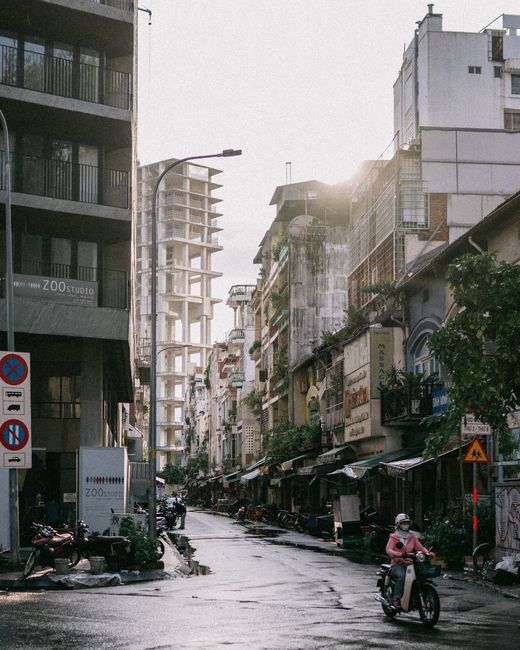
Ho Chi Minh City, formerly Saigon, is a stark contrast to Hanoi. It's a bustling metropolis with a modern skyline, but it still retains a strong sense of Vietnamese culture. The energy here is infectious, and there are countless opportunities for street photography.
What to Expect:
- Modern Architecture: Capture the city's impressive skyscrapers and modern buildings.
- Street Performers: You'll often find street performers in the city center, adding to the vibrant atmosphere.
- Coffee Culture: Saigon has a thriving coffee culture. Capture people enjoying their coffee at street-side cafes.
- Historical Landmarks: The city is home to several historical landmarks, such as the Notre-Dame Cathedral and the Central Post Office.
My Top Spots in Ho Chi Minh City:
- District 1 (City Center): The heart of the city, with its iconic landmarks and bustling streets.
- Ben Thanh Market: A large and chaotic market where you can find everything from souvenirs to street food.
- Cholon (Chinatown): A vibrant and colorful area with a unique cultural atmosphere.
Tips for Shooting in Ho Chi Minh City:
- Be Aware of Your Belongings: Ho Chi Minh City is a busy city, so be aware of your surroundings and keep your belongings safe.
- Use Public Transportation: The city has a good public transportation system, which makes it easy to get around.
- Shoot During Rush Hour: The traffic in Saigon is legendary. Capturing the motorbike rush hour can be a truly memorable experience.
- Explore Different Neighborhoods: Each neighborhood in Saigon has its own unique character. Take the time to explore different areas and discover hidden gems.
Sapa: Hill Tribe Culture and Breathtaking Landscapes

Okay, Sapa isn't strictly street photography in the traditional sense, but hear me out! The unique hill tribe culture and stunning landscapes provide incredible opportunities for capturing portraits and documenting a way of life that's rapidly changing. It's a chance to photograph people in their traditional clothing, against the backdrop of rice terraces that seem to cascade into the clouds.
What to Expect:
- Hill Tribe People: The Hmong, Dao, and other ethnic minorities are a huge part of Sapa's charm. Be respectful and ask permission before taking their photos. Often, they'll appreciate a small donation.
- Rice Terraces: The rice terraces are a breathtaking sight, especially during the harvest season.
- Foggy Weather: Sapa is often shrouded in fog, which can create a moody and atmospheric effect.
- Local Markets: The markets are a great place to capture the local culture and photograph the vibrant colors of the produce and handicrafts.
My Top Spots in Sapa:
- Cat Cat Village: A traditional Hmong village located a short walk from Sapa town.
- Lao Chai and Ta Van Villages: Two more traditional villages located in the Muong Hoa Valley.
- Fansipan Peak: The highest peak in Indochina, offering stunning views of the surrounding mountains and rice terraces. (Take the cable car up!)
Tips for Shooting in Sapa:
- Hire a Local Guide: A local guide can help you navigate the area and connect with the hill tribe people.
- Dress Appropriately: Sapa can be cold and wet, so dress in layers and bring waterproof clothing.
- Bring a Rain Cover for Your Camera: The weather in Sapa is unpredictable, so be prepared for rain.
- Focus on Connection: More than anywhere else on this list, Sapa is about connecting with the people. Smile, engage, and show genuine interest in their culture.
General Tips for Street Photography in Vietnam
No matter where you are in Vietnam, these general tips will help you capture better street photos:
- Learn a Few Basic Vietnamese Phrases: "Xin chao" (hello), "cam on" (thank you), and "xin loi" (excuse me) will go a long way.
- Be Patient: Great street photos often require waiting for the right moment.
- Don't Be Afraid to Experiment: Try different angles, compositions, and settings.
- Review Your Photos Regularly: This will help you identify what's working and what's not.
- Embrace the Unexpected: Street photography is all about capturing the unpredictable moments of daily life.
- Learn to Shoot from the Hip: This can help you capture candid moments without being too intrusive. Practice makes perfect!
- Pay Attention to Light and Shadow: Light can dramatically affect the mood and impact of your photos.
Gear Recommendations

You don't need fancy equipment to take great street photos. However, a few key pieces of gear can make your life easier:
- A Compact Camera or Mirrorless Camera: These cameras are lightweight and discreet, making them ideal for street photography.
- A Versatile Lens: A zoom lens like a 24-70mm or a prime lens like a 35mm or 50mm are great options.
- Extra Batteries and Memory Cards: You don't want to run out of power or storage space in the middle of a shoot.
- A Comfortable Camera Strap: You'll be carrying your camera around for long periods of time, so a comfortable strap is essential.
Street photography in Vietnam is an incredible experience. It's a chance to connect with a different culture, capture stunning images, and create lasting memories. By following these tips and exploring these amazing locations, you'll be well on your way to capturing the soul of Vietnam through your lens. So, what are you waiting for? Book your flight, pack your camera, and get ready for an unforgettable photographic adventure!

Post a Comment for "Street Photography in Vietnam: My Favorite Spots & Tips for Capturing the Soul"
Post a Comment