Staying Healthy in Vietnam: A Delicious (and Safe!) Adventure

Staying Healthy in Vietnam: A Delicious (and Safe!) Adventure
Hey there, fellow travelers! So, you're planning a trip to Vietnam? Awesome! Get ready for a sensory explosion of incredible food, stunning landscapes, and fascinating culture. But, like any adventure to a new corner of the world, staying healthy is key to truly enjoying your experience. I've spent a good chunk of time exploring Vietnam, from the bustling streets of Hanoi to the serene rice paddies of Sapa, and I want to share my insights on navigating the food, water, and vaccination scene so you can have an unforgettable – and healthy – trip.
Food Glorious Food (and How to Eat It Safely)

Oh, Vietnamese food! Where do I even begin? It's fresh, flavorful, and incredibly diverse. From the iconic pho (noodle soup) to the crispy banh mi (sandwich), and the flavorful bun cha (grilled pork with noodles), your taste buds are in for a serious treat. The good news is, most food in Vietnam is perfectly safe to eat, especially if you follow a few simple guidelines.
Let's dive in to some tips I've learned over the years to savor Vietnamese cuisine without any unpleasant surprises:
- Choose Busy Eateries: This is my golden rule! Places with a high turnover of customers are generally a safer bet. A bustling restaurant means fresh ingredients are being used and cooked regularly. Think of it like this: if locals are eating there, it's probably good (and safe!).
- Observe Hygiene Practices: Take a quick look around. Does the restaurant appear clean? Are food handlers wearing gloves or using utensils? While standards may not always be Western-level, a quick observation can give you a good sense of their hygiene practices.
- Eat Hot Food, Piping Hot!: Heat kills bacteria. Make sure your food is cooked thoroughly and served hot. Soups are generally a great choice for this reason!
- Be Wary of Raw Foods: Raw seafood, salads, and uncooked vegetables can sometimes harbor bacteria. While I love a good fresh spring roll, I tend to stick to cooked options when I'm unsure of the restaurant's standards.
- Fresh is Best: If you're buying fruit, choose whole, uncut pieces that you can peel yourself. This minimizes the risk of contamination.
My Personal Food Adventures (and Misadventures): I remember once being so excited to try a local delicacy at a small, out-of-the-way stall. It looked delicious, but I didn't pay attention to the hygiene. Let's just say I spent the next day regretting that decision. Lesson learned! Now, I always prioritize busy, seemingly clean spots, even if it means missing out on that hidden gem. (Though, I've also found some amazing, clean hidden gems, so don't be afraid to explore – just be mindful!).
Water, Water Everywhere (But Not a Drop to Drink?)
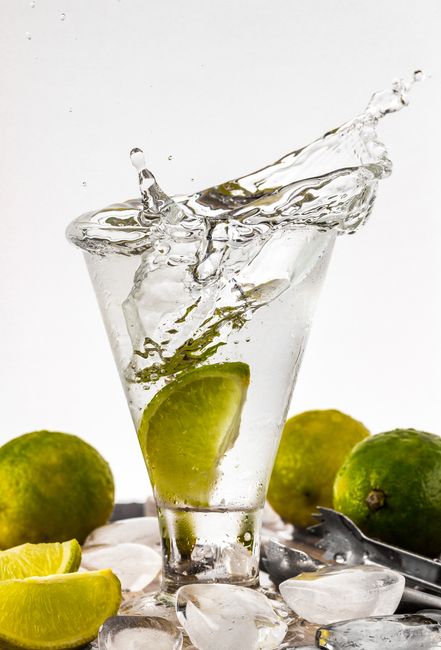
Okay, this is a big one. Do NOT drink tap water in Vietnam. I repeat, DO NOT DRINK TAP WATER. It's not treated to the same standards as in many Western countries and can contain bacteria and parasites that will ruin your trip faster than you can say "pho."
Here's how to stay hydrated safely:
- Bottled Water is Your Best Friend: Stick to bottled water from reputable brands. Make sure the seal is intact before you open it. It's readily available everywhere, from convenience stores to street vendors.
- Check the Ice: Avoid ice in your drinks unless you're sure it's made from purified water. Many establishments use commercially produced ice, which is generally safe, but when in doubt, skip the ice.
- Be Careful with Drinks from Street Vendors: While those refreshing sugarcane juices and fruit smoothies look tempting, be mindful of the water and ice used. Ask if they use bottled water or purified ice. If you're unsure, it's best to pass.
- Boiled Water is Safe: Coffee and tea are usually safe to drink, as the water is boiled. Just make sure the cups and utensils are clean.
My Water Wisdom: I always carry a reusable water bottle and refill it with bottled water. It's eco-friendly and saves money! I also learned the hard way about ice. During my first trip, I ordered a delicious iced coffee from a street vendor. Let's just say the next few days were…uncomfortable. Now, I always ask about the ice source.
Vaccinations: Getting the Right Shots Before You Go

Before you even pack your bags, it's essential to talk to your doctor about vaccinations. They can assess your individual health needs and recommend the appropriate vaccines for Vietnam. Don't skip this step! It could save you from serious illness.
Generally recommended vaccinations for Vietnam often include:
- Hepatitis A: Spread through contaminated food and water, this is a common recommendation.
- Typhoid: Another one transmitted through contaminated food and water.
- Tetanus-Diphtheria-Pertussis (Tdap): Make sure you're up to date on your routine vaccinations.
- Japanese Encephalitis: This mosquito-borne illness is more common in rural areas. Your doctor can advise you on whether you need this vaccine based on your itinerary.
- Rabies: If you plan on spending time in rural areas or interacting with animals, consider the rabies vaccine.
Depending on your specific travel plans and health history, your doctor might also recommend:
- Malaria Medication: Malaria is present in some parts of Vietnam, particularly rural areas. Talk to your doctor about preventative medication.
- Hepatitis B: Recommended for travelers who might have contact with blood or bodily fluids.
- Yellow Fever: This is typically only required if you're coming from a country with a risk of yellow fever transmission.
Vaccination Timing is Key: It's best to see your doctor at least 4-6 weeks before your trip, as some vaccines require multiple doses or time to become effective. Also, remember to bring your vaccination record with you on your trip, just in case.
My Vaccination Experience: I always feel better knowing I've taken the necessary precautions. I remember feeling a bit nervous about getting all the shots, but it was a small price to pay for the peace of mind. Plus, it meant I could focus on enjoying my trip without constantly worrying about getting sick.
Dealing with Mosquitoes (and Other Pesky Critters)
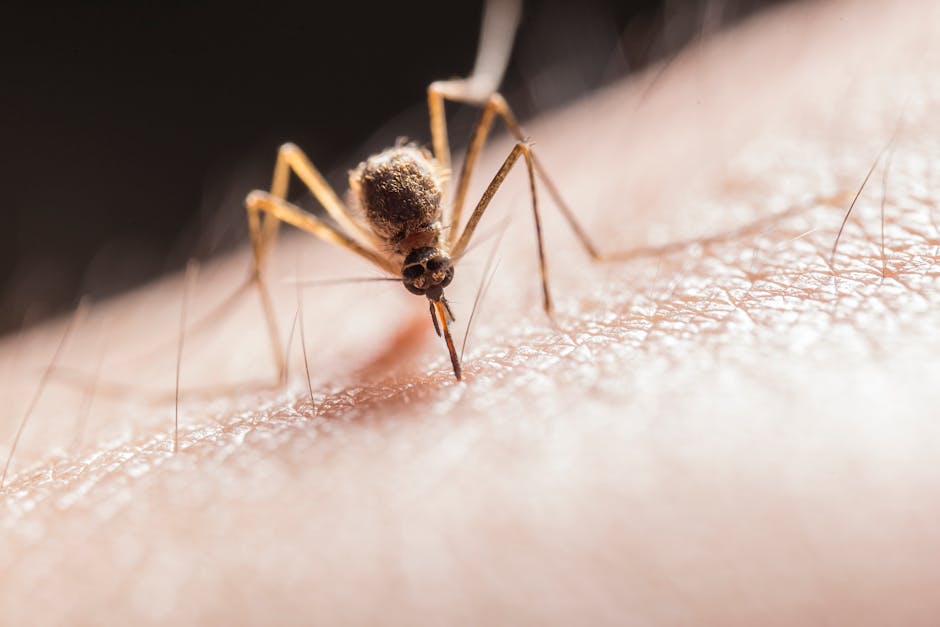
Mosquitoes are a fact of life in Vietnam, especially during the rainy season. And while they can be annoying, they can also transmit diseases like dengue fever, Zika virus, and Japanese encephalitis. So, protecting yourself from mosquito bites is crucial.
Here's my mosquito-fighting strategy:
- DEET is Your Friend: Use a mosquito repellent containing DEET. Apply it liberally to exposed skin, especially in the evenings.
- Long Sleeves and Pants: Wear long-sleeved shirts and pants, especially during dawn and dusk when mosquitoes are most active.
- Mosquito Nets: If you're staying in budget accommodations or rural areas, consider using a mosquito net over your bed.
- Avoid Standing Water: Mosquitoes breed in stagnant water. Avoid areas with standing water, like puddles and ponds.
Beyond Mosquitoes: Be aware of other potential critters like leeches (especially in jungle areas) and stray dogs. Wear appropriate footwear in jungle settings and avoid approaching stray animals.
Travel Insurance: Your Safety Net

No matter how careful you are, unexpected things can happen. That's where travel insurance comes in. It can cover medical expenses, lost luggage, trip cancellations, and other unforeseen events.
When choosing travel insurance, make sure it covers:
- Medical Expenses: Including hospital stays, doctor visits, and medication.
- Emergency Evacuation: In case you need to be transported to a better medical facility.
- Trip Cancellation or Interruption: If you have to cancel or cut your trip short due to illness or other reasons.
- Lost or Stolen Belongings: Including your passport, luggage, and electronics.
Read the Fine Print: Before you purchase travel insurance, carefully read the policy to understand what it covers and what it doesn't. Pay attention to exclusions and limitations.
General Health Tips for a Smooth Trip

Besides the specific precautions for food, water, and vaccinations, here are a few general health tips to keep in mind:
- Wash Your Hands Frequently: Use soap and water or hand sanitizer, especially before eating.
- Get Enough Sleep: Traveling can be tiring. Make sure you get enough rest to stay healthy and energized.
- Stay Hydrated: Drink plenty of bottled water throughout the day.
- Protect Yourself from the Sun: Wear sunscreen, a hat, and sunglasses to protect yourself from the sun's harmful rays.
- Listen to Your Body: If you start feeling unwell, don't ignore it. Seek medical attention if needed.
- Pack a Basic First-Aid Kit: Include essentials like pain relievers, bandages, antiseptic wipes, and any personal medications you need.
Finding Medical Care in Vietnam
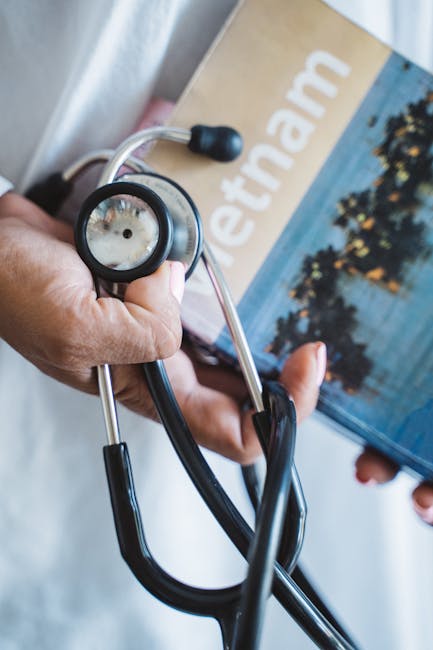
If you do need medical attention in Vietnam, there are several options available:
- International Hospitals: Cities like Hanoi and Ho Chi Minh City have international hospitals with English-speaking doctors and Western standards of care. These are generally the most expensive option but offer the highest level of comfort and service.
- Local Hospitals: Local hospitals are less expensive but may have fewer English-speaking staff and lower standards of care.
- Pharmacies: Pharmacies are readily available and can provide over-the-counter medications and advice for minor ailments.
Final Thoughts: Embrace the Adventure (Safely!)

Vietnam is an incredible destination with so much to offer. By taking these simple precautions, you can minimize your risk of getting sick and focus on enjoying your adventure to the fullest. Don't let worries about health hold you back from experiencing the magic of Vietnam! With a little planning and common sense, you can have a safe, healthy, and unforgettable trip. Now go out there, explore, eat some amazing food, and make some memories!
 Adventure)
Post a Comment for "Staying Healthy in Vietnam: A Delicious (and Safe!) Adventure"
Post a Comment