Navigating Vietnam's Rails: A Friendly Guide to Booking and Riding the Vietnamese Train System
Navigating Vietnam's Rails: A Friendly Guide to Booking and Riding the Vietnamese Train System
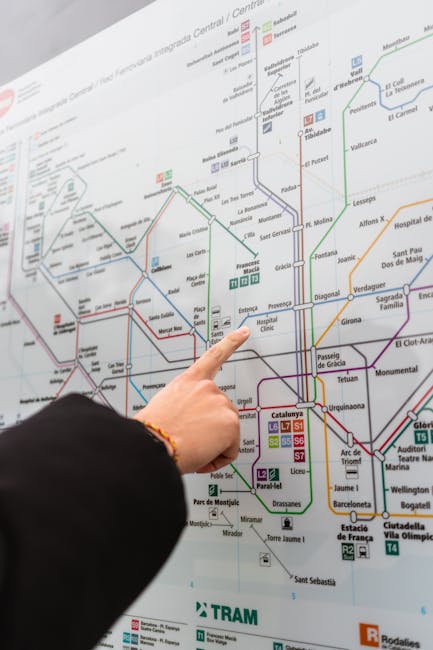
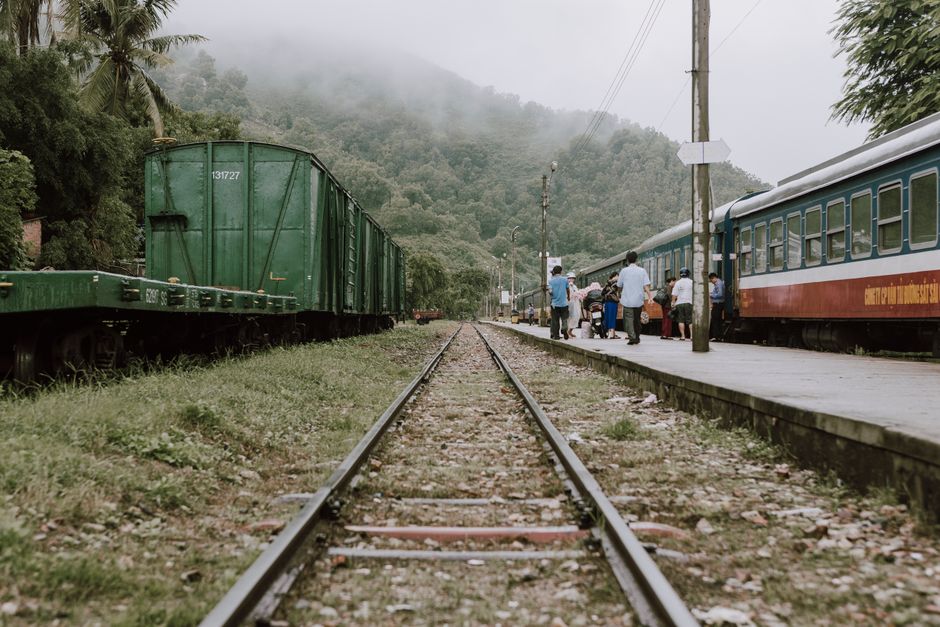
Hey there, fellow travel enthusiast! Vietnam, with its bustling cities, serene landscapes, and delicious cuisine, is a country that captivates the soul. But getting around this long, beautiful country can sometimes feel a bit daunting. While buses and flights are options, there's something truly special about experiencing Vietnam from the window of a train. It's a chance to slow down, soak in the scenery, and connect with the local culture in a way that other modes of transport just can't offer. I've spent a fair bit of time chugging along Vietnam's railways, and I'm here to share my experiences and tips to help you navigate the booking process and enjoy a smooth, memorable train journey.
Why Choose the Train in Vietnam?
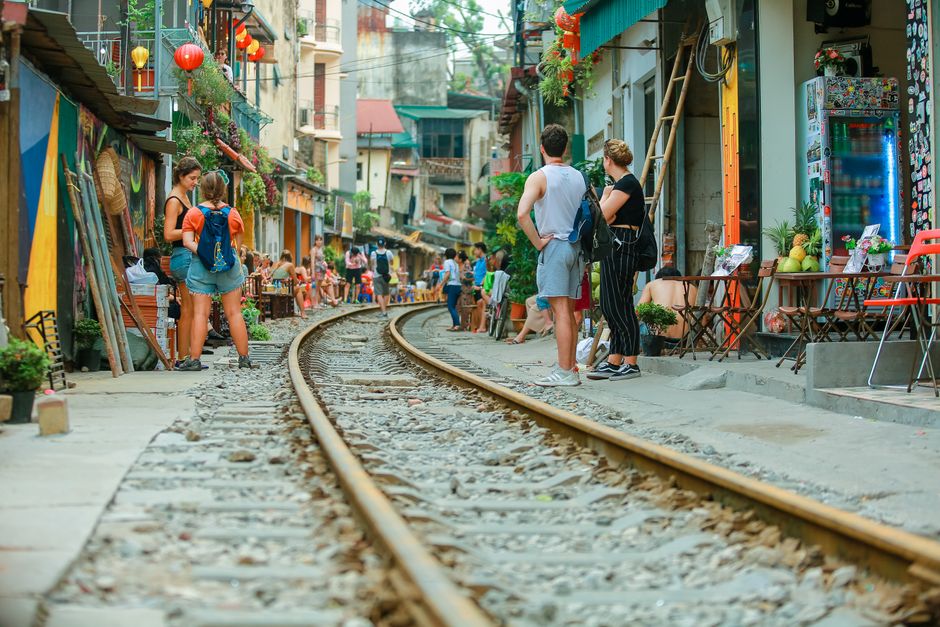
Okay, so you might be thinking, "Why choose the train over a quick flight or a budget-friendly bus?" That's a fair question! Here's what I've found so appealing about train travel in Vietnam:
- Scenic Views: Forget staring at the back of a seat or a cloudy sky. Train journeys offer breathtaking views of rice paddies, coastlines, mountains, and rural villages. It's like having a constantly changing postcard right outside your window.
- Comfort and Space: Compared to buses, trains offer more legroom and the ability to get up and walk around. You can stretch your legs, grab a snack from the dining car, or just enjoy the freedom of movement.
- Meeting Locals: Train travel provides a fantastic opportunity to interact with Vietnamese people. Strike up a conversation, share some food, and learn about their lives. I've had some truly memorable encounters on Vietnamese trains.
- Safety: In my experience, trains are a generally safe and reliable mode of transport in Vietnam. While petty theft can occur (as in any public space), the risk is generally low.
- Avoiding Traffic: Vietnam's roads can be chaotic, especially in big cities. Train travel allows you to bypass the traffic jams and enjoy a more relaxed journey.
Understanding Vietnam's Train Routes and Classes

The main train line in Vietnam is the North-South Railway, often called the "Reunification Express," which stretches from Hanoi in the north to Ho Chi Minh City (Saigon) in the south. This line connects major cities like Hue, Da Nang, and Nha Trang.
Within this line, there are several different train numbers, such as SE1, SE2, SE3, SE4, and so on. The "SE" trains are generally considered the faster and more modern options, while others might make more stops and take longer.
Train Classes: It's important to understand the different classes of accommodation available on Vietnamese trains. This is where things can get a little confusing, so let's break it down:
- Soft Sleeper (Khoang 4 Nằm Mềm): This is the most comfortable option, offering four berths per cabin (two upper and two lower). The beds are padded, and you'll usually have a small table and reading light. This is my go-to choice for overnight journeys.
- Hard Sleeper (Khoang 6 Nằm Cứng): This is a more budget-friendly sleeper option with six berths per cabin (two upper, two middle, and two lower). The beds are less padded than the soft sleeper, but still offer a place to lie down and get some rest.
- Soft Seat (Ghế Mềm): These are comfortable, padded seats that recline slightly. They're a good option for shorter daytime journeys.
- Hard Seat (Ghế Cứng): These are wooden or plastic seats. They're the cheapest option, but not recommended for long journeys. Think of them as a last resort.
Pro Tip: When booking a sleeper berth, the lower berths are generally more desirable as they're easier to access and offer a slightly better view. They also tend to be slightly more expensive.
Booking Your Train Ticket: Online vs. In Person

Now, let's get down to the nitty-gritty: how to actually book your train ticket. You have two main options: booking online or buying your ticket in person at the train station.
Booking Online: This is generally the most convenient option, especially if you're planning your trip in advance or traveling during peak season (such as Tet holiday or summer vacation). Several websites offer online booking services:
- dsvn.vn (Vietnam Railways Official Website): This is the official website of Vietnam Railways. While it can be a bit clunky to navigate and sometimes only available in Vietnamese (use Google Translate!), it's the most direct way to book and often offers the best prices. You might need to create an account and use a local payment method, which can be tricky for foreigners.
- Baolau.com and 12Go.Asia: These are third-party booking platforms that offer a more user-friendly interface and accept international credit cards. They often charge a small booking fee, but the convenience can be worth it. These are my preferred options for ease of use.
Booking in Person: If you're already in Vietnam and have some flexibility, you can buy your ticket directly at the train station. This can be a good option if you want to avoid online booking fees or if you have specific questions you want to ask the staff. However, be prepared for potential language barriers and the possibility that your preferred train or class might be sold out, especially during peak season.
My Experience: I've used both methods, and I generally prefer booking online through Baolau or 12Go.Asia. The convenience and the ability to compare different trains and classes easily outweigh the small booking fee. However, if I'm already in Vietnam and traveling during the off-season, I might consider buying my ticket in person to save a few bucks and practice my Vietnamese!
Step-by-Step Guide to Booking Online (using Baolau as an example)
Let's walk through the process of booking a train ticket online using Baolau.com as an example. The process is similar on other platforms like 12Go.Asia.
- Visit Baolau.com: Go to the Baolau website.
- Enter Your Travel Details: Enter your departure city, destination city, and travel date.
- Choose Your Train: Browse the available trains and select the one that best suits your schedule and budget. Pay attention to the train number (e.g., SE1, SE3), the departure and arrival times, and the class of accommodation.
- Select Your Class and Berth: Choose your preferred class of accommodation (e.g., Soft Sleeper, Hard Sleeper) and, if available, select your preferred berth (upper or lower).
- Enter Passenger Details: Enter the passenger details, including full name, passport number, and nationality. Make sure to enter the information accurately, as it will be checked when you board the train.
- Review Your Booking: Carefully review your booking details to ensure everything is correct.
- Make Payment: Choose your preferred payment method and enter your payment information. Baolau accepts major credit cards.
- Receive Your E-Ticket: Once your payment is processed, you will receive an e-ticket via email. You can either print out your e-ticket or save it to your smartphone.
Important Note: Some trains require you to exchange your e-ticket for a physical ticket at the train station before boarding. This will be indicated on your e-ticket. If this is the case, arrive at the station at least an hour before your departure time to allow ample time for the exchange.
Tips for a Smooth and Enjoyable Train Journey
Okay, you've booked your ticket, and you're ready to hop on the train! Here are some tips to help you have a smooth and enjoyable journey:
- Arrive Early: Arrive at the train station at least 30 minutes before your departure time, especially if you need to exchange your e-ticket for a physical ticket.
- Pack Snacks and Drinks: While there's usually a dining car on the train, the selection can be limited and the prices can be higher. Pack your own snacks and drinks to keep yourself satisfied. Instant noodles are a popular choice among locals!
- Bring Entertainment: Download movies, podcasts, or audiobooks to keep yourself entertained during long journeys. Don't forget your headphones!
- Learn Some Basic Vietnamese Phrases: Knowing a few basic Vietnamese phrases, such as "xin chào" (hello), "cảm ơn" (thank you), and "tôi không hiểu" (I don't understand), can go a long way in interacting with locals.
- Be Aware of Your Belongings: While trains are generally safe, it's always a good idea to keep an eye on your belongings, especially in crowded areas. Don't leave valuables unattended.
- Bring a Travel Pillow and Eye Mask: If you're taking an overnight train, a travel pillow and eye mask can help you get a better night's sleep.
- Embrace the Experience: Train travel in Vietnam is an adventure in itself. Embrace the slow pace, the beautiful scenery, and the opportunity to connect with locals.
Dealing with Potential Challenges

Even with careful planning, things don't always go perfectly. Here are some potential challenges you might encounter and how to deal with them:
- Language Barriers: Not everyone in Vietnam speaks English. Be patient, use gestures, and try to learn some basic Vietnamese phrases. Google Translate can also be a lifesaver.
- Crowded Trains: Trains can be crowded, especially during peak season. Be prepared to share your space and be patient.
- Delays: Train delays can happen. Be flexible and don't schedule tight connections.
- Hygiene: The cleanliness of train toilets can vary. Bring your own toilet paper and hand sanitizer.
Essential Vietnamese Phrases for Train Travel
Here are a few essential Vietnamese phrases that will come in handy during your train journey:
- Xin chào: Hello
- Cảm ơn: Thank you
- Xin lỗi: Excuse me/Sorry
- Tôi không hiểu: I don't understand
- Nhà ga ở đâu?: Where is the train station?
- Vé đi [destination] giá bao nhiêu?: How much is a ticket to [destination]?
- Tàu đến lúc mấy giờ?: What time does the train arrive?
- Giúp tôi với!: Help me!
My Favorite Vietnamese Train Journeys
If I had to recommend a few specific train journeys in Vietnam, these would be my top picks:
- Hanoi to Sapa (Night Train to Lao Cai): While you don't actually take the train to Sapa (you take a bus from Lao Cai), the overnight train journey to Lao Cai is an experience in itself. It's a great way to save time and wake up ready to explore the stunning mountain scenery of Sapa.
- Hue to Da Nang: This is arguably one of the most scenic train journeys in Vietnam. The train winds its way along the coast, offering breathtaking views of the beaches, mountains, and Hai Van Pass.
- Nha Trang to Ho Chi Minh City: This journey offers a mix of coastal scenery and rural landscapes. It's a great way to see the diverse landscapes of southern Vietnam.
Final Thoughts

Taking the train in Vietnam is more than just a way to get from point A to point B; it's an opportunity to immerse yourself in the country's culture, connect with its people, and witness its stunning beauty from a unique perspective. While the booking process might seem a bit daunting at first, with a little preparation and these tips, you can navigate the Vietnamese train system with confidence and enjoy a truly unforgettable travel experience. So, go ahead, book your ticket, hop on board, and get ready for an adventure!

Post a Comment for "Navigating Vietnam's Rails: A Friendly Guide to Booking and Riding the Vietnamese Train System"
Post a Comment