Navigating Vietnam: Your Guide to Buying the Perfect SIM Card

Navigating Vietnam: Your Guide to Buying the Perfect SIM Card
Hey there, fellow traveler! Planning a trip to Vietnam? Awesome choice! From the bustling streets of Hanoi to the serene beauty of Ha Long Bay, Vietnam is a sensory explosion waiting to happen. But before you get swept away by the delicious pho and captivating culture, let's talk about something essential: staying connected. Trust me, a local SIM card will be your best friend, whether you're navigating chaotic traffic with Google Maps, sharing stunning photos on Instagram, or simply staying in touch with loved ones back home. So, let's dive into everything you need to know about buying a SIM card in Vietnam. I've learned a lot from my own trips there, and I'm excited to share it all with you!
Why You Need a Local SIM Card in Vietnam

Okay, so you might be thinking, "Can't I just use the Wi-Fi?" Sure, many hotels, cafes, and restaurants offer free Wi-Fi. But relying solely on Wi-Fi in Vietnam can be a frustrating experience. Here's why a local SIM card is the way to go:
- Convenience and Reliability: Wi-Fi can be spotty or unavailable, especially when you're out exploring or traveling between cities. A SIM card ensures you're always connected.
- Cost-Effectiveness: Roaming charges from your home country can be incredibly expensive. A local SIM card offers much more affordable data and call rates.
- Navigation: Imagine trying to navigate the intricate alleyways of Hanoi's Old Quarter without Google Maps. A SIM card allows you to use navigation apps without constantly searching for Wi-Fi.
- Communication: Need to book a Grab (Southeast Asia's equivalent of Uber), call a local restaurant, or communicate with your tour guide? A local SIM card makes it easy and affordable.
- Peace of Mind: Knowing you can easily contact family and friends back home in case of an emergency provides invaluable peace of mind.
Honestly, the small investment in a SIM card is totally worth the convenience and peace of mind it provides. I remember one time, my motorbike broke down in the middle of nowhere. Without a SIM card, I would have been stranded! Thankfully, I could call for help. Lesson learned!
Choosing the Right SIM Card Provider in Vietnam

Vietnam has several mobile network operators, each offering various SIM card options. The most popular and reliable providers are:
- Viettel: This is the largest mobile network operator in Vietnam, with excellent coverage throughout the country, even in remote areas. I've always found Viettel to be super reliable, even when trekking in the mountains.
- Vinaphone: Vinaphone is another major player, offering good coverage and competitive prices. They're a solid choice if you're not planning on venturing too far off the beaten path.
- Mobifone: Mobifone is also widely used and offers a good balance of coverage and price. They often have promotions targeted at tourists.
My personal recommendation would be Viettel, especially if you plan to travel to more rural areas. Their coverage is just unmatched. However, Vinaphone and Mobifone are perfectly acceptable options, particularly if you're primarily staying in major cities.
Understanding SIM Card Plans and Data Packages

Now, let's talk about the different plans and data packages offered by these providers. This can be a little overwhelming at first, but I'll break it down for you. Generally, you'll have two main options:
- Prepaid SIM Cards: These are the most popular choice for tourists. You purchase a SIM card with a pre-determined amount of credit, which you can then use for calls, texts, and data. You can easily top up your credit at convenience stores or mobile network operator stores.
- Postpaid SIM Cards: These are less common for tourists as they require a contract and proof of residency. Stick to prepaid – it's much simpler!
When choosing a prepaid SIM card, consider how much data you'll need. If you're a heavy user (lots of streaming, social media, and video calls), opt for a larger data package. If you primarily use your phone for navigation and occasional browsing, a smaller package will suffice.
Here's a general idea of what you can expect from each provider (prices are approximate and subject to change, so always double-check):
- Viettel:
- V90: 60GB of data per month, plus free on-net calls (Viettel to Viettel) for around 90,000 VND (about $4 USD).
- ST90: 30GB of data per month for around 90,000 VND.
- Vinaphone:
- VD120: 30GB of data per month, plus free on-net calls for around 120,000 VND (about $5 USD).
- D50: 5GB of data for 30 days for around 50,000 VND.
- Mobifone:
- Data packages starting from 50,000 VND for a few GB of data to around 100,000 VND for larger packages. They often have tourist-specific promotions.
Pro Tip: Look for SIM cards specifically designed for tourists. These often come with pre-loaded data and international call minutes, making them a great value.
Where to Buy Your SIM Card in Vietnam

You have several options for purchasing a SIM card in Vietnam:
- Airports: This is the easiest option, as you can buy a SIM card as soon as you arrive. However, prices at airports tend to be slightly higher than elsewhere. But hey, the convenience factor is undeniable!
- Mobile Network Operator Stores: Viettel, Vinaphone, and Mobifone all have stores in major cities. This is a good option if you want to compare plans and get assistance from a sales representative.
- Convenience Stores: Many convenience stores, like Circle K and FamilyMart, sell SIM cards. This is a convenient option if you don't want to go out of your way to find a mobile network operator store.
- Authorized Dealers: You'll find numerous authorized dealers selling SIM cards throughout Vietnam. Be sure to check their credentials to ensure they're legitimate.
I usually buy my SIM card at the airport for the sheer convenience. Yes, it might cost a dollar or two more, but after a long flight, I just want to get connected and get going! On subsequent trips, I might top up at a convenience store.
The Buying Process: What to Expect
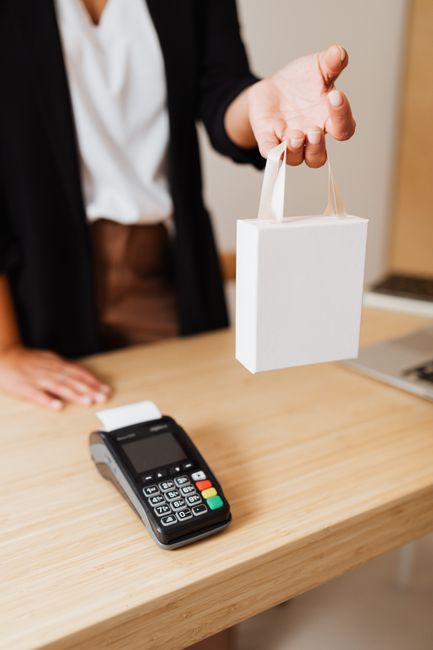
The process of buying a SIM card in Vietnam is generally straightforward. Here's what you can expect:
- Choose Your Provider and Plan: Decide which provider and data package best suits your needs.
- Provide Identification: You'll typically need to show your passport for registration. This is a legal requirement in Vietnam.
- Pay for the SIM Card and Plan: Prices vary depending on the provider and plan you choose.
- Activation: The SIM card is usually activated immediately by the seller. They'll insert the SIM card into your phone and ensure it's working properly.
Important Note: Ensure the SIM card is properly registered in your name. This is important for security reasons and can prevent issues later on.
Activating and Topping Up Your SIM Card

Activating your SIM card is usually done by the seller at the point of purchase. However, if you need to activate it yourself, follow the instructions provided with the SIM card. This usually involves dialing a specific code.
Topping up your credit is easy. You can purchase top-up cards (scratch cards) at convenience stores, mobile network operator stores, or authorized dealers. Simply scratch off the code and dial the appropriate number on your phone. Alternatively, you can top up online or through mobile banking apps.
Tips for Using Your SIM Card in Vietnam

Here are a few extra tips to keep in mind when using your SIM card in Vietnam:
- Check Your Data Balance: Regularly check your data balance to avoid running out unexpectedly. You can usually do this by dialing a specific code (provided by your operator).
- Disable Data Roaming: Make sure data roaming is disabled on your phone to avoid accidental charges.
- Download Offline Maps: Download offline maps of the areas you'll be visiting. This can be helpful if you run out of data or encounter areas with poor coverage.
- Learn Some Basic Vietnamese Phrases: Knowing a few basic Vietnamese phrases can be helpful when topping up your SIM card or asking for assistance. "Xin chào" (hello) and "Cảm ơn" (thank you) will go a long way!
- Protect Your Phone: Vietnam is generally a safe country, but petty theft can occur. Keep your phone secure, especially in crowded areas.
Troubleshooting Common Issues

Sometimes, things don't go exactly as planned. Here are a few common issues you might encounter and how to troubleshoot them:
- No Network Signal: Ensure your SIM card is properly inserted and that you're in an area with network coverage. If you're still having trouble, try restarting your phone.
- Data Not Working: Check your data balance and make sure data roaming is disabled. Also, ensure your APN (Access Point Name) settings are correct. You can usually find the correct APN settings on your provider's website or by contacting their customer service.
- Unable to Make Calls: Check your credit balance and ensure you're dialing the correct country code and phone number.
If you're still having trouble, don't hesitate to contact your provider's customer service. They're usually quite helpful and can assist you in English.
Final Thoughts

Buying a SIM card in Vietnam is a simple and cost-effective way to stay connected during your travels. By choosing the right provider and plan, you can enjoy seamless access to data, calls, and texts, making your trip more enjoyable and stress-free. Don't be afraid to shop around and compare prices, and always ensure your SIM card is properly registered. With a little planning, you'll be well on your way to exploring all that Vietnam has to offer, without worrying about expensive roaming charges or unreliable Wi-Fi. Happy travels! And remember to try the banh mi – it's life-changing!

Post a Comment for "Navigating Vietnam: Your Guide to Buying the Perfect SIM Card"
Post a Comment