Learn to Make Authentic Vietnamese Pho at Home: A Step-by-Step Recipe Guide
Learn to Make Authentic Vietnamese Pho at Home: A Step-by-Step Recipe Guide
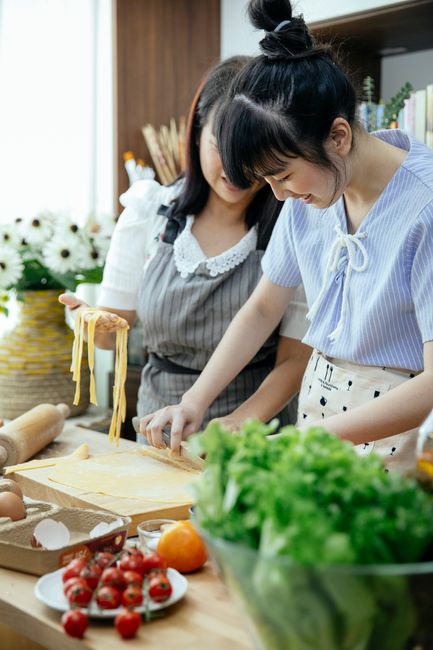
Hey friend! Ever craved a steaming bowl of fragrant, comforting Vietnamese Pho but felt intimidated to make it at home? I totally get it. For years, I relied on my favorite local Pho restaurant, thinking it was some sort of culinary magic I could never replicate. But guess what? It's totally doable, and trust me, the satisfaction of slurping down a bowl of homemade Pho is unmatched. This guide is all about breaking down the process, sharing my tips and tricks, and empowering you to create authentic-tasting Pho right in your own kitchen. So, grab your apron, and let's get started!
Understanding the Soul of Pho: The Broth

The heart and soul of Pho is undoubtedly the broth. It's what separates a mediocre bowl from a truly exceptional one. Don't be scared off by the simmer time; most of it is hands-off. Think of it as an investment in deliciousness!
What you'll need for the broth (serves 6-8):
- 3-4 lbs Beef Bones: Marrow bones and knuckle bones are key. They provide the rich, beefy flavor and collagen that makes the broth silky smooth. Look for them at your local butcher; they're usually very affordable.
- 1 lb Beef Chuck (optional): This adds extra depth of flavor to the broth. You'll remove it later and slice it to add back into your bowls.
- 1 large Onion: Charred for a smoky sweetness.
- 4-inch piece of Ginger: Also charred, for warmth and spice.
- 4-5 Star Anise: Essential for that distinct Pho aroma.
- 1 Cinnamon Stick: Adds a touch of warmth and complexity.
- 1 tbsp Coriander Seeds: Toasted lightly for a nutty flavor.
- 1 tsp Fennel Seeds: A subtle licorice note that balances the other spices.
- 2-3 Cloves: Use sparingly; a little goes a long way.
- 2 tbsp Fish Sauce: Adds umami and depth. Don't be afraid of the smell; it mellows during the simmering process.
- 1 tbsp Rock Sugar (or brown sugar): For a hint of sweetness to balance the savory flavors.
- Salt to taste: Adjust as needed.
- 12-14 cups Water: Start with more; you can always reduce it.
Let's make some magic:
- Parboil the Bones: Place the beef bones in a large pot and cover with cold water. Bring to a boil, then immediately drain and rinse the bones thoroughly under cold water. This removes impurities and helps create a cleaner-tasting broth. Seriously, don't skip this step!
- Char the Onion and Ginger: This is my secret weapon for an amazing broth. Use a gas stovetop burner to char the onion and ginger directly over the flame until blackened on all sides. Alternatively, you can broil them in the oven. The charring process releases smoky, sweet flavors that are crucial to authentic Pho.
- Toast the Spices: In a dry skillet over medium heat, toast the star anise, cinnamon stick, coriander seeds, fennel seeds, and cloves for a few minutes until fragrant. Be careful not to burn them! This step awakens their flavors.
- Combine and Simmer: Place the parboiled bones, charred onion and ginger, toasted spices (tied in a cheesecloth bag or spice ball for easy removal), beef chuck (if using), fish sauce, rock sugar, and salt in a large stockpot. Add 12-14 cups of cold water, ensuring the bones are completely submerged.
- Bring to a Boil, Then Simmer Low: Bring the pot to a boil, then immediately reduce the heat to the lowest setting and simmer gently for at least 3 hours, or even better, 6-8 hours. The longer the simmer, the richer and more flavorful the broth will be. Skim off any scum that rises to the surface during the first hour of simmering.
- Remove the Solids: After simmering, remove the beef chuck (if used) and set aside to cool. Strain the broth through a fine-mesh sieve lined with cheesecloth to remove all the solids. Discard the bones, onion, ginger, and spice bag.
- Adjust the Seasoning: Taste the broth and adjust the seasoning with salt and more fish sauce as needed. You might also want to add a touch more rock sugar if it needs a bit more sweetness.
- Slice the Beef: Once the beef chuck has cooled, slice it thinly against the grain. This will be added back into the bowls later.
Preparing the Noodles and Toppings
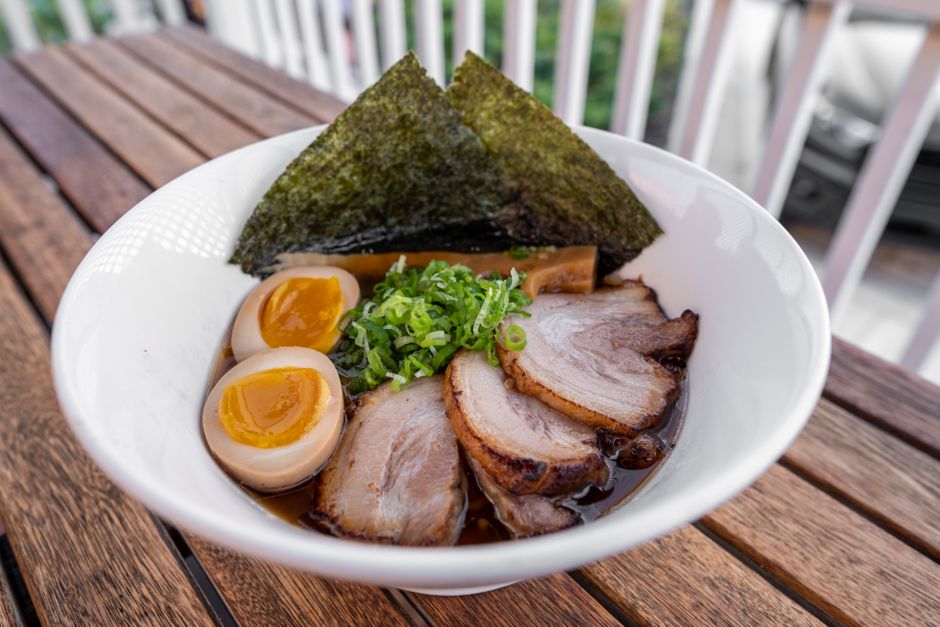
Now that your amazing broth is simmering away, let's focus on the other essential components of a perfect Pho bowl: the noodles and toppings. These add texture, freshness, and those wonderful customizable flavors that make Pho so satisfying.
What you'll need:
- Rice Noodles (Banh Pho): Use dried or fresh flat rice noodles specifically made for Pho. Wider noodles are traditionally used for Pho Bac (Northern-style Pho), while thinner noodles are more common in Pho Nam (Southern-style Pho). Follow the package instructions for cooking. Usually, you'll soak them in warm water until pliable, then blanch them briefly in boiling water just before serving.
- Thinly Sliced Rare Beef (optional): Eye of round or sirloin works well. Slice it very thinly (partially freezing the beef makes this easier). The hot broth will cook the beef to a perfect medium-rare when it's added to the bowl.
- Bean Sprouts: For a refreshing crunch.
- Fresh Thai Basil: Adds a sweet, anise-like flavor.
- Cilantro: For a bright, herbaceous note.
- Sliced Green Onions: For a mild oniony flavor and visual appeal.
- Sliced Jalapeños or Thai Chilis: For some heat.
- Lime Wedges: To brighten the flavors with a squeeze of citrus.
- Hoisin Sauce and Sriracha: For dipping the beef and adding customized sweetness and spice.
Getting ready:
- Prepare the Noodles: Cook the rice noodles according to the package instructions. Make sure not to overcook them, as they'll continue to cook slightly in the hot broth. Drain them well.
- Wash and Prepare the Toppings: Wash all the fresh herbs and vegetables thoroughly. Slice the green onions and jalapeños/chilis, and cut the limes into wedges.
- Slice the Rare Beef (if using): If you're using raw beef, slice it as thinly as possible.
Assembling Your Perfect Bowl of Pho
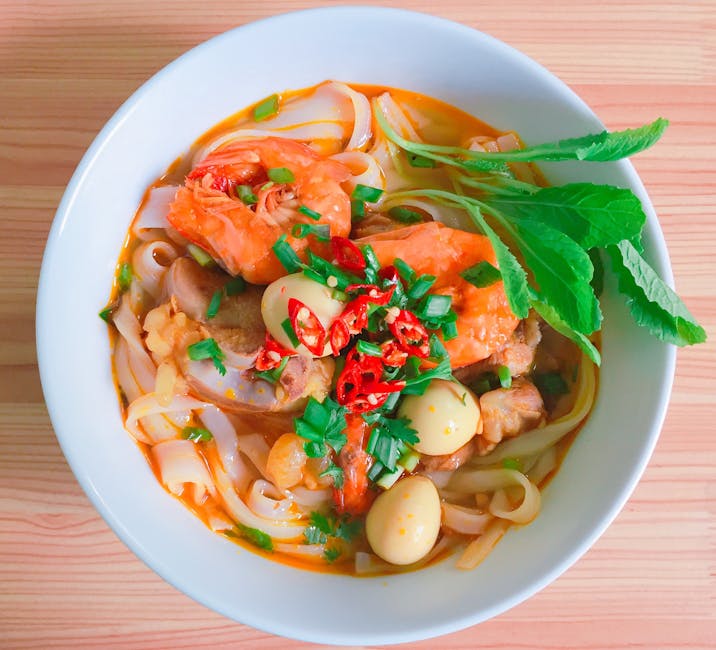
This is the fun part! It's time to assemble your masterpiece and finally enjoy the fruits (or should I say, meats and herbs?) of your labor. Here's how I like to do it:
- Warm the Bowls: This is a little trick that makes a big difference. Warm your serving bowls by filling them with hot water for a few minutes, then discard the water. This helps keep the Pho hotter for longer.
- Add the Noodles: Place a generous portion of cooked rice noodles in each bowl.
- Add the Cooked Beef: Arrange a few slices of the cooked beef chuck (from the broth) on top of the noodles.
- Add the Rare Beef (if using): If you're using raw beef, arrange the thin slices on top of the noodles.
- Ladle the Broth: Carefully ladle the hot broth over the noodles and beef, making sure the raw beef is submerged and cooks slightly.
- Garnish Generously: Top with bean sprouts, Thai basil, cilantro, green onions, and jalapeños/chilis.
- Serve Immediately: Serve immediately with lime wedges, hoisin sauce, and Sriracha on the side for each person to customize their bowl.
Tips, Tricks, and Variations to Elevate Your Pho Game

Okay, now that you've got the basics down, let's talk about some ways to take your Pho game to the next level. These are the little things I've learned over time that have made a huge difference in my homemade Pho.
- Don't Skip the Charring: Seriously, charring the onion and ginger is non-negotiable. It adds so much depth and complexity to the broth.
- Use Good Quality Fish Sauce: It makes a difference! Look for brands that have a rich, amber color and a strong, umami flavor.
- Adjust the Sweetness: Pho is a balance of savory, sweet, and spicy. Don't be afraid to adjust the amount of rock sugar to your liking.
- Make it Vegetarian: You can easily make a delicious vegetarian Pho by using vegetable broth instead of beef broth and adding mushrooms, tofu, and other vegetables.
- Experiment with Spices: Feel free to adjust the spice blend to your liking. Some people like to add a bit of black peppercorns or cardamom pods.
- Make it Ahead: The broth can be made a day or two in advance and stored in the refrigerator. This actually allows the flavors to meld even more.
- Freeze the Broth: If you make a large batch of broth, you can freeze it in individual portions for future use.
- Bone Broth Power: Using bones with a good amount of marrow will result in a richer, more gelatinous broth.
- Consider Beef Tendon: Adding beef tendon to the broth during simmering gives a unique, chewy texture that some people love.
- Learn From Others: Don't be afraid to visit different Pho restaurants and observe how they do things. Every family and restaurant has their own unique touch.
Troubleshooting Your Pho: Common Issues and Solutions

Sometimes, things don't go exactly as planned. Here are some common issues you might encounter when making Pho at home, and how to fix them:
- Broth is Bland:
- Solution: Add more fish sauce and salt. Make sure you used enough beef bones. Consider simmering for a longer period.
- Broth is Too Sweet:
- Solution: Add more fish sauce and a squeeze of lime juice.
- Broth is Cloudy:
- Solution: Make sure you parboiled the bones thoroughly. Skim off any scum that rises to the surface during simmering. Don't let the broth boil vigorously.
- Noodles are Mushy:
- Solution: Don't overcook the noodles. Follow the package instructions carefully. Rinse them under cold water after cooking to stop the cooking process.
- Raw Beef is Overcooked:
- Solution: Ensure your broth is hot enough. Slice the beef as thinly as possible.
Enjoy Your Homemade Pho!

So there you have it! A complete guide to making authentic Vietnamese Pho at home. It might seem like a lot of steps, but trust me, it's worth the effort. Once you get the hang of it, you'll be whipping up bowls of delicious, comforting Pho whenever the craving strikes. Don't be afraid to experiment and make it your own. And most importantly, enjoy the process and the delicious results!
Making Pho at home is more than just cooking; it's an experience, a tradition, and a delicious journey. It's a way to connect with Vietnamese culture and impress your friends and family with your newfound culinary skills. So go ahead, give it a try! You might just surprise yourself with how amazing your homemade Pho turns out.
Happy slurping, my friend! Let me know in the comments how your Pho turns out!

Post a Comment for "Learn to Make Authentic Vietnamese Pho at Home: A Step-by-Step Recipe Guide"
Post a Comment