Exploring Vietnam's Silent Echoes: Ghost Towns & Forgotten Places

Exploring Vietnam's Silent Echoes: Ghost Towns & Forgotten Places
Vietnam, a land of vibrant culture, bustling cities, and breathtaking landscapes, holds secrets whispered on the wind – tales of places left behind, swallowed by time and circumstance. Beyond the crowded markets of Hanoi and the serene beaches of Phu Quoc lie ghost towns and abandoned places, each with a unique story etched into its decaying walls. These aren't just piles of rubble; they are echoes of lives lived, dreams chased, and futures that never came to be. Join me as we venture off the beaten path, exploring the haunting beauty and poignant history of Vietnam's forgotten corners.
Unveiling the Allure of the Abandoned

Why are we so drawn to places that have been left behind? I think it's more than just morbid curiosity. There's a raw, unfiltered truth in abandoned spaces. The carefully constructed facade of modern life crumbles away, revealing the bones of the past. We see the vulnerability of human endeavors, the fleeting nature of time, and the constant cycle of creation and decay. For me, it's a chance to connect with a history that textbooks often overlook – the history of everyday people and their struggles.
In Vietnam, the allure is amplified by the country's turbulent past. Wars, economic shifts, and natural disasters have all left their mark, creating a tapestry of abandoned locations that offer a glimpse into different periods of Vietnamese history. These places are not just abandoned; they are often steeped in stories of resilience, loss, and the enduring spirit of the Vietnamese people.
Haunted Mansions and French Colonial Relics
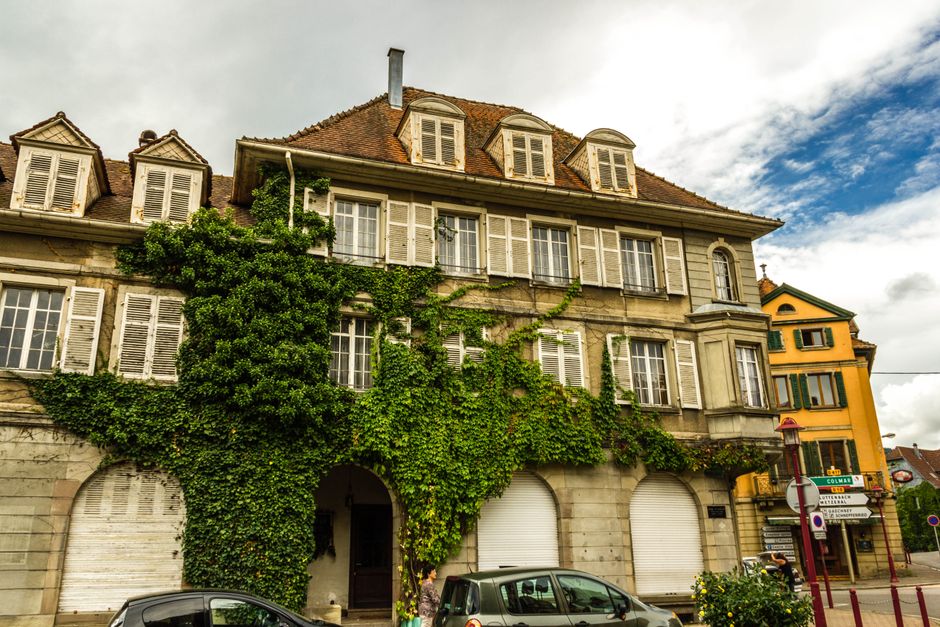
Vietnam's colonial past has left behind a legacy of elegant but decaying mansions and grand estates. Many of these were abandoned after the departure of the French, leaving behind empty shells that whisper tales of opulent gatherings and the simmering tensions of a colonial society.
One particularly intriguing example can be found in the countryside around Dalat, a city known for its cool climate and French architecture. Scattered amidst the pine forests are the remains of lavish villas, once owned by wealthy French families and Vietnamese officials. These villas, now overgrown with vegetation, offer a glimpse into the lavish lifestyle of the colonial elite. Imagine strolling through what was once a meticulously manicured garden, now a wild tangle of vines and weeds. You can almost hear the echoes of laughter and clinking glasses carried on the wind.
However, these places also represent a period of oppression and inequality. Exploring them means confronting the complex legacy of colonialism and acknowledging the suffering it caused. It's about understanding the full picture, not just romanticizing the past.
The Forgotten Fishing Villages

Economic changes and environmental factors have led to the abandonment of several fishing villages along Vietnam's coastline. These villages, once thriving communities, now stand as silent reminders of the fragility of coastal life.
I've read accounts of villages in the Mekong Delta, where rising sea levels and dwindling fish stocks have forced residents to relocate inland. Imagine walking through a village where houses are slowly sinking into the mud, boats are rotting on the shore, and the only sound is the mournful cry of seagulls. The personal stories of those who were forced to leave are often heartbreaking. They represent a community's struggle to adapt to a changing environment and the loss of a way of life that has been passed down through generations.
These abandoned fishing villages serve as a stark warning about the impact of climate change on coastal communities. They highlight the need for sustainable fishing practices and proactive measures to protect vulnerable populations.
The Abandoned Water Park of Hue: An Urban Exploration Gem

Perhaps one of the most well-known and fascinating abandoned locations in Vietnam is the Ho Thuy Tien Water Park near Hue. Opened in 2004 and quickly abandoned, it has since become a popular spot for urban explorers and photographers. The park's most iconic feature is a massive dragon sculpture that overlooks the lake. Inside, the dragon's belly once housed an aquarium, now a haunting space filled with decaying tanks and eerie shadows.
Exploring Ho Thuy Tien is like stepping into a post-apocalyptic dreamscape. The water slides are rusting, the pools are filled with murky water and algae, and the air is thick with the scent of decay. However, despite its dilapidated state, the park retains a strange beauty. The overgrown vegetation adds to the sense of mystery, and the dragon sculpture is a truly unforgettable sight.
It's important to approach this kind of location with respect and caution. The structures are often unstable, and there may be hidden dangers. Always go with a buddy, wear appropriate footwear, and be mindful of the environment.
Mining Towns Left Behind

Vietnam's history of mining has also left behind several abandoned towns, once bustling centers of activity now reclaimed by nature. These towns offer a glimpse into the lives of miners and their families, and the often-harsh conditions they faced.
One example is the abandoned coal mining town in Quang Ninh province. This region, known for its vast coal reserves, was once home to numerous mining communities. As mines closed down due to depletion or economic factors, entire towns were left deserted. Walking through these towns, you can still see the remnants of the miners' homes, the crumbling infrastructure of the mines, and the poignant reminders of a way of life that has disappeared.
These abandoned mining towns are a testament to the cyclical nature of industry and the impact of economic changes on communities. They also serve as a reminder of the environmental consequences of mining and the importance of responsible resource management.
Responsible Exploration: Tread Lightly

Exploring abandoned places is undeniably fascinating, but it's crucial to do so responsibly and respectfully. Here are a few things to keep in mind:
- Do your research: Learn about the history of the location and the reasons why it was abandoned.
- Obtain permission if necessary: Some abandoned places are on private property, and entering without permission is trespassing.
- Be respectful: Remember that these places were once someone's home or workplace. Avoid damaging or defacing anything.
- Leave no trace: Take only photos and leave only footprints. Pack out all your trash and avoid disturbing the environment.
- Be aware of safety risks: Abandoned buildings can be unstable and dangerous. Watch out for hazards such as broken glass, loose wiring, and structural damage.
- Go with a buddy: Exploring abandoned places alone can be risky. It's always safer to go with a friend or group.
By following these guidelines, we can ensure that these places are preserved for future generations to explore and learn from.
Photographing the Silent Stories

Photography is a powerful tool for documenting and sharing the beauty and history of abandoned places. When photographing these locations, consider the following tips:
- Capture the atmosphere: Use lighting and composition to convey the mood and feeling of the place.
- Focus on details: Pay attention to the small details that tell a story, such as peeling paint, broken windows, and forgotten objects.
- Show the scale: Use wide-angle lenses to capture the grandeur of the architecture and the vastness of the space.
- Tell a story: Think about the story you want to tell with your photos and use them to convey that narrative.
- Edit responsibly: While editing can enhance your photos, avoid over-processing them to the point where they no longer reflect the reality of the location.
By capturing the essence of these places through photography, we can help to raise awareness of their existence and encourage others to appreciate their historical and cultural significance.
Beyond the Guidebooks: Finding Your Own Hidden Gems

While well-known abandoned locations like the Ho Thuy Tien Water Park are fascinating, there's something incredibly rewarding about discovering your own hidden gems. This requires a bit of adventurous spirit and a willingness to venture off the beaten path.
Here are a few tips for finding abandoned places in Vietnam:
- Talk to locals: Locals often know about abandoned places that aren't listed in guidebooks. Ask them for recommendations and be respectful of their knowledge.
- Explore online forums and communities: Online forums and communities dedicated to urban exploration can be a valuable resource for finding hidden locations.
- Use satellite imagery: Satellite imagery can help you identify abandoned buildings and structures in remote areas.
- Be observant: Keep an eye out for clues such as overgrown roads, decaying buildings, and signs of past activity.
Remember to always prioritize safety and respect when exploring abandoned places, regardless of whether they are well-known or hidden gems.
The Future of Vietnam's Abandoned Places

What does the future hold for Vietnam's abandoned places? Some may be demolished to make way for new developments, while others may be left to crumble into dust. However, there is also a growing movement to preserve these locations and recognize their historical and cultural significance.
Some abandoned buildings have been repurposed and given new life. Old factories have been converted into art spaces, and abandoned villas have been transformed into boutique hotels. This adaptive reuse not only preserves these buildings but also creates new economic opportunities for local communities.
Ultimately, the future of Vietnam's abandoned places depends on the choices we make today. By exploring these locations responsibly, documenting their stories, and advocating for their preservation, we can help to ensure that they are not forgotten.
A Personal Reflection: Why These Places Matter

For me, exploring Vietnam's ghost towns and abandoned places is more than just a hobby; it's a way to connect with the country's history on a deeper level. It's about honoring the lives of those who came before us and learning from their experiences. These places are reminders of the past, but they also offer valuable lessons for the future.
They teach us about the importance of resilience, the fragility of human endeavors, and the enduring power of the human spirit. They remind us that even in the face of adversity, hope can still endure.
So, the next time you're in Vietnam, consider venturing off the beaten path and exploring some of its forgotten corners. You might be surprised by what you discover.
And remember, tread lightly, listen to the whispers of the past, and respect the silent stories that these places have to tell. They are a valuable part of Vietnam's history, and it's up to us to ensure that they are not forgotten.

Post a Comment for "Exploring Vietnam's Silent Echoes: Ghost Towns & Forgotten Places"
Post a Comment