Exploring Vietnam's Seafood Markets: A Sensory Feast & Fresh Catches
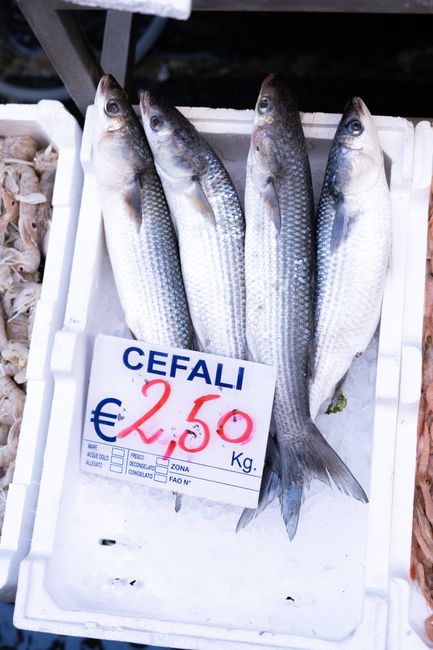
Exploring Vietnam's Seafood Markets: A Sensory Feast & Fresh Catches
Hey friend! Have you ever experienced the vibrant chaos and intoxicating aroma of a Vietnamese seafood market? It's an assault on the senses in the best possible way! Forget pristine supermarket aisles; we're talking about a raw, authentic, and incredibly exciting experience. I've spent a good chunk of my life exploring these markets, and I'm thrilled to share my insights and experiences with you. So, grab a virtual Vietnamese coffee, and let's dive in!
The Allure of Vietnamese Seafood Markets: More Than Just Fish

Vietnamese seafood markets are far more than just places to buy your dinner. They're a microcosm of Vietnamese culture, a bustling hub of commerce, and a testament to the country's deep connection to the sea. They're where fishermen bring in their daily catch, where families haggle for the best price, and where you can witness the incredible diversity of marine life. It's a show, a performance, a living, breathing organism that shifts and changes with the tides.
Imagine this: the sun is just beginning to peek over the horizon, painting the sky in hues of orange and pink. The air is thick with the salty tang of the ocean, mingled with the earthy scent of seaweed and the pungent aroma of… well, let's just say 'fresh' fish! The sounds are equally captivating – the shouts of vendors vying for your attention, the squawking of gulls overhead, the rhythmic thud of cleavers chopping fish, and the chatter of locals catching up on the day's gossip. It's a symphony of organized chaos, and it's utterly mesmerizing.
Where to Find These Aquatic Treasures: Market Hotspots

Vietnam boasts a long coastline, which means there are countless seafood markets to explore, each with its own unique character and offerings. Here are a few of my personal favorites, spanning different regions of the country:
- Ben Thanh Market (Ho Chi Minh City): While primarily a tourist destination, Ben Thanh's wet market section offers a glimpse into the vibrant seafood scene, though expect higher prices. It's a good starting point for those new to the experience.
- Dam Market (Nha Trang): This sprawling market is a local favorite, and the seafood section is a sight to behold. You'll find everything from live crabs and lobsters to dried squid and exotic fish. Be prepared to haggle!
- Han Market (Da Nang): Similar to Ben Thanh, Han Market caters to both locals and tourists. The seafood selection is diverse and generally fresher than what you'd find in a supermarket.
- Cai Be Floating Market (Mekong Delta): While not strictly a seafood market, the Cai Be floating market offers a unique opportunity to buy fresh seafood directly from boats. It's a truly unforgettable experience. Get there early!
- Any Coastal Town's Early Morning Market: Honestly, the best experiences are often found in the smaller, less-known markets in coastal towns. Wake up early, head to the waterfront, and you're almost guaranteed to stumble upon a bustling scene. These are where you'll find the freshest catches and the most authentic interactions.
Don't be afraid to venture off the beaten path! Talk to locals, ask for recommendations, and explore the smaller markets. You might just discover a hidden gem.
Navigating the Seas of Seafood: A Buyer's Guide

Okay, so you've arrived at the market, the sensory overload is hitting you full force, and you're ready to buy some seafood. But where do you even begin? Fear not! Here are some tips and tricks I've learned over the years to help you navigate the market like a pro:
- Go Early: The earlier you go, the fresher the seafood will be. Fishermen typically bring in their catches in the early morning, so that's when you'll find the best selection. Plus, it's often less crowded.
- Observe Carefully: Don't just grab the first fish you see. Take your time to observe the seafood on display. Look for:
- Clear, Bright Eyes: This is a key indicator of freshness. Cloudy or sunken eyes are a red flag.
- Firm Flesh: The flesh should be firm to the touch and spring back when pressed gently.
- Bright Red Gills: The gills should be a vibrant red color, not brown or gray.
- Clean Smell: Fresh seafood should smell like the sea, not overly fishy or ammonia-like.
- Don't Be Afraid to Haggle: Haggling is a common practice in Vietnamese markets, so don't be shy! Start by offering a lower price than what the vendor is asking, and be prepared to negotiate. A smile and a friendly attitude go a long way.
- Ask Questions: Don't hesitate to ask the vendor about the seafood. Where did it come from? How was it caught? How should it be cooked? Most vendors are happy to share their knowledge.
- Bring Cash: Most vendors don't accept credit cards, so be sure to bring plenty of cash. Smaller denominations are always helpful.
- Be Respectful: Remember that you're a guest in their market. Be respectful of the vendors and their culture. A little bit of politeness goes a long way.
Deciphering the Catch: Popular Seafood in Vietnam

Vietnam's coastline is teeming with diverse marine life. Here are some of the most popular seafood items you're likely to find in the markets:
- Ca (Fish): An abundance of fish varieties!
- Ca Loc (Snakehead Fish): A popular freshwater fish often used in soups and stews.
- Ca Dieu Hong (Red Snapper): A flavorful fish that can be grilled, steamed, or fried.
- Ca Basa (Basa Fish): A common and affordable fish, often used in fish and chips.
- Tom (Shrimp): Essential and available in many forms.
- Tom Su (Tiger Prawns): Large and succulent, perfect for grilling or stir-frying.
- Tom Dong (White Shrimp): Smaller and sweeter, often used in salads and spring rolls.
- Muc (Squid): There's a world of Squid!
- Muc Ong (Cuttlefish): A popular choice for grilling or stir-frying.
- Muc Tuoi (Fresh Squid): Can be grilled, fried, or used in soups.
- Oc (Shellfish): So many shells!
- So Huyet (Blood Cockles): A delicacy that's often steamed or grilled.
- Ngao (Clams): Used in soups, stews, and stir-fries.
- Cua (Crab): A favorite.
- Cua Bien (Sea Crab): Available in various sizes, often steamed or grilled.
- Cua Huynh De (King Crab): A larger and more expensive variety, perfect for special occasions.
This is just a small sampling of the incredible variety of seafood available in Vietnam. Don't be afraid to try something new and exciting! Ask the vendor for recommendations – they're the experts.
Beyond the Catch: The Market's Supporting Cast

The seafood itself is the star of the show, but the supporting cast is equally important. The vendors, the porters, the cooks, and the fellow shoppers all contribute to the vibrant atmosphere of the market. Take the time to observe these characters and appreciate their roles in this bustling ecosystem.
I've seen incredibly strong women carrying baskets laden with ice and fish that look heavier than they are, their faces etched with years of hard work. I've witnessed vendors expertly cleaning and filleting fish with lightning-fast precision. And I've overheard countless conversations, negotiations, and jokes that paint a vivid picture of Vietnamese life.
Cooking Up a Storm: From Market to Table

Okay, so you've bought your seafood, now what? Well, it's time to get cooking! The beauty of Vietnamese cuisine is its emphasis on fresh, simple ingredients. Here are a few classic Vietnamese seafood dishes you can easily make at home:
- Goi Cuon Tom Thit (Shrimp and Pork Spring Rolls): A light and refreshing appetizer made with rice paper, vermicelli noodles, shrimp, pork, vegetables, and herbs.
- Canh Chua Ca (Sour Fish Soup): A flavorful and tangy soup made with fish, tomatoes, pineapple, bean sprouts, and herbs.
- Ca Kho To (Caramelized Fish in Clay Pot): A savory and slightly sweet dish made with fish, soy sauce, sugar, garlic, and chili peppers.
- Tom Nuong Muoi Ot (Grilled Shrimp with Salt and Chili): A simple yet delicious dish made with shrimp, salt, chili peppers, and garlic.
Don't be afraid to experiment and adapt the recipes to your own taste. The most important thing is to use fresh, high-quality ingredients and to have fun in the kitchen!
Ethical Considerations: A Responsible Approach

As with any food purchase, it's important to consider the ethical implications of your choices. Overfishing and unsustainable fishing practices are serious threats to marine ecosystems. When buying seafood in Vietnam, consider the following:
- Ask About the Source: Inquire about where the seafood came from and how it was caught. Support vendors who practice sustainable fishing methods.
- Choose Sustainable Species: Avoid buying endangered or overfished species. Consult online resources like the Monterey Bay Aquarium's Seafood Watch guide for recommendations.
- Be Mindful of Waste: Avoid buying more seafood than you need. Properly dispose of any leftover food scraps.
By making informed choices, you can help ensure that future generations can enjoy the bounty of Vietnam's seafood markets.
A Final Bite: More Than Just a Market
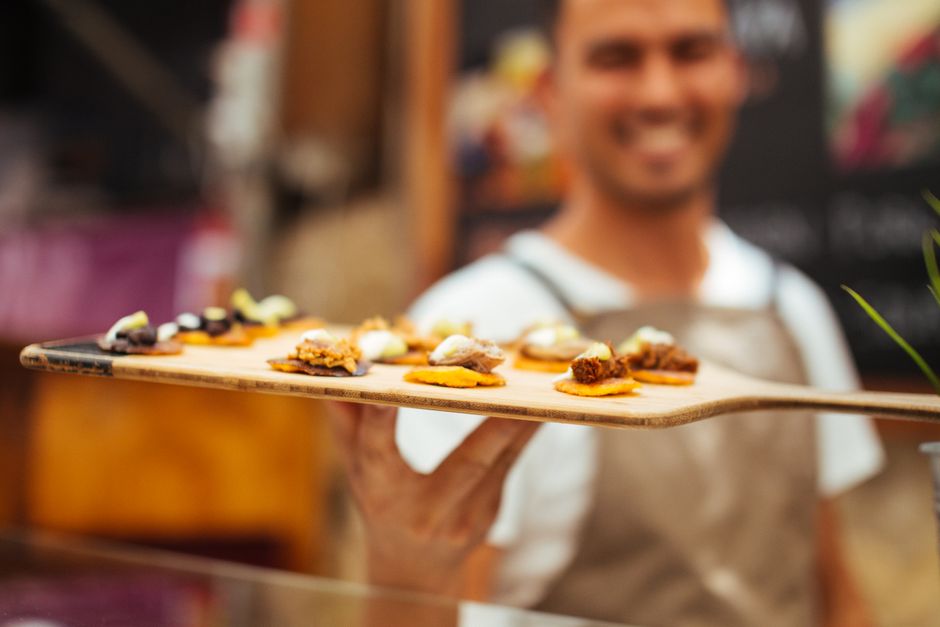
Exploring Vietnam's seafood markets is an experience that will stay with you long after you've left. It's a chance to connect with the local culture, witness the incredible diversity of marine life, and savor the freshest seafood imaginable. It's a sensory feast, a cultural immersion, and a reminder of the importance of sustainable practices.
So, the next time you're in Vietnam, be sure to carve out some time to visit a seafood market. You might just discover your new favorite dish, make a new friend, and gain a deeper appreciation for the wonders of the ocean. Happy exploring, and bon appétit!

Post a Comment for "Exploring Vietnam's Seafood Markets: A Sensory Feast & Fresh Catches"
Post a Comment