Exploring Vietnam's Enchanting Floating Villages: A Journey on Water

Exploring Vietnam's Enchanting Floating Villages: A Journey on Water
Hey there, fellow adventurer! Have you ever dreamed of stepping into a world where life unfolds on the water? Where homes bob gently on the waves, and the rhythm of daily life is dictated by the ebb and flow of the tides? Well, let me tell you about Vietnam's captivating floating villages – a truly unique experience that will leave you utterly mesmerized. I recently had the incredible opportunity to explore a few of these aquatic communities, and I'm just bursting to share my experiences and insights with you!
The Allure of Life on Water: Why Floating Villages Exist

So, what exactly are floating villages, and why do people choose to live this way? In Vietnam, these villages are typically found in areas where land is scarce, water levels fluctuate dramatically, or fishing is the primary source of livelihood. Over generations, communities have adapted to these conditions, building their homes, schools, and even shops on rafts and platforms that rise and fall with the water. It's an ingenious and resourceful way of life, born out of necessity but blossoming into a vibrant cultural phenomenon.
These villages aren't just about survival; they're about community and connection. Imagine neighbors literally tied together, sharing stories and laughter across the water. It's a close-knit existence, where everyone relies on each other and the surrounding environment for sustenance and support. This sense of unity is something I deeply admired during my visits.
Where to Find These Aquatic Wonders: Must-Visit Floating Villages

Vietnam boasts several stunning floating villages, each with its own unique charm and character. Here are a few that I highly recommend adding to your travel itinerary:
- Ha Long Bay's Floating Villages: Perhaps the most iconic, these villages in Ha Long Bay offer breathtaking scenery alongside a glimpse into the lives of the local fishing communities. You can kayak through the stunning karst formations and witness firsthand how these resilient people have adapted to life on the bay.
- Cai Rang Floating Market (Mekong Delta): While not strictly a floating village, the Cai Rang Floating Market is an integral part of the Mekong Delta's aquatic culture. This bustling marketplace is a vibrant spectacle of boats laden with fresh produce, local delicacies, and all sorts of goods. It's an absolute feast for the senses!
- Chau Doc Floating Village (An Giang Province): Located near the Cambodian border, Chau Doc is another captivating floating village in the Mekong Delta. Here, you'll find a mix of Vietnamese and Cham cultures, adding another layer of richness to the experience.
- Cua Van Floating Village (Ha Long Bay): Once a thriving fishing village, Cua Van has transitioned towards tourism. Though less "authentic" than it once was, it still offers a glimpse into the floating way of life, and the surrounding scenery is undeniably spectacular.
My Adventures Amongst the Floating Homes: Personal Anecdotes

Let me share some personal moments from my explorations. In Ha Long Bay, I remember waking up before dawn to the gentle lapping of water against my boat. The mist hung low, shrouding the towering limestone karsts in an ethereal glow. As the sun began to rise, the floating village stirred to life. I saw families preparing for the day, children heading to school in small boats, and fishermen casting their nets. It was a scene of such tranquility and resilience, it completely captivated me.
At the Cai Rang Floating Market, the energy was completely different! It was a chaotic, colorful symphony of sounds and sights. Vendors hawked their wares, bargaining was fierce, and the air was thick with the aroma of pho and freshly brewed coffee. I remember trying to navigate the crowded waterways in a small boat, dodging other vessels laden with pineapples, watermelons, and all sorts of exotic fruits. It was an exhilarating and unforgettable experience!
One particularly memorable moment was when I was invited into a local family's floating home in Chau Doc. They welcomed me with open arms, offering me tea and sharing stories about their lives. I learned about the challenges they face – the unpredictable weather, the rising water levels, and the constant need to maintain their floating homes. But I also witnessed their unwavering spirit and their deep connection to the water. It was a powerful reminder of the human capacity for resilience and adaptation.
Navigating the Waters: Tips for Visiting Floating Villages
Planning a trip to Vietnam's floating villages? Here are a few tips to help you make the most of your experience:
- Choose the Right Time of Year: The dry season (November to April) is generally the best time to visit, as the weather is more predictable and the water levels are more stable.
- Book a Reputable Tour Operator: A good tour operator can provide you with valuable insights into the local culture and ensure that you have a safe and responsible experience. Look for companies that prioritize sustainable tourism and support local communities.
- Respect Local Customs: Remember that you are visiting people's homes and livelihoods. Be respectful of their customs and traditions, and avoid behaviors that could be considered offensive. Dress modestly, ask permission before taking photos, and always be polite and courteous.
- Learn a Few Basic Vietnamese Phrases: Even a few simple phrases like "Xin chào" (hello) and "Cảm ơn" (thank you) can go a long way in building rapport with the locals.
- Bring Insect Repellent and Sunscreen: You'll be spending a lot of time outdoors, so protect yourself from mosquitoes and the sun.
- Be Prepared for the Unexpected: Life on the water can be unpredictable. Be flexible and adaptable, and embrace the unexpected detours and adventures that come your way.
- Pack Light: You'll likely be traveling by boat, so pack light to make it easier to move around. A small backpack with essentials like water, snacks, and a camera is all you really need.
Sustainable Tourism: Protecting These Unique Communities

As tourism to Vietnam's floating villages increases, it's crucial to ensure that it is done sustainably. These communities are vulnerable to environmental degradation and cultural disruption, so it's important to be mindful of our impact.
Here are a few ways to practice responsible tourism:
- Support Local Businesses: Buy souvenirs from local artisans and eat at local restaurants. This helps to support the local economy and ensure that the benefits of tourism stay within the community.
- Reduce Your Waste: Avoid using single-use plastics and dispose of your trash responsibly. Bring your own reusable water bottle and shopping bag.
- Respect the Environment: Avoid polluting the waterways and damaging the natural environment. Don't litter or disturb the wildlife.
- Choose Eco-Friendly Accommodation: If you're staying overnight in or near a floating village, choose accommodation that is committed to sustainable practices.
- Educate Yourself: Learn about the challenges facing these communities and support organizations that are working to protect their culture and environment.
Beyond the Picturesque: Understanding the Challenges

While the floating villages offer undeniably beautiful and captivating scenes, it's important to remember that life there is not always easy. These communities face a number of challenges, including:
- Environmental Issues: Pollution, rising water levels, and climate change pose significant threats to the long-term viability of these villages.
- Economic Hardship: Fishing is often the primary source of income, but declining fish stocks and competition from larger fishing vessels can make it difficult for families to make ends meet.
- Access to Education and Healthcare: Access to quality education and healthcare can be limited in these remote communities.
- Cultural Preservation: As tourism increases, there is a risk of cultural commodification and the loss of traditional ways of life.
By being aware of these challenges, we can be more responsible and respectful travelers and support efforts to address these issues.
Capturing Memories: Photography Tips for Floating Villages

The floating villages of Vietnam offer incredible opportunities for photography. Here are a few tips to help you capture the essence of these unique communities:
a. Wake up Early: The early morning light is often the most beautiful, and it's also a great time to capture the villages as they come to life.
b. Focus on the People: The people are the heart and soul of these villages. Capture their portraits, their daily activities, and their interactions with each other.
c. Tell a Story: Use your photos to tell a story about the lives of the people who live in these villages. Capture the details, the textures, and the emotions that make these communities so special.
d. Experiment with Different Perspectives: Try shooting from a low angle to emphasize the boats and the water. Or climb to a higher vantage point to capture the overall layout of the village.
e. Be Respectful: Always ask permission before taking photos of people, and be mindful of their privacy.
Floating Villages: More Than Just a Tourist Destination
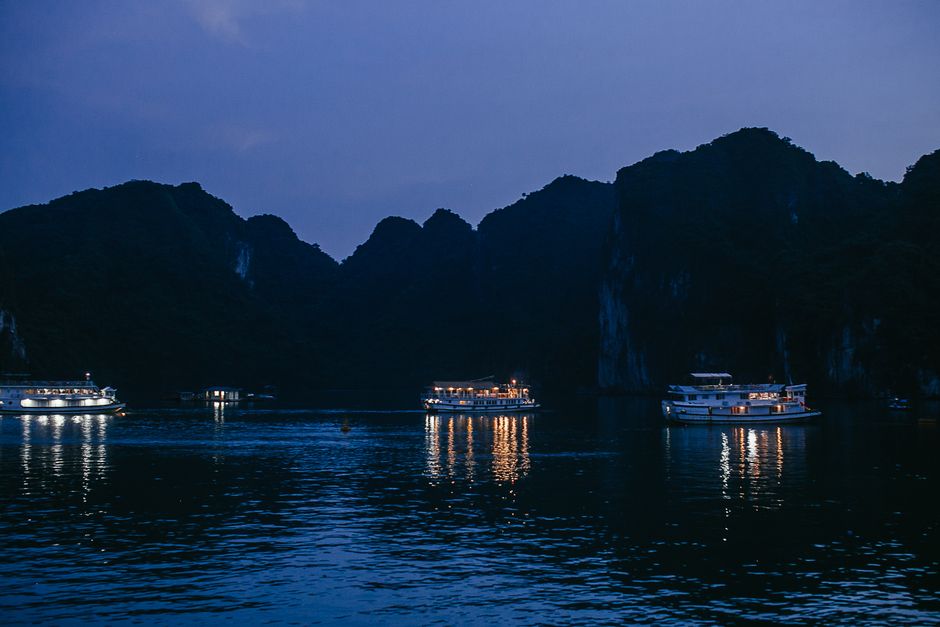
For me, exploring Vietnam's floating villages was more than just ticking off another item on my travel bucket list. It was a profoundly moving experience that challenged my perspectives and broadened my understanding of the world. It was a chance to witness firsthand the resilience, adaptability, and unwavering spirit of communities living in harmony with the water.
I encourage you to consider adding these enchanting villages to your own travel plans. But more than just snapping photos and enjoying the scenery, take the time to connect with the people, learn about their lives, and understand the challenges they face. By traveling responsibly and supporting sustainable tourism, we can help to protect these unique communities for generations to come.
So, what are you waiting for? Pack your bags, grab your camera, and prepare to embark on an unforgettable journey into the heart of Vietnam's floating villages! You won't regret it!

Post a Comment for "Exploring Vietnam's Enchanting Floating Villages: A Journey on Water"
Post a Comment