Exploring Vietnam's Ancient Tea Plantations: A Journey Through Time and Taste

Exploring Vietnam's Ancient Tea Plantations: A Journey Through Time and Taste
Hey there, fellow travel and tea enthusiast! Have you ever dreamt of wandering through lush, green landscapes, breathing in the crisp mountain air, and savoring the delicate aroma of freshly brewed tea? Well, let me tell you about my incredible journey through Vietnam's ancient tea plantations – a truly unforgettable experience that I'm so excited to share with you.
The Allure of Vietnamese Tea

For centuries, tea has been deeply ingrained in Vietnamese culture, transcending a simple beverage to become a symbol of hospitality, tradition, and tranquility. More than just a drink, it's an integral part of social gatherings, religious ceremonies, and everyday life. The art of tea preparation, known as trà đạo, is a delicate and precise ritual, emphasizing respect and mindfulness.
Vietnamese tea offers a diverse range of flavors and aromas, influenced by the country's varied climates and terroirs. From the robust and earthy notes of Northern teas to the lighter, floral profiles of Southern varieties, there's a Vietnamese tea to suit every palate. And trust me, the experience of sipping tea amidst the very plantations where it's grown is simply magical.
Embarking on a Tea Plantation Adventure
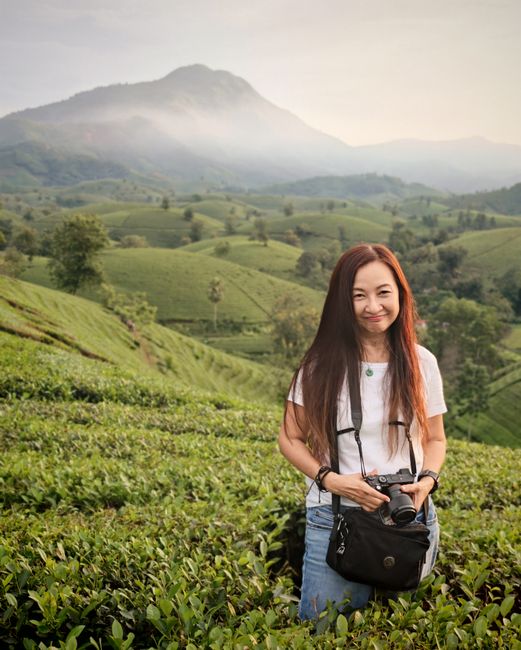
My adventure began with a little research. Vietnam boasts several renowned tea-growing regions, each with its own unique character and charm. After much deliberation, I decided to focus on two primary areas: Thai Nguyen in the north and the Central Highlands around Da Lat.
Thai Nguyen, known as the "tea capital" of Vietnam, promised breathtaking scenery and a rich history of tea cultivation. The Central Highlands, with its cooler climate and volcanic soil, offered the allure of high-altitude tea plantations and stunning natural beauty.
Thai Nguyen: Where Tea Tradition Thrives
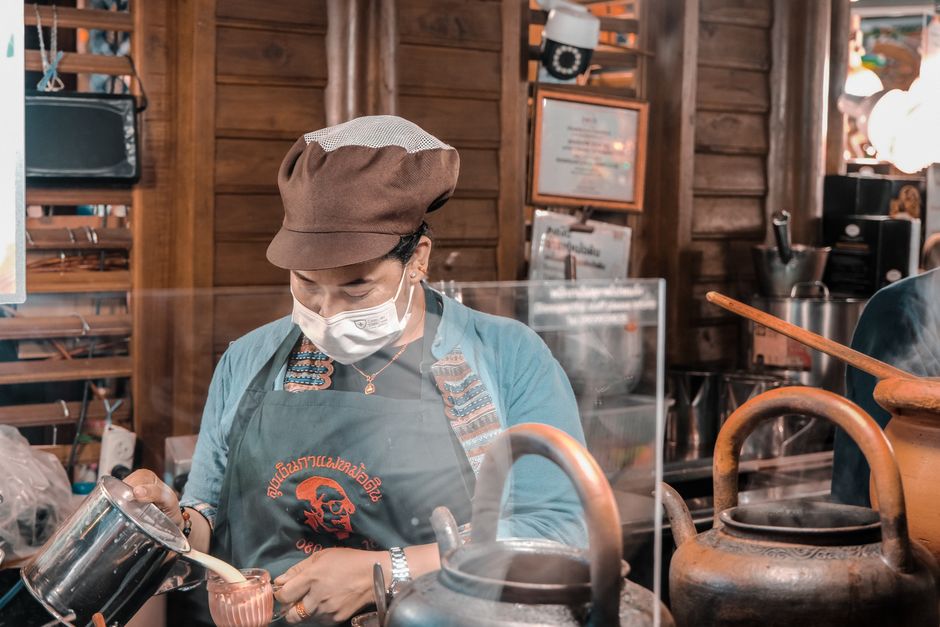
My journey to Thai Nguyen was an adventure in itself. The train ride from Hanoi wound its way through picturesque countryside, gradually ascending into the hills. As I stepped off the train, I was immediately greeted by the fragrant aroma of tea leaves drying in the sun. The air was crisp and clean, and the surrounding landscape was a vibrant tapestry of green tea bushes.
I quickly found a local homestay nestled among the tea plantations. The family was incredibly welcoming, and they were eager to share their knowledge and passion for tea. They explained the entire process, from plucking the leaves to withering, rolling, oxidizing, and firing. It was fascinating to see the dedication and skill involved in crafting each cup.
During my stay in Thai Nguyen, I had the opportunity to:
- Visit several tea plantations: I explored both small family-run farms and larger commercial estates, each offering a unique perspective on tea production.
- Participate in tea picking: Under the watchful eye of experienced tea pickers, I learned the art of selecting the youngest, most tender leaves – the ones that yield the finest tea. Let me tell you, it's harder than it looks!
- Attend a tea ceremony: I was honored to be invited to a traditional Vietnamese tea ceremony. It was a beautiful and serene experience, emphasizing mindfulness and connection.
- Sample various teas: Of course, the highlight of my trip was tasting the different teas produced in Thai Nguyen. From the fragrant Tan Cuong Green Tea to the delicate Oolong tea, each cup was a revelation.
One particular memory stands out: sitting on a hillside overlooking the tea plantations, watching the sun rise, and sipping a steaming cup of freshly brewed green tea. The air was filled with the sound of birdsong, and the landscape was bathed in golden light. It was a moment of pure serenity and connection with nature.
The Central Highlands: Tea Amongst the Mountains

After my enriching experience in Thai Nguyen, I set off for the Central Highlands and the region surrounding Da Lat. The landscape transformed dramatically as I journeyed south. Rolling hills gave way to towering mountains, and the air became noticeably cooler. Da Lat, known as the "City of Eternal Spring," is a charming town with a French colonial influence, and it serves as a perfect base for exploring the surrounding tea plantations.
The Central Highlands boasts a unique terroir that is ideal for growing high-quality tea. The cooler climate, combined with the volcanic soil, results in teas with distinct flavor profiles, often characterized by floral and fruity notes.
In the Central Highlands, I:
- Explored Cau Dat Tea Hill: This expansive tea plantation is one of the oldest and most famous in Vietnam. The rolling hills covered in tea bushes are a sight to behold, and the views from the top are simply breathtaking.
- Visited a tea factory: I toured a modern tea factory and learned about the advanced techniques used to process tea on a large scale. It was interesting to compare the traditional methods I saw in Thai Nguyen with the modern practices in the Central Highlands.
- Stayed in a tea bungalow: I spent a few nights in a charming bungalow overlooking a tea plantation. It was a tranquil escape from the hustle and bustle of city life.
- Learned about "artichoke tea": Da Lat is also famous for its "artichoke tea," a caffeine-free herbal infusion made from the artichoke plant. It has a slightly sweet and earthy flavor and is believed to have various health benefits.
One of the most memorable experiences in the Central Highlands was a visit to a small, family-run tea farm tucked away in the mountains. The farmer, a kind and gentle man named Mr. Minh, shared his passion for organic tea cultivation. He explained how he used natural methods to protect his tea plants from pests and diseases, resulting in tea that was both delicious and environmentally friendly.
The Art of Tea Tasting

Throughout my journey, I learned a great deal about the art of tea tasting. It's more than just sipping a beverage; it's about engaging all your senses and appreciating the nuances of flavor, aroma, and texture. Here are a few tips that I picked up along the way:
- Observe the dry leaves: Before brewing, take a moment to examine the dry leaves. Note their color, shape, and aroma. This will give you a clue about the tea's character.
- Pay attention to the liquor: Once the tea is brewed, observe the color of the liquor. A clear and vibrant color is usually a sign of high quality.
- Inhale the aroma: Gently swirl the tea in your cup and inhale the aroma. Try to identify the different scents, such as floral, fruity, grassy, or woody notes.
- Sip slowly and deliberately: Take a small sip of the tea and let it coat your tongue. Pay attention to the different flavors that emerge. Is it sweet, bitter, sour, or umami?
- Consider the aftertaste: After swallowing the tea, notice the aftertaste. Does it linger on your palate? Is it pleasant or astringent?
Don't be afraid to experiment and try different teas. The more you taste, the better you'll become at identifying your preferences and appreciating the subtle differences between varieties.
Tips for Planning Your Own Tea Plantation Adventure
Inspired to embark on your own Vietnamese tea plantation adventure? Here are a few tips to help you plan your trip:
- Do your research: Choose the tea-growing regions that interest you most and learn about their unique characteristics.
- Plan your itinerary: Decide how much time you want to spend in each region and book your accommodation in advance, especially during peak season.
- Learn some basic Vietnamese phrases: Knowing a few basic phrases will help you communicate with locals and enhance your experience.
- Pack appropriately: The weather in the tea-growing regions can be unpredictable, so pack layers of clothing. Comfortable walking shoes are also essential.
- Be respectful of local customs: Vietnamese culture is based on respect and politeness. Dress modestly when visiting temples and pagodas, and always ask for permission before taking photos of people.
- Be open to new experiences: Embrace the unexpected and be willing to try new things. You never know what amazing discoveries you might make.
Beyond the Tea: Immersing in the Culture

While the tea plantations were undoubtedly the highlight of my trip, my journey through Vietnam also provided an opportunity to immerse myself in the country's rich culture and history. I explored ancient temples, wandered through bustling markets, and sampled delicious street food. Each experience deepened my appreciation for this fascinating country and its people.
I highly recommend taking the time to:
- Explore local markets: Vietnamese markets are a sensory overload, filled with vibrant colors, exotic aromas, and the sounds of bustling commerce. They're a great place to sample local delicacies and purchase souvenirs.
- Visit historical sites: Vietnam has a rich and complex history, and there are numerous historical sites to explore, from ancient temples to colonial-era buildings.
- Take a cooking class: Learn to prepare traditional Vietnamese dishes and impress your friends and family back home.
- Interact with locals: The Vietnamese people are incredibly friendly and welcoming. Take the time to chat with them and learn about their lives and culture.
Bringing the Experience Home

My journey through Vietnam's ancient tea plantations was more than just a vacation; it was a transformative experience that enriched my understanding of tea, culture, and myself. I returned home with a newfound appreciation for the art of tea cultivation and a deep respect for the traditions of Vietnam.
Now, whenever I brew a cup of Vietnamese tea, I'm transported back to those lush green landscapes, the fragrant mountain air, and the warm hospitality of the Vietnamese people. It's a reminder of the beauty and simplicity of life, and a reminder to slow down, savor the moment, and appreciate the simple pleasures.
So, what are you waiting for? Start planning your own tea plantation adventure today! You won't regret it.
P.S. Don't forget to bring back some tea as souvenirs! They make amazing gifts and will allow you to share the magic of Vietnam with your loved ones.

Post a Comment for "Exploring Vietnam's Ancient Tea Plantations: A Journey Through Time and Taste"
Post a Comment