Exploring Vietnamese Spirituality: Buddhism, Taoism, and Confucianism
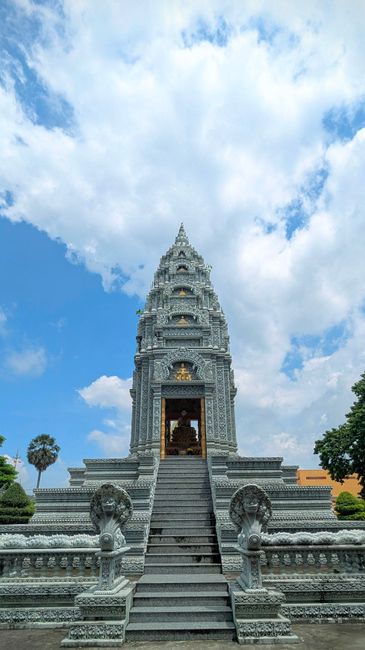
Exploring Vietnamese Spirituality: Buddhism, Taoism, and Confucianism
Hey there! Have you ever traveled to Vietnam? Or even just thought about its rich culture? Beyond the delicious pho and bustling streets, there's a fascinating spiritual tapestry woven into the very fabric of Vietnamese life. It's a blend of Buddhism, Taoism, and Confucianism – often referred to as "the three teachings" or "Tam Giao" – that creates a unique and deeply personal expression of faith. I've always been drawn to how these different philosophies coexist and influence each other, so I wanted to share some of my insights and experiences with you.
Understanding the Spiritual Landscape of Vietnam

Vietnamese religious practice isn't always about strict adherence to a single dogma. Instead, it's more of a fluid and integrated system. Think of it like a vibrant watercolor painting where the colors of Buddhism, Taoism, and Confucianism blend seamlessly, creating a beautiful and complex picture. For many Vietnamese people, these philosophies aren't mutually exclusive but rather complementary paths to a more meaningful life.
What makes this blend so captivating is its adaptability. You might see a family praying at a Buddhist temple one day and consulting a Taoist geomancer for the best placement of their ancestral altar the next. And underlying it all is a deep respect for family, ancestors, and social harmony – core Confucian values. It's this syncretism that makes understanding Vietnamese spirituality so rewarding.
Buddhism in Vietnam: A Path to Enlightenment

Buddhism is arguably the most influential religion in Vietnam, with a history stretching back over two millennia. Two main branches of Buddhism are practiced: Mahayana (the "Greater Vehicle") and Theravada (the "Doctrine of the Elders"). Mahayana is more prevalent in the north, while Theravada is stronger in the south, reflecting historical trade and migration patterns.
My first experience with Vietnamese Buddhism was during a visit to a serene pagoda nestled in the countryside. The gentle chanting of the monks, the smell of incense, and the peaceful atmosphere created an overwhelming sense of calm. It was then I realized that Buddhism in Vietnam is less about rigid rituals and more about cultivating inner peace and compassion.
Here are some key aspects of Buddhism in Vietnam:
- Emphasis on Karma and Rebirth: Like in other Buddhist traditions, the concept of karma – the principle of cause and effect – is central. Actions in this life determine future lives, leading to a cycle of rebirth until enlightenment is achieved.
- Veneration of Buddhas and Bodhisattvas: Vietnamese Buddhists often pray to various Buddhas and Bodhisattvas (enlightened beings who postpone their own nirvana to help others). Quan Am, the Bodhisattva of Compassion, is particularly revered and considered a mother figure to many.
- Monastic Life: Monks and nuns play a crucial role in preserving and propagating Buddhist teachings. They live simple lives dedicated to meditation, study, and service to the community.
- Festivals and Ceremonies: Vietnamese Buddhist festivals are colorful and vibrant, often involving elaborate processions, offerings, and prayers. Vesak, celebrating the Buddha's birth, enlightenment, and death, is one of the most important events.
What I find particularly fascinating is how Vietnamese Buddhism has adapted to local customs and beliefs. It's not a static, imported religion but a dynamic and evolving tradition that reflects the unique cultural context of Vietnam.
Taoism in Vietnam: Harmony with the Dao
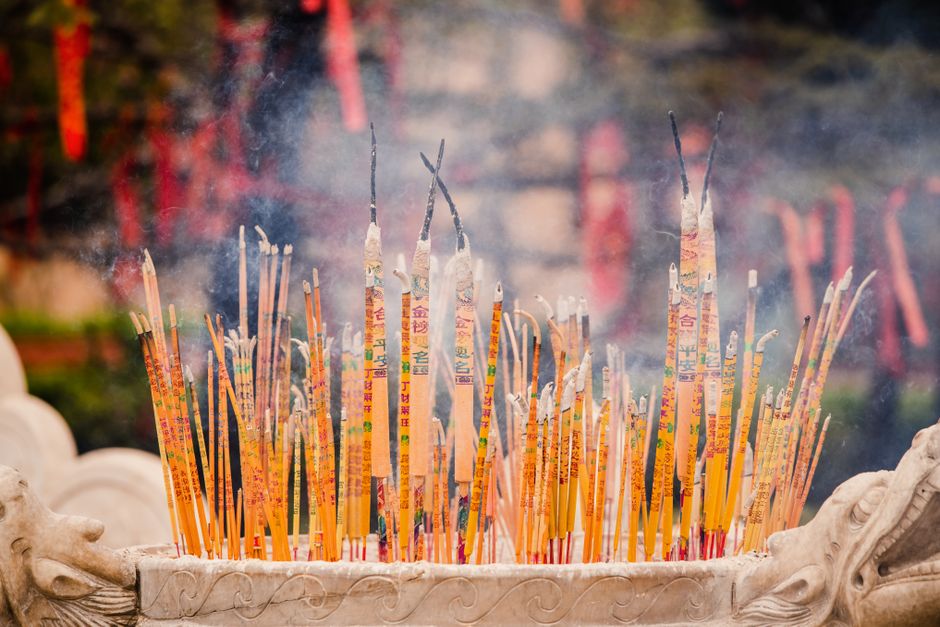
Taoism, with its emphasis on living in harmony with the Dao (the Way) and seeking balance in all things, is another essential thread in Vietnam's spiritual fabric. While perhaps less visible than Buddhism, Taoist principles and practices have deeply influenced Vietnamese folklore, medicine, and geomancy (the art of arranging buildings and objects in accordance with spiritual forces).
Taoism focuses on:
- The Dao: This is the fundamental principle that underlies all existence. It's the source of everything and the force that governs the universe. Living in accordance with the Dao involves understanding and aligning oneself with its natural flow.
- Yin and Yang: The concept of yin and yang represents the complementary and interconnected nature of all things. Yin is associated with darkness, passivity, and femininity, while yang is associated with light, activity, and masculinity. Maintaining balance between yin and yang is crucial for health and well-being.
- Deities and Immortals: Taoism features a pantheon of deities and immortals who are believed to have attained enlightenment through living in harmony with the Dao. These figures are often venerated for their wisdom and power.
- Rituals and Practices: Taoist rituals often involve chanting, meditation, and the use of talismans and charms to ward off evil spirits and promote good fortune. Geomancy is also a key practice, used to determine the auspicious placement of buildings and graves.
I remember visiting a small, unassuming temple in Hanoi dedicated to a local spirit. The atmosphere was charged with a palpable energy, and I could sense the deep respect that the local community held for the spirit. It was a reminder that Taoism in Vietnam is often intertwined with local beliefs and practices, creating a unique blend of the universal and the particular.
Confucianism in Vietnam: Ethics, Society, and Family
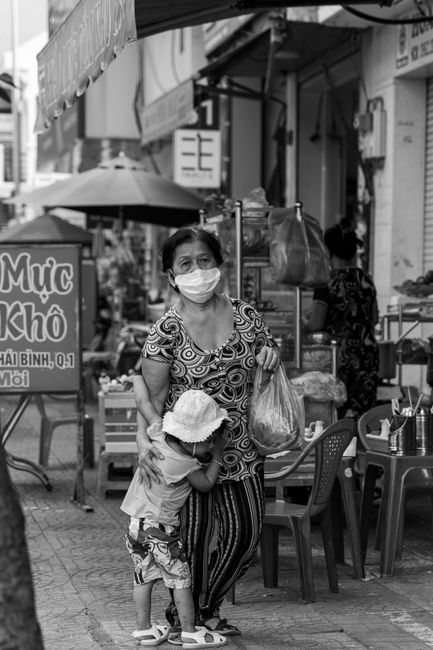
Confucianism, while not strictly a religion, is a system of ethics and social philosophy that has profoundly shaped Vietnamese culture for centuries. It emphasizes the importance of social harmony, respect for elders, and the cultivation of moral virtues. Confucian values underpin many aspects of Vietnamese life, from family relationships to education and government.
The key tenets of Confucianism include:
- Filial Piety (Hiếu): This is the cornerstone of Confucianism, emphasizing respect and obedience to parents and ancestors. It extends beyond the immediate family to include the entire lineage.
- Social Harmony: Maintaining social order and harmony is considered essential for a well-functioning society. This is achieved through adherence to social norms and hierarchies.
- Education and Self-Cultivation: Confucianism places a strong emphasis on education and the pursuit of knowledge. Self-cultivation, through study and moral reflection, is seen as a lifelong process.
- The Five Relationships: Confucianism outlines five key relationships that structure society: ruler and subject, parent and child, husband and wife, elder sibling and younger sibling, and friend and friend. Each relationship is characterized by specific roles and responsibilities.
What I've always admired about Confucianism is its emphasis on personal responsibility and ethical conduct. It provides a framework for living a virtuous life and contributing to the well-being of society. You can see its influence in the way Vietnamese people interact with each other, the respect they show for their elders, and the value they place on education.
For example, the emphasis on education is incredibly strong. Vietnamese families often make significant sacrifices to ensure their children have access to the best possible education, believing it's the key to a brighter future. This dedication to learning reflects the deep-rooted Confucian belief in the transformative power of knowledge.
Tam Giao: The Harmony of Three Teachings

As mentioned before, the beauty of Vietnamese spirituality lies in the harmonious coexistence of Buddhism, Taoism, and Confucianism, known as "Tam Giao." These three teachings don't compete with each other; instead, they complement and enrich each other, providing a comprehensive framework for living a meaningful and fulfilling life.
Here's how I see them working together:
- Buddhism provides a path to inner peace and enlightenment, focusing on compassion, mindfulness, and the transcendence of suffering.
- Taoism encourages living in harmony with nature, seeking balance and understanding the interconnectedness of all things.
- Confucianism offers a framework for ethical conduct and social harmony, emphasizing respect for elders, filial piety, and the cultivation of moral virtues.
In practice, this means that a Vietnamese person might seek solace in Buddhist meditation, consult a Taoist geomancer for advice on feng shui, and strive to uphold Confucian values in their family and community. It's a holistic approach to spirituality that addresses both the individual and the collective well-being.
Imagine a Vietnamese home. You might find a Buddhist altar with images of the Buddha and Bodhisattvas, a Taoist amulet for protection, and a carefully maintained ancestral altar honoring deceased family members. This is Tam Giao in action – a tangible representation of the intertwined threads of Buddhism, Taoism, and Confucianism.
Modern Interpretations and Adaptations
While deeply rooted in tradition, Vietnamese religious practices are not static. They continue to evolve and adapt to the challenges and opportunities of the modern world. Many Vietnamese people are finding new ways to integrate these ancient teachings into their daily lives, using them to navigate the complexities of globalization and urbanization.
For instance, there's a growing interest in mindfulness and meditation practices, inspired by Buddhist teachings, as a way to cope with stress and anxiety. Similarly, Taoist principles of balance and harmony are being applied to sustainable living and environmental conservation. And Confucian values of respect and responsibility continue to guide family relationships and community interactions.
What's particularly inspiring is how young Vietnamese people are embracing these traditions in their own way, finding meaning and relevance in them. They're not simply clinging to the past but actively shaping the future of Vietnamese spirituality.
Experiencing Vietnamese Spirituality Firsthand

The best way to truly understand Vietnamese religious practices is to experience them firsthand. If you ever have the opportunity to visit Vietnam, I highly recommend exploring its temples, pagodas, and shrines. Take the time to observe the rituals, listen to the chanting, and talk to the people. You'll be amazed by the depth and richness of Vietnamese spirituality.
Here are a few tips for respectfully engaging with Vietnamese religious sites:
- Dress modestly: Avoid wearing revealing clothing when visiting temples and pagodas. Cover your shoulders and knees.
- Remove your shoes: It's customary to remove your shoes before entering a temple or pagoda.
- Be respectful: Avoid talking loudly or engaging in disruptive behavior. Maintain a respectful demeanor.
- Ask questions: If you're curious about something, don't hesitate to ask a monk or a local. They're usually happy to share their knowledge.
- Offer a donation: It's customary to offer a small donation when visiting a temple or pagoda.
Beyond the temples and pagodas, keep an eye out for smaller, more intimate shrines dedicated to local spirits and deities. These shrines often reflect the unique cultural heritage of the region and offer a glimpse into the everyday spirituality of the Vietnamese people.
Ultimately, exploring Vietnamese spirituality is a journey of discovery – a chance to learn about a rich and complex cultural heritage and to reflect on your own beliefs and values. It's an experience that can broaden your perspective and deepen your understanding of the human condition.
So, next time you're thinking about Vietnam, remember that beyond the tourist attractions and delicious food, there's a vibrant spiritual landscape waiting to be explored. It's a blend of Buddhism, Taoism, and Confucianism that has shaped the country's culture and continues to inspire its people. I hope this little glimpse into Vietnamese spirituality has sparked your curiosity and encouraged you to learn more!

Post a Comment for "Exploring Vietnamese Spirituality: Buddhism, Taoism, and Confucianism"
Post a Comment