Essential Vietnamese Customs & Etiquette: Your Guide to a Smooth Trip

Essential Vietnamese Customs & Etiquette: Your Guide to a Smooth Trip
Hey there, fellow travel enthusiasts! So, you're planning a trip to Vietnam? Awesome choice! Prepare to be swept away by its vibrant culture, stunning landscapes, and incredibly delicious food. But before you hop on that plane, let's talk about something crucial: Vietnamese customs and etiquette. Trust me, understanding and respecting these nuances will not only enhance your experience but also help you connect with the locals on a deeper level.
Greetings and Introductions: The Art of "Xin Chào"

First impressions matter, right? In Vietnam, greetings are often more formal than in many Western countries. While English is increasingly spoken, especially in tourist areas, knowing a few basic Vietnamese phrases will go a long way. And trust me, the smiles you'll get in return are priceless!
Here's the breakdown:
- The "Xin Chào" (Hello): This is your go-to greeting. Pronounce it something like "Sin Chow." It's versatile and appropriate for most situations.
- The Bow (Light Nod): While not always mandatory, a slight bow or nod of the head, especially when greeting someone older or of higher status, shows respect.
- Addressing People: This is where it gets a little tricky. Vietnamese names are structured as Family Name - Middle Name (optional) - Given Name. When addressing someone, use their given name with the appropriate title. Common titles include:
- Ông (Ông): Mr. (for older men)
- Bà (Bà): Mrs. (for older women)
- Cô (Cô): Miss (for younger women)
- Anh (Anh): Older brother/Mr. (for younger men or those of similar age)
- Chị (Chị): Older sister/Ms. (for younger women or those of similar age)
So, if you meet someone named Nguyen Van Anh, you might address him as "Anh Anh" if he's younger than you or of similar age. If he is older, you would use "Ông Anh". If you are unsure, start with "Anh" or "Chị", they are usually fine to use as a general term, especially when speaking Vietnamese to foreigners.
Don't worry too much about getting it perfect. Vietnamese people are incredibly forgiving, and they'll appreciate the effort you make to learn their language and customs. I remember butchering the pronunciation of "Cảm ơn" (thank you) on my first trip, and the lady at the market just giggled and gently corrected me. It was a sweet moment of connection.
Dining Etiquette: Chopsticks, Tea, and Generosity

Vietnamese cuisine is a culinary adventure, and sharing a meal is a central part of their culture. However, there are a few things you should keep in mind to avoid faux pas at the table.
Here's a quick rundown:
- Chopstick Etiquette: This is crucial!
- Never stick your chopsticks upright in a bowl of rice. This resembles incense offerings to the dead and is considered highly disrespectful.
- Don't use your chopsticks to point at people or objects.
- Use the communal chopsticks (if provided) to serve yourself from shared dishes. Don't use your own chopsticks to rummage through the food.
- Place your chopsticks neatly on the chopstick rest or on the table when you're not using them.
- Tea Culture: Tea is an integral part of Vietnamese hospitality. You'll often be offered tea, even in shops. It's polite to accept.
- Sharing is Caring: Vietnamese meals are typically served family-style, with dishes shared among everyone at the table. Don't be shy about trying everything!
- Don't Finish Everything: Leaving a small amount of food on your plate is considered polite, indicating that you've had enough. Cleaning your plate can imply that your host didn't provide enough food.
- Wait for the Eldest to Start: Show respect by waiting for the eldest person at the table to begin eating before you do.
- Offering to Pay: If you're invited to a meal, it's polite to offer to pay, but don't be surprised if your host insists on covering the bill. Reciprocate the gesture later by inviting them for a coffee or another meal.
One of my most memorable dining experiences in Vietnam was at a small, family-run restaurant in Hoi An. The owner insisted on teaching me how to properly use chopsticks (after I almost poked my eye out!), and we ended up sharing stories and laughter over plates of cao lầu. It was a truly authentic and heartwarming experience.
Dress Code and Appearance: Respectful Attire

While Vietnam is generally quite relaxed, particularly in tourist areas, it's important to dress respectfully, especially when visiting religious sites or interacting with locals in more conservative areas. Here are some guidelines:
- Modesty is Key: Avoid overly revealing clothing, especially when visiting temples, pagodas, or other religious sites. Cover your shoulders and knees.
- Dress Appropriately for the Occasion: If you're attending a formal event or meeting someone important, dress a bit more formally.
- Remove Your Shoes: It's customary to remove your shoes when entering someone's home, temples, or some shops. Look for a pile of shoes near the entrance – that's your cue!
- Sun Protection: The Vietnamese sun can be intense, so wear sunscreen, a hat, and sunglasses to protect yourself.
I learned this lesson the hard way when I showed up at a temple in shorts and a tank top. I was quickly (and politely) redirected and offered a sarong to cover up. It was a good reminder that respecting local customs is paramount.
Public Behavior: Keeping it Cool and Calm

Vietnamese culture values harmony and avoiding confrontation. Here's how to navigate public spaces with grace:
- Avoid Public Displays of Anger: Losing your temper in public is considered extremely rude and can lead to a loss of face for both you and the person you're arguing with. Try to remain calm and polite, even if you're feeling frustrated.
- Be Mindful of Noise Levels: Keep your voice down in public places, especially in residential areas.
- Respect Personal Space: Avoid touching people unnecessarily, especially on the head, which is considered the most sacred part of the body.
- Haggling: Haggling is common in markets, but do it respectfully and with a smile. Don't try to drive the price down too much, and remember that a small amount of money can make a big difference to the vendor.
- Public Affection: While displays of affection are becoming more common, especially among younger couples, it's still best to keep it discreet in public places.
I once witnessed a tourist yelling at a street vendor over a minor misunderstanding. The vendor was visibly distressed, and the situation quickly escalated. It was an uncomfortable reminder of the importance of remaining calm and respectful, even when things aren't going your way.
Visiting Temples and Pagodas: Showing Reverence
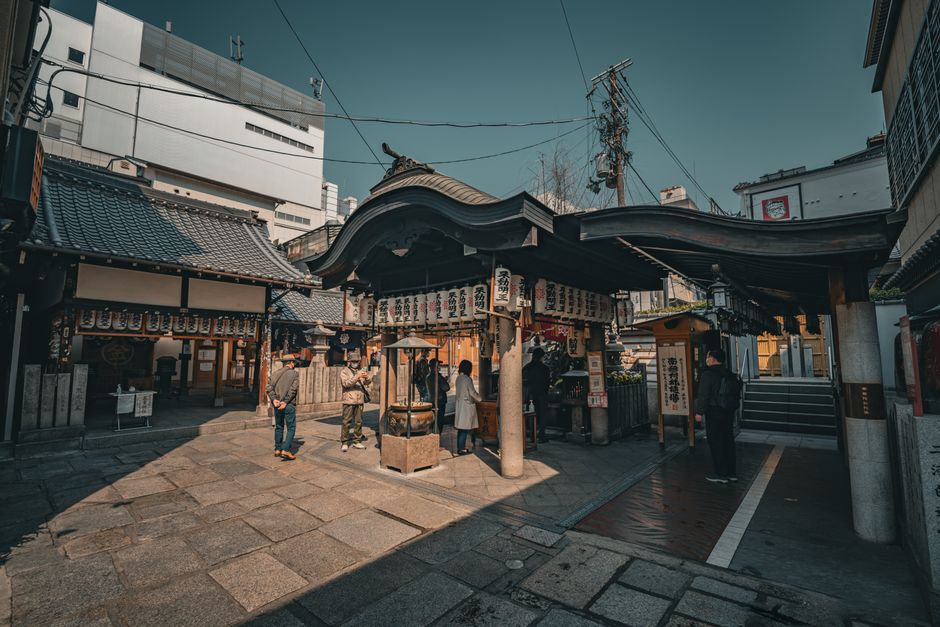
Temples and pagodas are sacred places in Vietnam, and it's essential to show respect when visiting them.
- Dress Modestly: As mentioned before, cover your shoulders and knees.
- Remove Your Shoes: Leave your shoes outside the entrance.
- Speak Quietly: Maintain a respectful silence inside the temple.
- Ask for Permission Before Taking Photos: Some temples may not allow photography, so always ask for permission first.
- Avoid Pointing Your Feet at Buddha Images: This is considered highly disrespectful.
- Do Not Turn Your Back on the Buddha: When leaving, walk backwards a few steps before turning to depart.
- Offerings: If you wish to make an offering, you can purchase incense or flowers at the entrance.
Visiting the Perfume Pagoda near Hanoi was a deeply moving experience. The atmosphere was serene and spiritual, and I felt a profound sense of peace and reverence. Just remember to be respectful and mindful of your surroundings.
Tipping: A Growing Custom

Tipping is not as deeply ingrained in Vietnamese culture as it is in some Western countries, but it's becoming more common, especially in tourist areas.
Here's a general guideline:
- Restaurants: Tipping is not expected, but it's always appreciated for good service. Rounding up the bill or leaving a small tip (5-10%) is a nice gesture.
- Taxis: Rounding up the fare is common.
- Tour Guides and Drivers: Tipping is customary and appreciated. A tip of $5-10 per day is generally considered appropriate.
- Spas and Salons: Tipping is not required, but it's a nice gesture to tip 10-15% for good service.
- Porters and Bellhops: A small tip of $1-2 per bag is appreciated.
Remember, tipping is always at your discretion and should be based on the quality of service you receive. A genuine "thank you" is also always appreciated!
Bargaining: The Art of Negotiation

Bargaining is a common practice in Vietnamese markets and shops. It's part of the fun of shopping, but it's important to do it respectfully.
- Start Low: Begin by offering a price that's significantly lower than the asking price.
- Be Polite and Friendly: Always haggle with a smile.
- Know Your Limits: Decide on a price you're willing to pay and stick to it.
- Be Prepared to Walk Away: If you can't reach an agreement, be prepared to walk away. Sometimes the vendor will call you back with a better offer.
- Remember the Value: A small amount of money can make a big difference to the vendor, so don't try to drive the price down too much.
I once spent a hilarious hour haggling over a silk scarf in a market in Hanoi. The vendor and I went back and forth, laughing and joking, until we finally reached a price that we both agreed on. It was a fun and memorable experience, and I ended up with a beautiful scarf at a great price!
Final Thoughts: Embrace the Culture!

Ultimately, the key to having a positive and enriching experience in Vietnam is to embrace the culture, be respectful, and be open to new experiences. Don't be afraid to make mistakes – everyone does! The Vietnamese people are incredibly welcoming and forgiving, and they'll appreciate your efforts to understand their customs and traditions.
So, go forth, explore, and enjoy the magic of Vietnam! And remember to "Xin Chào" your way into the hearts of the locals!

Post a Comment for "Essential Vietnamese Customs & Etiquette: Your Guide to a Smooth Trip"
Post a Comment