Eating Like a Local in Hoi An: Unearthing Culinary Secrets on a Food Tour
Eating Like a Local in Hoi An: Unearthing Culinary Secrets on a Food Tour
Okay, picture this: you're in Hoi An, Vietnam, the lantern-lit ancient town brimming with charm and history. You've wandered the yellow-walled streets, marvelled at the Japanese Covered Bridge, and maybe even gotten some custom tailoring done. But you're starting to get hungry. Really hungry. And that's when it hits you – you want an authentic food experience. Not the tourist traps, but the hidden gems where the locals eat. That's precisely where a secret food tour steps in to save the day (and your stomach!).
Why a Food Tour in Hoi An? My Personal Revelation
Let's be honest, navigating a new culinary landscape can be daunting. Menus written in a language you don't understand, unfamiliar ingredients, and the constant fear of accidentally ordering something... adventurous. I've been there! During my first trip to Southeast Asia, I spent way too much time sticking to dishes I recognized, completely missing out on the truly incredible, authentic flavors. That's when I realised the value of a guided food tour. It's not just about eating; it's about understanding the food, the culture behind it, and the stories that each dish tells.
Hoi An is a perfect example. It's a melting pot of culinary influences, from Chinese and Japanese to French and of course, distinctly Vietnamese. A food tour, especially a 'secret' one, takes you beyond the well-trodden tourist path, introducing you to family-run businesses, hidden alleyways, and dishes you'd probably never discover on your own. For me, it was a complete game-changer.
What to Expect on a Hoi An Secret Food Tour
Every tour is different, but here's a general idea of what you can expect, based on my own experiences and research:
- Small Group Size: Forget being herded around with dozens of other tourists. Secret food tours usually keep the groups small and intimate, allowing for more interaction with your guide and a more personalized experience.
- Local Guides: This is key! These aren't just people reciting facts from a script. They're passionate locals who genuinely love sharing their food and culture with you. They'll tell you about the history of the dishes, the ingredients used, and even some funny anecdotes about the vendors.
- Hidden Locations: Say goodbye to the crowded restaurants on the main streets. Your guide will lead you down narrow alleyways, into bustling markets, and to family-run eateries tucked away from the tourist crowds. This is where the real magic happens.
- Diverse Food Selection: Be prepared for a culinary adventure! You'll sample a variety of dishes, from street food snacks to hearty meals. Think fresh spring rolls, savory pancakes, flavorful noodle soups, and maybe even some more adventurous options (more on that later!).
- Drinks Included: Staying hydrated is crucial, especially in the Hoi An heat. Most tours include water, soft drinks, and maybe even some local beer or rice wine.
Must-Try Dishes on a Hoi An Food Tour (And Where to Find Them!)
Okay, let's get to the good stuff: the food! Here are some of the dishes I encountered (and highly recommend you try) on my Hoi An food tour adventure:
- Cao Lầu: This is Hoi An's signature noodle dish, and it's unlike anything you've ever tasted. The noodles are thick, chewy, and slightly yellow, thanks to a special lye water recipe. They're topped with slices of char siu pork, crispy croutons, fresh greens, and a flavorful broth. Legend has it the secret to the noodles lies in the water used to make them, sourced from a specific well in Hoi An.
- White Rose Dumplings (Bánh Bao Bánh Vạc): These delicate, translucent dumplings are another Hoi An specialty. They're made with rice flour dough and filled with a mixture of ground shrimp or pork. The dumplings are steamed and topped with crispy fried shallots and a sweet dipping sauce. The name "White Rose" comes from their shape, which resembles a delicate white rose. It's said that almost all restaurants source these dumplings from one family!
- Bánh Mì: Okay, Bánh Mì isn't exclusive to Hoi An, but the Hoi An version is considered by many to be the best in Vietnam. The baguette is crispy on the outside and soft on the inside, and it's filled with a variety of ingredients, including pate, cold cuts, pickled vegetables, cilantro, chili, and mayonnaise. Each vendor has their own secret recipe, and it's worth trying a few different ones to find your favorite. The famous Banh Mi Phuong is often recommended, but I encourage exploring beyond it too!
- Bánh Xèo: These crispy, savory pancakes are a popular street food snack in Vietnam. They're made with rice flour batter, coconut milk, and turmeric, and they're filled with shrimp, pork, bean sprouts, and herbs. They're served with a dipping sauce, and you eat them by wrapping them in rice paper with fresh greens.
- Grilled Pork Skewers (Thịt Nướng): These marinated pork skewers are grilled over charcoal, giving them a smoky, savory flavor. They're often served with rice paper, fresh herbs, and a peanut dipping sauce. You can wrap the pork skewers in the rice paper with the herbs and dip it in the sauce for a delicious and satisfying snack.
- Sweet Soup (Chè): After all that savory goodness, you'll need something sweet! Chè is a Vietnamese dessert soup that comes in a variety of flavors and textures. Some common ingredients include beans, tapioca pearls, coconut milk, and fruit. It's a refreshing and delicious way to end your food tour.
Beyond the Food: Cultural Immersion
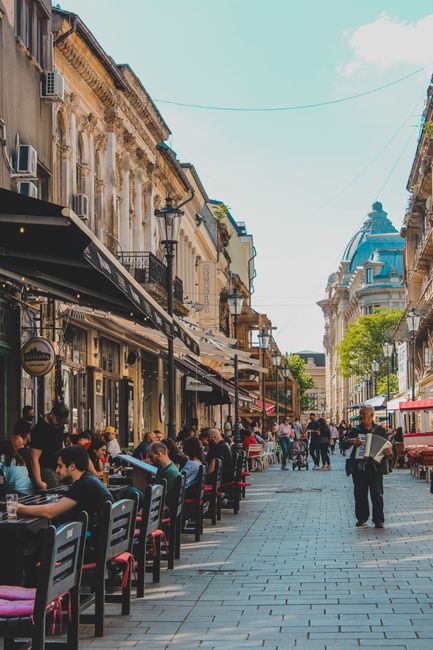
A good food tour isn't just about the food; it's about the cultural immersion. On my tour, I learned about:
- Vietnamese Coffee Culture: Coffee is a big deal in Vietnam, and Hoi An is no exception. I learned about the different types of coffee, the traditional brewing methods (like the Phin filter), and the etiquette of drinking coffee with locals.
- Market Etiquette: Navigating a Vietnamese market can be overwhelming. My guide taught me how to haggle politely, how to identify fresh ingredients, and how to avoid getting scammed.
- Family Traditions: I visited several family-run businesses during the tour, and I was touched by the passion and dedication that these families had for their food. It was inspiring to see how they were preserving their traditions and sharing their culture with visitors.
Choosing the Right Hoi An Food Tour: What to Look For

With so many food tours available, how do you choose the right one? Here are a few things to consider:
- Read Reviews: Check online reviews on platforms like TripAdvisor, Google, and GetYourGuide. Pay attention to what other travelers say about the food quality, the guide's knowledge, and the overall experience.
- Check the Itinerary: Make sure the tour includes a variety of dishes that you're interested in trying. Look for tours that offer a mix of street food and restaurant meals.
- Consider the Group Size: Smaller groups generally offer a more personalized experience. Look for tours that limit the number of participants.
- Ask About Dietary Restrictions: If you have any dietary restrictions (vegetarian, vegan, gluten-free, etc.), make sure the tour can accommodate you. Contact the tour operator beforehand to discuss your needs.
- Price: Food tour prices can vary depending on the length of the tour, the number of dishes included, and the reputation of the tour operator. Compare prices and choose a tour that fits your budget.
My Personal Hoi An Food Tour Highlight: The Unexpected Discoveries

For me, the best part of the food tour was the unexpected discoveries. It wasn't just about ticking off a list of popular dishes; it was about stumbling upon hidden culinary gems that I would have never found on my own. Like the tiny stall selling the most incredible Bánh Khọt (mini savory pancakes) tucked away in a back alley. Or the friendly old lady who made the most amazing Tào Phớ (silky tofu pudding with ginger syrup) from a cart on the street. These were the moments that truly made the tour special.
One slightly adventurous dish I tried was Balut. Now, I know what you're thinking – a developing duck embryo isn't exactly everyone's cup of tea. Honestly, I was hesitant. But my guide explained the cultural significance of it, the way it's traditionally eaten, and encouraged me to at least try a small bite. And you know what? It wasn't as bad as I expected! It was…interesting. I wouldn't necessarily order it again, but I'm glad I stepped outside my comfort zone and tried something new.
Tips for Maximizing Your Hoi An Food Tour Experience
Here are a few tips to help you make the most of your Hoi An food tour:
- Come Hungry: Seriously. Don't eat a big meal before the tour. You'll be sampling a lot of food, so you'll want to have plenty of room in your stomach.
- Wear Comfortable Shoes: You'll be doing a lot of walking, so make sure you wear comfortable shoes.
- Bring Cash: While some vendors may accept credit cards, it's always a good idea to bring cash, especially for smaller stalls and markets.
- Ask Questions: Don't be afraid to ask your guide questions about the food, the culture, or anything else you're curious about. They're there to share their knowledge with you.
- Be Open-Minded: Try new things! Step outside your comfort zone and sample dishes you've never heard of before. You might just discover your new favorite food.
- Tip Your Guide: If you enjoyed the tour, it's customary to tip your guide. A tip of 10-15% is generally appreciated.
Beyond the Tour: Continuing Your Culinary Exploration
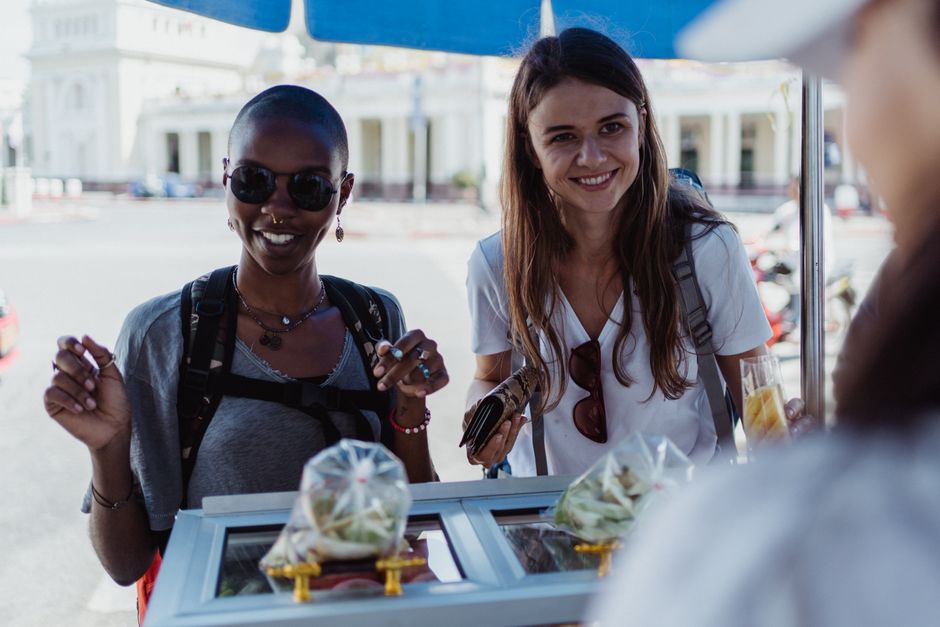
The food tour is a great starting point, but don't stop there! Use what you learned on the tour to continue exploring Hoi An's culinary scene on your own. Here are a few ideas:
- Visit the Hoi An Central Market: This bustling market is a feast for the senses. You'll find fresh produce, seafood, spices, and a variety of street food stalls.
- Take a Cooking Class: Learn how to make your favorite Vietnamese dishes yourself. Many cooking schools in Hoi An offer classes for all skill levels.
- Explore An Bang Beach: Just a short drive from Hoi An, An Bang Beach is a great place to relax and enjoy fresh seafood.
- Ask Locals for Recommendations: Don't be afraid to ask locals for their favorite restaurants and street food stalls. They'll often point you to hidden gems that you wouldn't find otherwise.
Final Thoughts: A Culinary Adventure Worth Taking

A secret food tour in Hoi An is more than just a meal; it's an experience. It's a chance to delve into the heart of Vietnamese culture, connect with locals, and discover the authentic flavors of this incredible ancient town. It's a way to move beyond the surface and truly experience a place. So, if you're planning a trip to Hoi An, I highly recommend booking a food tour. You won't regret it!

Post a Comment for "Eating Like a Local in Hoi An: Unearthing Culinary Secrets on a Food Tour"
Post a Comment