Discovering the Soul of Vietnam: A Journey Through Its Diverse Ethnic Tapestry

Discovering the Soul of Vietnam: A Journey Through Its Diverse Ethnic Tapestry
Vietnam. The name conjures images of vibrant cities, breathtaking landscapes, and, of course, delicious food! But beyond the pho and the beaches, lies a rich and complex tapestry woven from the threads of its many ethnic groups. I've always been drawn to cultures, and exploring Vietnam's ethnic diversity has been an incredible journey of learning and appreciation. It's more than just ticking off tourist spots; it's about understanding the heart and soul of the country. Let me share my experiences and insights with you, as we delve into the fascinating world of Vietnam's ethnic minorities.
Why Exploring Vietnam's Ethnic Groups Matters
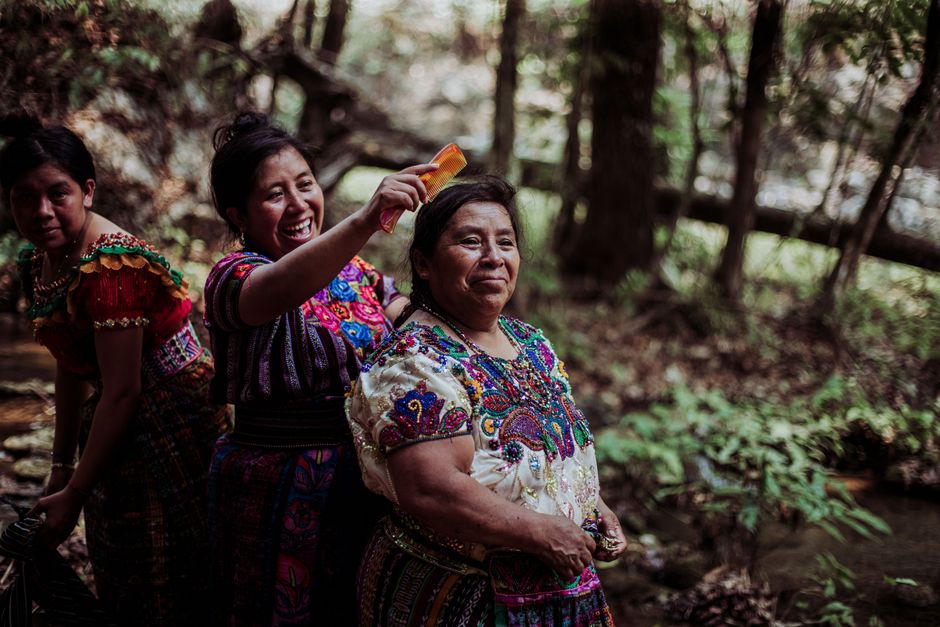
For years, I traveled the well-worn tourist paths, enjoying the beautiful sights and tastes of Vietnam. But I felt like I was missing something. I craved a deeper understanding, a connection to the people beyond the surface. That's when I started researching Vietnam's ethnic groups, and honestly, it was like discovering a whole new country!
Why is it so important? Well, for starters, ethnic minorities make up a significant portion of Vietnam's population, although they are a minority. Understanding their history, traditions, and challenges provides a more complete picture of Vietnam as a nation. It helps us appreciate the nuances of Vietnamese culture and avoid painting with broad, inaccurate strokes.
Furthermore, many ethnic minority cultures are facing challenges in a rapidly modernizing world. By learning about them, and supporting sustainable tourism initiatives, we can contribute to preserving their unique heritage for future generations. It's about responsible travel, about leaving a positive impact wherever we go.
A Glimpse into Vietnam's Ethnic Mosaic
Officially, Vietnam recognizes 54 ethnic groups, with the Kinh (Viet) people constituting the majority. The remaining 53 are spread across the country, primarily in the mountainous regions. Each group boasts its own distinct language, customs, traditions, clothing, and social structures. It's like exploring 53 miniature worlds within one country! Here are just a few that particularly captivated me:
- The Hmong: Known for their vibrant indigo-dyed clothing and intricate silver jewelry, the Hmong are found primarily in the northern highlands. I was mesmerized by their skill in weaving and their unique funeral rituals. Their history is one of resilience, having migrated across vast distances over centuries.
- The Tay: One of the larger ethnic minority groups, the Tay are known for their stilt houses and wet rice cultivation. Their traditional songs and dances are enchanting, and their festivals are vibrant celebrations of community and harvest. I remember being welcomed into a Tay family's home and feeling an incredible sense of warmth and hospitality.
- The Dao: Recognizable by their distinctive red headdresses and elaborate embroidery, the Dao are skilled artisans and farmers. They practice a blend of animistic beliefs and ancestral worship. Witnessing a Dao shaman ceremony was a truly powerful and unforgettable experience.
- The Thai: Not to be confused with people from Thailand, the Thai ethnic group in Vietnam have their own unique language and culture. They are known for their distinctive black clothing and intricate textiles. Their stilt houses are built in a specific style, reflecting their close connection to nature.
- The Cham: Remnants of the ancient Champa kingdom, the Cham people are primarily found in the coastal regions of central and southern Vietnam. They practice a blend of Hinduism and Islam and have a rich architectural heritage. Visiting the Cham towers scattered across the landscape was like stepping back in time.
My Personal Encounters and Lessons Learned

My exploration of Vietnam's ethnic groups has been a deeply personal journey, filled with heartwarming encounters and valuable lessons. It's easy to read about these cultures in books, but experiencing them firsthand is something else entirely.
One of my most memorable experiences was spending a few days in a Hmong village near Sapa. I stayed in a simple homestay, shared meals with the family, and even tried my hand at weaving (with disastrous results, I must admit!). What struck me most was their incredible resilience and resourcefulness. Despite facing economic hardship, they maintained a strong sense of community and a deep connection to their traditions.
Another time, I attended a Thai New Year celebration in Mai Chau. The whole village was alive with music, dancing, and laughter. I was invited to participate in the traditional water splashing ceremony, which is meant to bring good luck and wash away the old year's misfortunes. It was such a joyful and inclusive experience, and I felt truly welcomed into their community.
Through these encounters, I learned the importance of approaching each culture with respect and humility. It's crucial to listen more than you speak, to ask questions with genuine curiosity, and to avoid making assumptions based on stereotypes. I also learned that simple acts of kindness and genuine interest can go a long way in building bridges and fostering understanding.
Tips for Responsible Exploration

If you're planning to explore Vietnam's ethnic cultures, it's important to do so responsibly and ethically. Here are a few tips to keep in mind:
- Do your research: Before you go, learn as much as you can about the ethnic groups you'll be visiting. Understand their customs, traditions, and social norms. This will help you avoid making cultural faux pas and show respect for their way of life.
- Choose ethical tour operators: Opt for tour companies that work directly with local communities and prioritize sustainable tourism practices. Look for operators that pay fair wages, support local businesses, and minimize their environmental impact.
- Respect local customs: Dress modestly when visiting villages and religious sites. Ask permission before taking photos of people. Be mindful of your behavior and avoid loud or disruptive actions.
- Learn a few basic phrases: Even a few simple greetings in the local language can go a long way in showing respect and building rapport.
- Support local businesses: Buy handicrafts and souvenirs directly from artisans in the villages. This provides them with income and helps preserve their traditional skills.
- Be open-minded and respectful: Remember that you are a guest in their community. Be open to learning new things and willing to adapt to their way of life.
Challenges and the Future

While the beauty and richness of Vietnam's ethnic cultures are undeniable, it's important to acknowledge the challenges they face. Modernization, economic development, and cultural assimilation pose significant threats to their traditional way of life. Many young people are leaving their villages to seek opportunities in the cities, leading to a loss of cultural knowledge and traditions.
Land rights are also a major issue for many ethnic minority groups. They often lack secure tenure over their ancestral lands, making them vulnerable to displacement and exploitation.
However, there is also hope for the future. Increasingly, there's a growing awareness of the importance of preserving Vietnam's cultural heritage. Government initiatives, along with efforts from NGOs and local communities, are working to promote sustainable tourism, support traditional crafts, and empower ethnic minority communities.
By visiting these communities responsibly, and by supporting initiatives that promote their well-being, we can all play a part in ensuring that their unique cultures continue to thrive for generations to come.
Planning Your Adventure: Where to Go
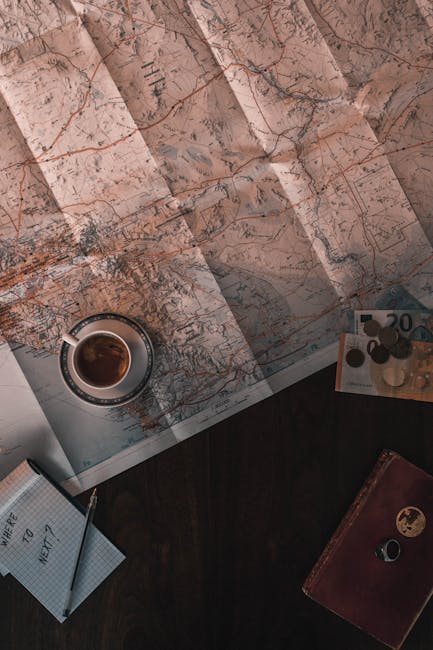
Ready to embark on your own adventure of ethnic discovery? Here are a few regions that offer incredible opportunities to connect with Vietnam's diverse cultures:
Northern Highlands

- Sapa: A popular destination, but with careful planning, you can still find authentic experiences in the surrounding villages. Visit Cat Cat Village and others for a glimpse of the Black Hmong people.
- Ha Giang: A more remote region with stunning landscapes and diverse ethnic groups, including the Hmong, Dao, and Tay. Consider a motorbike tour along the famous Ha Giang loop.
- Bac Ha: Famous for its colorful Sunday market, where various ethnic groups come to trade goods.
- Cao Bang: Home to the stunning Ban Gioc Waterfall and several ethnic minority communities.
Central Highlands
- Kon Tum: Explore the villages of the Bahnar and Jarai people, known for their communal houses (rong houses).
- Pleiku: Visit coffee plantations and learn about the cultures of the Gia Rai and Ba Na ethnic groups.
- Buon Ma Thuot: The "coffee capital" of Vietnam, with opportunities to learn about the Ede people and their longhouses.
Coastal Regions
- Ninh Thuan & Binh Thuan: Explore the Cham villages and ancient towers, remnants of the Champa kingdom.
Resources for Further Exploration

If you're eager to learn more, here are a few resources that I've found helpful:
- Books: "Culture Shock! Vietnam" by Claire Ellis is a great introduction to Vietnamese culture, including insights into ethnic minorities.
- Websites: Several websites offer information on Vietnam's ethnic groups, including those from universities and cultural organizations. A simple web search using the name of a particular ethnic group will often lead to relevant sites.
- Documentaries: Look for documentaries that showcase the lives and traditions of Vietnam's ethnic minorities. These can provide a visual and immersive experience.
- Talk to locals: Don't be afraid to ask questions and engage in conversations with people you meet during your travels. Their personal stories and perspectives can be invaluable.
Final Thoughts: A Journey of Discovery

Exploring Vietnam's ethnic groups has been an incredibly enriching and transformative experience for me. It's opened my eyes to the diversity and complexity of Vietnamese culture, and it's given me a deeper appreciation for the resilience and beauty of the human spirit. I hope that by sharing my experiences, I can inspire you to embark on your own journey of discovery and to connect with the soul of Vietnam in a meaningful way. Remember, travel is not just about seeing new places; it's about understanding new perspectives and building bridges between cultures. And in a world that sometimes feels increasingly divided, that's more important than ever.

Post a Comment for "Discovering the Soul of Vietnam: A Journey Through Its Diverse Ethnic Tapestry"
Post a Comment