Visiting a Vietnamese Fishing Village: A Glimpse into Coastal Life & Timeless Traditions

Visiting a Vietnamese Fishing Village: A Glimpse into Coastal Life & Timeless Traditions
Imagine waking up to the gentle rocking of a boat, the salty air filling your lungs, and the rhythmic sounds of the ocean just beyond your window. That's the reality for the people living in Vietnam's coastal fishing villages. On my recent trip, I decided to trade the bustling cityscapes for the tranquility and authenticity of these hidden gems, and it was an experience that truly changed my perspective.
A World Away From the Tourist Trail

Vietnam is known for its vibrant cities, delicious food, and stunning landscapes, but often overlooked are the small fishing villages that dot its long coastline. These villages offer a glimpse into a way of life that has remained largely unchanged for generations. Forget the fancy resorts and crowded beaches; here, life revolves around the sea, the daily catch, and the strong sense of community.
I wasn't looking for a manufactured tourist experience. I wanted to connect with the real Vietnam, to understand the lives of the people who work tirelessly to provide for their families, often in challenging conditions. And that's exactly what I found.
Choosing the Right Village: My Research and Recommendations

There are countless fishing villages scattered along Vietnam's coast, each with its own unique charm and character. Before I went, I spent hours researching different locations, reading blogs, and scouring forums to find the perfect fit. Here's what I considered:
- Accessibility: How easy is it to get to the village? Some are accessible only by boat, while others are a short drive from a major city. I opted for a village that was relatively easy to reach but still felt remote.
- Authenticity: Is the village still primarily a fishing community, or has it become overly touristy? I wanted to avoid places that felt staged or inauthentic.
- Accommodation: What type of accommodation is available? Some villages offer basic guesthouses or homestays, while others have no tourist infrastructure at all. I looked for a homestay where I could interact with a local family.
- Activities: What activities are available in the village? Aside from observing daily life, are there opportunities for fishing, boating, or exploring nearby islands?
Based on my research, I narrowed it down to a few options. While I won't name the specific village I visited to help preserve its authenticity, I can offer some general recommendations for areas that are known for their charming fishing communities:
- Mui Ne: While Mui Ne is popular with tourists, the fishing village at the eastern end still offers a glimpse into traditional life. The early morning market is a must-see!
- Lang Co: Located near Hue, Lang Co is a beautiful stretch of coastline with several smaller fishing villages. The scenery is stunning, and the seafood is fresh.
- Cat Ba Island: While Cat Ba Town is a tourist hub, venturing further afield on the island will lead you to quieter fishing villages.
Remember to do your own research and choose a village that aligns with your interests and travel style. Talk to other travelers, read online reviews, and don't be afraid to go off the beaten path.
Arriving in the Village: First Impressions

As I approached the village, I was immediately struck by the vibrant colors of the fishing boats bobbing in the harbor. Blue, green, red, and yellow hulls created a kaleidoscope against the backdrop of the turquoise sea. The air was filled with the salty scent of the ocean, the pungent aroma of drying fish, and the chatter of locals going about their daily routines.
There were no fancy hotels or souvenir shops, just simple wooden houses, narrow alleyways, and the ever-present hum of activity. Children played in the streets, women mended nets, and men prepared their boats for the next fishing trip. It was a scene straight out of a postcard, yet it felt incredibly real and unscripted.
My homestay was a modest but clean house overlooking the harbor. My hosts, a friendly couple named Mr. and Mrs. Nguyen, welcomed me with open arms and immediately made me feel like part of their family. They spoke little English, but their smiles and gestures transcended any language barrier.
A Day in the Life: Witnessing the Rhythm of Coastal Life

My days in the fishing village were filled with simple pleasures and profound observations. I woke up early each morning to witness the bustling activity of the local market. Fishermen returned with their catch, unloading baskets of glistening fish, squid, and shrimp onto the sandy shore. Vendors haggled over prices, their voices rising above the crashing waves. It was a chaotic yet captivating scene.
I spent hours wandering through the village, observing the daily routines of the locals. I watched women skillfully weaving fishing nets, their nimble fingers working with practiced ease. I saw men repairing their boats, carefully patching holes and applying fresh coats of paint. I observed children playing in the streets, their laughter echoing through the narrow alleyways.
One afternoon, Mr. Nguyen took me out on his fishing boat. It was an incredible experience to witness firsthand the challenges and rewards of fishing. We spent hours navigating the choppy waters, casting our nets and hoping for a good catch. While the fishing was slow that day, I gained a newfound respect for the hard work and dedication of these fishermen.
The Food: Fresh Seafood and Local Flavors
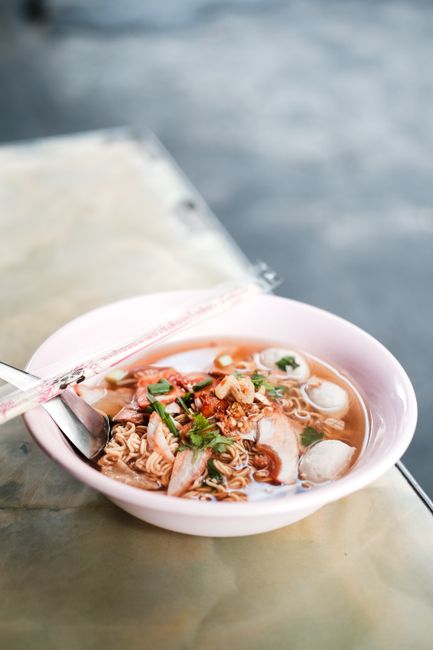
Of course, no trip to a fishing village would be complete without indulging in the local seafood. Every meal was a feast of fresh catches, prepared with simple but flavorful ingredients. Grilled fish, steamed shrimp, and stir-fried squid were staples on the menu. Mrs. Nguyen was a fantastic cook, and she happily shared her recipes with me. One of my favorites was a simple but delicious fish stew, simmered with tomatoes, onions, and herbs.
Beyond the seafood, I also enjoyed trying other local specialties. Banh xeo (crispy pancakes) were a popular street food, filled with shrimp, pork, and bean sprouts. Cao lau (noodles with pork and greens) was another regional favorite, with a unique flavor that I couldn't quite place. And of course, no meal was complete without a refreshing glass of Vietnamese iced coffee.
Connecting with the Community: More Than Just a Tourist

One of the most rewarding aspects of my trip was the opportunity to connect with the local community. I tried to learn a few basic Vietnamese phrases, which helped me to communicate with the villagers and show my respect for their culture. I spent time chatting with the local children, playing games and teaching them a few English words. I even helped Mrs. Nguyen prepare meals, learning about traditional cooking techniques and local ingredients.
These small interactions made a big difference. The villagers were incredibly welcoming and generous, always eager to share their stories and their culture with me. I felt like more than just a tourist; I felt like a welcomed guest in their community.
One evening, I was invited to attend a family celebration. It was a lively affair, filled with music, dancing, and plenty of food. I felt honored to be included in such a special occasion, and it was a truly unforgettable experience.
Lessons Learned: A Deeper Understanding of Coastal Life

My time in the Vietnamese fishing village taught me a lot about the resilience, resourcefulness, and generosity of the human spirit. I learned that happiness doesn't come from material possessions or luxury vacations, but from strong relationships, a sense of purpose, and a connection to nature.
I also gained a deeper understanding of the challenges faced by these coastal communities. Overfishing, pollution, and climate change are all threatening their way of life. It's important to support sustainable tourism practices and to advocate for policies that protect these vulnerable communities.
Tips for Visiting a Vietnamese Fishing Village Responsibly

If you're planning a trip to a Vietnamese fishing village, here are a few tips to help you travel responsibly:
- Do your research: Choose a village that is genuinely interested in welcoming tourists and that benefits from your visit.
- Respect local customs: Dress modestly, be mindful of noise levels, and avoid taking photos without permission.
- Support local businesses: Eat at local restaurants, buy souvenirs from local artisans, and stay in local guesthouses.
- Learn a few basic Vietnamese phrases: This will help you to communicate with the locals and show your respect for their culture.
- Be open to new experiences: Embrace the unexpected and be willing to step outside of your comfort zone.
- Leave no trace: Pack out all your trash and avoid using single-use plastics.
By traveling responsibly, you can help to ensure that these unique and vibrant communities continue to thrive for generations to come.
Final Thoughts: An Unforgettable Journey

Visiting a Vietnamese fishing village was one of the most rewarding travel experiences of my life. It was an opportunity to connect with a different culture, to learn about a different way of life, and to gain a deeper appreciation for the simple things in life. If you're looking for an authentic and unforgettable travel experience, I highly recommend venturing off the beaten path and exploring the hidden gems of Vietnam's coastal communities. You might just find that the most rewarding journeys are the ones that take you furthest from the tourist trail.

Post a Comment for "Visiting a Vietnamese Fishing Village: A Glimpse into Coastal Life & Timeless Traditions"
Post a Comment