Visiting a Vietnamese Coffee Plantation: From Bean to Cup, a Sensory Journey
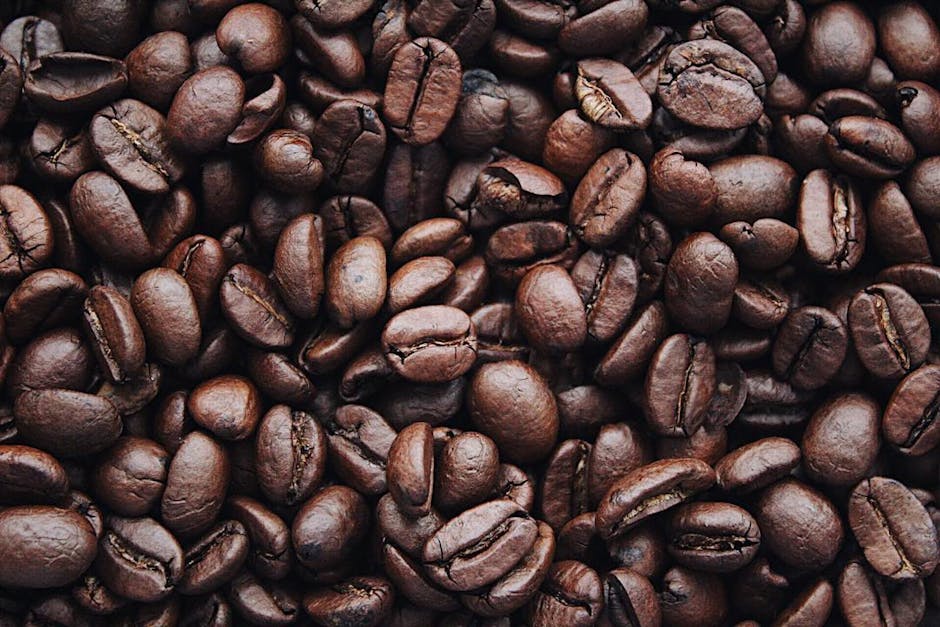
Visiting a Vietnamese Coffee Plantation: From Bean to Cup, a Sensory Journey
Okay, let's talk coffee! Not just any coffee, but the rich, potent, and utterly captivating coffee of Vietnam. For years, I'd heard whispers about it – a coffee so strong it could fuel a rocket, so flavorful it could awaken your soul. So, naturally, when I found myself planning a trip to Vietnam, visiting a coffee plantation shot straight to the top of my "must-do" list. And let me tell you, it didn't disappoint. It was an immersive experience, a journey from the humble coffee bean to that perfect cup, and I'm excited to share it all with you.
The Allure of Vietnamese Coffee: More Than Just a Drink

Before I dove headfirst into the plantation experience, I wanted to understand what made Vietnamese coffee so special. It's more than just caffeine; it's a cultural ritual, a social lubricant, and a source of national pride. You'll find people sipping it slowly in bustling cafes, on tiny plastic stools by the roadside, and in the quiet solitude of their homes.
Here's what sets it apart:
- The Robusta Bean Reigns Supreme: Unlike many Western countries that favor Arabica beans for their milder flavor, Vietnam primarily grows Robusta. Robusta beans are bolder, more bitter, and contain significantly more caffeine. This gives Vietnamese coffee its characteristic punch.
- The Phin Filter: This simple, yet ingenious, gravity-powered filter is a hallmark of Vietnamese coffee brewing. It allows for a slow, deliberate drip, extracting the maximum flavor and oils from the ground coffee.
- Condensed Milk is Key: Because Robusta beans can be quite strong, Vietnamese coffee is traditionally served with sweetened condensed milk. The creamy sweetness perfectly complements the coffee's bitterness, creating a harmonious balance.
Knowing this beforehand gave me a deeper appreciation for what I was about to experience at the plantation. I wasn't just going to see coffee; I was going to witness a legacy.
Choosing the Right Plantation: A Balancing Act

Vietnam boasts several coffee-growing regions, including the Central Highlands (Dak Lak, Lam Dong, Gia Lai), and each has its own charm and distinct flavor profiles. After some research, I decided to visit a plantation in the Lam Dong province, near Da Lat. This area is known for its cooler climate, which contributes to slower bean development and, supposedly, a more complex flavor.
Here's what I considered when choosing a plantation:
- Accessibility: Da Lat is relatively easy to reach by bus or plane from major cities like Ho Chi Minh City and Hanoi.
- Reputation: I read reviews and sought recommendations online to ensure the plantation offered a genuine and educational experience, not just a tourist trap.
- Sustainability Practices: I tried to find plantations that prioritized sustainable farming methods and fair labor practices. This information can be trickier to find, but it's worth the effort.
After settling on a smaller, family-run plantation, I booked a tour in advance. This proved to be a smart move, as it ensured I'd have a dedicated guide who could answer all my questions.
Arrival at the Plantation: A Sensory Overload
As I stepped onto the plantation grounds, I was immediately enveloped in a wave of sights, smells, and sounds. Lush green coffee bushes stretched as far as the eye could see, interspersed with shade trees providing vital cover from the intense sun. The air was thick with the intoxicating aroma of roasting coffee, mingling with the earthy scent of the soil and the sweet perfume of tropical flowers. Birdsong filled the air, creating a symphony of nature. It was a sensory overload in the best possible way.
My guide, a friendly local named Linh, greeted me with a warm smile and a cup of iced coffee (naturally!). She explained that the plantation had been in her family for generations and that they took immense pride in their craft.
From Seedling to Shrub: The Life Cycle of a Coffee Bean
Linh led me through the various stages of the coffee plant's life cycle, starting with the tiny seedlings in the nursery. She explained the meticulous process of nurturing these fragile plants until they were strong enough to be transplanted into the fields.
I learned that:
- Coffee plants take about 3-4 years to mature and produce their first harvest. Talk about patience!
- They require specific conditions to thrive, including well-drained soil, ample sunlight, and consistent rainfall. The Central Highlands of Vietnam provide the perfect environment.
- Different varieties of coffee plants exist, each with its own unique characteristics. Linh showed me the difference between Robusta and Arabica plants, pointing out the variations in leaf shape and bean size.
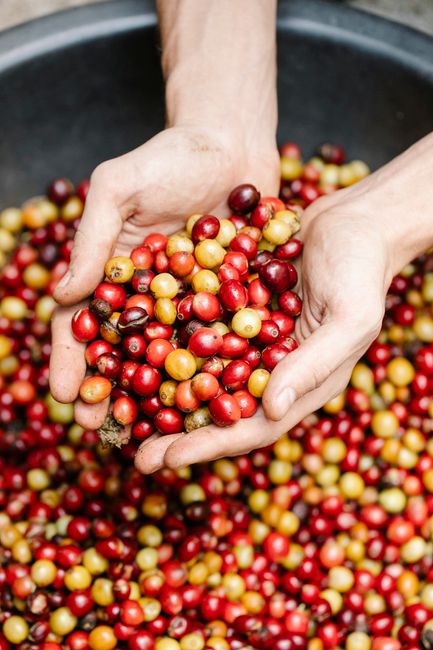
Walking through the rows of coffee bushes, I saw the coffee cherries in various stages of ripeness, from vibrant green to deep red. Linh explained that the cherries are harvested by hand, a labor-intensive process that requires skill and precision. Only the perfectly ripe cherries are picked, ensuring the highest quality beans.
The Art of Harvesting and Processing: From Cherry to Green Bean

Next, Linh showed me the process of turning the ripe coffee cherries into green coffee beans, the stage where the beans are ready for roasting. This involves several crucial steps:
- Sorting: The harvested cherries are carefully sorted to remove any damaged or unripe ones. This ensures that only the best cherries make it to the next stage.
- Pulping: The outer layer of the cherry is removed, leaving the bean encased in a thin layer of mucilage (a sticky substance).
- Fermentation: The beans are then fermented in water tanks for a period of time. This process helps to break down the mucilage and develop the bean's flavor.
- Washing: After fermentation, the beans are thoroughly washed to remove any remaining mucilage.
- Drying: The washed beans are spread out on large patios to dry in the sun. This can take several days, and the beans need to be regularly turned to ensure even drying.
- Hulling: Once the beans are dry, the parchment skin (the thin layer surrounding the bean) is removed, revealing the green coffee bean.
Linh explained that each step in the processing has a significant impact on the final flavor of the coffee. Different plantations use different methods, resulting in a wide range of flavor profiles. Some plantations even experiment with honey processing or natural processing to further enhance the bean's characteristics.
The Roasting Process: Unleashing the Flavor

The next stop was the roasting room, where the magic truly happens. The air was thick with the intoxicating aroma of roasting coffee, a smell that I could happily bottle and wear as perfume.
Linh introduced me to the plantation's roaster, a wizened old man who had been roasting coffee for over 40 years. He explained that the roasting process is a delicate art, requiring careful monitoring of temperature and time. The goal is to develop the bean's flavor without burning it.
Here's what I learned about roasting:
- Green coffee beans are essentially odorless and tasteless. The roasting process unlocks their potential.
- The temperature and duration of the roast determine the coffee's flavor profile. A light roast will result in a brighter, more acidic coffee, while a dark roast will produce a bolder, more bitter coffee.
- The roaster listens for the "first crack" and "second crack," audible pops that indicate the bean is undergoing chemical changes. These cracks are crucial indicators of the roast level.
I watched as the roaster carefully monitored the beans in the rotating drum, using his senses of sight, smell, and sound to determine when they were perfectly roasted. It was a mesmerizing performance, a testament to his years of experience.
The Art of Brewing: The Phin Filter Ritual

Finally, it was time to brew some coffee! Linh showed me how to use the traditional Vietnamese phin filter, a simple device that produces an incredibly rich and flavorful cup of coffee.
Here's the process:
- Add ground coffee to the phin: A couple of tablespoons of finely ground coffee are placed inside the phin.
- Gently tamp the coffee: This ensures even extraction.
- Place the phin on top of a cup: The phin sits securely on top of the cup.
- Pour hot water into the phin: Slowly pour hot water (around 200°F) over the coffee grounds.
- Wait patiently: The coffee will slowly drip through the filter, a process that takes several minutes.
- Add condensed milk (optional): If you like your coffee sweet and creamy, add a dollop of sweetened condensed milk to the cup.
As the coffee dripped slowly into the cup, I was filled with anticipation. The aroma was intoxicating, a symphony of roasted coffee and caramelized sugar.
The Moment of Truth: Savoring the Flavor

The moment I took my first sip of freshly brewed Vietnamese coffee, I understood what all the fuss was about. It was an explosion of flavor – bold, bitter, and intensely aromatic, perfectly balanced by the sweetness of the condensed milk. It was the perfect culmination of the journey, a reward for witnessing the entire process from bean to cup.
I savored the moment, letting the flavors linger on my palate. It wasn't just coffee; it was a taste of Vietnamese culture, a testament to the hard work and dedication of the people who cultivate it. I left the plantation feeling not just caffeinated, but also incredibly grateful for the experience.
Beyond the Cup: Supporting Sustainable Coffee Practices

My visit to the Vietnamese coffee plantation left me with a deeper appreciation for the coffee I drink every day. It also made me more aware of the importance of supporting sustainable coffee practices. When buying coffee, consider looking for certifications like Fair Trade or Rainforest Alliance, which ensure that farmers are paid fair prices and that the environment is protected.
Here are a few things you can do:
- Look for certifications: Fair Trade and Rainforest Alliance are good indicators of sustainable practices.
- Buy directly from roasters: Many roasters source their beans directly from farmers, ensuring a more equitable relationship.
- Ask questions: Don't be afraid to ask your local coffee shop about their sourcing practices.
By making informed choices, we can all contribute to a more sustainable and ethical coffee industry.
Final Thoughts: A Journey Worth Taking

Visiting a Vietnamese coffee plantation was an unforgettable experience. It was a journey that engaged all my senses, deepened my understanding of coffee, and connected me with the rich culture of Vietnam. If you ever have the opportunity to visit a coffee plantation, don't hesitate. It's a journey worth taking, one cup at a time.
And now, if you'll excuse me, I'm going to go brew myself a cup of Vietnamese coffee. It's the perfect way to relive the memories of my adventure.

Post a Comment for "Visiting a Vietnamese Coffee Plantation: From Bean to Cup, a Sensory Journey"
Post a Comment