Visa on Arrival in Vietnam: Your Complete, Friendly Guide (Updated 2024)

Visa on Arrival in Vietnam: Your Complete, Friendly Guide (Updated 2024)
Planning a trip to Vietnam? Awesome choice! It's a country bursting with vibrant culture, delicious food, and breathtaking landscapes. One of the first things on your list, though, is probably figuring out the visa situation. And that's where Visa on Arrival (VOA) comes in. I remember the first time I researched it; it felt a little daunting! So, I'm here to break it down for you in a simple, easy-to-understand way, sharing my experiences and tips to make your entry into Vietnam as smooth as possible.
What Exactly is Visa on Arrival (VOA)?

Let's start with the basics. Visa on Arrival isn't exactly a visa you get at the airport. Think of it more as a "visa pre-approval." You apply online beforehand, get an approval letter, and then, upon arrival at a Vietnamese international airport, you present that letter, pay the stamping fee, and then get your visa stamped into your passport. It's a bit of a process, but honestly, it can be much easier and cheaper than going directly to a Vietnamese embassy or consulate, especially if you don't have one conveniently located near you.
Think of it like this: you're getting a head start on the paperwork before you even leave home. It saves time and (usually) money in the long run. I personally prefer it because I like having everything sorted before I travel; it gives me peace of mind!
Who is Visa on Arrival Suitable For?
VOA is generally a great option if:
- You're entering Vietnam through one of its international airports. This is crucial! VOA is only available at airports.
- You don't have time to apply for a visa through the embassy. The embassy route can take several weeks, while VOA approval letters can often be obtained in a matter of days, sometimes even hours with rush processing.
- You want a potentially more affordable option. Depending on your nationality and the embassy fees, VOA can be cheaper.
However, VOA might not be the best choice if:
- You're entering Vietnam by land or sea. In this case, you must obtain a visa from a Vietnamese embassy or consulate. There's no way around it!
- You prefer the security of having a fully stamped visa before traveling. Some people just feel more comfortable knowing they've got the official visa in hand before boarding the plane, and that's perfectly valid.
Step-by-Step Guide to Getting Your Visa on Arrival

Okay, let's get down to the nitty-gritty. Here's a breakdown of the process:
- Choose a Reputable VOA Agency Online: This is arguably the most important step! There are tons of websites offering VOA services, and some are definitely more trustworthy than others. Read reviews, compare prices, and make sure they have a secure payment gateway. I personally recommend doing a bit of research on forums and travel blogs to see what other travelers recommend. Some popular and generally well-regarded options include Vietnam Visa Pro, Vietnam Visa Center, and My Vietnam Visa. I'm not endorsing any specifically; just offering some starting points for your research!
- Complete the Online Application Form: The agency's website will have a form where you'll need to provide your personal details (full name as it appears on your passport, date of birth, nationality, passport number, etc.), travel dates, and the type of visa you need (usually a 30-day or 90-day tourist visa). Be extremely careful when filling this out! Any errors can cause delays or even rejection of your application. Double-check everything before submitting.
- Pay the Service Fee: The agency will charge a service fee for processing your visa approval letter. This fee varies depending on the agency and the type of visa you're applying for. Expect to pay somewhere in the range of $15-$50 USD for the service fee.
- Receive Your Visa Approval Letter: Once your application is processed (this can take anywhere from a few hours to a few business days, depending on the processing time you choose), you'll receive a visa approval letter via email. This letter is your golden ticket! Print it out – multiple copies are a good idea – and keep it with your passport and other travel documents.
- Prepare Passport Photos: You'll need two recent passport-sized photos (4x6 cm). Make sure they meet the standard passport photo requirements (white background, clear image, no glasses, etc.). I've been caught out before by not having the right size photos, so don't skip this! You might be able to get photos taken at the airport in Vietnam, but it's always better to be prepared.
- Prepare Cash for the Stamping Fee: This is the fee you pay directly to the Vietnamese Immigration Department at the airport to get your visa stamped. As of my last update, the stamping fee is $25 USD for a single-entry visa and $50 USD for a multiple-entry visa. Pay in US dollars only, and make sure the bills are clean and crisp. They can be very picky about this!
- Arrive at the Vietnamese International Airport: When you arrive at your chosen airport (e.g., Noi Bai International Airport in Hanoi, Tan Son Nhat International Airport in Ho Chi Minh City, or Da Nang International Airport), head to the "Visa on Arrival" counter before going through immigration.
- Submit Your Documents: At the VOA counter, you'll need to submit the following:
- Your visa approval letter
- Your passport (valid for at least six months beyond your intended stay in Vietnam)
- Your completed entry/exit form (you can usually download this form online beforehand and fill it out to save time)
- Two passport-sized photos
- Your stamping fee (in US dollars)
- Wait for Your Visa: The immigration officers will process your application and stamp your visa into your passport. This can take anywhere from 15 minutes to an hour (or even longer during peak travel times), so be patient. I've learned to bring a book or download some entertainment to my phone for this part!
- Collect Your Passport and Proceed Through Immigration: Once your visa is stamped, collect your passport and proceed through immigration. Welcome to Vietnam!
Choosing the Right Visa on Arrival Agency
As I mentioned earlier, choosing the right VOA agency is crucial. Here are a few things to look for:
- Positive Reviews: Check reviews on reputable travel websites and forums.
- Secure Payment Gateway: Ensure the website uses a secure payment gateway (look for the padlock icon in your browser's address bar).
- Clear Contact Information: The agency should have a clear address, phone number, and email address. Don't trust agencies that only provide a contact form.
- Responsive Customer Service: Test their customer service by sending them an email or calling them with a question. How quickly and thoroughly do they respond?
- Transparent Pricing: The agency should clearly outline all fees involved, including the service fee and the stamping fee.
I always recommend comparing a few different agencies before making a decision. Don't just go for the cheapest option; prioritize reliability and customer service.
Common Mistakes to Avoid
To ensure a smooth VOA experience, avoid these common mistakes:
- Incorrect Information on the Application Form: Double, triple-check all the information you provide!
- Not Having Enough Passport Validity: Your passport must be valid for at least six months beyond your intended stay in Vietnam.
- Forgetting Passport Photos: Don't forget to bring two recent passport-sized photos.
- Not Having the Correct Stamping Fee in US Dollars: Only US dollars are accepted, and the bills must be in good condition.
- Entering Vietnam Through a Land Border with a VOA Approval Letter: VOA is only valid for entry through international airports.
- Using a Scam Website: Be cautious of websites that look unprofessional or offer suspiciously low prices.
Tips for a Smooth Visa on Arrival Experience
Here are a few extra tips to make your VOA experience even smoother:
- Apply for your VOA approval letter well in advance, especially if you're traveling during peak season. This gives you plenty of time to correct any errors or deal with any unforeseen issues.
- Print multiple copies of your visa approval letter and keep them in separate places.
- Have your entry/exit form filled out in advance to save time at the airport. You can usually download this form from the agency's website or the Vietnamese Immigration Department's website.
- Bring a pen to fill out any forms you might need at the airport.
- Be patient! The VOA process can sometimes be slow, especially during peak travel times.
- Dress respectfully when applying for your visa. While there's no official dress code, it's always a good idea to dress modestly.
Alternatives to Visa on Arrival
While VOA is a popular option, it's not the only way to get a visa for Vietnam. Here are a couple of alternatives:
- Applying for a Visa at a Vietnamese Embassy or Consulate: This is the traditional method of obtaining a visa. You'll need to visit the embassy or consulate in person (or mail in your application, depending on their policies) and submit your application and supporting documents. This method can take longer and be more expensive than VOA, but it does give you the security of having a fully stamped visa before you travel.
- E-Visa: Vietnam now offers an e-visa for citizens of many countries. You can apply for the e-visa online through the official website of the Vietnamese Immigration Department. This is another convenient option that avoids the need to visit an embassy or consulate.
The best option for you will depend on your nationality, travel plans, and personal preferences. Do your research and choose the method that works best for you!
My Personal Experience with Visa on Arrival
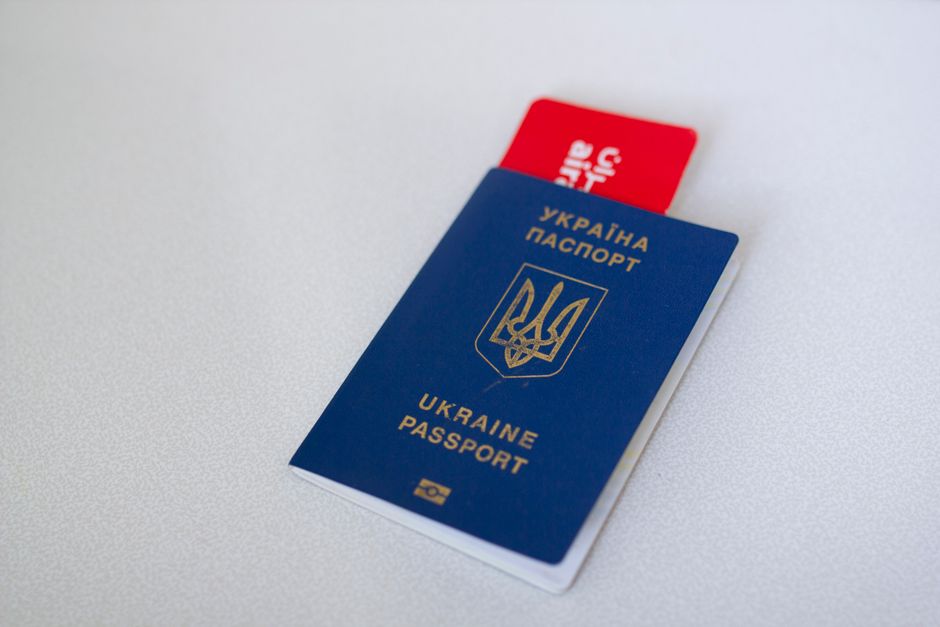
I've used Visa on Arrival for Vietnam a couple of times now, and while it can seem a bit complicated at first, it's been relatively straightforward each time. The key, in my experience, is to be organized, double-check all your information, and choose a reputable agency. One time, I almost forgot to print out my approval letter (talk about a near panic!), so I always make sure I have multiple copies stored both physically and digitally now. I also learned the hard way about having crisp, clean US dollar bills for the stamping fee. Let's just say a slightly crumpled bill caused a bit of a delay and a stern look from the immigration officer!
Overall, I've found VOA to be a convenient and affordable way to get a visa for Vietnam. Just remember to do your research, plan ahead, and be prepared!
I hope this guide has been helpful in demystifying the Visa on Arrival process for Vietnam. Have a fantastic trip!
)
Post a Comment for "Visa on Arrival in Vietnam: Your Complete, Friendly Guide (Updated 2024)"
Post a Comment