Vietnam's Soul: Discovering Spirituality Beyond the Tourist Trail
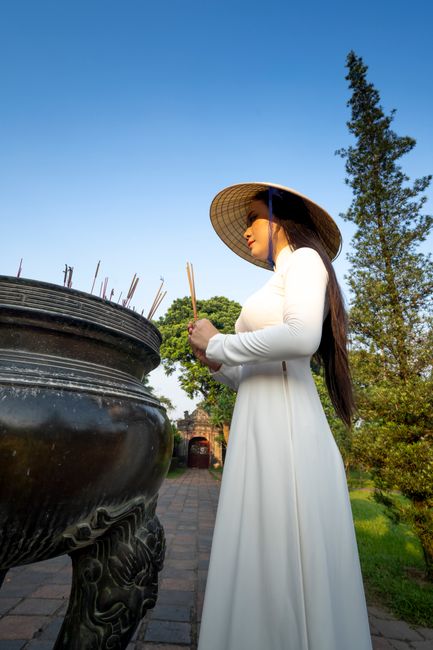
Vietnam's Soul: Discovering Spirituality Beyond the Tourist Trail
Hey there, fellow wanderer! If you're anything like me, you don't just travel to tick off landmarks. You yearn to connect with the heart and soul of a place, to understand its people and their beliefs. Vietnam, with its vibrant culture and stunning landscapes, offers a treasure trove of spiritual experiences that go far beyond the bustling tourist hotspots. I'm so excited to share some of my personal journeys and insights that will help you unlock the spiritual side of this incredible country.
Unveiling Vietnam's Spiritual Tapestry

Vietnam's spiritual landscape is a beautiful and complex blend of indigenous beliefs, Buddhism, Confucianism, Taoism, and even Catholicism. It's not a single, monolithic religion, but rather a vibrant tapestry woven from centuries of history and cultural exchange. You'll see evidence of this everywhere, from the elaborate temples and pagodas to the everyday rituals and customs practiced by the Vietnamese people.
Many Vietnamese families have a small altar in their homes dedicated to their ancestors. This is a crucial part of their spiritual practice, representing a deep respect for lineage and the belief that ancestors continue to influence the lives of their descendants. Offerings of fruit, flowers, incense, and even money are placed on the altar regularly. Don't be surprised if you see this in shops, restaurants, or even private cars! It's a constant reminder of their connection to something larger than themselves.
When most people think of spirituality in Vietnam, they immediately picture grand temples like the Perfume Pagoda or the Golden Bridge. These are undeniably beautiful and important, but I want to take you further, to the hidden corners and lesser-known practices that offer a more intimate glimpse into Vietnam's spiritual heart.
Finding Peace in Ancient Temples and Pagodas Off the Beaten Path
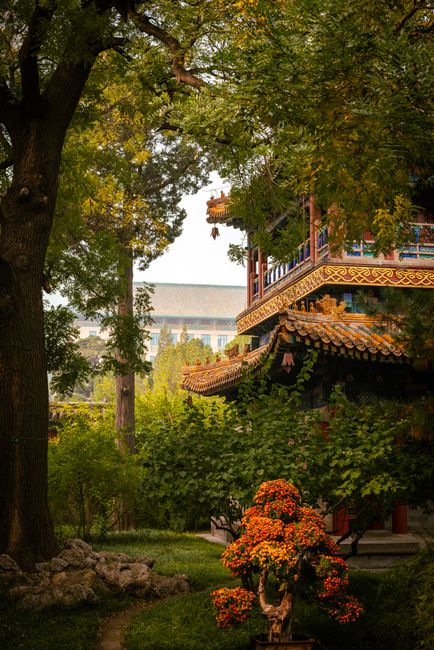
While the famous temples are certainly worth a visit, the real magic happens when you venture beyond the well-trodden paths. I remember stumbling upon a small, almost forgotten pagoda nestled in the rice paddies of the Mekong Delta. There wasn't a single other tourist in sight. Just the gentle sound of the wind chimes, the sweet fragrance of incense, and the quiet serenity of the space. That's where I truly felt connected to the spiritual essence of Vietnam.
Here's how you can discover your own hidden gems:
- Ask locals for recommendations: Don't be afraid to strike up a conversation with people you meet. They often know about small, local temples that aren't mentioned in guidebooks.
- Explore beyond the main cities: Get out of Hanoi and Ho Chi Minh City. The countryside is where you'll find the most authentic and untouched spiritual sites.
- Be open to the unexpected: Sometimes, the most rewarding experiences come from simply wandering and letting curiosity guide you.
Remember, when visiting any temple or pagoda, it's crucial to be respectful. Dress modestly (shoulders and knees covered), remove your shoes before entering the main prayer hall, and avoid making loud noises. Observe the rituals with reverence and try to learn about their meaning. Most importantly, be mindful of your presence and try to connect with the energy of the space.
The Cao Đài Temple in Tây Ninh: A Unique Spiritual Experience
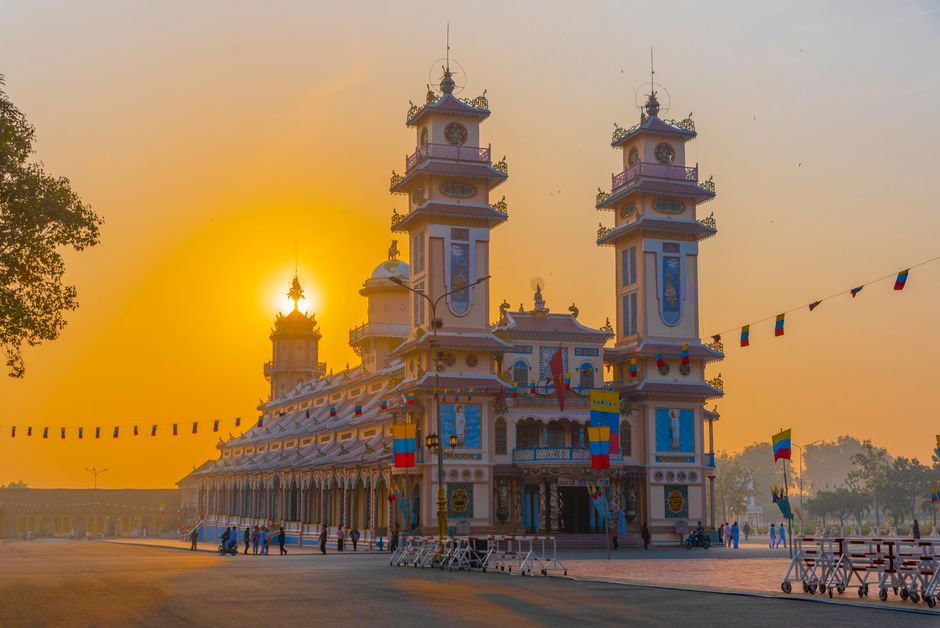
One of the most fascinating and unique spiritual experiences I had in Vietnam was visiting the Cao Đài Temple in Tây Ninh, near Ho Chi Minh City. Cao Đài is a relatively modern religion, founded in the 1920s, that blends elements of Buddhism, Confucianism, Taoism, Catholicism, and even spiritism. It's a truly syncretic faith, reflecting Vietnam's history of cultural exchange.
The temple itself is an architectural marvel, a riot of colors and symbols that reflect the diverse influences of the religion. The midday ceremony is a spectacle to behold, with robed dignitaries chanting and praying in unison. Even if you don't understand the words, the energy of the ceremony is palpable. I felt a sense of unity and devotion that was truly moving. It's a powerful reminder of the human desire to connect with something greater than ourselves.
Visiting the Cao Đài Temple is a great day trip from Ho Chi Minh City. You can easily arrange a tour or hire a driver. Just be sure to check the schedule for the ceremonies so you don't miss the main event.
Connecting with Nature: Finding Spirituality in Vietnam's Landscapes

For me, spirituality isn't confined to temples and rituals. It's about connecting with the natural world, feeling a sense of awe and wonder at the beauty and power of the universe. Vietnam's diverse landscapes offer endless opportunities for this kind of connection.
Imagine yourself hiking through the lush, green mountains of Sapa, the mist swirling around you, the only sounds the chirping of birds and the rustling of leaves. Or kayaking through the emerald waters of Ha Long Bay, surrounded by towering limestone karsts, feeling the rhythm of the ocean beneath you. These are the moments when you can truly let go of the stresses of daily life and connect with your inner self.
Here are some specific natural spots I found particularly powerful:
- The Marble Mountains near Da Nang: Climb the ancient steps, explore the hidden caves, and enjoy panoramic views of the coastline. Each mountain is associated with one of the five elements (metal, water, wood, fire, and earth), making it a truly special place for contemplation.
- Ba Be National Park: Trek through the jungle, boat on the tranquil lake, and visit the local villages. The sheer beauty and tranquility of this park is breathtaking.
- Mui Ne's sand dunes: Watch the sunrise over the vast expanse of sand, feeling the wind on your face and the warmth of the sun on your skin. It's a surreal and unforgettable experience.
When exploring Vietnam's natural landscapes, remember to be mindful of your impact. Practice responsible tourism by avoiding single-use plastics, respecting the local environment, and supporting local communities.
The Power of Meditation and Mindfulness in Vietnam
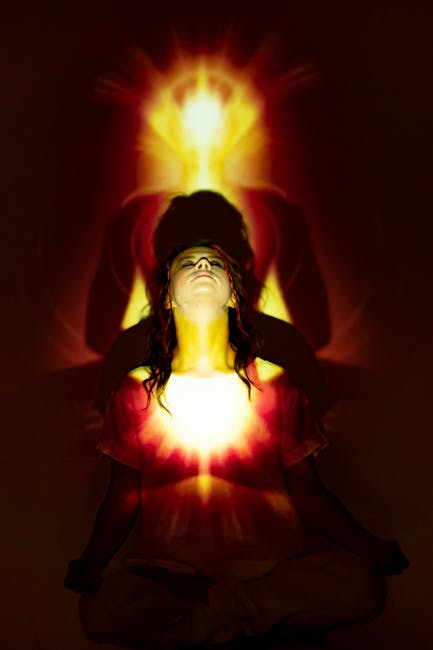
Meditation and mindfulness practices are deeply rooted in Vietnamese culture, influenced by Buddhism and Taoism. Many temples offer meditation retreats and workshops, providing an opportunity to learn from experienced teachers and deepen your practice. Even if you don't have time for a formal retreat, you can incorporate mindfulness into your daily travels.
Try this simple exercise: Find a quiet spot, close your eyes, and focus on your breath. Notice the sensations of your breath entering and leaving your body. When your mind wanders, gently redirect your attention back to your breath. Even just a few minutes of mindful breathing can help you feel more grounded and present.
You can also practice mindfulness while engaging in everyday activities. Pay attention to the flavors and textures of your food, the sounds and smells around you, the sensations of your body as you walk. By being fully present in the moment, you can transform ordinary experiences into opportunities for spiritual growth.
Connecting with Locals and Learning About Their Traditions
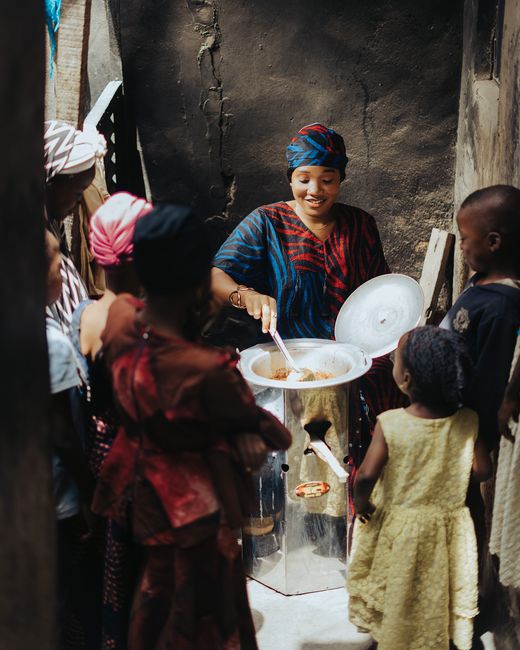
Ultimately, the most meaningful spiritual experiences come from connecting with the people of Vietnam and learning about their traditions. Take the time to engage in conversation, ask questions, and show genuine interest in their lives and beliefs. You'll be amazed at the wisdom and generosity you encounter.
One of my most cherished memories is spending time with a local family in a small village near Hoi An. They invited me into their home, shared their meals with me, and told me stories about their ancestors and their way of life. It was a simple, yet profound experience that gave me a deeper understanding of Vietnamese culture and spirituality.
Here are some ways to connect with locals:
- Take a cooking class: Learn about Vietnamese cuisine and culture while preparing traditional dishes.
- Visit a local market: Immerse yourself in the sights, sounds, and smells of everyday life.
- Volunteer with a local organization: Contribute to the community and make a positive impact.
- Learn a few basic Vietnamese phrases: Even a simple "xin chào" (hello) or "cảm ơn" (thank you) can go a long way.
Respecting Cultural Differences and Avoiding Cultural Appropriation

As you explore the spiritual side of Vietnam, it's crucial to be mindful of cultural differences and avoid cultural appropriation. This means respecting local customs and traditions, asking permission before taking photos, and avoiding behaviors that could be seen as disrespectful or offensive. It also means learning about the history and context of the spiritual practices you encounter and avoiding the temptation to exoticize or misrepresent them.
For example, avoid wearing religious clothing or accessories simply as a fashion statement. Be mindful of the way you speak about Vietnamese spirituality and avoid making generalizations or stereotypes. The goal is to learn and appreciate, not to appropriate or exploit.
My Final Thoughts: Embracing the Journey
Exploring the spiritual side of Vietnam is an ongoing journey, not a destination. It's about being open to new experiences, embracing the unknown, and allowing yourself to be transformed by the beauty and wisdom of this incredible country. Don't be afraid to step off the beaten path, to ask questions, and to connect with the people and places you encounter along the way. I hope my experiences have inspired you to delve deeper into the heart of Vietnam and discover its rich spiritual landscape for yourself. Happy travels!

Post a Comment for "Vietnam's Soul: Discovering Spirituality Beyond the Tourist Trail"
Post a Comment