Understanding Vietnamese Customs and Etiquette: A Traveler's Guide to Respectful Immersion

Understanding Vietnamese Customs and Etiquette: A Traveler's Guide to Respectful Immersion
Okay, so you're thinking about visiting Vietnam? Awesome! It's an incredibly vibrant country, full of stunning landscapes, delicious food, and a culture that's both ancient and rapidly evolving. But before you pack your bags and hop on a plane, let's chat about some Vietnamese customs and etiquette. Understanding these unwritten rules will not only make your trip smoother but also allow you to connect with the local people on a much deeper level. Trust me, a little cultural awareness goes a long way in making your experience truly unforgettable.
Greetings and First Impressions: More Than Just a "Xin Chào"

The first impression, as they say, is everything. And in Vietnam, this holds particularly true. While a simple "Xin chào" (pronounced "sin chow," meaning "hello") is a great start, there's a bit more to consider.
The Bow: While not as prevalent as in some other Asian countries like Japan or Korea, a slight bow is still a sign of respect, especially when greeting elders or individuals in positions of authority. Don't worry about perfecting a deep bow; a gentle nod of the head will often suffice.
Handshakes: Handshakes are becoming more common, particularly in business settings, but they're often softer than what you might be used to. A firm grip isn't necessary and might even be perceived as aggressive. With women, a nod or a slight bow is often more appropriate than a handshake, unless they extend their hand first.
Titles Matter: Addressing people correctly is vital. Using someone's title followed by their given name is the most respectful way to address them. Common titles include "Ông" (Mr.), "Bà" (Mrs. for older women), "Cô" (Miss/younger woman), and "Anh" (older brother/younger man). So, if you're talking to a woman named Lan who seems around your age, you'd call her "Cô Lan." When in doubt, ask! People are usually happy to help you get it right.
Avoid Loud Displays of Emotion: In general, Vietnamese culture values composure and avoiding public displays of strong emotions, whether positive or negative. Loud laughter or boisterous behavior can be seen as disruptive or even disrespectful. This doesn't mean you can't have fun, of course, but try to be mindful of the surrounding environment and keep your enthusiasm in check.
Dining Etiquette: A Shared and Social Experience

Food is at the heart of Vietnamese culture. Sharing a meal is a social event, and there are a few customs to keep in mind to avoid any faux pas.
Chopsticks: Chopsticks are the primary eating utensil. Here are a few chopstick dos and don'ts:
- Do use the communal chopsticks (often provided) to take food from shared dishes to your own bowl.
- Don't stick your chopsticks upright in your rice bowl. This resembles incense offerings for the deceased and is considered extremely bad luck.
- Do lay your chopsticks down on the table or chopstick rest when you're not using them.
- Don't use your chopsticks to point at people or objects.
Serving Others: It's considered polite to offer food to others before serving yourself, especially to elders or those of higher status. Use the communal chopsticks to place a portion of food in their bowl.
Don't Waste Food: Food is highly valued, and wasting it is frowned upon. Take only what you can eat, and try to finish everything on your plate. Even leaving a small amount of rice can be seen as disrespectful.
The Elder Eats First: Traditionally, the oldest person at the table starts eating first. Wait for them to begin before you dig in. This is a sign of respect.
Offer to Pay: When dining with Vietnamese friends or colleagues, it's customary to offer to pay the bill. However, they may insist on paying themselves, especially if they invited you. If they do insist, graciously accept their offer. You can always offer to treat them next time.
Drinking Culture: Drinking is often part of social gatherings, especially with men. Be prepared for toasts ("Một, hai, ba, dzô!" - "One, two, three, cheers!") and be prepared to reciprocate. It's acceptable to politely decline if you don't want to drink alcohol, but make sure to offer a reason. You could say you're driving or taking medication.
Temples and Religious Sites: Showing Respect for the Sacred
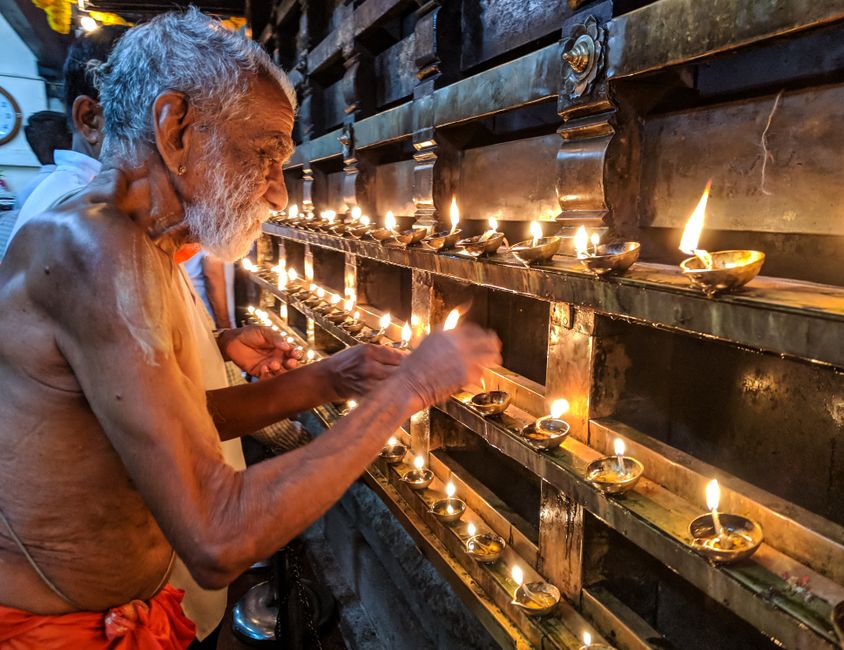
Vietnam is a country with a rich religious history, and you'll likely encounter many temples, pagodas, and other sacred sites during your travels. When visiting these places, it's important to be respectful of local customs.
Dress Code: Dress modestly. Avoid wearing revealing clothing, shorts, or sleeveless shirts. Cover your shoulders and knees. If you're unsure about the dress code, err on the side of caution and dress more conservatively.
Remove Your Shoes: It's customary to remove your shoes before entering a temple or pagoda. Look for a designated shoe rack or area near the entrance.
Quiet and Reverence: Maintain a quiet and respectful demeanor while inside. Avoid talking loudly, laughing, or making excessive noise. Turn off your cell phone or put it on silent mode.
Photography: Check if photography is allowed before taking pictures. Some temples may have restrictions on photography, especially during religious ceremonies. If photography is allowed, avoid using flash, as it can be disruptive.
Donations: It's customary to make a small donation when visiting a temple. There's usually a donation box near the entrance or altar. This is a way of showing your respect and contributing to the upkeep of the temple.
Avoid Touching Religious Artifacts: Refrain from touching statues, altars, or other religious artifacts. These items are considered sacred and should be treated with reverence.
Pointing: Avoid pointing your feet at Buddha images or religious figures. This is considered extremely disrespectful.
Personal Space and Physical Contact: Understanding Boundaries
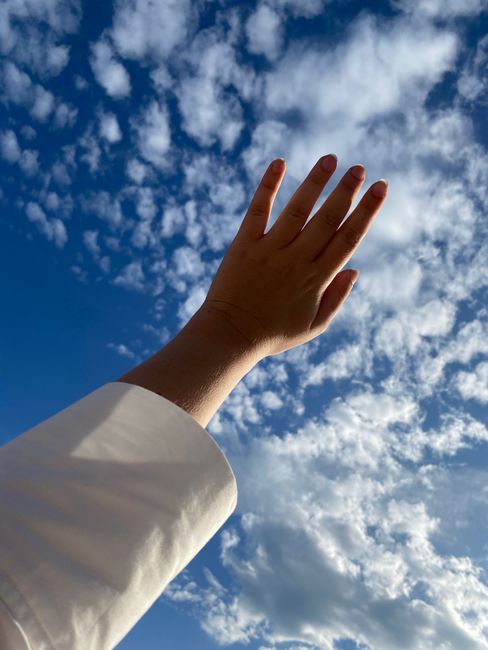
Understanding personal space and physical contact norms is crucial for avoiding unintentional offense. Vietnamese culture generally has a smaller personal space bubble than Western cultures.
Head Patting: Avoid patting someone on the head, especially a child. The head is considered the most sacred part of the body, and touching it can be seen as disrespectful.
Public Displays of Affection: While attitudes are becoming more relaxed, excessive public displays of affection, such as kissing or prolonged hugging, are still generally frowned upon, especially in rural areas. Keep it subtle.
Pointing: Avoid pointing at people directly. If you need to indicate someone or something, use your entire hand rather than a single finger.
Feet: As mentioned earlier, the feet are considered the lowest part of the body, both literally and figuratively. Avoid pointing your feet at anyone, especially when sitting. Also, avoid putting your feet up on furniture.
Bargaining and Shopping: A Skill and a Social Interaction

Bargaining is common practice in markets and smaller shops, especially in tourist areas. It's part of the shopping experience, but it's important to do it respectfully.
Start Low, But Be Reasonable: Begin by offering a price that's significantly lower than the asking price, but don't go too low, or you risk offending the vendor. A good starting point is usually around 50% of the initial price.
Be Polite and Friendly: Bargaining should be a friendly exchange, not a confrontational one. Smile, be polite, and use humor to keep the atmosphere light.
Know When to Stop: If you can't reach an agreement on a price, be prepared to walk away. Sometimes, the vendor will call you back with a lower price. However, if they don't, it's best to move on. Don't get hung up on trying to save a few cents.
Be Mindful of the Vendor's Livelihood: Remember that you're often dealing with people who are trying to make a living. Don't try to haggle them down to an unreasonable price that will significantly impact their profits. A little generosity goes a long way.
Shopping Etiquette: Always ask for permission before touching or trying on items. If you break something, offer to pay for it.
Tipping: When and How Much?

Tipping is not as common in Vietnam as it is in some Western countries, but it's becoming increasingly appreciated, especially in tourist areas.
Restaurants: Tipping is not expected in local restaurants, but it's always appreciated for good service. If you're happy with the service, you can leave a small tip (5-10%) or round up the bill.
Hotels: Tipping is not expected for hotel staff, but it's customary to tip bellhops, porters, and cleaning staff for their services. A small tip of a few dollars is sufficient.
Tour Guides and Drivers: Tipping is expected for tour guides and drivers. The amount depends on the length and quality of the tour, but a general guideline is around $5-10 per day.
Spas and Salons: Tipping is customary at spas and salons. A tip of 10-15% is generally appreciated.
Common Phrases to Learn: Show Your Effort

Learning a few basic Vietnamese phrases will go a long way in showing your respect and making your interactions with locals more pleasant. Here are a few essentials:
- Xin chào: Hello
- Cảm ơn: Thank you
- Không có gì: You're welcome
- Xin lỗi: Excuse me/Sorry
- Bao nhiêu?: How much?
- Đắt quá!: Too expensive!
- Vâng: Yes
- Không: No
Even just attempting to speak a few words of Vietnamese will be greatly appreciated and will open doors to more meaningful interactions.
The Importance of "Saving Face"

"Saving face" (giữ thể diện) is a crucial concept in Vietnamese culture. It refers to maintaining one's dignity and reputation, as well as avoiding embarrassment or shame, both for oneself and for others.
Avoid Public Criticism: Never criticize someone publicly or in front of others. This can cause them to lose face and be deeply embarrassed. If you have a complaint or concern, address it privately and respectfully.
Be Diplomatic: When disagreeing with someone, do so diplomatically and avoid being confrontational. Focus on finding a solution rather than assigning blame.
Offer Praise and Compliments: Offer praise and compliments generously, especially in public. This can help boost someone's ego and save face.
Be Understanding: Be understanding of others' mistakes and shortcomings. Everyone makes mistakes, and it's important to be forgiving and supportive.
By being mindful of the concept of "saving face," you can avoid unintentionally offending or embarrassing someone and build stronger relationships with the Vietnamese people.
Ultimately, understanding Vietnamese customs and etiquette is about showing respect, being mindful of local traditions, and approaching your interactions with a sense of curiosity and humility. It's about more than just following a set of rules; it's about opening yourself up to a deeper connection with the people and the culture. So, go ahead, embrace the adventure, and enjoy your incredible journey through Vietnam!

Post a Comment for "Understanding Vietnamese Customs and Etiquette: A Traveler's Guide to Respectful Immersion"
Post a Comment