Trekking Sapa: An Unforgettable Cultural Exchange with Vietnam's Ethnic Minorities
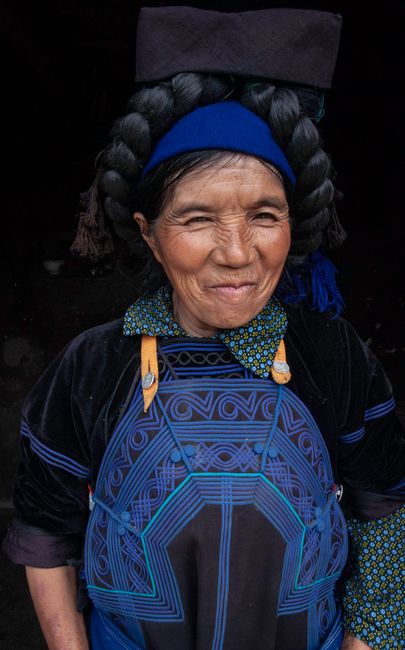
Trekking Sapa: An Unforgettable Cultural Exchange with Vietnam's Ethnic Minorities
Hey there, fellow adventurer! Have you ever felt that travel itch, the one that whispers of experiences far beyond the usual tourist trail? I know I have, and recently, that itch led me to Sapa, Vietnam. Not just to see the stunning rice terraces (though they are breathtaking!), but to embark on a truly unique journey: trekking with the local ethnic minority communities.
Let me tell you, it wasn't just a hike. It was a deep dive into a different way of life, a humbling experience of connection, and a memory I'll cherish forever. If you're considering a trip that's more than just sightseeing, then stick around. I'm going to share my experiences and insights, so you can prepare for your own incredible cultural exchange in Sapa.
Why Trekking with Ethnic Minorities in Sapa is Special
Sapa, nestled high in the Hoàng Liên Son mountains of northern Vietnam, is a land of dramatic landscapes and vibrant cultures. Home to several ethnic minority groups, including the Hmong, Dao, Tay, and Giay, it's a melting pot of traditions, languages, and ways of life. These communities have lived in the region for generations, maintaining their unique identities despite the pressures of modernization.
But what makes trekking with them so special? It's the opportunity to:
- Connect with people on a personal level: Forget sterile hotel lobbies and crowded tourist traps. Trekking puts you right in the heart of their villages, allowing you to interact with locals, learn about their daily lives, and share stories (even if sometimes through a translator!).
- Experience authentic culture: Witness traditional crafts like weaving and dyeing firsthand. Learn about their farming practices, family structures, and spiritual beliefs. It's not a staged performance; it's real life unfolding before your eyes.
- Support local communities directly: Tourism can be a double-edged sword. Trekking with locally owned and operated companies ensures that your money goes directly to the people who need it most, helping them sustain their livelihoods and preserve their cultural heritage.
- Challenge yourself physically and mentally: The Sapa terrain can be demanding, but the rewards are immense. Pushing yourself physically while immersing yourself in a new culture will leave you feeling invigorated and inspired.
Choosing the Right Trek and Guide

Before you pack your bags and book a flight, it's crucial to plan your trek carefully. Here are some factors to consider:
Duration: Treks can range from a single day to several days, depending on your fitness level and how much time you have. I opted for a 3-day trek, which felt like the perfect balance between immersion and physical challenge.
Difficulty: Sapa's terrain can be steep and slippery, especially during the rainy season (May to September). Be honest with yourself about your fitness level and choose a trek that's appropriate for you. Don't be afraid to ask your guide about the specific challenges involved.
Community Focus: Not all treks are created equal. Look for companies that prioritize ethical and sustainable tourism practices. This means:
- Employing local guides from the ethnic minority communities.
- Staying in homestays run by local families.
- Respecting local customs and traditions.
- Minimizing environmental impact.
Finding a Reputable Guide: Your guide will be your cultural ambassador and your lifeline on the trail. Do your research and choose a guide who:
- Speaks English (or another language you understand) fluently.
- Has a deep knowledge of the local culture and history.
- Is passionate about sharing their culture with others.
- Is experienced and reliable.
I found my guide, Mai, through a recommendation from a friend who had trekked in Sapa before. She was a Hmong woman who grew up in the mountains and was incredibly knowledgeable and enthusiastic. She not only led us through the stunning landscapes but also shared fascinating insights into her culture and way of life. Having a local guide like Mai truly enriched my experience.
What to Expect on the Trek: My Personal Journey

My 3-day trek started in Sapa town. After a hearty breakfast of pho (Vietnamese noodle soup), Mai met us at our hotel, and we set off on our adventure. The first day was mostly downhill, winding through rice terraces that cascaded down the mountainsides like emerald waterfalls. The views were simply breathtaking.
Day 1: Meeting the Hmong People. We visited several Hmong villages, where we witnessed women weaving intricate textiles, children playing in the fields, and farmers tending to their crops. Mai taught us a few Hmong phrases, which we attempted to use (with varying degrees of success!), and we shared smiles and laughter with the locals. That evening, we stayed in a traditional Hmong homestay, a simple but comfortable wooden house with a communal sleeping area. We enjoyed a delicious dinner cooked by our host family, sharing stories and laughter around the fire.
Day 2: Trekking Through the Valley. The second day was more challenging, with steeper climbs and more rugged terrain. We trekked through lush valleys, crossed rickety bamboo bridges, and splashed through muddy streams. The physical exertion was tough, but the stunning scenery kept us going. We learned about the different plants and animals that call the Sapa mountains home, and Mai shared stories of Hmong folklore and traditions.
Day 3: Saying Goodbye. On the third day, we reached a viewpoint overlooking the entire valley. It was an incredible sight, a panorama of rice terraces, villages, and mountains bathed in the morning sun. As we began our descent back to Sapa town, I felt a sense of accomplishment and gratitude. Accomplishment for completing the trek, and gratitude for the opportunity to experience such a unique and enriching culture.
Cultural Immersion: More Than Just a Hike

The physical aspect of the trek was undoubtedly rewarding, but the true highlight was the cultural immersion. Here are a few of the experiences that stood out to me:
- Learning about traditional crafts: I had the opportunity to try my hand at indigo dyeing, a traditional Hmong craft. It was far more challenging than it looked, but I was amazed by the skill and artistry of the local women. I even managed to dye a small scarf, which I proudly wear as a reminder of my time in Sapa.
- Sharing meals with local families: Eating with the local families was a truly authentic experience. We shared simple but delicious meals of rice, vegetables, and meat, cooked over an open fire. I learned about their farming practices and the importance of family and community in their lives.
- Attending a local market: We visited a local market where people from different ethnic groups came to trade goods. It was a vibrant and colorful scene, with vendors selling everything from textiles and handicrafts to fresh produce and livestock. It was a great opportunity to observe the local culture and interact with people from different backgrounds.
- Participating in a traditional dance: One evening, our host family organized a traditional dance performance. We joined in, awkwardly attempting to follow the steps and movements. It was a hilarious and unforgettable experience, a reminder that sometimes the best way to connect with people is to simply let go and have fun.
Tips for a Respectful and Meaningful Cultural Exchange

To ensure a positive and respectful experience for both you and the local communities, keep these tips in mind:
Do your research: Learn about the local culture and customs before you go. This will help you avoid cultural faux pas and show respect for the local people.
Dress appropriately: Dress modestly and respectfully, especially when visiting religious sites or people's homes. Avoid wearing revealing clothing or anything that might be considered offensive.
Ask permission before taking photos: Always ask permission before taking photos of people, especially children. Some people may be uncomfortable with having their picture taken, so it's important to respect their wishes.
Learn a few basic phrases in the local language: Even a few simple greetings or thank yous can go a long way in showing respect and building rapport with the local people.
Be mindful of your impact on the environment: Pack out all your trash, stay on designated trails, and avoid disturbing the local flora and fauna. Support eco-friendly tourism initiatives that promote sustainable practices.
Bargain respectfully: If you're buying souvenirs, bargain respectfully and avoid trying to drive the price down too low. Remember that these items are often the main source of income for local families.
Be open-minded and respectful: Be prepared to encounter different customs and ways of life. Approach these differences with an open mind and a willingness to learn.
What to Pack: Essential Gear for Your Sapa Trek

Packing the right gear is essential for a comfortable and enjoyable trek. Here's a list of essentials:
- Comfortable hiking shoes: Choose sturdy hiking shoes with good ankle support and traction. Break them in before your trek to avoid blisters.
- Moisture-wicking clothing: Avoid cotton, which can become heavy and cold when wet. Opt for moisture-wicking fabrics that will keep you dry and comfortable.
- Layers: The weather in Sapa can be unpredictable, so pack layers that you can easily add or remove as needed.
- Rain gear: A waterproof jacket and pants are essential, especially during the rainy season.
- Sunscreen, hat, and sunglasses: Protect yourself from the sun, even on cloudy days.
- Insect repellent: Mosquitoes and other insects can be a nuisance in Sapa.
- First-aid kit: Pack a basic first-aid kit with essentials like bandages, antiseptic wipes, pain relievers, and any personal medications.
- Water bottle or hydration pack: Stay hydrated by carrying plenty of water.
- Headlamp or flashlight: This is essential for navigating in the dark, especially if you're staying in a homestay.
- Camera: Capture the stunning scenery and unforgettable moments of your trek.
- Small backpack: Carry your essentials in a comfortable and lightweight backpack.
- Cash: Many local businesses don't accept credit cards, so bring enough cash to cover your expenses.
Final Thoughts: A Journey That Stays With You

Trekking with ethnic minorities in Sapa was more than just a vacation; it was a transformative experience. It opened my eyes to a different way of life, challenged my assumptions, and left me with a deep appreciation for the beauty and resilience of the human spirit. It's an experience that lingers long after you've left those stunning rice terraces behind. If you're looking for a travel experience that's both adventurous and meaningful, I highly recommend considering a trek in Sapa. You won't regret it!
So, what are you waiting for? Start planning your own unforgettable cultural exchange today! And if you have any questions, feel free to ask. I'm happy to share more of my experiences and insights.

Post a Comment for "Trekking Sapa: An Unforgettable Cultural Exchange with Vietnam's Ethnic Minorities"
Post a Comment