Trekking Sapa: My Unforgettable Adventure in the Hoang Lien Son Mountains

Trekking Sapa: My Unforgettable Adventure in the Hoang Lien Son Mountains
Hey everyone! Let me tell you about something incredible I did – trekking through the Hoang Lien Son mountain range in Sapa, Vietnam. It was honestly one of the most challenging but rewarding experiences of my life. If you're even remotely considering it, let me share my adventure, insights, and tips to help you plan your own unforgettable journey.
Why Sapa and the Hoang Lien Son Mountains?

I'd always been drawn to Vietnam's vibrant culture and stunning landscapes, and Sapa, with its promise of breathtaking mountain views and encounters with indigenous communities, felt like the perfect fit for my adventurous spirit. The Hoang Lien Son range, home to Fansipan, Indochina's highest peak, offered a diverse range of trekking options, from gentle day hikes to multi-day expeditions. I knew I wanted something challenging, something that would push me both physically and mentally.
The region is also incredibly rich in cultural heritage. The Hmong, Dao, Tay, Giay, and Xa Pho ethnic groups call this area home, and interacting with them, learning about their traditions, and seeing their way of life was a deeply moving experience. It's so much more than just pretty scenery; it's a chance to connect with a different world.
Choosing the Right Trek: My 3-Day, 2-Night Adventure

There are tons of trekking options in Sapa. You can go for a single day, a couple of days, or even a full week. You can choose treks that focus on specific villages, or those that aim for panoramic viewpoints. I opted for a 3-day, 2-night trek that seemed like a good balance between physical challenge and cultural immersion. It would take me through several villages, across rice paddies, and into the heart of the mountains.
Choosing the right trek is super important. Here's what I considered:
- Fitness Level: Be honest with yourself. Are you used to hiking for several hours a day? Can you handle steep inclines and uneven terrain?
- Time Commitment: How many days do you have available? A shorter trek will be less demanding but might not give you the full Sapa experience.
- Desired Experience: Are you more interested in the scenery, the culture, or the physical challenge?
I highly recommend doing some research and reading reviews before booking a trek. I booked mine through a local tour operator that came highly recommended, and I'm so glad I did. Having a knowledgeable and experienced guide made all the difference.
Preparing for the Trek: Gear and Mindset

Okay, so you've chosen your trek. Now it's time to prepare! Here's what I learned about packing and getting mentally ready:
What to Pack:
- Good Hiking Boots: This is non-negotiable! Make sure they're broken in and comfortable. Blisters are not your friend.
- Moisture-Wicking Clothing: Layers are key. The weather in Sapa can change quickly, so you need to be prepared for both hot and cold conditions.
- Rain Gear: A waterproof jacket and pants are essential, even if the forecast looks clear. Sapa is known for its unpredictable rain.
- Sunscreen and Hat: Protect yourself from the sun, even on cloudy days.
- Insect Repellent: Mosquitoes and other bugs can be annoying, especially in the evening.
- Headlamp or Flashlight: Useful for navigating in the dark, especially if you're staying in homestays.
- First-Aid Kit: Include essentials like blister treatment, pain relievers, antiseptic wipes, and bandages.
- Water Bottles or Hydration Pack: Staying hydrated is crucial, especially during strenuous activity.
- Snacks: Pack energy bars, nuts, or dried fruit to keep your energy levels up.
- Camera: You'll want to capture the incredible scenery!
- Small Backpack: To carry your essentials during the day.
- Cash: While some places accept credit cards, it's best to have cash on hand for small purchases and tips.
Mental Preparation:
The Hoang Lien Son mountains are beautiful, but they're also challenging. Be prepared for steep climbs, muddy trails, and long days of walking. A positive attitude is crucial! Remember to enjoy the journey, embrace the challenges, and appreciate the stunning scenery.
Day 1: Sapa to Y Linh Ho and Lao Chai Village
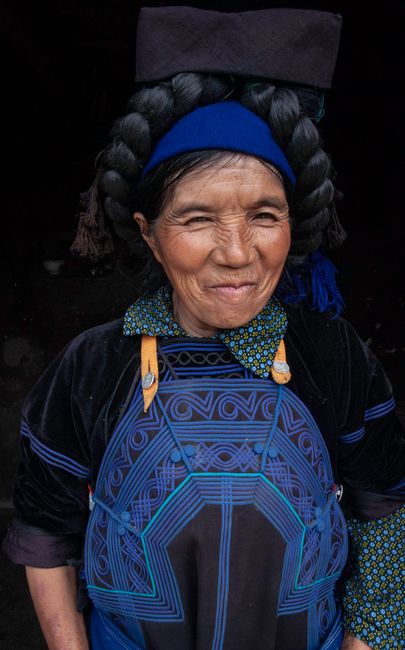
My adventure began in Sapa town. After a quick briefing from my guide, we set off towards Y Linh Ho village. The first part of the trek was relatively easy, following a paved road that offered stunning views of the surrounding rice terraces. But soon, the road turned into a narrow dirt path, and the real trekking began.
The scenery was absolutely breathtaking. Rice paddies cascaded down the hillsides in vibrant shades of green, and the surrounding mountains loomed large in the distance. We passed local farmers tending to their fields, and I couldn't help but feel a sense of peace and tranquility.
We stopped for lunch in a small village, where I enjoyed a delicious meal of pho (Vietnamese noodle soup) and fresh spring rolls. It was amazing how something so simple could taste so good after a morning of hiking.
In the afternoon, we continued trekking to Lao Chai village, home to the Black Hmong ethnic group. We walked through the village, observing the traditional houses and learning about their unique culture and customs. I even got to try my hand at weaving, which was much harder than it looked!
We spent the night in a homestay in Lao Chai. It was a simple but comfortable accommodation, and the family who hosted us was incredibly welcoming. We shared a delicious home-cooked meal with them, and I learned a few basic Vietnamese phrases. It was a truly authentic and unforgettable experience.
Day 2: Lao Chai to Ta Van Village and the Muong Hoa Valley
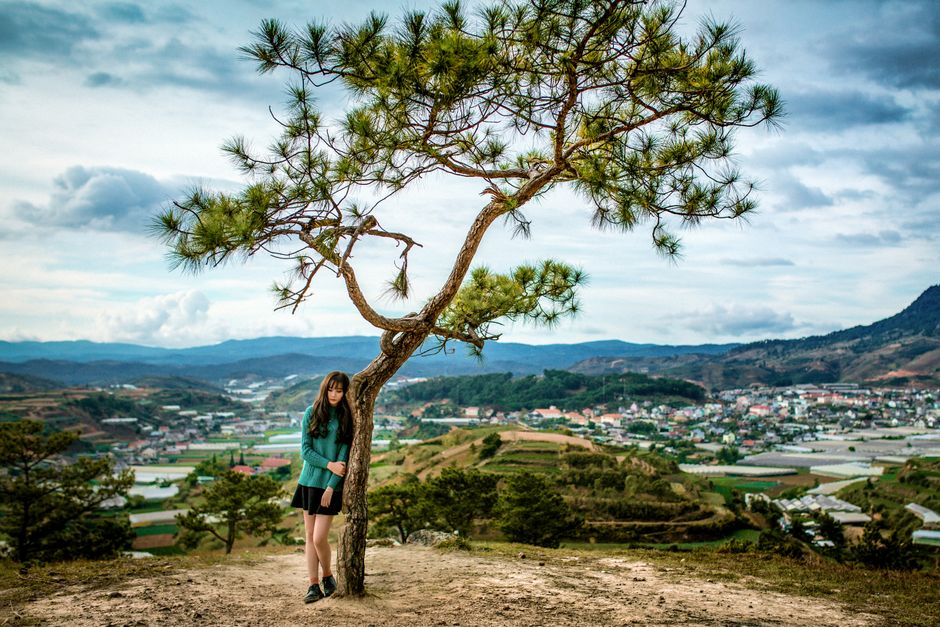
Day two was even more challenging than day one. The terrain was steeper, and the trails were muddier. But the scenery was even more rewarding. We trekked through the Muong Hoa Valley, a stunning landscape of rice terraces and rolling hills. I felt like I was walking through a postcard.
We passed through several more villages, each with its own unique charm and character. I was fascinated by the different clothing styles and customs of the various ethnic groups. It was a real eye-opener to see how people lived so differently from me.
At one point, we had to cross a river. The water was cold and fast-flowing, but with the help of my guide, I managed to make it across without falling in (barely!). It was definitely an adrenaline-pumping moment.
We spent the night in a homestay in Ta Van village, home to the Giay ethnic group. This homestay was even more basic than the first, but the family was just as welcoming. We sat around a crackling fire, sharing stories and laughter. It was a perfect example of how you don't need material possessions to be happy.
Day 3: Ta Van to Giang Ta Chai Waterfall and Back to Sapa

On our final day, we trekked to the Giang Ta Chai waterfall, a stunning cascade of water that plunged into a deep pool below. It was the perfect place to cool off and relax after two days of hard hiking.
The trek back to Sapa was mostly downhill, which was a welcome relief. But my legs were definitely starting to feel the strain. I remember thinking to myself, "Just keep putting one foot in front of the other."
As we approached Sapa, I couldn't help but feel a sense of accomplishment. I had completed the trek! I had pushed myself to my limits, and I had been rewarded with stunning scenery, unforgettable experiences, and a deeper appreciation for the beauty and diversity of Vietnam.
Tips for a Successful Trek in Sapa

Okay, so now that I've shared my experience, let me give you a few tips to help you plan your own successful trek:
- Choose a Reputable Tour Operator: Do your research and read reviews. A good tour operator will provide you with a knowledgeable guide, comfortable accommodation, and delicious food.
- Hire a Local Guide: Not only will they lead you safely through the mountains, but they will also provide you with valuable insights into the local culture and customs.
- Pack Light: You'll be carrying your backpack for several days, so pack only the essentials.
- Stay Hydrated: Drink plenty of water throughout the day.
- Wear Comfortable Shoes: This is crucial for preventing blisters and foot pain.
- Learn a Few Basic Vietnamese Phrases: It will make your interactions with the locals much more meaningful.
- Be Respectful of the Local Culture: Dress modestly when visiting villages and temples, and ask for permission before taking photos of people.
- Be Prepared for Unpredictable Weather: Pack rain gear, sunscreen, and layers of clothing.
- Bring Cash: Many villages don't have ATMs or accept credit cards.
- Be Open to New Experiences: Embrace the challenges, learn from the locals, and enjoy the journey!
What I Learned and Why You Should Go

Trekking in Sapa was more than just a physical challenge; it was a journey of self-discovery. I learned so much about myself, about the Vietnamese culture, and about the importance of connecting with nature.
I learned that I'm stronger than I thought I was. I learned that simple living can be incredibly fulfilling. And I learned that the most beautiful things in life are often the ones you have to work for.
If you're looking for an adventure that will challenge you, inspire you, and change you, then I highly recommend trekking in Sapa. It's an experience you'll never forget.
So, what are you waiting for? Book your flight, pack your bags, and get ready for the adventure of a lifetime! You won't regret it.

Post a Comment for "Trekking Sapa: My Unforgettable Adventure in the Hoang Lien Son Mountains"
Post a Comment