The Sounds of Vietnam: A Sensory Symphony Unforgettable Rhythms
The Sounds of Vietnam: A Sensory Symphony Unforgettable Rhythms
Vietnam. Just the name conjures up images: bustling markets, emerald rice paddies, and the conical hats bobbing through crowds. But beyond the visuals, there's an entire world waiting to be experienced through sound. It's a cacophony, a melody, a constant hum that seeps into your soul and stays with you long after you've left. My journey through Vietnam wasn't just a sightseeing tour; it was a sensory adventure, a deep dive into the country's vibrant soundscape. And let me tell you, it completely transformed my perspective.
The Urban Overture: Hanoi's Chaotic Charm
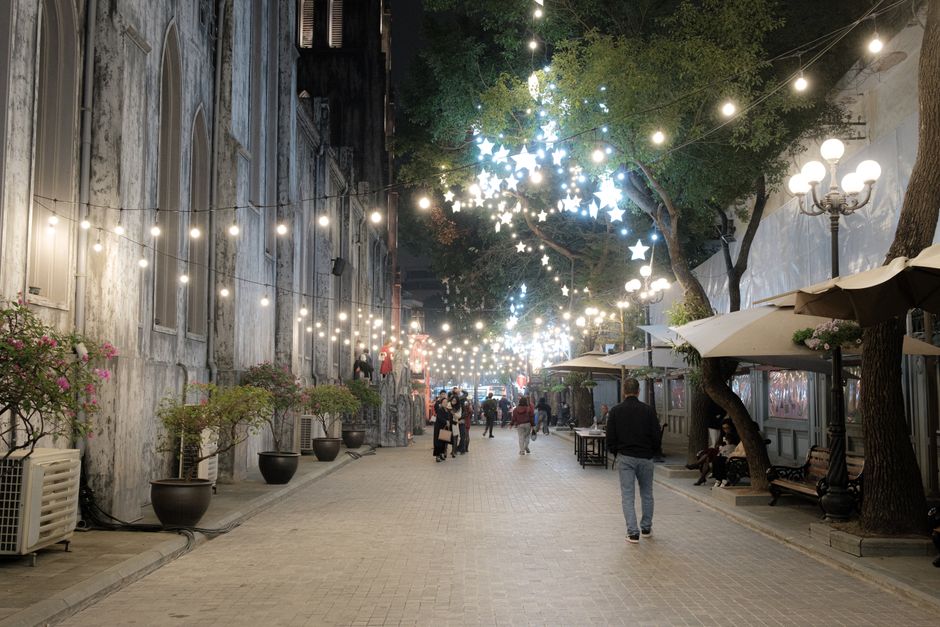
Hanoi, the capital, was my first stop. Stepping out of the airport, I was immediately bombarded with sound. It wasn't unpleasant, not exactly. It was more like being dropped into the middle of a complex orchestra tuning up. The city's soundscape is a carefully orchestrated chaos, a blend of old and new that perfectly reflects its spirit.
Think about it. You have:
- The Horns: Oh, the horns! Motorbikes, buses, cars – everyone uses their horn, not as a sign of aggression, but as a friendly "Hey, I'm here!" signal. It's a language of its own.
- Market Chatter: The rhythmic calls of vendors hawking their wares in the Old Quarter. "Rau! Rau!" (Vegetables!) or "Pho! Pho!" (Noodle soup!). Each call is unique, a melody woven into the city's fabric.
- Construction Clatter: The persistent clang of construction, a testament to the city's rapid growth. New buildings rising alongside ancient temples – a constant reminder of Vietnam's dynamism.
Initially, I found it overwhelming. I remember walking down a narrow street, dodging motorbikes and cyclos, the constant honking making my head spin. But then, I started to listen more closely. I realized that within the apparent chaos, there was a certain order, a rhythm to the madness. The honking wasn't just noise; it was communication. The market chatter wasn't just sales pitches; it was the sound of livelihoods being earned.
One evening, I sat on a tiny plastic stool at a bia hoi (fresh beer) corner, watching the world go by. The sounds swirled around me – the laughter of locals, the clinking of glasses, the sputtering of motorbike engines. And in that moment, I understood. The noise wasn't something to be blocked out; it was something to be embraced. It was the sound of life, of a city constantly in motion.
Coastal Harmonies: Nha Trang's Gentle Rhythms

Leaving the frenetic energy of Hanoi behind, I headed to Nha Trang, a coastal city known for its stunning beaches. The soundscape here was completely different, a welcome change. The urban intensity gave way to the gentle rhythm of the sea.
Imagine waking up to:
- The Waves: The constant, soothing sound of the waves crashing against the shore. A rhythmic pulse that lulls you into a state of tranquility.
- Fishing Boats: The distant hum of fishing boats heading out to sea in the early morning. A reminder of the city's connection to the ocean.
- Seagulls: The cries of seagulls circling overhead, adding a touch of wildness to the serene atmosphere.
I spent hours walking along the beach, just listening. The sound of the waves was hypnotic, washing away the stress of everyday life. I even took a boat trip to some of the nearby islands, and the sound of the engine cutting through the water, combined with the vastness of the ocean, was incredibly liberating.
One evening, I found a small seafood restaurant right on the beach. As I ate fresh grilled fish, I listened to the gentle lapping of the waves and the soft murmur of conversations around me. It was a perfect moment of peace and tranquility, a world away from the chaotic energy of Hanoi. Nha Trang taught me the power of stillness, the importance of taking time to listen to the sounds of nature.
Highland Echoes: Sapa's Whispering Landscapes

From the coast, I ventured into the northern highlands to Sapa, a region renowned for its breathtaking scenery and vibrant ethnic cultures. This was perhaps the most transformative part of my sonic journey.
Picture this. You hear:
- The Wind: The wind whistling through the terraced rice paddies, creating a haunting melody that echoes through the valleys.
- Animal Sounds: The clanging of cowbells as water buffalo graze on the hillsides. The occasional squawk of a chicken from a nearby village.
- Human Voices: The soft chatter of the Hmong and Dao people as they work in the fields or sell their handicrafts at the markets.
Sapa was a symphony of natural sounds, a world away from the urban cacophony I had experienced in Hanoi. I spent days trekking through the mountains, listening to the wind whisper through the rice terraces and the distant calls of villagers echoing through the valleys. The silence was profound, broken only by the sounds of nature, a stark contrast to the constant noise of the cities.
I remember one evening, staying in a homestay in a small village. As the sun set, painting the sky in vibrant colors, I sat on the porch listening to the sounds around me. The rustling of leaves in the trees, the gentle clanging of cowbells, the soft murmur of conversations inside the house. It was a simple, yet profound experience, a reminder of the beauty and tranquility that can be found in the most remote corners of the world. In Sapa, I learned to appreciate the power of silence, the beauty of nature's sounds, and the simplicity of rural life.
The Mekong Delta's Murmur: Can Tho's River Rhythms

My final destination was the Mekong Delta, a vast network of waterways in southern Vietnam. Here, life revolves around the river, and the sounds reflect that dependence.
Consider these sounds:
- Boat Engines: The constant putt-putt of boat engines as they navigate the canals, transporting goods and people. The lifeblood of the Delta.
- Floating Markets: The lively chatter and bargaining at the floating markets, a unique and vibrant experience. The sounds of commerce on the water.
- Water Sounds: The gentle lapping of water against the banks of the canals, a constant reminder of the river's presence.
Can Tho, the largest city in the Delta, offered a fascinating soundscape. I explored the floating markets by boat, surrounded by the sounds of vendors hawking their wares, the splashing of oars, and the laughter of locals. The river was alive with activity, a constant flow of boats and people.
One evening, I took a sunset cruise on the Mekong River. As the sun dipped below the horizon, painting the sky in fiery hues, I listened to the sounds around me. The gentle lapping of water against the boat, the distant hum of boat engines, the soft murmur of conversations. It was a peaceful and contemplative experience, a fitting end to my sonic journey through Vietnam. The Mekong Delta taught me the importance of community, the power of the river, and the enduring spirit of the Vietnamese people.
Beyond the Tourist Trail: Hidden Soundscapes

While the major cities and tourist destinations offer their own unique soundscapes, some of the most memorable sounds I encountered were off the beaten path.
For instance:
- Temple Chimes: The gentle tinkling of temple chimes in ancient pagodas, creating a sense of peace and serenity. I found these in smaller towns, away from the tourist crowds.
- Street Performers: The traditional music played by street performers in small towns, offering a glimpse into Vietnam's rich cultural heritage. Look out for the Dan Bau, a one-stringed instrument that produces incredibly evocative sounds.
- Children's Laughter: The infectious laughter of children playing in rural villages, a reminder of the joy and innocence of childhood. These were truly heartwarming moments.
These unexpected sonic discoveries added a deeper layer of richness to my experience. They were the sounds of everyday life, the sounds that truly captured the essence of Vietnam.
Tips for Immersing Yourself in Vietnam's Soundscape

If you're planning a trip to Vietnam, I encourage you to embrace the soundscape. Don't just see the sights; listen to the sounds. Here are a few tips:
- Ditch the Headphones: Resist the urge to block out the noise with headphones. Instead, open your ears and let the sounds of Vietnam wash over you.
- Explore Beyond the Tourist Hotspots: Venture off the beaten path to discover the hidden soundscapes of rural villages and smaller towns.
- Engage with Locals: Talk to locals and ask them about the sounds that are important to them. You might be surprised by what you learn.
- Take Time to Listen: Find a quiet spot and simply listen. Observe the sounds around you and let them transport you to another world.
A Lasting Impression: The Sound of Memories

My journey through Vietnam was a sensory awakening, a deep dive into a world of vibrant sounds and unforgettable rhythms. From the chaotic energy of Hanoi to the tranquil shores of Nha Trang, from the whispering landscapes of Sapa to the river rhythms of the Mekong Delta, each soundscape left a lasting impression.
Now, when I hear the honking of a car horn, I don't just hear noise. I hear the vibrant energy of Hanoi. When I hear the sound of waves crashing against the shore, I'm transported back to the beaches of Nha Trang. When I hear the wind whistling through the trees, I remember the breathtaking scenery of Sapa. And when I hear the sound of a boat engine, I'm back on the Mekong Delta, surrounded by the sights and sounds of the river.
Vietnam is more than just a place to visit; it's an experience to be felt, heard, and remembered. So, go, explore, and listen to the symphony of sounds that awaits you in this beautiful and vibrant country. You won't be disappointed.

Post a Comment for "The Sounds of Vietnam: A Sensory Symphony Unforgettable Rhythms"
Post a Comment