Surfing Mui Ne and Da Nang: My Vietnamese Wave-Riding Adventures

Surfing Mui Ne and Da Nang: My Vietnamese Wave-Riding Adventures
Okay, let's talk surfing in Vietnam! When you think of Southeast Asia, images of bustling markets, delicious food, and stunning temples probably spring to mind. But did you know Vietnam also offers some pretty decent surfing? It's true! I've spent time riding waves in both Mui Ne and Da Nang, and I'm here to share my experiences – the good, the less-than-perfect, and everything in between.
Discovering the Vietnamese Surf Scene
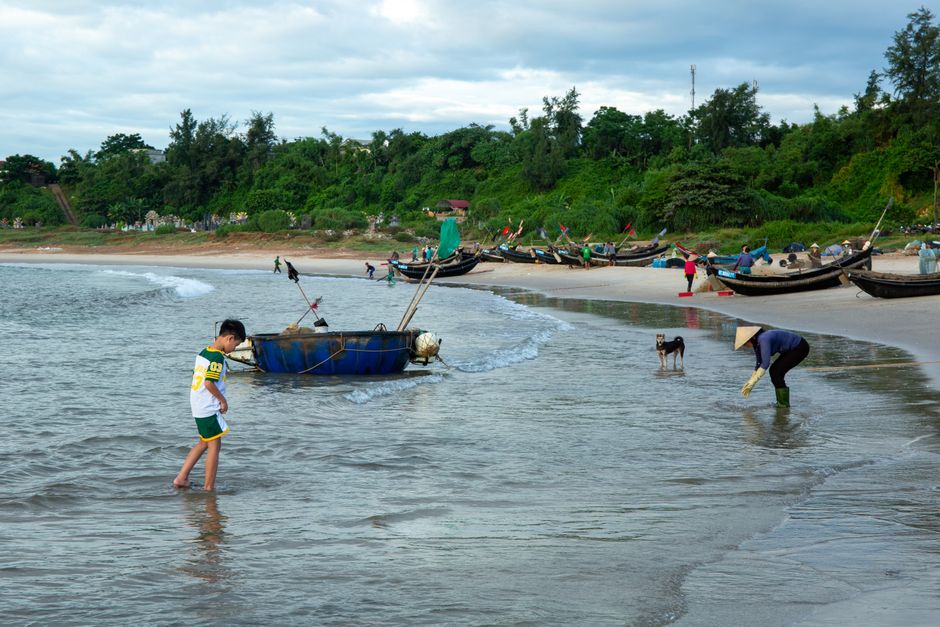
My journey into Vietnamese surfing started with a healthy dose of skepticism. I mean, I'd seen the photos, but I wasn't convinced. Bali, maybe. Thailand, potentially. But Vietnam? Colour me surprised, but I was pleasantly wrong! The surf isn't world-class pipeline material, but it's fun, accessible, and offers a unique cultural experience. It's perfect for beginners and intermediate surfers looking to catch some waves in a less crowded, more affordable setting.
My first stop was Mui Ne, a coastal town known for its strong winds and kitesurfing scene. But I soon discovered there were also waves to be had. Later, I explored Da Nang, which offered a different vibe and wave profile altogether. Each location has its own charm and caters to different surfing styles.
Mui Ne: Kitesurfing Paradise & Unexpected Waves
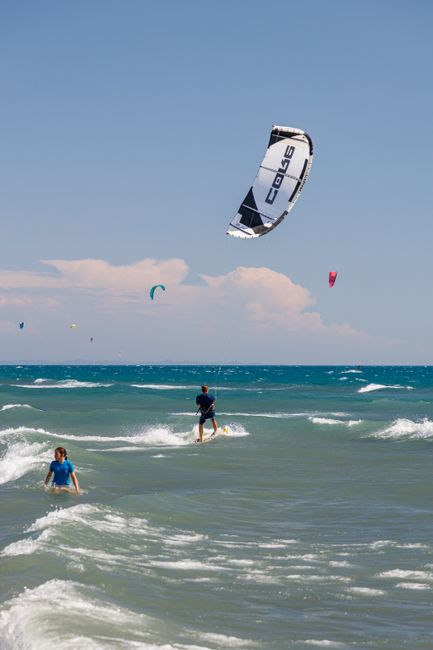
Mui Ne is probably more famous for its kitesurfing than surfing. The consistent onshore winds make it a mecca for kitesurfers from around the globe. But don't let that fool you – there are definitely waves to be found! The main beach in Mui Ne tends to be choppy, but if you know where to look, you can find some decent surf.
My Mui Ne Surfing Experience: I based myself near the main strip, which is bustling with restaurants and guesthouses. The first few days, I spent watching the kitesurfers, mesmerized by their aerial acrobatics. But I was itching to get in the water. I started chatting with some locals and other travelers, and they pointed me towards a few spots. One particular tip was key, surfing in Mui Ne is seasonal.
Here's a breakdown of what I learned:
- Best Time to Surf: The best time to surf in Mui Ne is during the northeast monsoon season (November to March). During this period, the winds are less intense in the mornings, creating cleaner waves.
- Where to Surf:
- Suoi Nuoc Beach: This is probably the most popular surf spot in Mui Ne. It's located a bit north of the main town and offers a mix of beach breaks and reef breaks. Be careful of the reef, especially at low tide!
- Hon Rom Beach: Further north still, you may find smaller waves here, suitable for beginners.
- Surf Schools and Rentals: There are a few surf schools and rental shops in Mui Ne. I rented my board from a small shop near Suoi Nuoc Beach. The prices were reasonable, and the owner was super helpful in pointing out the best spots and providing local tips.
The waves in Mui Ne aren't huge. Think knee- to waist-high, sometimes chest-high on a good day. But they're fun and forgiving, making it a great place to practice your pop-up and improve your basic surfing skills. Plus, the water is warm, so you don't need a wetsuit!
A Word of Caution: The wind can pick up quickly in Mui Ne, so be prepared for choppy conditions, especially in the afternoons. Also, be mindful of the kitesurfers. They have the right of way, and you don't want to get tangled in their lines!
Da Nang: City Beaches and Coastal Breaks

Da Nang offers a completely different surfing experience compared to Mui Ne. Da Nang is a vibrant city with beautiful beaches and a more relaxed atmosphere. The surfing here is less about wind-driven waves and more about swells that roll in from the South China Sea.
My Da Nang Surfing Experience: I loved Da Nang! The city is easy to navigate, the food is incredible, and the people are incredibly friendly. Plus, the beaches are clean and well-maintained. Finding surf was a bit easier than in Mui Ne, with several spots accessible right from the city.
Here's what I discovered:
- Best Time to Surf: The best time to surf in Da Nang is during the winter months (September to December) when the swells are more consistent.
- Where to Surf:
- My Khe Beach (China Beach): This is the main beach in Da Nang and offers several surf breaks along its length. The waves are generally small to medium-sized, making it suitable for all levels. You can find breaks that work well at different tides.
- Non Nuoc Beach: Located south of Da Nang, near the Marble Mountains, Non Nuoc Beach offers a more secluded surfing experience. The waves here can be a bit bigger than at My Khe Beach.
- Bai Bac Beach: Located on the Son Tra Peninsula, this beach offers a beautiful setting and some fun waves, but the access can be a bit tricky. It is less frequented than other spots.
- Surf Schools and Rentals: Da Nang has several surf schools and rental shops, especially along My Khe Beach. I took a lesson with a local instructor, and it was a great way to get acquainted with the waves and learn about the local surf etiquette.
The waves in Da Nang are typically cleaner and more consistent than in Mui Ne. You can expect waist- to chest-high waves, with occasional overhead sets during bigger swells. The water is also warm, and you can surf in board shorts or a rash guard.
Beyond the Surf: Da Nang offers much more than just surfing. You can explore the Marble Mountains, visit the Dragon Bridge, and indulge in delicious Vietnamese cuisine. The city is also a great base for exploring nearby attractions like Hoi An and Hue.
Comparing Mui Ne and Da Nang: Which is Right for You?

So, which is better for surfing: Mui Ne or Da Nang? It really depends on what you're looking for.
Choose Mui Ne if:
- You're a beginner surfer or want to improve your basic skills.
- You're also interested in kitesurfing.
- You're looking for a budget-friendly destination.
- You enjoy a more laid-back, less touristy atmosphere.
Choose Da Nang if:
- You're an intermediate surfer or want to surf more consistent waves.
- You're looking for a city with a vibrant culture and plenty of things to do.
- You prefer a more developed tourist infrastructure.
- You want to explore nearby attractions like Hoi An and Hue.
Personally, I enjoyed both experiences. Mui Ne was a fun, challenging adventure, while Da Nang offered a more relaxed and consistent surfing experience. If I had to choose one, I'd probably lean towards Da Nang for its overall appeal and wave quality.
Tips for Surfing in Vietnam: My Hard-Earned Lessons

Surfing in Vietnam is an adventure, but it's always good to be prepared. Here are a few tips based on my experiences:
- Do Your Research: Before you go, research the surf conditions, the best time to visit, and the local surf spots. Websites like Surfline and Magicseaweed can provide valuable information.
- Pack Appropriately: Bring reef shoes, sunscreen, a hat, and a rash guard to protect yourself from the sun and the reef. A good repair kit for your board is always useful!
- Learn Some Basic Vietnamese Phrases: Knowing a few basic phrases will go a long way in interacting with the locals and negotiating prices.
- Respect the Local Culture: Vietnam is a conservative country, so dress modestly when you're not in the water. Be respectful of the local customs and traditions.
- Bargain: Bargaining is common practice in Vietnam, so don't be afraid to negotiate prices for goods and services.
- Be Aware of Scams: Like any tourist destination, Vietnam has its share of scams. Be cautious of overly friendly strangers and avoid leaving your belongings unattended.
- Stay Hydrated: The weather in Vietnam can be hot and humid, so drink plenty of water throughout the day.
- Be Careful of the Reef: Many surf spots in Vietnam have reefs, so be careful of cuts and scrapes. Wear reef shoes and be aware of the tide.
- Check the Water Quality: Unfortunately, pollution can be an issue in some coastal areas of Vietnam. Check the water quality before you go surfing, especially after heavy rain.
Beyond the Waves: Exploring Vietnam
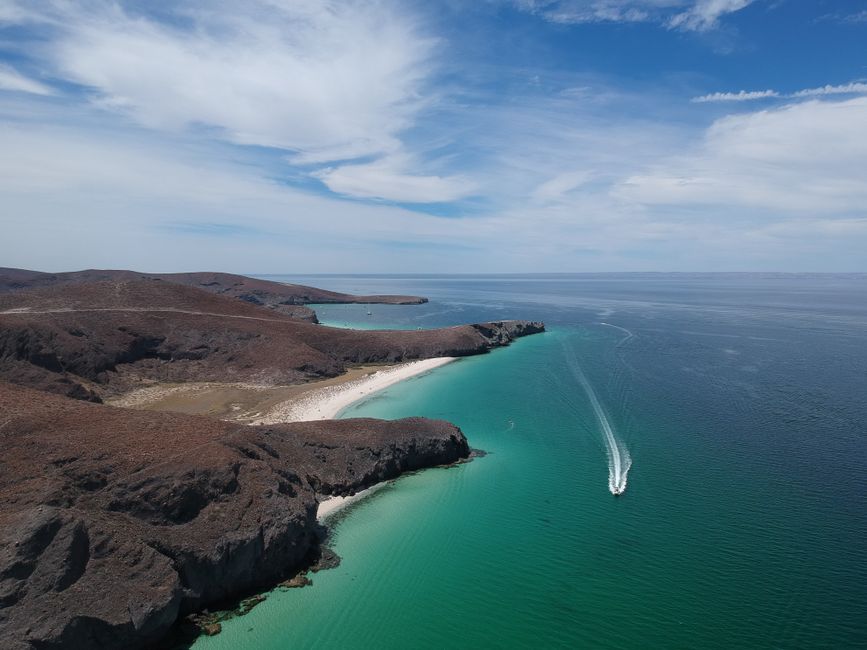
While surfing was the main focus of my trips to Mui Ne and Da Nang, I made sure to explore the surrounding areas and immerse myself in the local culture. And that's one of the best things about surfing in Vietnam – it's an opportunity to experience a truly unique and fascinating country.
In Mui Ne, I visited the famous sand dunes, both the white and the red dunes. It's an incredible experience to watch the sunrise or sunset over these vast landscapes. I also took a trip to the Fairy Stream, a shallow stream that winds its way through colorful rock formations.
In Da Nang, I explored the Marble Mountains, a cluster of limestone hills that are home to caves, temples, and stunning views. I also visited the Linh Ung Pagoda, which houses a giant white Buddha statue. And of course, I spent a day exploring Hoi An, a UNESCO World Heritage Site known for its beautiful architecture and tailor shops.
Final Thoughts: Catching the Vietnamese Wave

Surfing in Vietnam might not be on everyone's bucket list, but it's definitely worth considering if you're looking for an off-the-beaten-path surf destination. It's an opportunity to catch some fun waves, experience a unique culture, and explore a beautiful country.
Whether you're a beginner or an experienced surfer, Mui Ne and Da Nang offer something for everyone. Just remember to do your research, pack appropriately, and be prepared for an adventure. And most importantly, have fun!
So, are you ready to catch the Vietnamese wave? I know I'm already planning my next trip!

Post a Comment for "Surfing Mui Ne and Da Nang: My Vietnamese Wave-Riding Adventures"
Post a Comment