Sun Protection in Vietnam: My Essential Guide to Staying Safe in the Tropical Sun

Sun Protection in Vietnam: My Essential Guide to Staying Safe in the Tropical Sun
Vietnam, oh Vietnam! The land of vibrant culture, delicious pho, breathtaking landscapes, and…intense sunshine! I've fallen head over heels for this country, but let me tell you, the tropical sun here is no joke. I learned that the hard way during my first trip, resulting in a rather unpleasant sunburn that took days to heal. Ever since then, I've become a devout believer in diligent sun protection. If you're planning a trip to Vietnam, or even if you live here, understanding how to protect yourself from the sun is absolutely crucial. Think of this as a friendly guide, sharing my personal experiences and tips to help you stay safe and comfortable while enjoying all the beauty Vietnam has to offer.
Understanding the Vietnamese Sun: It's Stronger Than You Think!
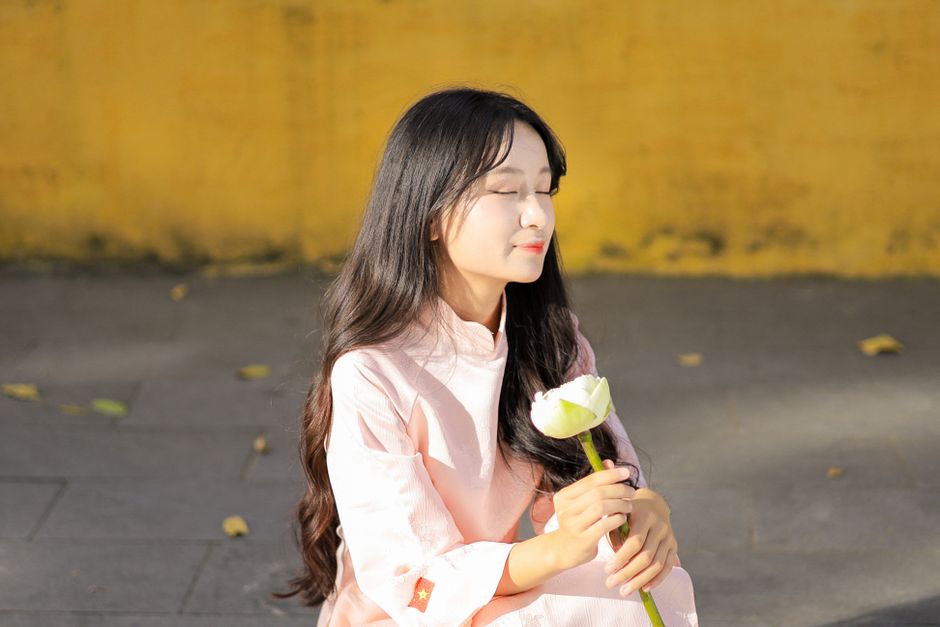
Honestly, before I visited, I underestimated the sun's power. I figured, "I'm from a sunny place; I can handle it!" Wrong. The combination of Vietnam's location near the equator and the humidity makes the UV index consistently high, often reaching extreme levels. This means you're exposed to a significant amount of ultraviolet (UV) radiation, which can lead to sunburn, premature aging, and, more seriously, an increased risk of skin cancer.
The sun's intensity also varies throughout the year and even during the day. Generally, the dry season (roughly November to April) sees more intense sun, especially in the central and southern regions. However, even during the rainy season, you're still at risk because UV rays can penetrate through clouds. The peak hours for sun exposure are typically between 10 am and 4 pm, so extra caution is needed during these times.
My Personal Sun Protection Arsenal: What Works Best
Through trial and error (and a few painful sunburns!), I've curated a sun protection routine that works for me in Vietnam's climate. Here's what I swear by:
- Sunscreen is Non-Negotiable: This is the foundation of any good sun protection plan.
- SPF Level: SPF 30 is a good starting point, but SPF 50 offers even better protection, blocking about 98% of UVB rays.
- Water Resistance: Look for "water-resistant" or "sweat-resistant" on the label. Remember, though, that these formulas still need to be reapplied after swimming or sweating.
- Skin Type: If you have sensitive skin, choose a fragrance-free and hypoallergenic sunscreen. For oily skin, look for oil-free or non-comedogenic formulas to avoid clogging pores.
- Protective Clothing: Covering up is another powerful way to shield yourself from the sun.
- Hats are a Must: A wide-brimmed hat is essential for protecting your face, neck, and ears.
- Sunglasses are Crucial: Don't forget about your eyes!
- Seek Shade: Sometimes, the best sun protection is simply avoiding direct sunlight.
Choosing the right sunscreen is key. I always opt for a broad-spectrum sunscreen with an SPF of 30 or higher. Broad-spectrum means it protects against both UVA and UVB rays. UVA rays contribute to aging, while UVB rays are the primary cause of sunburn. I prefer water-resistant and sweat-resistant formulas, especially if I'm going to be active or spending time near water. Chemical sunscreens need to be applied about 20 minutes before sun exposure, whilst mineral ones can be applied right before, but either way, reapplication is key.
Here are a few things I consider when buying sunscreen:
I always carry a small tube of sunscreen with me for reapplication throughout the day. Aim to reapply every two hours, or more often if you're swimming or sweating heavily. Don't forget often-missed areas like your ears, neck, and the tops of your feet!
Lightweight, long-sleeved shirts and pants are your best friends. Look for fabrics that are tightly woven to offer better UV protection. Dark colors tend to absorb more heat, so I usually choose lighter colors like white, beige, or pastel shades. Some clothing is specifically designed with UPF (Ultraviolet Protection Factor) rating, which indicates how much UV radiation the fabric blocks. UPF 50+ clothing blocks 98% of UV rays.
A baseball cap is better than nothing, but a wide brimmed hat offers more protection. Straw hats are popular, but be aware that they might not offer as much UV protection as tightly woven fabrics. I prefer a hat with a brim of at least 3 inches all the way around.
Prolonged exposure to UV rays can damage your eyes and increase the risk of cataracts and other eye conditions. Invest in a pair of sunglasses that block 100% of UVA and UVB rays. Look for sunglasses with an "ANSI Z80.3" rating, which indicates that they meet the American National Standards Institute's requirements for UV protection. Polarized lenses can reduce glare, making them ideal for driving or spending time near water.
During the peak hours of the day, try to stay in the shade whenever possible. This could mean sitting under a tree, using an umbrella, or finding a covered area. When exploring cities, look for buildings with awnings or arcades that provide shade. If you're spending time at the beach, consider renting an umbrella or palapa.
Sun Protection for Different Activities in Vietnam
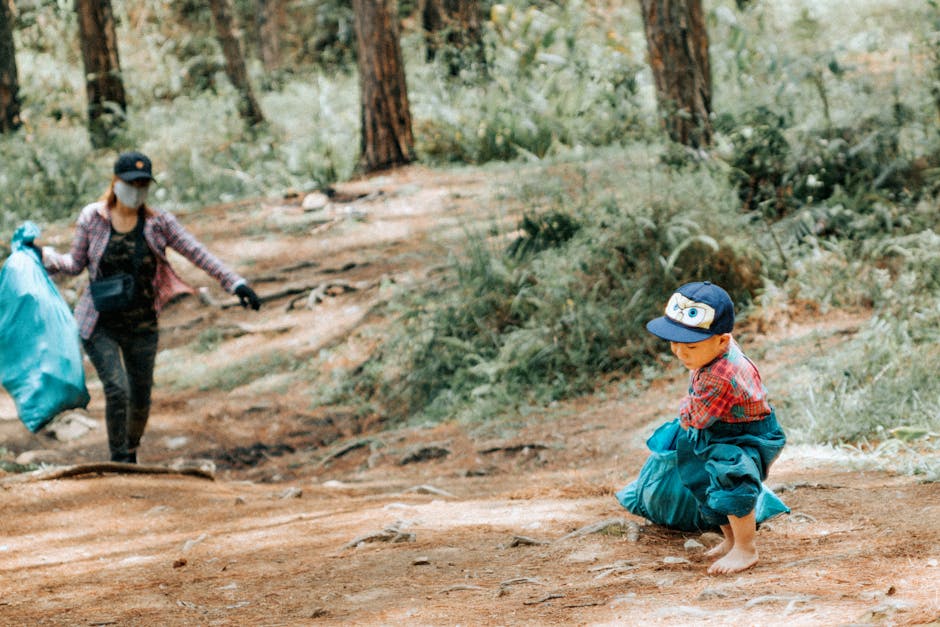
The type of sun protection you need will vary depending on what you're doing in Vietnam. Here's how I adjust my routine for different activities:
- Exploring Cities: Walking around cities like Hanoi or Ho Chi Minh City can expose you to a lot of sun, especially on rooftops or while waiting for transportation. I always wear a hat, sunglasses, and sunscreen, and try to stick to shaded streets when possible. I also carry a lightweight, long-sleeved shirt that I can put on if I start to feel too exposed.
- Beach Days: Obviously, beach days require extra sun protection. I apply sunscreen liberally and reapply frequently, especially after swimming. I also wear a rash guard or swim shirt for added protection. A beach umbrella is a must for providing shade.
- Hiking and Trekking: Hiking in Vietnam's mountains and national parks can be challenging, and the sun exposure can be intense, especially at higher altitudes. I wear a wide-brimmed hat, sunglasses, and lightweight, long-sleeved clothing. I also pack plenty of water and electrolytes to stay hydrated. Remember to reapply sunscreen regularly, even if it's cloudy.
- Motorbike Riding: Many people explore Vietnam by motorbike, but this can lead to significant sun exposure. Wear a helmet that covers your ears and neck. Use long sleeves and pants, gloves, and sunglasses. A face mask can also protect your face from the sun and dust.
Beyond the Basics: Other Important Tips

Here are a few more tips that I've found helpful for staying sun-safe in Vietnam:
- Stay Hydrated: Drinking plenty of water is essential for overall health, especially in a hot and humid climate. Dehydration can make you more susceptible to sunburn.
- Pay Attention to UV Index: Check the daily UV index forecast and plan your activities accordingly. You can find UV index information online or through weather apps.
- Protect Your Lips: Use a lip balm with SPF 30 or higher to protect your lips from sun damage.
- Know the Signs of Sunburn: Redness, pain, and blistering are all signs of sunburn. If you think you have a sunburn, get out of the sun immediately and apply a cool compress.
- Be Careful with Medications: Some medications can make you more sensitive to the sun. Check with your doctor or pharmacist to see if any of your medications increase your risk of sunburn.
- Consider After-Sun Care: Even with precautions, you might still get a little sun exposure. An after-sun lotion or gel can help soothe and hydrate your skin. Look for products with aloe vera or other calming ingredients.
Common Sun Protection Mistakes I've Made (So You Don't Have To!)
I've definitely made my share of sun protection mistakes in Vietnam. Here are a few of the most common ones:
- Not Applying Enough Sunscreen: Most people don't apply nearly enough sunscreen. You should use about an ounce (shot glass full) to cover your entire body.
- Not Reapplying Sunscreen: Reapplying sunscreen is crucial, especially after swimming or sweating. Set a reminder on your phone to reapply every two hours.
- Forgetting to Protect Specific Areas: Areas like the ears, neck, tops of the feet, and scalp are often forgotten when applying sunscreen.
- Relying on Cloudy Weather: UV rays can penetrate through clouds, so you're still at risk of sunburn even on overcast days.
- Thinking a Base Tan Provides Protection: A base tan offers very little protection against sunburn and can still lead to skin damage.
Where to Buy Sunscreen and Sun Protection Products in Vietnam

You can find sunscreen and other sun protection products in most pharmacies, supermarkets, and tourist shops in Vietnam. International brands like Neutrogena, La Roche-Posay, and Banana Boat are widely available, but you can also find local brands that offer good protection. Prices can vary, so it's worth comparing before you buy. Larger cities like Hanoi and Ho Chi Minh City will have a wider selection of products than smaller towns and rural areas. If you have specific preferences or allergies, it's a good idea to bring your own sunscreen from home.
Enjoy the Sun, Responsibly!
Vietnam's sunshine is a beautiful thing, and it shouldn't deter you from exploring this amazing country. With the right sun protection strategies, you can enjoy all that Vietnam has to offer without risking your skin health. Remember, prevention is always better than cure. So, slather on that sunscreen, grab your hat, and get ready for an unforgettable adventure!
By following these tips, you'll be well-equipped to navigate the Vietnamese sun like a pro. Safe travels and happy exploring!

Post a Comment for "Sun Protection in Vietnam: My Essential Guide to Staying Safe in the Tropical Sun"
Post a Comment