Sapa Trekking Adventures: Finding Your Perfect Trail, No Matter Your Fitness

Sapa Trekking Adventures: Finding Your Perfect Trail, No Matter Your Fitness
Hey there, fellow adventurer! Dreaming of vibrant rice terraces cascading down mountains, mist swirling around hidden villages, and the feeling of accomplishment after a good trek? Sapa, Vietnam, might just be calling your name. I've spent a fair bit of time exploring Sapa, and let me tell you, it's even more magical in person than the pictures suggest. But with so many trekking routes to choose from, figuring out where to start can feel a bit overwhelming. That's where I come in! Think of me as your Sapa trekking buddy, here to help you find the perfect trail for your fitness level and interests. So, grab a cup of tea, settle in, and let's explore the amazing trekking options Sapa has to offer.
Understanding Sapa's Trekking Landscape

Before we dive into specific routes, let's paint a little picture of the trekking scene in Sapa. The region is incredibly diverse, both in terms of terrain and cultural experiences. You'll find everything from gentle strolls through rice paddies to challenging climbs up Fansipan, Indochina's highest peak. Most treks involve navigating uneven paths, sometimes muddy or rocky, and often involve some uphill and downhill sections. The altitude also plays a role – Sapa sits around 1,500 meters (almost 5,000 feet) above sea level, so it's worth taking it easy on your first day to acclimatize. Don't worry though, the stunning views are worth every step!
Another thing to consider is the weather. Sapa can be unpredictable. You might experience sunshine, rain, and mist all in one day! Packing layers is essential, and good hiking shoes are a must. And, of course, respecting the local culture is paramount. Many treks pass through villages inhabited by different ethnic minority groups, like the Hmong, Dao, and Tay. They are incredibly welcoming, but it's important to be mindful of their customs and traditions. Buying handicrafts directly from them is a great way to support their communities.
Choosing the Right Trek: Fitness Levels Explained

Okay, let's talk fitness levels. I like to break them down into three categories:
- Beginner: You enjoy gentle walks and are comfortable with a couple of hours of light activity. Maybe you haven't done a lot of hiking recently, but you're eager to get started.
- Intermediate: You're reasonably fit and active, perhaps hitting the gym a few times a week or enjoying regular hikes. You're comfortable with longer walks and some moderate inclines.
- Advanced: You're a seasoned hiker, comfortable with challenging terrain, long distances, and significant elevation gain. You're probably looking for a real adventure!
Now that you have a rough idea of your fitness level, let's explore some Sapa trekking routes that might be a good fit.
Beginner-Friendly Treks: Immersive Cultural Experiences

If you're new to trekking or prefer a more relaxed pace, these routes are perfect for you. They focus on cultural immersion and stunning scenery, without being too physically demanding.
- Cat Cat Village Trek: This is a classic for a reason! It's a relatively short and easy trek from Sapa town to Cat Cat Village, home to the Black Hmong people. The path is mostly paved, although there are some stairs, and it winds through beautiful rice paddies and past waterfalls. You can explore the village, learn about Hmong culture, and enjoy traditional performances. Be prepared for it to be touristy though, especially during peak season.
- Lao Chai – Ta Van Trek (Short Version): This is a slightly longer option, but still manageable for beginners. You'll trek through the stunning Muong Hoa Valley, passing through Lao Chai and Ta Van villages, home to the Hmong and Dzay people respectively. The path is mostly flat or gently sloping, with some uneven sections. You'll be rewarded with breathtaking views of rice terraces and the opportunity to interact with local villagers. I recommend hiring a local guide for this trek; it really enhances the experience and allows you to learn more about the culture and the area.
- Ham Rong Mountain Park: Okay, this isn't technically a trek, but it's a great way to get your legs moving and enjoy panoramic views of Sapa town and the surrounding mountains. It's a series of gardens, viewpoints, and rock formations that climb up Ham Rong Mountain. It involves some stairs, but it's not too strenuous, and the views from the top are incredible, especially at sunrise or sunset.
Intermediate Treks: Exploring Hidden Gems and Stunning Vistas
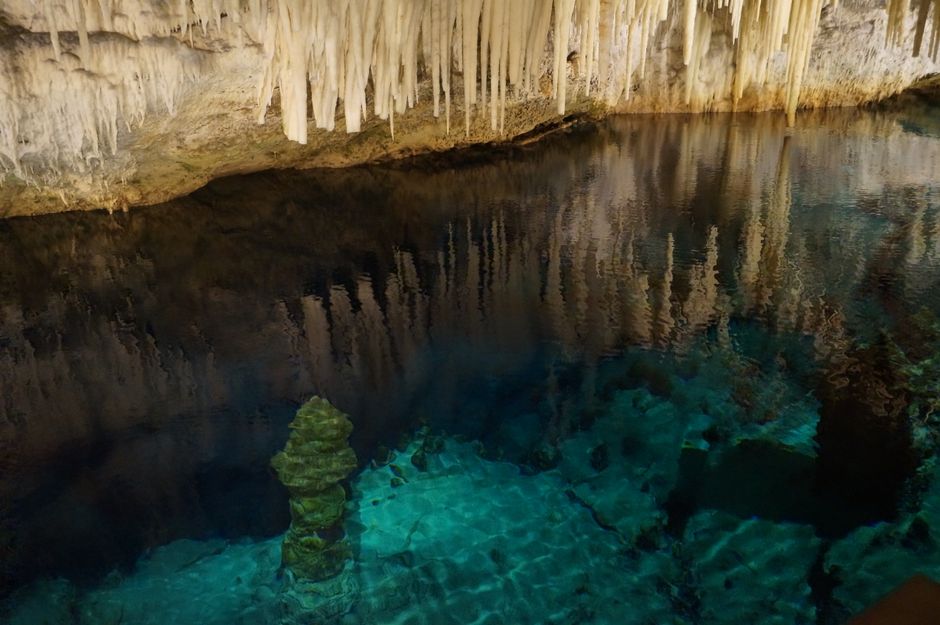
If you're reasonably fit and looking for a bit more of a challenge, these treks offer a good balance of physical activity, cultural immersion, and breathtaking scenery.
- Lao Chai – Ta Van Trek (Full Version): This extended version of the beginner trek takes you further into the Muong Hoa Valley, offering even more stunning views and cultural experiences. The terrain is a bit more challenging, with some steeper sections and uneven paths, but it's still manageable for anyone with a moderate level of fitness. You'll likely be trekking for 4-6 hours, so be sure to bring plenty of water and snacks.
- Y Linh Ho – Lao Chai – Ta Van – Giang Ta Chai Trek: This is a popular loop trek that takes you through several villages and offers a diverse range of scenery. You'll start in Y Linh Ho, a small village known for its suspension bridge, and then trek through Lao Chai, Ta Van, and Giang Ta Chai, home to the Red Dao people. This trek is more challenging than the previous ones, with some steep climbs and descents, but the rewards are well worth it. The views are incredible, and you'll have the opportunity to learn about the unique cultures of the different ethnic minority groups.
- Cat Cat – Sin Chai Trek: While Cat Cat Village itself is touristy, continuing on to Sin Chai, a remote Hmong village nestled deeper in the mountains, offers a more authentic experience. The path is steeper and more challenging than the Cat Cat Village trek, but you'll be rewarded with stunning views and a glimpse into a more traditional way of life. This trek is less crowded than the Cat Cat Village trek, so you'll have more peace and quiet to enjoy the scenery.
Advanced Treks: Conquer Peaks and Immerse Yourself in Nature
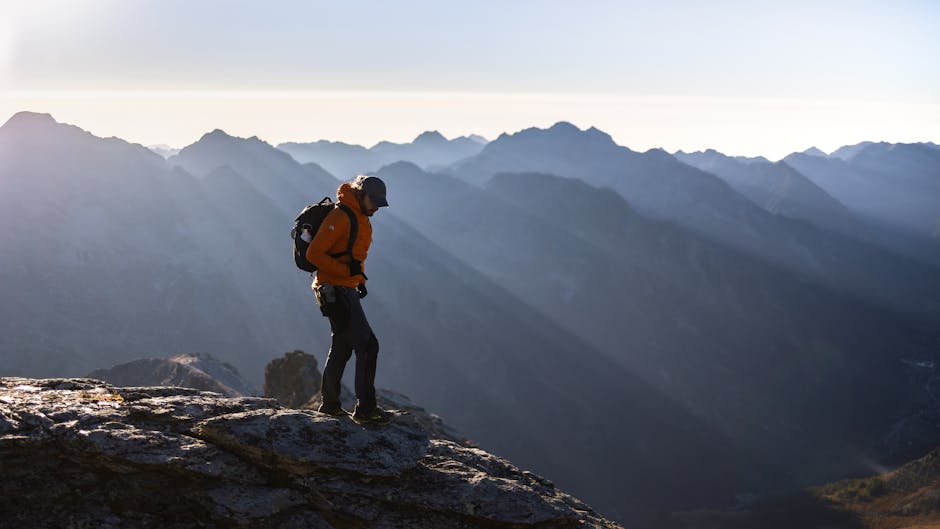
If you're a seasoned hiker looking for a real adventure, these treks will push you to your limits and reward you with unforgettable experiences.
- Fansipan Summit Trek: This is the ultimate challenge in Sapa! Trekking to the summit of Fansipan, Indochina's highest peak, is a demanding but incredibly rewarding experience. There are several routes to choose from, ranging in difficulty and duration. Some routes involve camping overnight on the mountain. Regardless of the route you choose, you'll need to be in good physical condition and prepared for challenging terrain, steep climbs, and unpredictable weather. The views from the summit are absolutely breathtaking, though, and the sense of accomplishment is incredible. You can also take a cable car up to Fansipan, but I feel like you miss out on the amazing trek.
- Remote Village Treks (Multiple Days): For a truly immersive experience, consider a multi-day trek to some of Sapa's more remote villages. These treks often involve camping in the mountains and trekking through areas that are rarely visited by tourists. You'll need to hire a local guide who knows the area well and can help you navigate the trails and communicate with the local villagers. These treks offer a unique opportunity to learn about the traditional way of life of the ethnic minority groups and to experience the beauty of Sapa's untouched landscapes. Popular destinations include villages near Muong Hum Market and areas further north near the Chinese border.
- Trekking Combined with Homestays: Combine your trekking with staying in local homestays. This is a fantastic way to connect with the local community, experience their culture firsthand, and enjoy delicious home-cooked meals. Many of the treks mentioned above can be adapted to include homestays. Your guide can arrange for you to stay in a traditional Hmong or Dao house, where you'll sleep on a comfortable mattress on the floor and share meals with the family. It's an incredible experience that will give you a deeper appreciation for the people and culture of Sapa.
Essential Tips for Planning Your Sapa Trek

Before you lace up your boots and head off on your Sapa adventure, here are a few essential tips to keep in mind:
- Pack Appropriately: As I mentioned earlier, the weather in Sapa can be unpredictable. Pack layers of clothing, including a waterproof jacket, warm sweater, and comfortable hiking pants. Good hiking shoes are a must, and consider bringing trekking poles for added stability. Don't forget sunscreen, insect repellent, and a hat.
- Hire a Local Guide: While it's possible to trek independently in some areas of Sapa, I highly recommend hiring a local guide. They can provide valuable insights into the local culture, navigate the trails, and help you communicate with the local villagers. Plus, you'll be supporting the local economy.
- Book in Advance: Sapa is a popular tourist destination, especially during peak season. If you're planning to visit during this time, it's best to book your accommodation, tours, and transportation in advance.
- Respect the Local Culture: Be mindful of the local customs and traditions. Dress respectfully when visiting villages and ask permission before taking photos of people. Buy handicrafts directly from the local villagers to support their communities.
- Stay Hydrated and Eat Well: Trekking can be strenuous, so it's important to stay hydrated and eat well. Bring plenty of water with you, and pack some snacks to keep your energy levels up. Try the local Vietnamese cuisine – it's delicious and will give you the fuel you need to conquer the trails.
- Be Prepared for Unexpected Weather: Sapa weather can change quickly, so be prepared for anything. Check the forecast before you head out, and be prepared to adjust your plans if necessary.
- Leave No Trace: Pack out everything you pack in and avoid littering. Respect the environment and leave it as you found it.
Making the Most of Your Sapa Experience

Sapa is more than just a trekking destination; it's a place where you can connect with nature, immerse yourself in a unique culture, and challenge yourself physically and mentally. By choosing the right trekking route for your fitness level and following these tips, you can ensure that your Sapa adventure is an unforgettable one. So, what are you waiting for? Start planning your trip today and get ready to experience the magic of Sapa!
Remember to be open to new experiences, embrace the unexpected, and enjoy every moment of your journey. Happy trekking!

Post a Comment for "Sapa Trekking Adventures: Finding Your Perfect Trail, No Matter Your Fitness"
Post a Comment