Learning Vietnamese Cuisine From Market Tour to Plate: A Flavorful Journey
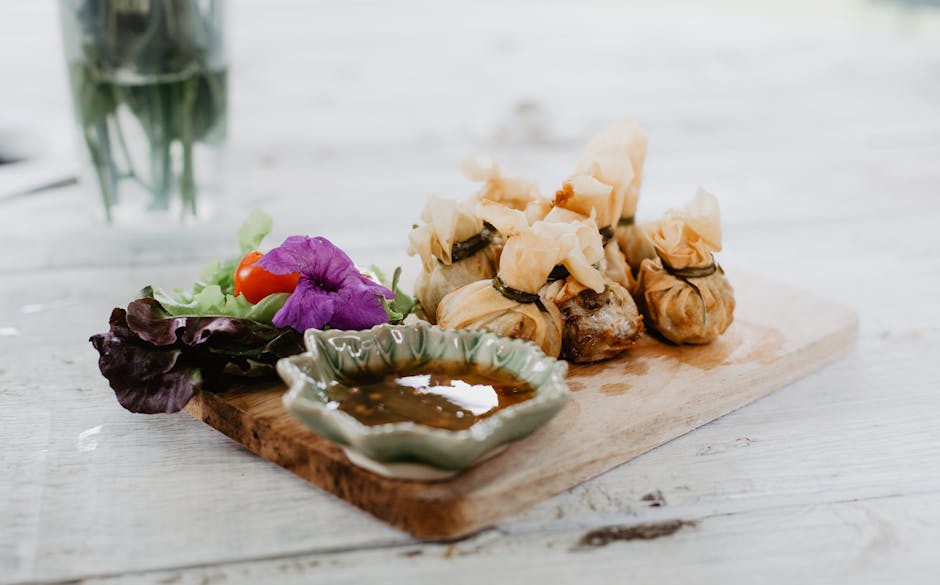
Learning Vietnamese Cuisine From Market Tour to Plate: A Flavorful Journey
Hey there, food lovers! Ever dreamt of diving headfirst into a vibrant culinary world? Well, let me tell you, learning Vietnamese cuisine is like embarking on an epic adventure, filled with aromatic spices, fresh ingredients, and unforgettable flavors. I recently had the incredible opportunity to do just that – from bustling market tours to crafting my own pho, it was an experience that truly transformed my understanding and appreciation for Vietnamese food. Let me share my journey with you!
The Sensory Overload of a Vietnamese Market
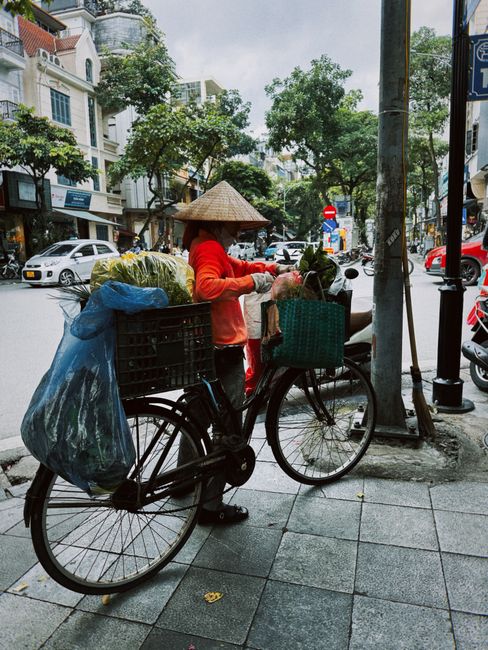
My adventure began with a deep dive into the heart of Vietnamese cuisine: the local market. Forget your sterile supermarket aisles; these markets are a whirlwind of sights, sounds, and smells. Imagine narrow walkways crammed with vendors hawking their wares, the rhythmic chopping of cleavers, the chatter of locals bargaining, and the pungent aromas of exotic spices mingling in the air. It's an assault on the senses, but in the best possible way!
To really appreciate the market, I had to learn a few basic phrases. "Bao nhiêu?" (How much?) became my new best friend! Navigating the crowds was a challenge, but the rewards were immense. Here's what I discovered:
- Fresh Herbs Galore: Vietnamese cuisine relies heavily on fresh herbs, and the market was overflowing with them. From the familiar cilantro and mint to the more exotic Thai basil, rau ram (Vietnamese coriander), and perilla, each herb adds its unique layer of flavor to the dishes.
- Exotic Fruits and Vegetables: Forget your standard apples and bananas. We're talking dragon fruit, mangosteen, rambutan, jackfruit, and countless varieties of greens I couldn't even begin to identify. Each fruit and vegetable offered a new taste and texture to explore.
- A World of Noodles: From the thin rice vermicelli (bún) to the wide rice noodles (bánh phở) and the chewy tapioca noodles (bánh canh), the variety of noodles was astounding. Learning about their different uses and textures was key to understanding Vietnamese cooking.
- Fish Sauce: The ubiquitous condiment, nước mắm, is the soul of Vietnamese cuisine. The market offered different grades and varieties, each with its own unique aroma and flavor profile. Don't be put off by the initial smell; it's an essential ingredient!
- Spices and Seasonings: From star anise and cinnamon to chili peppers and lemongrass, the spice section was a treasure trove of aromatic delights. I learned about the importance of balancing sweet, sour, salty, bitter, and umami flavors in Vietnamese dishes.
One of the most valuable things I learned at the market was the importance of freshness. Vietnamese cuisine is all about using the best quality ingredients, and seeing the produce straight from the farm gave me a newfound appreciation for the food.
Hands-On Cooking Classes: From Theory to Practice
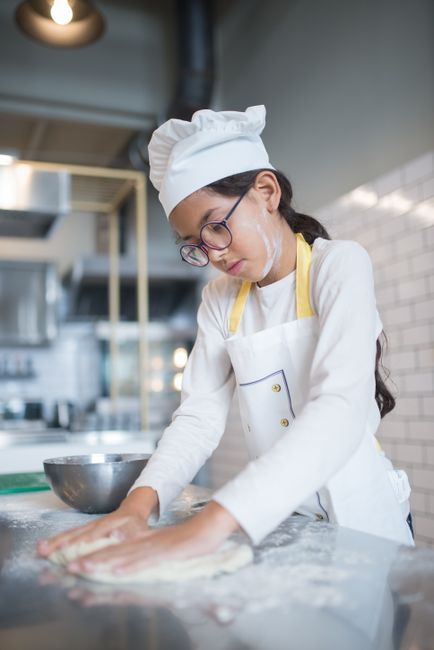
After immersing myself in the market, it was time to get my hands dirty! I signed up for a cooking class led by a local chef, and it was the best decision I could have made. The class was held in a charming open-air kitchen, and the atmosphere was relaxed and welcoming.
Our chef, a warm and patient woman named Mai, guided us through the preparation of several classic Vietnamese dishes. We started with the basics: learning how to properly chop vegetables, prepare marinades, and balance the flavors in sauces. Here's a glimpse of what we cooked:
- Fresh Spring Rolls (Gỏi cuốn): These translucent rolls are filled with rice vermicelli, shrimp, pork, herbs, and vegetables. The key is to use fresh ingredients and to roll them tightly. We learned how to make the perfect peanut dipping sauce to accompany the rolls.
- Crispy Pancakes (Bánh xèo): These savory crepes are made with rice flour, coconut milk, and turmeric, and are filled with shrimp, pork, bean sprouts, and onions. The crispy texture is achieved by cooking them in a hot pan with plenty of oil.
- Beef Noodle Soup (Phở bò): Arguably Vietnam's most famous dish, phở bò is a flavorful beef noodle soup simmered for hours. We learned how to make the broth from scratch, using beef bones, spices, and charred onions and ginger.
- Caramelized Pork (Thịt kho tàu): This slow-cooked pork dish is simmered in coconut juice, fish sauce, and sugar until it's tender and caramelized. It's a sweet and savory delight that's perfect with rice.
- Green Papaya Salad (Gỏi đu đủ): This refreshing salad is made with shredded green papaya, carrots, herbs, peanuts, and a tangy dressing. It's a light and flavorful dish that's perfect for hot days.
Mai emphasized the importance of using fresh ingredients and adjusting the flavors to your own taste. She also shared her family's secret recipes and cooking tips, which made the class even more special. It wasn't just about following instructions; it was about understanding the underlying principles of Vietnamese cuisine.
Mastering the Art of Pho: A Culinary Challenge

Of all the dishes we learned to cook, phở bò was the most challenging and rewarding. The broth is the heart and soul of phở, and it takes hours of simmering to develop its rich and complex flavor. Here's what I learned about making the perfect phở broth:
- The Bones: Use a combination of beef bones, including knuckle bones and marrow bones, for the best flavor.
- The Spices: Toast the spices (star anise, cinnamon, cloves, coriander seeds) before adding them to the broth to release their aroma.
- The Charred Vegetables: Charring the onions and ginger adds a smoky depth to the broth.
- The Simmering Time: Simmer the broth for at least 6 hours, or even longer, to extract all the flavor from the bones and spices.
- The Skimming: Regularly skim the broth to remove any impurities and ensure a clear and flavorful soup.
Once the broth is ready, it's time to assemble the phở. Here's the process:
- Cook the noodles: Cook the rice noodles according to package instructions, and drain them well.
- Slice the beef: Thinly slice the raw beef (usually flank steak or brisket).
- Assemble the bowl: Place the noodles in a bowl, top with the sliced beef, and ladle over the hot broth.
- Add the toppings: Garnish with fresh herbs (cilantro, Thai basil, mint), sliced onions, bean sprouts, and a squeeze of lime juice.
- Season to taste: Add hoisin sauce and sriracha to your liking.
Making phở from scratch is a labor of love, but the results are well worth the effort. The aroma of the fragrant broth, the tender beef, and the fresh herbs create a symphony of flavors that is truly unforgettable. I'll admit, my first attempt wasn't perfect, but with each try, I got closer to capturing the authentic taste of Vietnamese phở. It's a skill I'm determined to master!
Beyond the Recipes: Understanding Vietnamese Culture

Learning Vietnamese cuisine wasn't just about mastering recipes; it was about understanding the culture and traditions behind the food. I discovered that food plays a central role in Vietnamese family life, and meals are often shared around a communal table.
I also learned about the importance of balance in Vietnamese cuisine – the balance of flavors, textures, and temperatures. The concept of "âm dương" (yin and yang) is deeply ingrained in Vietnamese cooking, and dishes are often designed to promote harmony and well-being. For instance, spicy dishes might be paired with cooling herbs, and rich dishes might be served with light salads.
The hospitality of the Vietnamese people also impressed me. Everywhere I went, I was greeted with warmth and generosity. People were eager to share their food and their stories, and I felt a genuine connection to the culture. I was invited into local homes for meals, shared tea with vendors at the market, and learned about the history and traditions of Vietnam from the people who lived them.
Bringing Vietnam Home: Recreating the Flavors

Since returning home, I've been experimenting with Vietnamese recipes in my own kitchen. It's not always easy to find the exact ingredients I used in Vietnam, but I've learned to adapt and improvise. Here are some tips for recreating Vietnamese flavors at home:
- Source fresh ingredients: Look for Asian grocery stores in your area, or try growing your own herbs.
- Don't be afraid to experiment: Adjust the flavors to your own taste, and don't be afraid to try new things.
- Invest in a good wok: A wok is essential for stir-frying and cooking many Vietnamese dishes.
- Practice makes perfect: Don't get discouraged if your first attempt isn't perfect. Keep practicing, and you'll eventually master the techniques.
- Share your creations: Vietnamese cuisine is best enjoyed with friends and family.
Learning Vietnamese cuisine has been an incredible journey, one that has enriched my life in so many ways. It's not just about the food; it's about the culture, the people, and the memories I've made along the way. And honestly? It has made me a much better cook! I hope my experience inspires you to explore the wonderful world of Vietnamese cuisine, too. Trust me, your taste buds will thank you!
So, what are you waiting for? Grab your apron, head to the market, and start cooking! Chúc ngon miệng! (Enjoy your meal!)

Post a Comment for "Learning Vietnamese Cuisine From Market Tour to Plate: A Flavorful Journey"
Post a Comment