Learning Vietnamese Calligraphy: A Journey into Art, Culture, and Self-Discovery

Learning Vietnamese Calligraphy: A Journey into Art, Culture, and Self-Discovery
Have you ever been captivated by the graceful strokes of calligraphy, the way ink dances across paper to create something truly beautiful? I have! And recently, I embarked on a journey to learn Vietnamese calligraphy, or Thư Pháp Việt Nam, and it's been an incredibly rewarding experience. It's so much more than just writing pretty characters; it's a deep dive into Vietnamese culture, history, and even a bit of personal meditation. Let me share my adventure with you, hoping it inspires you to pick up a brush and explore this captivating art form.
Why Vietnamese Calligraphy? More Than Just Pretty Letters

Okay, so why Vietnamese calligraphy specifically? There are so many beautiful calligraphy styles out there! Well, for me, it was a combination of things. Firstly, I've always been drawn to Vietnamese culture. The food, the music, the history – it's all so rich and fascinating. Learning calligraphy felt like a way to connect with that culture on a deeper level. Secondly, I was looking for a creative outlet, something that would challenge me and help me slow down in this fast-paced world. Calligraphy, with its emphasis on precision and mindfulness, seemed like the perfect fit.
But the real magic of Vietnamese calligraphy lies in its connection to the Tết holiday, the Vietnamese Lunar New Year. During Tết, calligraphers set up shop, writing wishes for luck, prosperity, and happiness for the coming year. These calligraphic works are then displayed in homes, bringing a touch of artistry and good fortune. Imagine being able to create something so meaningful, something that carries such cultural significance! That was a huge motivator for me.
Getting Started: Tools and Resources for the Budding Calligrapher

So, you're intrigued! Wonderful! Now, let's talk about getting started. Don't worry; you don't need to spend a fortune on fancy materials right away. You can start with some basic supplies and gradually build your collection as you progress.
Here's what I recommend for beginners:
- Brushes (Bút Lông): This is the heart of calligraphy. Start with a medium-sized brush. Look for brushes with a good point and the ability to hold ink well. Don't be afraid to experiment with different sizes and types as you get more comfortable.
- Ink (Mực): Black ink is traditional. You can use bottled ink, which is readily available and convenient. Alternatively, you can try grinding your own ink with an inkstone and ink stick for a more authentic experience.
- Paper (Giấy): Calligraphy paper is specifically designed to absorb ink without bleeding. You can find specialized paper for calligraphy, or even use good quality rice paper. Avoid using regular printer paper, as it's too thin and the ink will spread.
- Water Dropper: Very helpful for adding small amount of water to your ink slab or to clean your brush.
- Felt Mat (Tấm Lót): Protects your work surface and helps absorb excess ink.
- Water Container: Essential for cleaning your brush.
- Paper Weights (Đồ Chặn Giấy): Keeps your paper in place while you work.
Once you have your supplies, the next step is to find some resources. Thankfully, there are tons of options available!
Here are a few that I found helpful:
- Online Tutorials: YouTube is your friend! Search for "Vietnamese calligraphy tutorial" and you'll find a wealth of videos covering everything from basic strokes to more advanced techniques.
- Books and Guides: Look for books on Vietnamese calligraphy specifically. They often provide detailed instructions, stroke diagrams, and examples of beautiful calligraphy works.
- Online Communities: Join online forums or social media groups dedicated to Vietnamese calligraphy. It's a great way to connect with other learners, ask questions, and share your work.
- Local Classes: If possible, consider taking a class from a qualified instructor. They can provide personalized feedback and guidance. Look for Vietnamese cultural centers or art schools in your area.
Understanding the Basics: Strokes and Characters
Okay, you've got your supplies and you've found some resources. Now, it's time to start learning the basics! Vietnamese calligraphy, like any other art form, has its own set of fundamental principles. Let's break it down.
First, you need to understand the basic strokes. These are the building blocks of all the characters. Some common strokes include:
- Horizontal Stroke (Nét Ngang): A straight line drawn horizontally from left to right.
- Vertical Stroke (Nét Sổ): A straight line drawn vertically from top to bottom.
- Dot (Nét Chấm): A small dot of ink.
- Left-falling Stroke (Nét Phẩy): A diagonal stroke that falls to the left.
- Right-falling Stroke (Nét Mác): A diagonal stroke that falls to the right.
Mastering these basic strokes is crucial, as they form the foundation for all the more complex characters. Practice them repeatedly, paying attention to your brush pressure, angle, and speed. It might seem tedious at first, but trust me, it's worth it!
Next, you need to learn the structure of the characters. Vietnamese calligraphy often uses Chinese characters (Hán tự) or the Vietnamese alphabet (chữ Quốc ngữ), but the characters are written in a stylized and artistic way. Understanding the order of the strokes and the overall balance of the character is essential.
I started by focusing on a few simple characters, such as "Phúc" (福), which means happiness, and "Lộc" (禄), which means prosperity. These characters are commonly used during Tết, making them a great starting point. I practiced them over and over again, trying to perfect my strokes and capture the essence of each character.
Finding Your Style: Experimentation and Creativity

As you progress in your calligraphy journey, you'll naturally start to develop your own unique style. Don't be afraid to experiment with different techniques, brush sizes, and ink densities. Try adding your own personal flair to the traditional characters.
One of the things I love most about calligraphy is the freedom it allows for creativity. You can play with different compositions, add decorative elements, and even incorporate your own original designs. The possibilities are endless!
Here are a few tips for finding your style:
- Study the Masters: Look at the works of famous Vietnamese calligraphers for inspiration. Pay attention to their stroke techniques, composition, and overall aesthetic.
- Experiment with Different Materials: Try using different types of brushes, inks, and papers to see how they affect your work.
- Don't Be Afraid to Make Mistakes: Mistakes are part of the learning process. Don't get discouraged if your work isn't perfect right away. Just keep practicing and experimenting.
- Find Your Inspiration: Draw inspiration from nature, music, poetry, or anything else that moves you. Let your passion guide your creativity.
Challenges and Rewards: The Ups and Downs of Learning Calligraphy
Let's be honest, learning Vietnamese calligraphy isn't always easy. There will be times when you feel frustrated, when your strokes look clumsy, and when you just want to give up. I've definitely had my share of those moments!
But the rewards of learning calligraphy are well worth the effort. Not only will you develop a new skill and create beautiful works of art, but you'll also gain a deeper appreciation for Vietnamese culture and a greater sense of inner peace.
Here are some of the challenges I've faced and the strategies I've used to overcome them:
- Maintaining Focus: Calligraphy requires a lot of concentration. It can be difficult to maintain focus, especially when you're feeling stressed or tired. I find that practicing in a quiet and peaceful environment helps.
- Achieving Consistency: It's hard to achieve consistent results, especially when you're just starting out. My solution is practice, practice, practice! The more you practice, the more consistent your strokes will become.
- Overcoming Perfectionism: It's easy to get caught up in trying to make everything perfect. I've learned to let go of perfectionism and embrace the imperfections. After all, it's the imperfections that make each piece unique.
But despite the challenges, the rewards have been immense. I've experienced a sense of accomplishment, a connection to Vietnamese culture, and a deep sense of calm. Calligraphy has become my meditation, a way to escape the stresses of daily life and focus on the present moment.
Sharing Your Art: Bringing Joy to Others Through Calligraphy

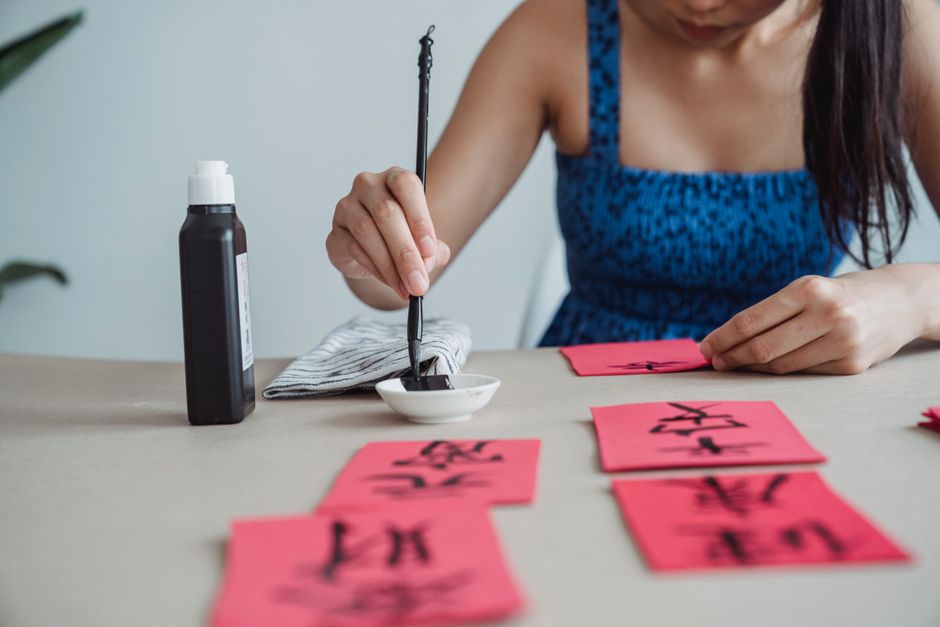
One of the most rewarding aspects of learning Vietnamese calligraphy is the ability to share your art with others. Whether it's giving a handmade calligraphy card to a friend, creating a beautiful piece for your home, or even selling your work online, sharing your art can bring joy to both you and the recipient.
I started by creating small calligraphy pieces for my family and friends during Tết. The look on their faces when they received a personalized calligraphy card was priceless! It felt amazing to share my passion and bring a touch of Vietnamese culture into their lives.
You could consider:
- Creating custom calligraphy pieces for special occasions.
- Selling your calligraphy art at local craft fairs or online marketplaces.
- Teaching calligraphy workshops to share your knowledge with others.
The possibilities are endless. By sharing your art, you can inspire others to explore their own creativity and connect with Vietnamese culture.
Continuing the Journey: Lifelong Learning in Calligraphy
Learning Vietnamese calligraphy is a lifelong journey. There's always something new to learn, a new technique to master, or a new style to explore. As you continue on your journey, you'll deepen your understanding of the art form and discover new ways to express your creativity.
I'm still a beginner, but I'm excited to continue learning and growing as a calligrapher. I plan to:
- Continue practicing regularly to improve my skills.
- Study the works of more master calligraphers.
- Experiment with new techniques and styles.
- Attend workshops and classes to learn from other artists.
Most importantly, I want to continue to share my passion for Vietnamese calligraphy with others and help preserve this beautiful art form for future generations.
So, what are you waiting for? Pick up a brush, grab some ink, and embark on your own Vietnamese calligraphy adventure! You might just surprise yourself with what you can create. And who knows, maybe one day you'll be the one writing beautiful calligraphy wishes for Tết, bringing joy and good fortune to others.
Chúc bạn may mắn! (Good luck!) And happy writing!

Post a Comment for "Learning Vietnamese Calligraphy: A Journey into Art, Culture, and Self-Discovery"
Post a Comment