Hoi An's Lantern-Lit Nights: A Magical Experience You Won't Forget

Hoi An's Lantern-Lit Nights: A Magical Experience You Won't Forget
Oh, Hoi An. Just the name conjures up images of vibrant silk lanterns, ancient architecture whispering stories of bygone eras, and the gentle rhythm of the Thu Bon River. Trust me, photos don't do it justice. You need to experience it to truly understand the magic that hangs in the air after sunset. I'm practically buzzing just thinking about it!
Why Hoi An Stole My Heart (And Will Steal Yours Too)

I've traveled to quite a few places, but Hoi An holds a special place in my heart. There's something undeniably captivating about this ancient trading port in Vietnam. It's not just the stunning scenery, but the feeling you get as you wander through the narrow streets, soaking up the history and culture. It's like stepping back in time, but with all the comforts (and delicious food!) of the modern world.
Before I went, I'd seen countless pictures of Hoi An, mostly those iconic shots of the Japanese Covered Bridge and the lantern-lit streets. But being there in person was an entirely different ball game. The colors are richer, the air is filled with a unique energy, and the sounds – the gentle chatter, the clinking of glasses, the rhythmic strumming of a guitar – all blend together to create an unforgettable atmosphere.
What truly sets Hoi An apart is its unique blend of cultures. You'll see influences from Vietnam, China, Japan, and Europe woven into the architecture, cuisine, and traditions. It's a fascinating melting pot that makes exploring the town a constant adventure.
Lanterns: The Soul of Hoi An's Nights
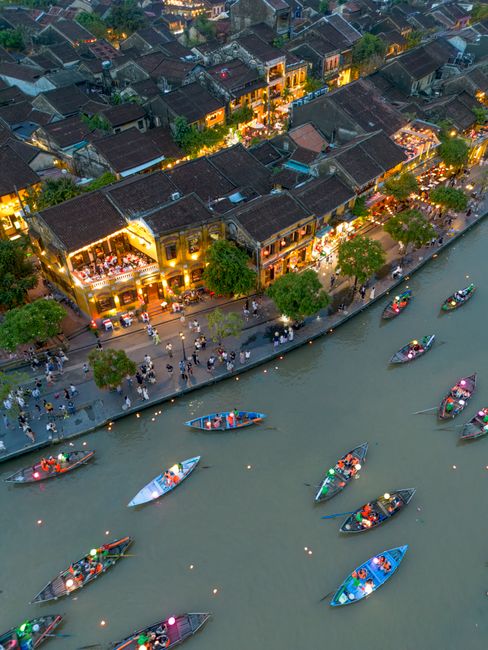
Okay, let's talk about the lanterns. I mean, seriously, the lanterns! They are the undisputed stars of Hoi An's nightlife. As the sun dips below the horizon, casting a warm golden glow across the ancient town, the lanterns begin to illuminate the streets, transforming Hoi An into a fairytale wonderland.
Each lantern seems to have its own personality, casting a soft, inviting light that dances on the walls of the old buildings. They come in all shapes, sizes, and colors – from delicate silk lanterns adorned with intricate embroidery to simple paper lanterns that cast a warm, ambient glow. Walking through the lantern-lit streets is like stepping into a dream. It's truly magical.
And the best part? You can even learn how to make your own lantern! There are numerous workshops in Hoi An where you can learn the art of lantern making from skilled artisans. I took one, and while my creation wasn't exactly a masterpiece, it was an incredibly rewarding experience. Now I have a beautiful reminder of my time in Hoi An hanging in my home, and it always brings a smile to my face.
Here are a few things I learned about these beautiful illuminations:
- Symbolism: The colors and shapes of the lanterns often carry symbolic meanings, related to luck, prosperity, and good fortune.
- Materials: Traditionally, lanterns were made with bamboo frames covered in silk or paper. Now, you can find lanterns made with various materials.
- Craftsmanship: Lantern making is a skilled craft that has been passed down through generations in Hoi An. Supporting local artisans by buying their lanterns is a great way to contribute to the community.
Beyond the Lanterns: Exploring Hoi An's Hidden Gems

While the lanterns are undoubtedly a major draw, Hoi An has so much more to offer. Don't just stick to the main streets; venture off the beaten path and explore the hidden alleyways and quiet courtyards. You'll discover charming cafes, family-run restaurants, and art galleries showcasing the work of local artists.
Here are a few of my favorite things to do in Hoi An:
- Visit the Japanese Covered Bridge: This iconic bridge is a must-see. It's a beautiful example of Japanese architecture and a symbol of Hoi An's rich history.
- Explore the Old Town: Wander through the narrow streets, admiring the well-preserved architecture and soaking up the atmosphere. Don't forget to visit the Assembly Halls, which served as meeting places for different Chinese communities.
- Take a cooking class: Vietnamese cuisine is incredible, and taking a cooking class is a great way to learn about the local ingredients and cooking techniques. Plus, you get to eat your creations afterwards!
- Get clothes tailored: Hoi An is famous for its tailors, and you can get custom-made clothes at incredibly affordable prices. Just be sure to do your research and choose a reputable tailor.
- Relax on An Bang Beach: If you need a break from the hustle and bustle of the town, head to An Bang Beach. It's a beautiful stretch of sand where you can relax, swim, and soak up the sun.
- Take a boat trip on the Thu Bon River: A boat trip on the Thu Bon River is a great way to see Hoi An from a different perspective. You can watch the sunset, visit local villages, and experience the beauty of the surrounding countryside.
Food, Glorious Food! A Culinary Adventure in Hoi An

Okay, let's be real. One of the biggest highlights of my trip to Hoi An was the food! Vietnamese cuisine is already amazing, but Hoi An takes it to another level. The fresh ingredients, the vibrant flavors, and the passionate cooks all combine to create a culinary experience you won't soon forget. Seriously, I think I gained about five pounds just from eating everything I could get my hands on!
Here are a few dishes you absolutely have to try in Hoi An:
- Cao Lầu: This is Hoi An's signature dish, and it's unlike anything else you'll find in Vietnam. It consists of thick rice noodles, slices of pork, crispy croutons, fresh greens, and a flavorful broth. The noodles are said to be made with water from a specific well in Hoi An, which gives them their unique texture and flavor.
- White Rose Dumplings (Bánh Bao Bánh Vạc): These delicate dumplings are another Hoi An specialty. They're made with translucent rice paper, filled with shrimp or pork, and steamed to perfection. The name "White Rose" comes from their resemblance to the flower.
- Banh Mi: You can find Banh Mi all over Vietnam, but Hoi An's Banh Mi is considered by many to be the best. The crispy baguette is filled with a variety of ingredients, including pate, cold cuts, pickled vegetables, cilantro, and chili sauce. It's the perfect quick and delicious snack.
- Com Ga (Chicken Rice): This simple yet flavorful dish consists of rice cooked in chicken broth, topped with shredded chicken, herbs, and a tangy sauce. It's a comforting and satisfying meal.
- Fresh Spring Rolls (Gỏi Cuốn): These light and refreshing rolls are made with rice paper, filled with vermicelli noodles, shrimp, pork, vegetables, and herbs. They're typically served with a peanut dipping sauce.
Don't be afraid to try the street food! Some of the best meals I had in Hoi An were from street vendors. Just look for vendors that are popular with locals, and you're sure to find something delicious.
Tips for Making the Most of Your Hoi An Experience

So, you're planning a trip to Hoi An? Awesome! Here are a few tips to help you make the most of your experience:
- Best time to visit: The best time to visit Hoi An is during the dry season, which runs from February to August. The weather is warm and sunny, and there's less chance of rain.
- Getting around: Hoi An is a very walkable town, and the best way to explore it is on foot. You can also rent a bicycle or a motorbike if you want to venture further afield. Taxis and ride-hailing services are also available.
- Bargaining: Bargaining is common in Hoi An, especially at the markets and tailor shops. Don't be afraid to negotiate the price, but always be polite and respectful.
- Dress respectfully: When visiting temples and other religious sites, dress respectfully. Cover your shoulders and knees.
- Stay hydrated: It can get very hot and humid in Hoi An, so be sure to drink plenty of water.
- Learn a few basic Vietnamese phrases: Knowing a few basic Vietnamese phrases will go a long way with the locals. "Xin chào" (hello), "Cảm ơn" (thank you), and "Bao nhiêu?" (how much?) are all useful to know.
- Be aware of scams: Like any tourist destination, Hoi An has its share of scams. Be wary of overly friendly strangers, and always double-check the price before buying anything.
- Embrace the slow pace of life: Hoi An is a place to relax and unwind. Don't try to cram too much into your itinerary. Just take your time, soak up the atmosphere, and enjoy the moment.
And most importantly? Don't forget your camera! You'll want to capture all the magical moments you experience in Hoi An.
Hoi An: More Than Just a Pretty Face

While the beauty of Hoi An is undeniable, it's important to remember that it's also a living, breathing community with a rich history and culture. Take the time to learn about the local people, their traditions, and their way of life. Support local businesses and artisans. Be respectful of the environment and the cultural heritage of the town.
By doing so, you'll not only have a more meaningful travel experience, but you'll also contribute to the preservation of this beautiful and unique destination. Plus, you'll gain a deeper appreciation for the true heart and soul of Hoi An, beyond just the pretty lights.
When I left Hoi An, I knew I'd be back. It's a place that stays with you long after you've left. The magic of the lantern-lit nights, the delicious food, the friendly people, and the rich history all combine to create an unforgettable experience. So, what are you waiting for? Book your trip to Hoi An and experience the magic for yourself!
Frequently Asked Questions (FAQs) About Hoi An

Still have some questions about planning your trip to Hoi An? Here are some frequently asked questions to help you out:
- Is Hoi An expensive? Hoi An is relatively affordable compared to many Western countries. Accommodation, food, and activities are all reasonably priced.
- How many days should I spend in Hoi An? I recommend spending at least three to four days in Hoi An to fully experience everything it has to offer.
- Is Hoi An safe? Hoi An is a very safe town for tourists. However, it's always a good idea to be aware of your surroundings and take precautions against petty theft.
- What is the currency in Vietnam? The currency in Vietnam is the Vietnamese Dong (VND).
- Do I need a visa to visit Vietnam? Visa requirements for Vietnam vary depending on your nationality. Check with your local embassy or consulate for more information.
Hopefully, this article has inspired you to visit Hoi An and experience the magic for yourself. Trust me, you won't regret it! It's a place that will stay with you long after you've left, and I guarantee you'll be planning your return trip before you even get home.

Post a Comment for "Hoi An's Lantern-Lit Nights: A Magical Experience You Won't Forget"
Post a Comment