Health & Safety in Vietnam: Your Guide to a Worry-Free Trip (Tips & Insights)
Health & Safety in Vietnam: Your Guide to a Worry-Free Trip (Tips & Insights)
Hey there, fellow traveler! So, you're planning a trip to Vietnam? Awesome! Get ready for bustling cities, breathtaking landscapes, and some seriously delicious food. I remember my first trip there – I was so excited, but also a little nervous about staying healthy and safe. That's why I wanted to share my experiences and insights, so you can relax and fully enjoy your adventure. Think of this as your friendly guide to navigating health and safety in Vietnam, ensuring you have a fantastic and worry-free journey!
Pre-Trip Preparations: Your Health Checklist

Before you even pack your bags, let's talk about getting your health in order. A little preparation goes a long way in preventing potential problems on the road.
Vaccinations: Protecting Yourself from Preventable Diseases
This is crucial. It's not something to take lightly. Schedule a visit with your doctor or a travel clinic well in advance of your trip (at least 6-8 weeks is ideal). They'll be able to advise you on the recommended and required vaccinations for Vietnam based on your individual health history and travel itinerary. Some common vaccinations to consider include:
- Hepatitis A and B: These are transmitted through contaminated food and water or blood/bodily fluids, respectively.
- Typhoid: Another one spread through contaminated food and water, particularly in areas with poor sanitation.
- Japanese Encephalitis: Transmitted by mosquitoes, this is a risk, especially if you're traveling in rural areas or during the rainy season.
- Tetanus-diphtheria-pertussis (Tdap): Make sure you're up-to-date on your booster.
- Measles, Mumps, Rubella (MMR): Another essential, particularly if you haven't had them or haven't been vaccinated.
- Rabies: While not always required, it's worth considering if you plan on interacting with animals, especially stray dogs. I've seen quite a few strays, and while most are harmless, it's always better to be safe.
Malaria is a risk in some parts of Vietnam, particularly in rural areas. Talk to your doctor about whether you need to take antimalarial medication. They can recommend the best option based on your travel plans and health history.
Travel Insurance: Your Safety Net
Trust me on this one – never travel without travel insurance! It's your safety net in case of medical emergencies, lost luggage, trip cancellations, and other unforeseen circumstances. Research different insurance providers and choose a policy that covers your specific needs. Make sure it includes medical evacuation coverage, as medical care in some areas of Vietnam might not be up to Western standards. I've heard stories of people needing to be evacuated to Singapore or Thailand for treatment, and those costs can be astronomical without insurance.
First-Aid Kit: Your Personal Mini-Pharmacy
Pack a basic first-aid kit with essentials like:
- Band-aids and antiseptic wipes
- Pain relievers (paracetamol or ibuprofen)
- Anti-diarrheal medication (Loperamide)
- Motion sickness medication (if you're prone to it)
- Antihistamines (for allergies)
- Hand sanitizer
- Insect repellent with DEET
- Sunscreen (high SPF)
- Any personal medications you take regularly
Don't forget to bring copies of your prescriptions, especially if you're carrying controlled substances. It's also a good idea to learn a few basic Vietnamese phrases for communicating your medical needs.
Food and Water Safety: Avoiding "Traveler's Tummy"

Okay, let's be real – "traveler's tummy" is a common concern in Vietnam. But don't let that scare you away from trying the incredible street food! With a few precautions, you can minimize your risk and enjoy the culinary delights.
Water: Stick to Bottled or Purified
Never drink tap water in Vietnam. It's not safe for consumption. Stick to bottled water from reputable brands. Check the seal to make sure it hasn't been tampered with. You can also use a water purifier or water purifying tablets if you're hiking or in areas where bottled water isn't readily available. Be mindful of ice as well; it's often made with tap water. When in doubt, skip the ice.
Food: Choose Wisely and Eat Like a Local (Safely!)
Street food is an absolute must in Vietnam, but choose your vendors carefully. Look for places that are busy with locals – this is usually a good sign that the food is fresh and the turnover is high. Make sure the food is cooked thoroughly and served hot. Avoid raw or undercooked meat and seafood, especially shellfish. Be cautious with salads and raw vegetables, as they might have been washed with contaminated water. If you're unsure, stick to cooked dishes.
Here are a few more tips I've learned over the years:
- Look for the "crowd": If locals are eating there, it is a good sign.
- Watch for preparation practices: Are they wearing gloves or using clean utensils?
- Don't be afraid to ask: If you have a concern, just politely inquire.
Fruits and Vegetables: Wash Them Yourself
If you're buying fruits and vegetables from the market, wash them thoroughly with bottled or purified water before eating them. You can also peel them to further reduce the risk of contamination.
Mosquitoes and Other Pests: Protecting Yourself from Bites

Mosquitoes are a nuisance in Vietnam, and they can transmit diseases like dengue fever, Zika virus, and Japanese encephalitis. Protect yourself by:
- Wearing long sleeves and pants, especially during dawn and dusk when mosquitoes are most active.
- Applying insect repellent with DEET to exposed skin.
- Sleeping under a mosquito net, especially if you're staying in budget accommodation.
- Using mosquito coils or plug-in repellents in your room.
I also like to burn citronella candles, especially when sitting outside in the evenings. They seem to help keep the mosquitoes away.
Road Safety: Navigating the Chaotic Traffic

Let's be honest, traffic in Vietnam can be chaotic, especially in the big cities like Hanoi and Ho Chi Minh City. Motorbikes are everywhere! If you're planning on renting a motorbike, be sure you have a valid international driving permit and wear a helmet. Driving without a license or helmet is not only illegal but also incredibly dangerous.
Even if you're not driving, be extra cautious when crossing the street. Look both ways (multiple times!), make eye contact with drivers, and walk slowly and deliberately. Don't assume that drivers will stop for you. Pedestrian crossings are often ignored, so be assertive but also aware of your surroundings.
Consider using ride-hailing apps like Grab or Gojek instead of taxis, as they're generally safer and more reliable. Always agree on the fare before starting your journey.
Personal Safety: Staying Aware and Alert
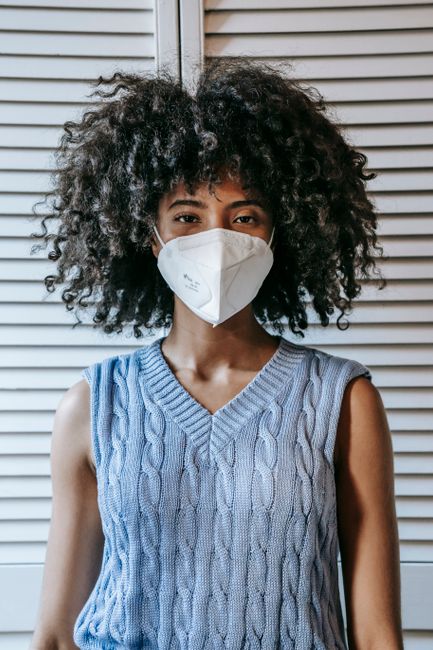
Vietnam is generally a safe country for tourists, but petty crime like pickpocketing and bag snatching can occur, especially in crowded areas. Be aware of your surroundings and take precautions to protect your belongings.
- Don't flash expensive jewelry or electronics.
- Keep your valuables in a secure bag or money belt.
- Be wary of scams and tourist traps.
- Avoid walking alone at night in poorly lit areas.
I always keep a copy of my passport and visa in a separate location from the originals, just in case. It's also a good idea to share your itinerary with a friend or family member back home so they know where you are.
Sun Safety: Protecting Yourself from the Tropical Sun

The sun in Vietnam can be intense, especially during the dry season. Protect yourself from sunburn and heatstroke by:
- Wearing sunscreen with a high SPF (30 or higher) and reapplying it frequently, especially after swimming.
- Wearing a hat and sunglasses.
- Staying hydrated by drinking plenty of water.
- Avoiding prolonged exposure to the sun during the hottest part of the day (usually between 10 am and 4 pm).
I always carry a small, refillable water bottle with me and sip on it throughout the day. Electrolyte drinks can also help you stay hydrated, especially if you're sweating a lot.
Mental Wellbeing: Taking Care of Yourself
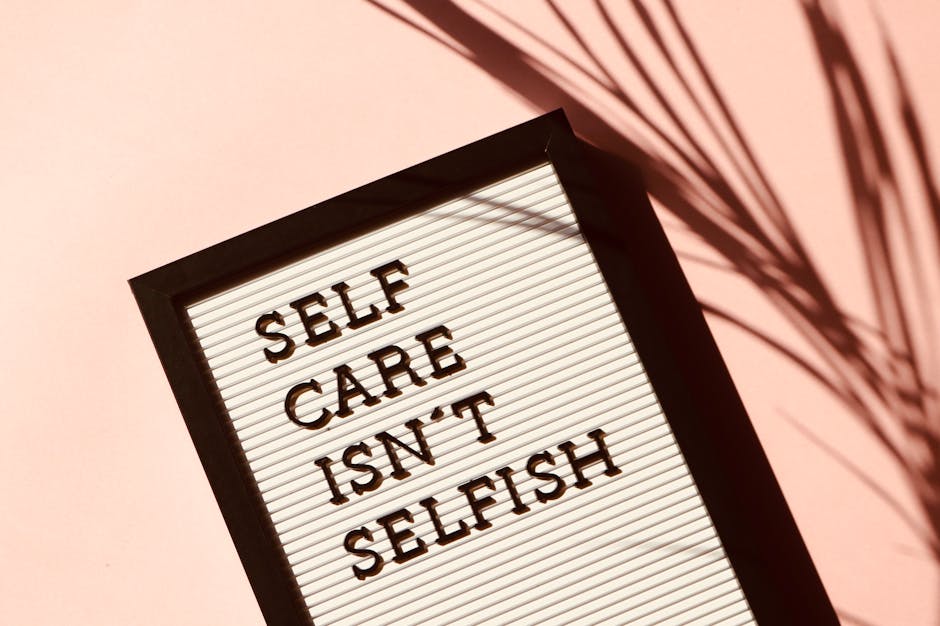
Traveling can be exciting, but it can also be stressful. It's important to take care of your mental wellbeing while you're on the road.
- Get enough sleep.
- Eat healthy foods.
- Take breaks when you need them.
- Stay connected with friends and family back home.
- Practice mindfulness or meditation.
Don't be afraid to ask for help if you're feeling overwhelmed or anxious. Many hotels and guesthouses offer support services for travelers.
Emergency Contacts: Knowing Who to Call

In case of an emergency, it's important to know who to contact. Here are some useful numbers:
- Police: 113
- Fire: 114
- Ambulance: 115
- Your embassy or consulate
I also recommend saving these numbers in your phone and writing them down in a safe place.
Staying Informed: Checking Travel Advisories

Before you travel, check the travel advisories issued by your government for any safety concerns or warnings about specific areas in Vietnam. Stay updated on local news and events during your trip.
You can usually find this information on your government's website (e.g., the U.S. Department of State, the UK Foreign, Commonwealth & Development Office, or the Australian Department of Foreign Affairs and Trade).
So, there you have it – my comprehensive guide to staying healthy and safe in Vietnam. Remember, a little preparation and common sense can go a long way in ensuring you have an amazing and unforgettable trip. Don't let the potential risks scare you; Vietnam is a truly incredible country with so much to offer. Just be smart, be aware, and most importantly, have fun! Safe travels!
)
Post a Comment for "Health & Safety in Vietnam: Your Guide to a Worry-Free Trip (Tips & Insights)"
Post a Comment