Exploring Hue's Imperial Tombs: A Majestic Journey Through History

Exploring Hue's Imperial Tombs: A Majestic Journey Through History
Hey there, fellow travel enthusiast! Have you ever felt that magnetic pull towards places steeped in history, places that whisper stories of emperors, dynasties, and bygone eras? That's exactly how I felt before my trip to Hue, Vietnam, and let me tell you, it didn't disappoint. I'm still buzzing from the experience of exploring Hue's imperial tombs – each one a unique masterpiece, a testament to the power and vision of the Nguyen emperors. Come along as I share my personal journey and insights into these magnificent historical sites.
The Allure of Hue's Imperial Tombs
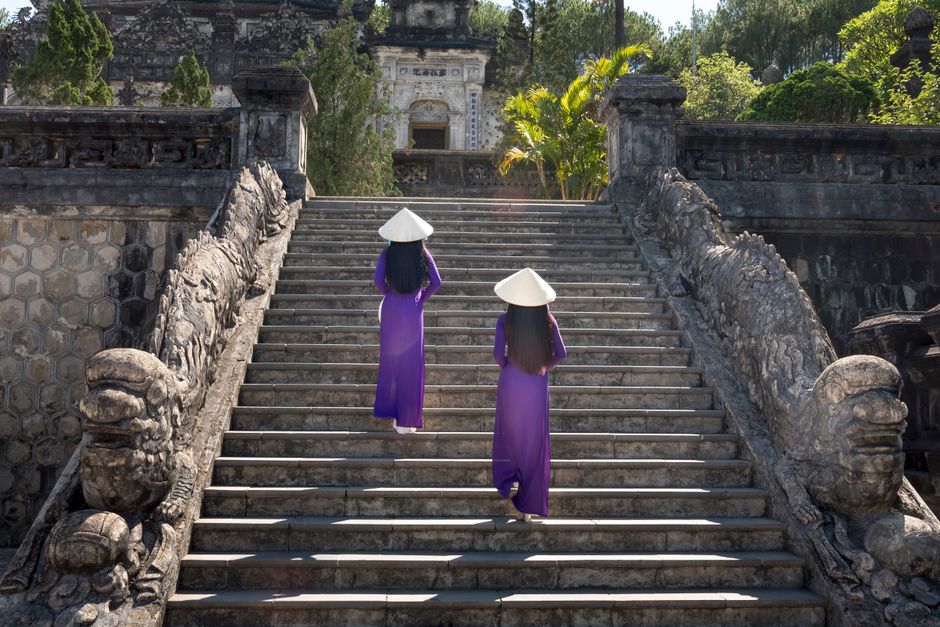
Honestly, before visiting, I knew relatively little about the Nguyen Dynasty, the last ruling family of Vietnam. I knew about the war, of course, but the emperors and their impact? Not so much. But Hue... Hue changed all that. Imagine a city once the vibrant heart of an empire, now dotted with elaborate tombs, each reflecting the personality and ambition of the emperor it houses. These aren't just graves; they're miniature cities, complete with temples, courtyards, lakes, and even living quarters! The intricate architecture, the serene landscapes, and the palpable sense of history combine to create an unforgettable experience.
What makes these tombs so special, you ask? Well, each emperor designed his final resting place during his reign, ensuring it reflected his tastes and beliefs. Think of it as a supremely elaborate DIY project, but instead of redecorating your living room, you're building a complex that represents your entire legacy! The result is a diverse collection of architectural styles, blending Vietnamese traditions with influences from Confucianism, Taoism, and even Western design. It's a fascinating glimpse into the minds of these rulers and the world they inhabited.
Tomb of Minh Mang: Symmetry and Confucian Harmony
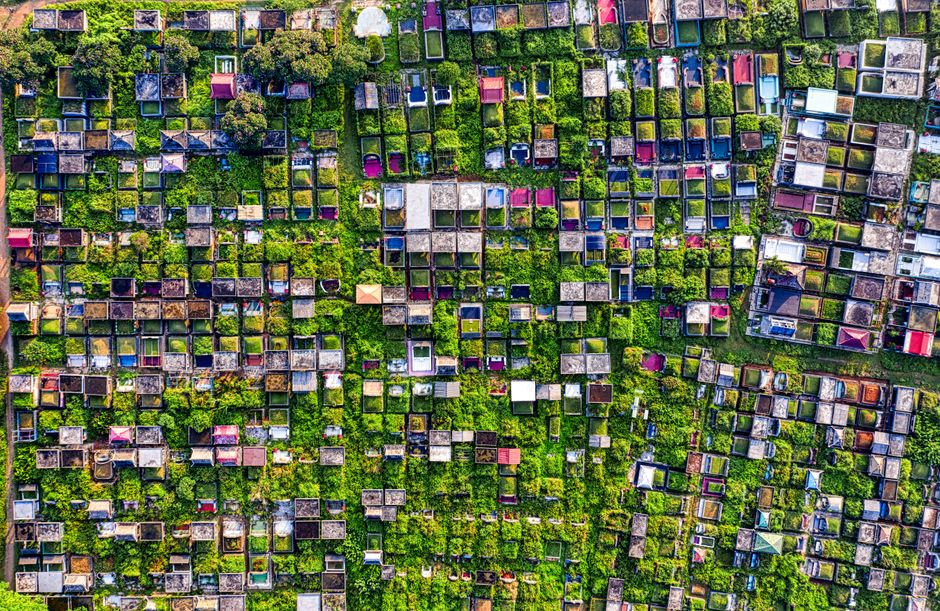
My first stop was the Tomb of Minh Mang, and wow, what an introduction! Minh Mang, the second emperor of the Nguyen Dynasty, was known for his strong Confucian beliefs and his emphasis on order and structure. This is perfectly reflected in his tomb complex. The moment I stepped inside, I was struck by the incredible symmetry and the sense of harmony that pervaded the air.
Everything is meticulously planned and balanced, creating a sense of calm and tranquility. Here are a few things that stood out:
- The Honor Courtyard: Lined with rows of mandarin statues, this courtyard leads to the stele pavilion, where an inscription recounts Minh Mang's accomplishments. It's a powerful visual representation of imperial authority.
- The Lake: A serene lake surrounds the central complex, reflecting the architecture and adding to the sense of peace. Walking along the lakeside path was incredibly calming.
- The Burial Mound: The final resting place of Minh Mang is a large, circular mound, accessed by a stone bridge. The simplicity of the mound contrasts with the elaborate architecture surrounding it, a reminder of the emperor's final submission to nature.
The Tomb of Minh Mang is a testament to his Confucian ideals. I felt like I was walking through a perfectly balanced philosophical statement. If you appreciate order and symmetry, this tomb is a must-see.
Tomb of Tu Duc: A Romantic Retreat

Next up was the Tomb of Tu Duc, and let me tell you, this one is completely different. Tu Duc, the fourth emperor, was known for his love of literature, poetry, and the arts. He also suffered from poor health and a lack of heirs. His tomb reflects this more contemplative and romantic side of his personality. In fact, he used it as a secondary palace during his reign, often spending time there to escape the pressures of court life.
The Tomb of Tu Duc feels less like a final resting place and more like a beautiful park. It's a place to wander, reflect, and appreciate the beauty of nature. I particularly loved these features:
- The Lakes and Pavilions: Tu Duc built numerous pavilions and lakes within the complex, creating a serene and picturesque landscape. Imagine him sitting in one of these pavilions, composing poetry or reading a book.
- The Theater: A small theater was built for Tu Duc's entertainment. It's easy to picture him enjoying a performance in this tranquil setting.
- The Emperor's Resting Place (or Lack Thereof): Interestingly, Tu Duc's actual burial location remains a mystery. To protect the secrecy of the location, all the workers involved in the burial were reportedly beheaded! This adds an air of intrigue to the tomb.
The Tomb of Tu Duc is a testament to his artistic spirit and his desire for peace and tranquility. It's a place where you can connect with nature and contemplate the beauty of life.
Tomb of Khai Dinh: A Fusion of East and West
Finally, I visited the Tomb of Khai Dinh, and this one completely blew my mind! Khai Dinh, the twelfth emperor, was known for his embrace of Western influences, and this is abundantly clear in the architecture of his tomb. It's a stunning blend of Vietnamese and European styles, creating a unique and unforgettable experience.
The Tomb of Khai Dinh is located on a steep hillside, requiring a climb up several flights of stairs. But trust me, the view from the top is worth it! Here are some of the highlights:
- The Concrete Architecture: Unlike the other tombs, which are primarily constructed from wood and stone, the Tomb of Khai Dinh features extensive use of concrete, a material that was gaining popularity in Vietnam at the time.
- The Intricate Mosaics: The interior of the main hall is decorated with stunning mosaics, created from thousands of pieces of broken porcelain and glass. The detail and artistry are incredible.
- The Emperor's Statue: A bronze statue of Khai Dinh sits beneath a canopy, a testament to his imperial power. The statue is surrounded by intricate carvings and mosaics, creating a truly opulent effect.
The Tomb of Khai Dinh is a testament to his embrace of modernity and his desire to create something truly unique. It's a bold and visually stunning monument that showcases the fusion of Eastern and Western cultures. Some might find it gaudy, but I found it utterly captivating. It's a feast for the eyes!
Beyond the Tombs: Enriching Your Hue Experience

While the imperial tombs are undoubtedly the main attraction, Hue has so much more to offer. Here are a few suggestions to round out your visit:
- The Imperial City: A UNESCO World Heritage Site, the Imperial City was the former capital of Vietnam and the seat of the Nguyen Dynasty. Explore the palaces, temples, and gardens, and imagine what life was like during the imperial era.
- Thien Mu Pagoda: A beautiful pagoda located on the banks of the Perfume River. It's a peaceful place to reflect and admire the architecture. The story of the monk who set himself on fire in Saigon in protest against the Diem regime started here.
- A Boat Trip on the Perfume River: Take a leisurely boat trip down the Perfume River and enjoy the scenery. It's a great way to see the city from a different perspective.
- Local Cuisine: Hue is famous for its delicious cuisine. Be sure to try the banh mi, bun bo Hue (spicy beef noodle soup), and other local specialties. Don't be afraid to try street food – it's often the best!
Tips for Planning Your Trip

Planning a trip to Hue can be a little overwhelming, so here are a few tips to help you make the most of your experience:
- Best Time to Visit: The best time to visit Hue is during the dry season, which runs from February to August. The weather is warm and sunny, perfect for exploring the tombs and other attractions.
- Transportation: The easiest way to get around Hue is by taxi or motorbike. You can also hire a driver for the day to take you to the tombs and other sites. Alternatively, consider renting a bicycle for a more leisurely exploration.
- Dress Code: When visiting the tombs, it's important to dress respectfully. Avoid wearing shorts, tank tops, and other revealing clothing.
- Bargaining: Bargaining is common in Vietnam, so don't be afraid to negotiate prices when shopping or hiring transportation.
- Book Accommodation in Advance: Hue is a popular tourist destination, so it's a good idea to book your accommodation in advance, especially if you're traveling during peak season. There are numerous hotels and hostels to choose from, catering to all budgets.
- Stay Hydrated: The Vietnamese climate can be hot and humid, so remember to drink plenty of water throughout the day.
My Final Thoughts on Hue's Imperial Tombs
Exploring Hue's imperial tombs was more than just a sightseeing trip for me; it was a journey through history, art, and the human spirit. Each tomb told a unique story, revealing the personalities, ambitions, and beliefs of the emperors who designed them. I left Hue with a deeper understanding of Vietnamese history and culture, and a profound appreciation for the beauty and artistry of these magnificent historical sites.
If you're looking for a destination that will transport you to another time and place, I highly recommend visiting Hue and exploring its imperial tombs. It's an experience you won't soon forget. I hope my personal insights have inspired you to embark on your own majestic journey! Happy travels!

Post a Comment for "Exploring Hue's Imperial Tombs: A Majestic Journey Through History"
Post a Comment