Exploring the Floating Markets of the Mekong Delta: A Journey into Vietnamese Waterways

Exploring the Floating Markets of the Mekong Delta: A Journey into Vietnamese Waterways
Hey there, fellow traveler! Ever dreamt of gliding through a vibrant tapestry of boats, piled high with exotic fruits and vegetables, all while the sun paints the sky in hues of orange and pink? Well, let me tell you about my unforgettable adventure exploring the floating markets of the Mekong Delta in Vietnam. It's an experience that's etched in my memory, and I'm so excited to share it with you.
What Makes the Mekong Delta So Special?

Before we dive into the bustling markets, let's talk about the Mekong Delta itself. Imagine a sprawling network of rivers, canals, and tributaries, a watery wonderland where life revolves around the water. The Mekong River, a lifeline for Southeast Asia, finally reaches the South China Sea here, splitting into nine major branches (hence the name "Nine Dragons River" in Vietnamese). This creates an incredibly fertile region, perfect for growing rice, fruits, and vegetables, earning it the nickname "Vietnam's Rice Bowl."
But it's more than just agriculture. The Mekong Delta is home to a diverse and vibrant culture, where people have adapted their lives to the rhythm of the river for generations. Floating markets are a testament to this unique way of life, serving as trading hubs, social gathering places, and vibrant cultural experiences.
Why Visit a Floating Market? It's More Than Just Shopping!

Okay, so you might be thinking, "A market on boats? Sounds interesting, but is it worth the trip?" My answer is a resounding YES! Visiting a floating market is so much more than just buying a mango or two (although, trust me, the mangoes are incredible!).
Here's why you should add it to your bucket list:
- Authentic Cultural Immersion: Forget staged tourist traps. These markets are real, working hubs where locals trade, socialize, and live their daily lives. You'll get a glimpse into a traditional way of life that's been around for centuries.
- Sensory Overload (in the Best Way!): The vibrant colors of the produce, the sounds of bargaining and laughter, the smells of delicious street food – it's a feast for the senses! Imagine a kaleidoscope of boats, each overflowing with its own unique offering.
- Delicious Food on the Water: Forget your regular food court. Here, you can sample authentic Vietnamese dishes cooked and served right from the boats. Think steaming bowls of pho, crispy spring rolls, and freshly squeezed juices, all enjoyed while bobbing gently on the water.
- Unforgettable Photo Opportunities: Trust me, you'll want to have your camera ready. The floating markets are incredibly photogenic, offering stunning scenes of vibrant colors, bustling activity, and smiling faces.
- Support Local Communities: By visiting and buying from local vendors, you're directly contributing to the livelihoods of the people who call the Mekong Delta home.
Choosing the Right Floating Market: My Top Recommendations
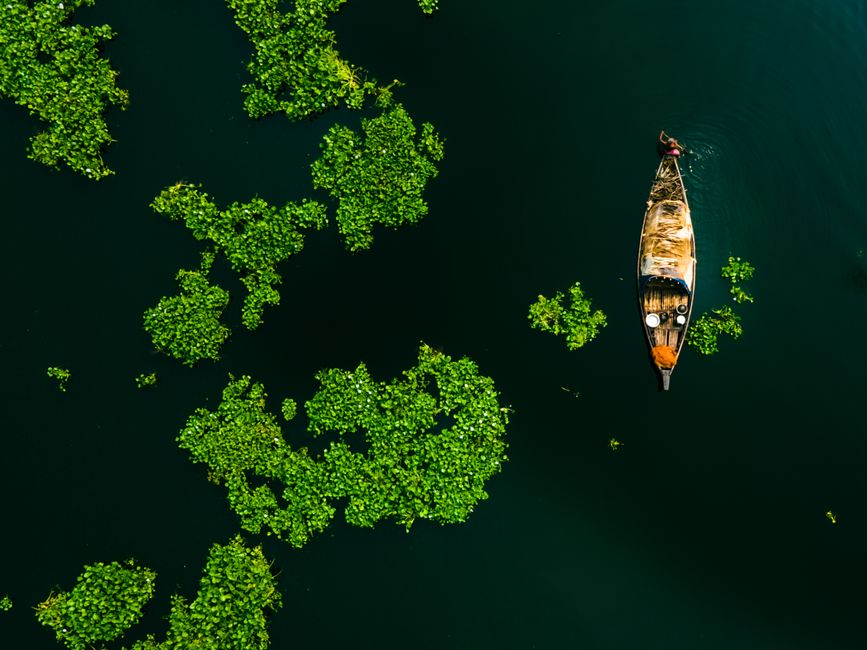
There are several floating markets in the Mekong Delta, each with its own unique charm and character. Here are a few of my favorites:
Cai Be Floating Market: The "Big One"
Cai Be Floating Market is one of the largest and most well-known in the Mekong Delta. It's a great option if you want a bustling, vibrant atmosphere. This market is located at the intersection of three branches of the Mekong River and is very close to Ho Chi Minh City, which makes it a common choice for people with limited time. You can see everything from fruits and vegetables to household goods being traded.
My Tip: Get there early! Cai Be is best experienced before the crowds arrive (around 6-7 am). Also, try the local "Hu Tieu" soup – it's a delicious and popular breakfast dish.
Cai Rang Floating Market: The "Early Bird"
Cai Rang Floating Market, near Can Tho city, is the largest wholesale floating market in the Mekong Delta. This market is even busier than Cai Be, and the best time to experience it is very early in the morning (from 5 am to 8 am). You'll see large boats, filled to the brim with goods, trading with smaller boats that then distribute the products to smaller markets and shops on land.
My Tip: Cai Rang is a must-see if you're staying in Can Tho. Be prepared for an early wake-up call, but the spectacle is well worth it. Look out for the "hanging samples" – vendors often hang samples of what they're selling from a tall pole so people can see from afar.
Phong Dien Floating Market: The "Most Authentic"
Phong Dien Floating Market is smaller and more local than Cai Be and Cai Rang. This market is located further away from the main tourist routes, offering a more authentic and less crowded experience. You'll find a greater variety of goods here, including handicrafts and local snacks.
My Tip: Phong Dien is a great choice if you're looking for a more intimate and less touristy experience. It's also a fantastic place to try some local delicacies you might not find elsewhere.
Long Xuyen Floating Market: The "Off the Beaten Path"
Long Xuyen Floating Market provides a peek at local life along the river banks of the upper Mekong Delta. It gives you an opportunity to see how Vietnamese people live along the river and how the market is integrated into their daily routines.
My Tip: This market is not as popular with tourists, making it an excellent destination if you want to escape the crowds. It's also a great place to practice your Vietnamese!
Planning Your Trip: Essential Tips and Considerations

Okay, ready to start planning your adventure? Here are a few things to keep in mind:
- Best Time to Visit: The dry season (December to May) is generally considered the best time to visit the Mekong Delta, as the weather is sunny and the river levels are lower. However, the rainy season (June to November) can also be a good time to visit, as the landscape is lush and green. Just be prepared for occasional showers.
- Getting There: The Mekong Delta is easily accessible from Ho Chi Minh City. You can take a bus, hire a private car, or book a tour. Many tours offer day trips or multi-day excursions that include visits to the floating markets.
- Accommodation: You can stay in towns like Can Tho, My Tho, or Vinh Long, which offer a range of hotels and guesthouses. For a more immersive experience, consider staying in a homestay or a riverside resort.
- What to Wear: Light, comfortable clothing is recommended, as it can get hot and humid. Don't forget sunscreen, a hat, and sunglasses.
- What to Bring: Bring insect repellent, especially if you're visiting during the rainy season. It's also useful to have small denominations of Vietnamese Dong for purchasing snacks and drinks from the vendors. A good camera to capture the vibrant scenes is essential!
Making the Most of Your Floating Market Experience: Do's and Don'ts
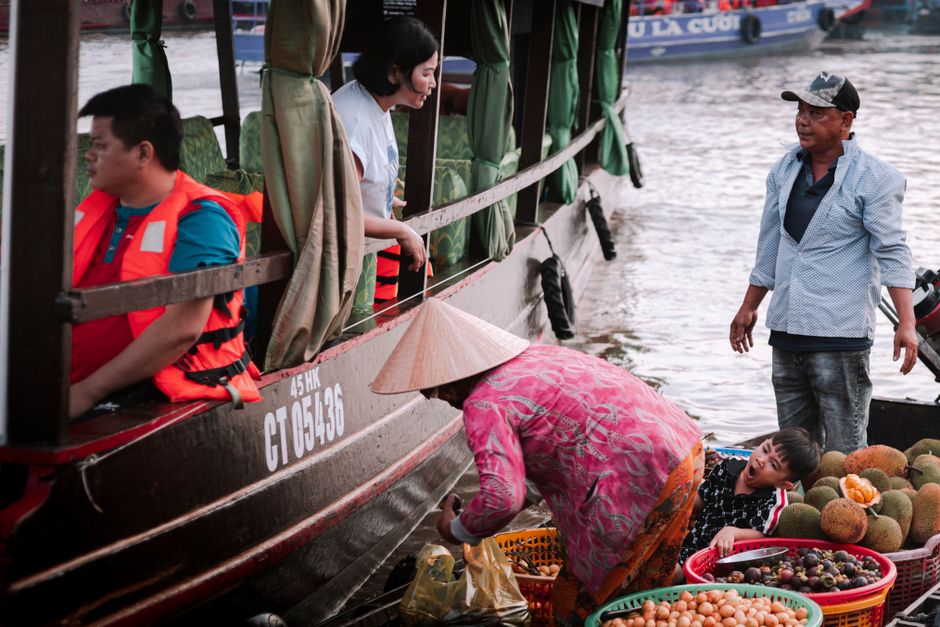
To ensure you have a respectful and enjoyable experience, here are a few do's and don'ts:
- Do:
- Bargain politely: It's customary to bargain for prices, but do so with a smile and respect the vendor's livelihood.
- Try the local food: Don't be afraid to sample the delicious street food available on the boats.
- Be mindful of your surroundings: The boats can be crowded and slippery, so watch your step.
- Ask permission before taking photos: It's always polite to ask before photographing people.
- Learn a few basic Vietnamese phrases: Even a simple "Xin chào" (hello) or "Cảm ơn" (thank you) will be appreciated.
- Don't:
- Be disrespectful: Remember that you're a guest in their community.
- Litter: Keep the waterways clean and dispose of your trash responsibly.
- Be afraid to try new things: Embrace the experience and be open to new cultures and flavors.
- Expect everything to be Westernized: This is an authentic cultural experience, so be prepared to step outside your comfort zone.
- Overpay: Do a bit of research beforehand to get an idea of the average prices for goods.
My Most Memorable Moments: A Personal Reflection

Looking back, my journey through the Mekong Delta's floating markets was filled with unforgettable moments. I remember the thrill of navigating the narrow canals in a small sampan boat, the taste of the sweetest mango I've ever had, and the warmth of the smiles from the local vendors.
One particularly special moment was when an elderly woman, selling pineapples from her boat, offered me a piece of advice about life in Vietnamese, which I couldn't fully comprehend at the time, but her kind smile and gestures spoke volumes. That interaction, more than anything else, captured the spirit of the Mekong Delta for me – a place where simple connections and genuine hospitality are valued above all else.
Beyond the Markets: Exploring the Mekong Delta Further
While the floating markets are a highlight, the Mekong Delta has so much more to offer. Consider exploring some of these other attractions:
- Visit a rice paper factory: Learn how rice paper, a staple of Vietnamese cuisine, is made.
- Explore the fruit orchards: Sample exotic fruits like durian, rambutan, and mangosteen.
- Take a bike ride through the countryside: Discover hidden villages and scenic landscapes.
- Visit a Cao Dai temple: Admire the unique architecture and learn about this fascinating religion.
- Take a cooking class: Learn how to prepare traditional Vietnamese dishes.
Final Thoughts: An Invitation to Experience the Mekong Delta
My journey through the floating markets of the Mekong Delta was more than just a trip; it was an immersion into a vibrant culture, a celebration of a unique way of life, and an experience that touched my heart. I hope my stories have inspired you to consider adding this incredible destination to your travel plans.
So, pack your bags, embrace the adventure, and get ready to be enchanted by the magic of the Mekong Delta. You won't regret it!
Happy travels!

Post a Comment for "Exploring the Floating Markets of the Mekong Delta: A Journey into Vietnamese Waterways"
Post a Comment