Emergency Contacts in Vietnam: Your Essential Guide to Staying Safe and Prepared
Emergency Contacts in Vietnam: Your Essential Guide to Staying Safe and Prepared
Okay, so you're heading to Vietnam, or maybe you're already there! That's fantastic. It's an incredible country with stunning landscapes, delicious food, and incredibly warm people. But, like any adventure, it's smart to be prepared. And that means knowing exactly who to call and where to go if something unexpected happens. I've traveled extensively through Vietnam, and while most of my experiences have been wonderful, I've also learned the hard way that having essential emergency contacts readily available can make all the difference between a minor inconvenience and a serious problem. So, let's dive in and get you prepped!
Understanding the Vietnamese Emergency Response System

First things first, let's talk about how things work in Vietnam when it comes to emergencies. The good news is that Vietnam has a system in place. The slightly trickier part is navigating it if you don't speak Vietnamese. Don't worry, though! I'm here to help you break it down.
Key Emergency Numbers:
- Police: 113
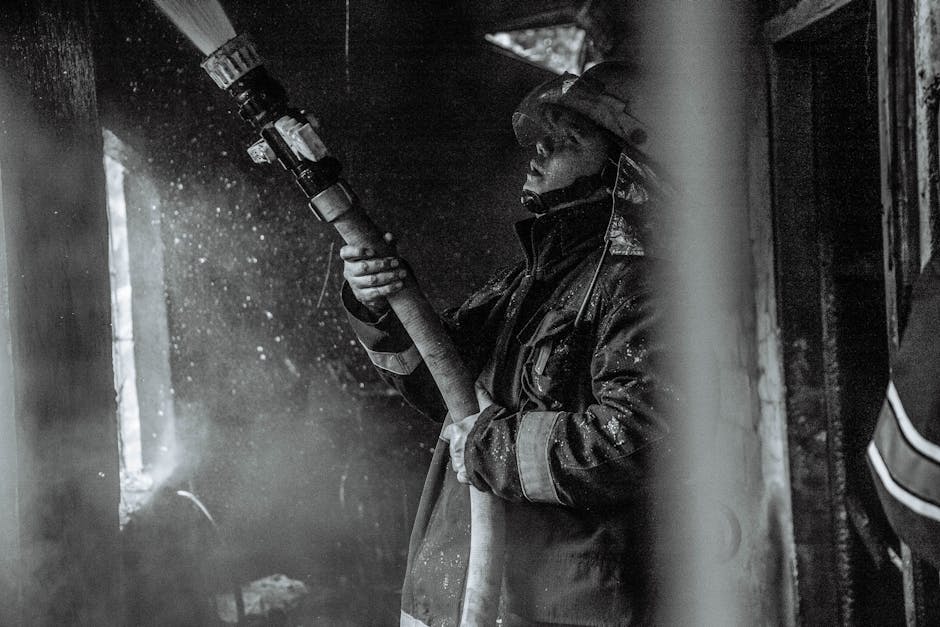
- Fire: 114
- Ambulance: 115
These are the three magic numbers you absolutely need to have saved in your phone. Seriously, do it right now. I'll wait. While these numbers are universal throughout Vietnam, it's crucial to remember that the level of English spoken by operators can vary significantly, especially outside major cities. Knowing a few basic Vietnamese phrases can be incredibly helpful, but we'll get to that later.
Important Considerations:
Language Barrier: As I mentioned, English proficiency among emergency operators is not always guaranteed. This is a big one, and it's why having a plan B (and maybe even a plan C) is essential. More on those plans later!
Location, Location, Location: When you call, you'll need to provide your location as clearly as possible. This can be challenging, especially if you're in a rural area or don't know the local landmarks. Using a GPS app on your phone can be a lifesaver here. I recommend downloading an offline map app, like Maps.me, before you go. That way, even without internet, you can pinpoint your exact location and describe it accurately.
Patience is Key: Response times can sometimes be longer than you might expect in your home country, particularly in more remote areas. Try to stay calm, provide as much information as possible, and repeat yourself clearly if necessary.
Your Personal Emergency Contact List: Building Your Safety Net

Okay, now let's get personal. Who are you going to call when things go sideways? This goes beyond just the official emergency numbers. Think about building a personal safety net of contacts who can assist you in various situations.
Essential Contacts to Include:
- Your Embassy or Consulate: This is your first line of defense for serious issues like lost passports, legal troubles, or major medical emergencies. Find the contact information for your embassy or consulate in Vietnam before you leave. Most embassies have websites with emergency contact details and after-hours contact information. Save these numbers to your phone and email them to yourself for easy access.
- Your Travel Insurance Provider: Make sure you have comprehensive travel insurance that covers medical emergencies, repatriation, and personal liability. Keep your insurance policy number and emergency contact information readily available. Most insurance providers have 24/7 helplines. I once had to use mine when I broke my ankle hiking, and I can tell you, having that number handy was a HUGE relief.
- Family and Friends Back Home: Choose a trusted family member or friend who knows your travel itinerary and can act as your emergency contact back home. Make sure they have copies of your passport, travel insurance information, and any important medical information. Agree on a regular check-in schedule so they know you're okay.
- Hotel/Guesthouse Staff: Your accommodation staff can be invaluable in providing local assistance and contacting emergency services. Build a rapport with them and let them know you're traveling alone (if you are). They can often help translate, provide directions, and offer support in a crisis.
- Local Contacts (If Applicable): If you know anyone living in Vietnam, such as friends, business contacts, or tour guides, add them to your emergency contact list. They can offer valuable local knowledge and assistance.
Beyond the Numbers: Practical Tips for Staying Safe

Having the right numbers is crucial, but it's just one piece of the puzzle. Here are some practical tips to help you stay safe and prepared during your travels in Vietnam:
A. Know Your Location:
- Download Offline Maps: As I mentioned earlier, download an offline map app like Maps.me or Google Maps offline areas before you go. This will allow you to navigate even without an internet connection.
- Learn Basic Vietnamese Phrases: Knowing a few basic phrases can be incredibly helpful in communicating with locals in an emergency. Here are a few to get you started:
- Help! Cứu tôi! (Kuh-oo toy!)
- Police! Cảnh sát! (Kang sat!)
- Ambulance! Xe cứu thương! (Seh koo tuh-uhng!)
- I need a doctor. Tôi cần bác sĩ. (Toy kuhn bak see.)
- My location is... Vị trí của tôi là... (Vee chee kwah toy la...)
Even just attempting to speak a little Vietnamese will go a long way in gaining the trust and assistance of locals.
- Share Your Location: Share your real-time location with your emergency contact back home using a GPS tracking app like Google Maps or Find My Friends. This will allow them to know where you are at all times and alert authorities if something goes wrong.
B. Protect Your Belongings:
- Be Aware of Your Surroundings: Petty theft is common in tourist areas. Keep your valuables secure and be aware of your surroundings, especially in crowded places.
- Use a Money Belt or Hidden Pouch: Consider using a money belt or hidden pouch to conceal your passport, credit cards, and cash.
- Make Copies of Important Documents: Make copies of your passport, visa, and travel insurance information and store them separately from the originals. Also, email yourself digital copies for easy access.
C. Health and Safety Precautions:
- Consult Your Doctor: Consult your doctor before traveling to Vietnam to discuss necessary vaccinations and health precautions.
- Drink Bottled Water: Avoid drinking tap water and always drink bottled water.
- Be Careful with Food: Eat at reputable restaurants and street food stalls to avoid food poisoning.
- Protect Yourself from Mosquitoes: Use mosquito repellent and wear long sleeves and pants in the evenings to protect yourself from mosquito bites, which can transmit diseases like dengue fever and Zika virus.
- Know Your Blood Type and Allergies: Carry a card or wear a medical ID bracelet that indicates your blood type, allergies, and any medical conditions you have.
Navigating Common Emergency Scenarios
Let's think through some common scenarios you might encounter and how to handle them:
Scenario 1: Minor Injury or Illness
If you experience a minor injury or illness, such as a cut, scrape, or upset stomach, the first step is to assess the situation and determine if you need medical attention. For minor issues, you can often find over-the-counter remedies at local pharmacies (nhà thuốc). However, be aware that the availability of specific medications may vary, and it's always a good idea to check the expiration date.
If you need to see a doctor, your hotel or guesthouse staff can usually recommend a local clinic or hospital. International hospitals are available in major cities like Hanoi and Ho Chi Minh City, and they typically have English-speaking staff. However, they can be more expensive than local clinics.
Scenario 2: Lost or Stolen Passport
This is a traveler's worst nightmare! If your passport is lost or stolen, the first thing you need to do is report it to the local police. Obtain a police report (which you will need for your embassy). Then, contact your embassy or consulate immediately. They will guide you through the process of obtaining a replacement passport or an emergency travel document.
Scenario 3: Road Accident
Traffic accidents are unfortunately common in Vietnam. If you are involved in a road accident, the first priority is to ensure the safety of yourself and others involved. If anyone is injured, call the ambulance (115). If the accident is minor, exchange information with the other parties involved. If there is significant damage or if anyone is injured, call the police (113).
It's important to note that insurance coverage for motorbike accidents can be complex. Check your travel insurance policy carefully to understand what is covered and what is not. It's also a good idea to take photos of the accident scene and any damage to your vehicle.
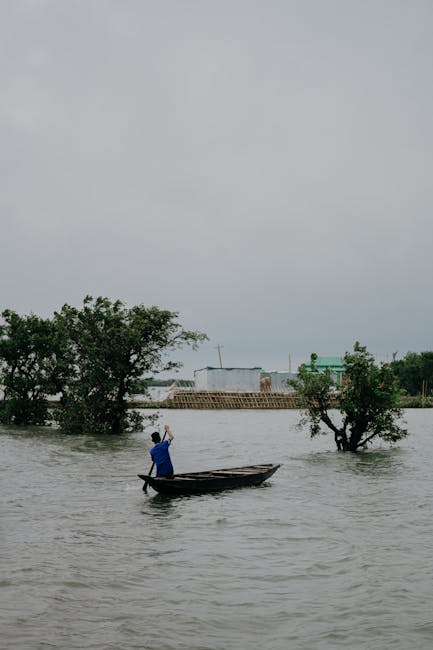
Scenario 4: Natural Disaster
Vietnam is prone to natural disasters such as typhoons, floods, and earthquakes. If a natural disaster occurs, follow the instructions of local authorities and seek shelter in a safe location. Stay informed about the situation by monitoring local news and weather reports.
Leveraging Technology: Apps and Resources to Keep You Safe

Thankfully, we live in the age of technology! There are several apps and resources that can help you stay safe and informed during your travels in Vietnam:
Recommended Apps:
- Google Translate: This app can be a lifesaver for communicating with locals who don't speak English. You can use it to translate text, speech, and even images.
- Maps.me: As mentioned earlier, this offline map app is essential for navigating without an internet connection.
- Grab: This ride-hailing app is similar to Uber and is a convenient and affordable way to get around cities in Vietnam.
- XE Currency Converter: This app allows you to convert currencies quickly and easily, which can be helpful when negotiating prices.
- SmartTraveler: An app from the US State Department that provides travel advisories and alerts. Other countries have similar apps.
Online Resources:
- Your Embassy Website: As I've said, check your embassy's website for travel advisories, emergency contact information, and other useful resources.
- World Health Organization (WHO): The WHO website provides information on health risks and recommended vaccinations for Vietnam.
- Travel Forums: Online travel forums like TripAdvisor and Lonely Planet can be valuable sources of information and advice from other travelers.
Final Thoughts: Embrace the Adventure, But Be Prepared
Vietnam is an incredible country with so much to offer. By taking the time to prepare and familiarize yourself with the emergency resources available, you can minimize risks and maximize your enjoyment of this amazing destination. Remember to save those essential numbers, build your personal safety net, and stay informed about potential hazards. With a little preparation and common sense, you can have a safe and unforgettable adventure in Vietnam!

Post a Comment for "Emergency Contacts in Vietnam: Your Essential Guide to Staying Safe and Prepared"
Post a Comment