Eco-Tourism in Vietnam: Sustainable Adventures Await!
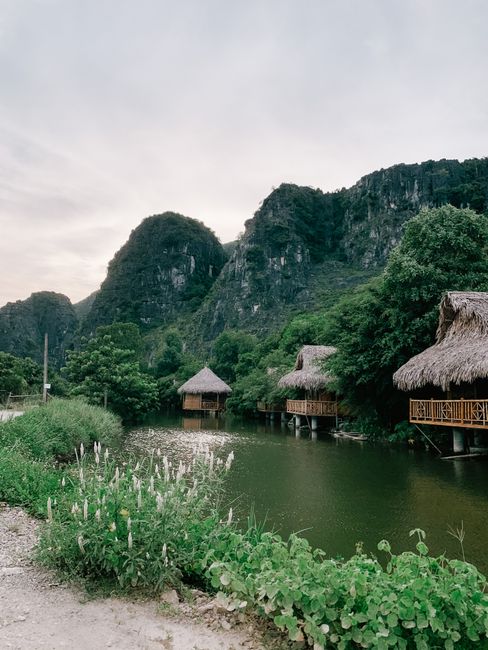
Eco-Tourism in Vietnam: Sustainable Adventures Await!
Hey there, fellow travel enthusiast! Ever dreamt of exploring the breathtaking landscapes of Vietnam, but with a conscience? Me too! That's where eco-tourism comes in. It's not just about seeing amazing places; it's about doing it in a way that respects the environment and supports local communities. I've been lucky enough to experience some incredible sustainable adventures in Vietnam, and I'm bursting to share them with you. So, grab a cup of tea (or Vietnamese coffee, if you're feeling adventurous!), and let's dive into the world of eco-tourism in Vietnam!
Why Choose Eco-Tourism in Vietnam?

Honestly, there are so many reasons! But let's start with the obvious: Vietnam is stunning. From the lush rice terraces of Sapa to the crystal-clear waters of Ha Long Bay, and the vibrant Mekong Delta, there's something for every traveler. But mass tourism can take a toll. Eco-tourism offers a solution – a way to explore these incredible places while minimizing our impact and even contributing positively to the local environment and economy.
Think about it: traditional tourism can sometimes lead to:
- Environmental degradation: Pollution, habitat destruction, and depletion of natural resources.
- Cultural insensitivity: Disrespect for local traditions and customs.
- Economic leakage: Money flowing out of the local economy to large corporations.
Eco-tourism, on the other hand, aims to:
- Protect the environment: Promote conservation and reduce pollution.
- Respect local culture: Engage with and learn from local communities.
- Support the local economy: Ensure that tourism benefits local people.
For me, it's a no-brainer. I want my travels to leave a positive footprint, not a negative one. Plus, eco-tourism experiences are often more authentic and enriching, allowing you to connect with the destination on a deeper level.
Planning Your Eco-Friendly Vietnam Trip

So, you're sold on the idea of eco-tourism in Vietnam? Awesome! Now, let's talk about how to plan your trip. It might seem daunting, but with a little research and planning, you can create an unforgettable and sustainable adventure.
Here's my personal checklist:
Research Eco-Friendly Accommodation
This is crucial! Look for hotels, guesthouses, and homestays that are committed to sustainability. Ask yourself these questions:
- Do they use renewable energy sources?
- Do they have water conservation measures in place?
- Do they minimize waste and recycle?
- Do they support local communities and hire local staff?
- Do they source food locally?
I've found that smaller, family-run businesses are often more dedicated to sustainability than large international chains. Websites like Bookdifferent.com and ResponsibleTravel.com can be great resources for finding eco-friendly accommodations.
Choose Sustainable Tour Operators
Just like accommodation, the tour operator you choose can make a huge difference. Look for companies that are certified by reputable organizations like the Tourism Certification Board Vietnam (TCBV) or follow the principles of responsible tourism. Ask them about their environmental policies and their commitment to supporting local communities.
For example, when I visited Sapa, I opted for a trekking tour led by a local Hmong guide. Not only did I get to experience the region through the eyes of someone who lives there, but I also knew that my money was going directly to support their family and community.
Pack Smart and Travel Light
This one's simple but effective. The less you pack, the less fuel your flights will consume. And while you're at it, choose eco-friendly travel essentials:
- Reusable water bottle: Vietnam has plenty of places to refill.
- Reusable shopping bag: Say no to plastic bags!
- Eco-friendly sunscreen: Protect yourself and the coral reefs.
- Biodegradable toiletries: Reduce your impact on the environment.
- Insect repellent: Choose a DEET-free option if possible.
I always carry a small travel towel, a reusable coffee cup, and a bamboo toothbrush. Every little bit helps!
Respect Local Culture
This is perhaps the most important aspect of responsible travel. Before you go, learn a little about Vietnamese culture and customs. Dress modestly when visiting temples and pagodas, ask for permission before taking photos of people, and be mindful of your behavior in public places.
A few basic Vietnamese phrases can go a long way in showing respect and building connections with locals. "Xin chào" (hello), "Cảm ơn" (thank you), and "Tạm biệt" (goodbye) are great starting points.
Support Local Businesses
Instead of shopping at large chain stores, seek out local markets, handicrafts shops, and restaurants. By supporting local businesses, you're helping to boost the local economy and preserve traditional crafts.
I love browsing the local markets for unique souvenirs and trying authentic Vietnamese dishes at family-run restaurants. It's a great way to immerse yourself in the local culture and support the community.
My Favorite Eco-Tourism Experiences in Vietnam

Okay, now for the fun part! I want to share some of my most memorable eco-tourism experiences in Vietnam. These are just a few examples, but they should give you a good idea of the amazing adventures that await.
Trekking in Sapa: Exploring the Rice Terraces Responsibly
Sapa is a must-see destination in Vietnam, famous for its stunning rice terraces and vibrant ethnic cultures. However, the influx of tourists has put a strain on the environment and local communities. That's why it's so important to choose a responsible trekking tour.
I opted for a three-day trek with a local Hmong guide. We stayed in a traditional homestay, learned about Hmong culture and traditions, and enjoyed delicious home-cooked meals. My guide shared stories about his family and community, and I felt like I was truly connecting with the people and the land.
Key eco-tourism considerations in Sapa:
- Choose a local guide: Ensure that your money goes directly to the community.
- Stay in a homestay: Support local families and experience authentic Hmong hospitality.
- Respect the environment: Stay on marked trails, avoid littering, and be mindful of your water usage.
- Learn about Hmong culture: Engage with locals, ask questions, and show respect for their traditions.
Kayaking in Ha Long Bay: Protecting a Natural Wonder
Ha Long Bay is a UNESCO World Heritage Site and one of the most beautiful places on earth. But the bay is also facing serious environmental challenges, including pollution and over-tourism. Eco-tourism is essential for protecting this natural wonder.
I chose a kayaking tour with a company that is committed to sustainable practices. They used eco-friendly kayaks, minimized waste, and educated tourists about the importance of protecting the bay. We kayaked through hidden lagoons, explored stunning caves, and enjoyed the tranquility of the bay without contributing to its pollution.
Key eco-tourism considerations in Ha Long Bay:
- Choose a sustainable tour operator: Look for companies with environmental policies and certifications.
- Minimize waste: Bring your own reusable water bottle and avoid single-use plastics.
- Respect the environment: Avoid touching or damaging coral reefs, and don't disturb wildlife.
- Be mindful of noise levels: Keep your voice down and avoid playing loud music.
Exploring the Mekong Delta: Supporting Local Farmers
The Mekong Delta is a vibrant region of waterways, rice paddies, and floating markets. But the delta is also facing challenges from climate change and unsustainable farming practices. Eco-tourism can help to support local farmers and promote sustainable agriculture.
I took a boat tour of the Mekong Delta with a local guide. We visited a local farm where I learned about traditional farming methods and the challenges that farmers face. I purchased fresh produce directly from the farmers, supporting their livelihoods and reducing food miles.
Key eco-tourism considerations in the Mekong Delta:
- Choose a local guide: Ensure that your money goes directly to the community.
- Visit local farms and markets: Support local farmers and purchase fresh produce.
- Learn about sustainable farming practices: Ask farmers about their methods and the challenges they face.
- Be mindful of your impact: Avoid littering and respect the environment.
Visiting Cat Tien National Park: Conserving Biodiversity
Cat Tien National Park is a haven for biodiversity in southern Vietnam, home to endangered species like gibbons, elephants, and crocodiles. Eco-tourism plays a vital role in protecting this unique ecosystem.
I stayed in an eco-lodge within the park and participated in guided nature walks and wildlife spotting tours. The guides were knowledgeable and passionate about the park's biodiversity. I learned about the park's conservation efforts and the importance of protecting its wildlife.
Key eco-tourism considerations in Cat Tien National Park:
- Stay in an eco-lodge: Support sustainable accommodation within the park.
- Participate in guided tours: Learn about the park's biodiversity and conservation efforts.
- Respect the wildlife: Keep a safe distance from animals and avoid feeding them.
- Support the park's conservation efforts: Donate to the park or volunteer your time.
The Future of Eco-Tourism in Vietnam

I'm optimistic about the future of eco-tourism in Vietnam. As more travelers become aware of the importance of sustainability, demand for eco-friendly experiences will continue to grow. The Vietnamese government is also taking steps to promote sustainable tourism, including developing eco-tourism policies and supporting local communities.
However, there are still challenges to overcome. Awareness is key, and hopefully more people will seek out sustainable adventures in their future travels. More training and education for tour operators and accommodation providers is necessary. Increased monitoring and regulation of tourism activities are also needed to ensure that eco-tourism principles are being followed.
Ultimately, the success of eco-tourism in Vietnam depends on all of us – travelers, tour operators, government officials, and local communities – working together to protect the country's natural and cultural heritage for future generations. So, what are you waiting for? Book your sustainable adventure to Vietnam today and experience the magic for yourself!
Safe travels, and remember to leave only footprints, take only memories!

Post a Comment for "Eco-Tourism in Vietnam: Sustainable Adventures Await!"
Post a Comment