Booking Accommodation in Vietnam: Your Guide to Homestays, Hotels, & Everything In Between

Booking Accommodation in Vietnam: Your Guide to Homestays, Hotels, & Everything In Between
Hey there! Planning a trip to Vietnam? Awesome choice! This vibrant country is a feast for the senses, from its bustling cities and serene rice paddies to its delicious food and friendly locals. One of the most important things to sort out before you go, though, is your accommodation. Trust me, having a comfy and convenient place to rest your head makes all the difference when you're exploring a new country.
Vietnam offers a huge range of accommodation options, from budget-friendly homestays and hostels to luxurious resorts and boutique hotels. It can feel a little overwhelming trying to decide what's right for you, so I'm here to share my experiences and insights to help you navigate the wonderful (and sometimes confusing) world of booking accommodation in Vietnam. I've traveled extensively through Vietnam, staying in everything from simple village homestays to swanky city hotels, and I've learned a thing or two along the way.
Finding Your Perfect Vietnamese Home Base: Understanding Your Options

Let's break down the main types of accommodation you'll find in Vietnam. Understanding the pros and cons of each will really help you narrow down your choices based on your budget, travel style, and preferences.
- Homestays: Think of these as staying with a local family in their home. You'll usually have a private room, but you'll often share common areas like the living room, kitchen, and bathroom.
- Hostels: These are budget-friendly options, popular with backpackers and solo travelers. You'll typically stay in a dorm room with shared bathrooms. Some hostels also offer private rooms at a slightly higher price.
- Guesthouses: These are smaller, independently owned hotels. They usually offer basic but comfortable rooms at a mid-range price.
- Hotels: From budget-friendly to luxury, hotels offer a wide range of amenities and services. You can find everything from basic rooms with just the essentials to opulent suites with all the bells and whistles.
- Resorts: Typically located in beachside or scenic areas, resorts offer a relaxing and luxurious experience. They usually have multiple restaurants, swimming pools, spas, and other recreational facilities.
- Apartments & Villas: If you're traveling with a group or family, or if you prefer more space and privacy, renting an apartment or villa can be a great option. You'll usually have a kitchen, living area, and multiple bedrooms.
The Allure of the Homestay: Immersing Yourself in Vietnamese Culture

For me, homestays are where the magic truly happens. They offer an unparalleled opportunity to connect with local culture and experience Vietnamese life firsthand. I've stayed in homestays in the Sapa region, the Mekong Delta, and even in small villages near Hoi An, and each experience has been incredibly rewarding.
The Pros of Choosing a Homestay:
- Cultural Immersion: You'll get to interact with a local family, learn about their traditions, and maybe even try your hand at cooking Vietnamese food! I've learned so much about Vietnamese culture simply by chatting with my host families over meals.
- Authentic Experiences: Homestays often offer unique activities like cooking classes, guided tours of the local area, or opportunities to participate in traditional crafts. One of my favorite memories is learning how to make spring rolls with a family in the Mekong Delta.
- Affordable Prices: Homestays are generally very budget-friendly, especially compared to hotels or resorts. You'll often get a delicious home-cooked meal included in the price.
- Personalized Service: Your host family will go out of their way to make you feel welcome and comfortable. They can offer advice on what to see and do in the area, arrange transportation, and even help you learn a few basic Vietnamese phrases.
Things to Consider Before Booking a Homestay:
- Language Barrier: While some host families speak English, many don't. Be prepared to communicate using gestures, a translation app, or a phrasebook. Don't let this deter you! It can be a fun challenge, and you'll be surprised how much you can communicate without speaking the same language.
- Basic Amenities: Homestays are often more basic than hotels in terms of amenities. Don't expect air conditioning in every room, and the bathrooms may be shared.
- Privacy: You'll be staying in someone's home, so you'll need to be respectful of their privacy and customs.
- Location: Homestays are often located in more rural areas, which can be a plus if you're looking for a peaceful escape but a minus if you want to be close to city amenities.
Hotel Havens: Comfort and Convenience in Vietnam's Cities

While I love the charm of homestays, there's definitely a time and place for hotels, especially when you're exploring Vietnam's bustling cities. After a long day of sightseeing, it's nice to come back to a comfortable room with air conditioning, a hot shower, and reliable Wi-Fi.
The Perks of Staying in a Hotel:
- Convenience: Hotels are usually located in convenient locations, close to attractions, restaurants, and transportation hubs.
- Amenities: Hotels offer a wide range of amenities, from swimming pools and fitness centers to restaurants and bars.
- Privacy: You'll have your own private room and bathroom, which can be a welcome relief after spending time in shared accommodation.
- Services: Hotels offer a variety of services, such as laundry, room service, and concierge services.
Potential Downsides of Hotel Stays:
- Higher Cost: Hotels are generally more expensive than homestays or hostels.
- Less Cultural Immersion: You won't have the same opportunity to interact with local people as you would in a homestay.
- Standardized Experience: Hotels can sometimes feel a bit impersonal and standardized.
Navigating the Booking Process: Tips and Tricks for Finding the Best Deals

Okay, so you've decided what type of accommodation you're looking for. Now it's time to start booking! Here are some tips and tricks I've learned over the years to help you find the best deals and avoid any surprises:
- Use reputable booking websites: Websites like Booking.com, Agoda, and Expedia are great for comparing prices and reading reviews. I personally use these all the time!
- Read reviews carefully: Pay attention to reviews from other travelers, especially those that mention cleanliness, location, and service. Don't just look at the overall rating; read the actual comments to get a better understanding of what to expect.
- Compare prices across different websites: Prices can vary significantly between different booking websites, so it's worth taking the time to compare.
- Consider booking directly: Sometimes you can find better deals by booking directly with the hotel or homestay. Check their website or contact them directly to see if they offer any special rates.
- Travel during the shoulder season: The shoulder season (the months just before and after the peak season) offers a good balance between good weather and lower prices.
- Book in advance, especially during peak season: Popular accommodations fill up quickly, especially during holidays and festivals. Book as far in advance as possible to ensure you get your preferred choice.
- Look for deals and promotions: Many hotels and booking websites offer deals and promotions, especially during off-peak season. Sign up for newsletters and follow them on social media to stay informed about the latest offers.
- Pay attention to the cancellation policy: Make sure you understand the cancellation policy before you book. Some accommodations offer free cancellation, while others charge a fee.
- Confirm your booking: After you've made your booking, confirm it directly with the hotel or homestay to avoid any misunderstandings.
Decoding Vietnamese Accommodation Lingo: Essential Phrases and Terms

Knowing a few basic Vietnamese phrases can go a long way in making your stay more enjoyable and showing respect for the local culture. Here are a few essential phrases that will be helpful when booking and checking into your accommodation:
- Xin chào (Sin Chao): Hello
- Cảm ơn (Kahm Un): Thank you
- Khách sạn (Khash San): Hotel
- Nhà nghỉ (Nha Nghi): Guesthouse
- Phòng (Phong): Room
- Phòng tắm (Phong Tam): Bathroom
- Máy lạnh (My Lanh): Air conditioning
- Wifi (pronounced like "wee-fee"): Wi-Fi
- Bao nhiêu tiền? (Bow Nyew Teen?): How much does it cost?
- Có giảm giá không? (Koh Zarm Zah Khong?): Is there a discount?
Beyond the Booking: Making the Most of Your Stay
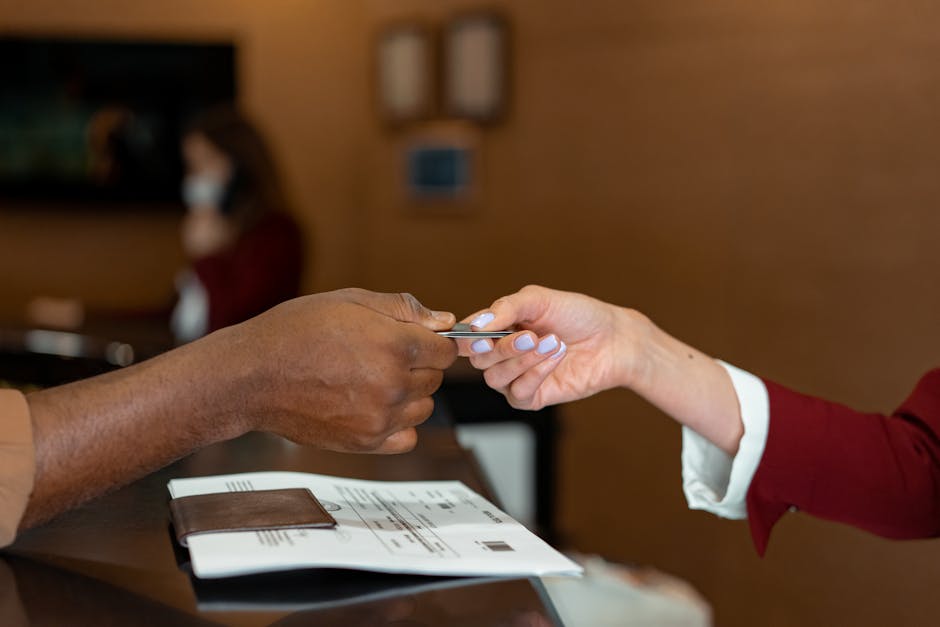
Once you've arrived at your accommodation, here are a few tips to help you make the most of your stay:
- Be respectful of local customs: Dress modestly when visiting temples and pagodas. Remove your shoes before entering someone's home.
- Learn a few basic Vietnamese phrases: Even just knowing how to say "hello" and "thank you" will be appreciated.
- Try the local food: Vietnamese cuisine is incredibly diverse and delicious. Be adventurous and try new things!
- Be aware of your surroundings: Petty theft can occur in tourist areas, so be mindful of your belongings.
- Bargain respectfully: Bargaining is common in markets and street stalls, but do it respectfully and with a smile.
- Stay hydrated: It can get very hot and humid in Vietnam, so drink plenty of water.
- Be open to new experiences: Vietnam is a country full of surprises. Embrace the unexpected and enjoy the adventure!
Booking accommodation in Vietnam doesn't have to be stressful. By understanding your options, doing your research, and being open to new experiences, you can find the perfect place to call home during your travels. Whether you choose a cozy homestay in the countryside or a luxurious hotel in the city, I hope this guide helps you create unforgettable memories in this amazing country. Happy travels!

Post a Comment for "Booking Accommodation in Vietnam: Your Guide to Homestays, Hotels, & Everything In Between"
Post a Comment