Ba Be Lake: Kayaking Paradise & Immersing in Vietnamese Village Life
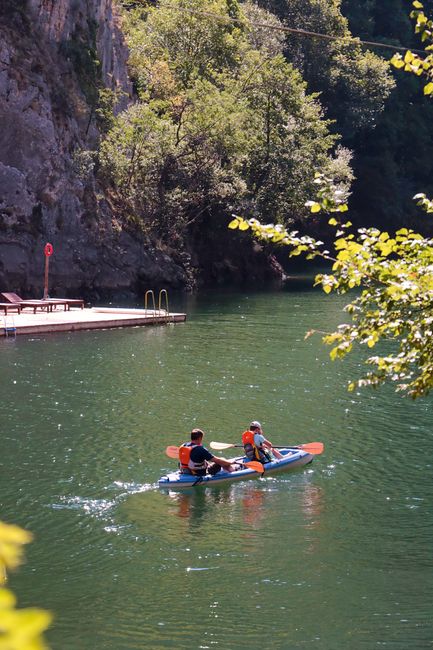
Ba Be Lake: Kayaking Paradise & Immersing in Vietnamese Village Life
Hey there, fellow travel enthusiasts! Ever dream of escaping the hustle and bustle and finding a slice of untouched paradise? Well, let me tell you about Ba Be Lake in Vietnam. It's a place that completely stole my heart, and I think it might just steal yours too. Forget the crowded beaches and tourist traps; this is where you go to breathe, reconnect with nature, and experience authentic Vietnamese culture.
Discovering Ba Be Lake: A Hidden Gem
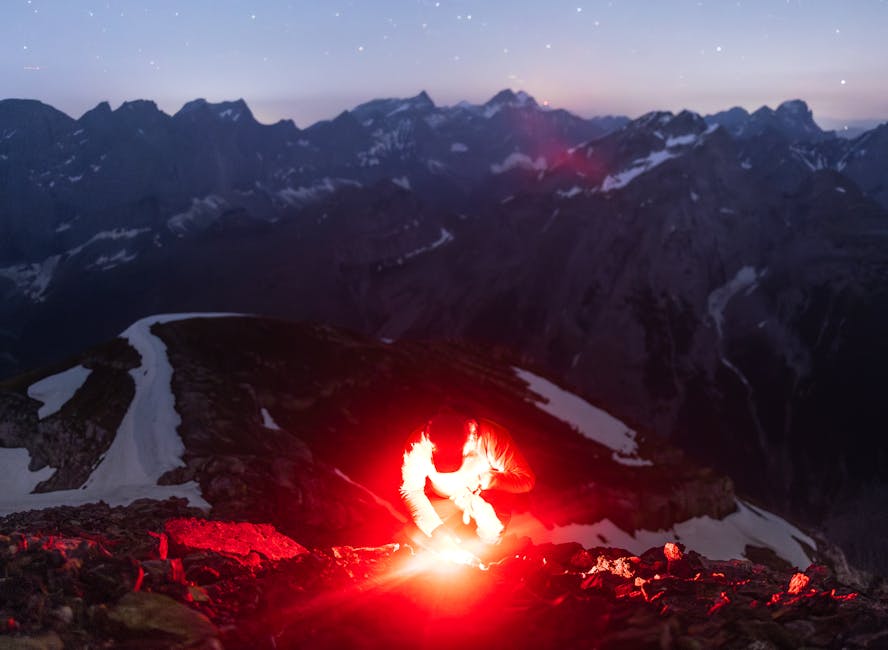
Ba Be Lake, nestled in the heart of Ba Be National Park, is the largest natural freshwater lake in Vietnam. Imagine towering limestone mountains draped in emerald green forests, reflecting perfectly in the still, clear water. It's a landscape that feels both ancient and timeless. I remember arriving after a bumpy but rewarding journey and feeling instantly calmer. The air was fresh, the sounds were gentle – just the lapping of water and the calls of birds. It was a world away from the chaotic cities I'd been exploring before.
What makes Ba Be even more special is that it's not just a pretty picture. It's a living, breathing ecosystem and home to several ethnic minority groups, mainly the Tay people. Their villages dot the lakeshore, and their traditional way of life adds a unique layer of culture to the natural beauty. You won't find massive resorts or chain hotels here; instead, you'll discover charming homestays and guesthouses offering a genuine connection to the local community.
Kayaking on Ba Be Lake: My Unforgettable Experience
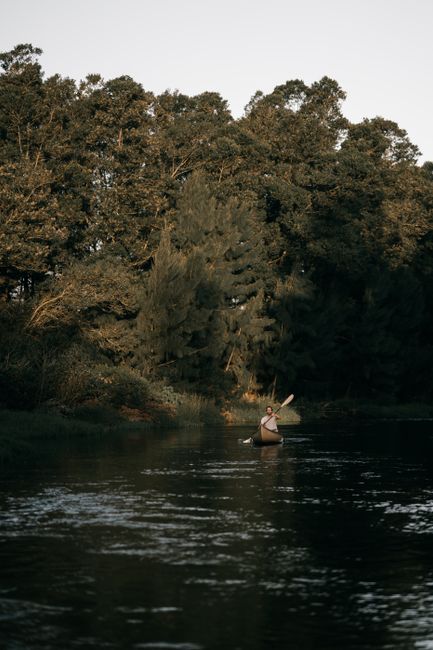
For me, the highlight of my trip was undoubtedly kayaking on the lake. I'm not an expert kayaker by any means, but the calm waters of Ba Be made it perfect for even beginners. I rented a kayak from my homestay – they usually offer them or can point you in the right direction – and set off on my adventure.
The feeling of gliding across the water, surrounded by those incredible landscapes, was simply magical. I paddled at my own pace, exploring hidden coves and inlets, feeling completely at peace. The water was so clear that I could see fish darting beneath me. It was incredibly tranquil and allowed me to connect with nature in a way I hadn't before. I went early in the morning, and the mist rising from the lake made the experience even more surreal.
Here are a few tips I picked up along the way for kayaking on Ba Be Lake:
- Go early: The mornings are the calmest and most peaceful time to kayak, plus you get to witness the sunrise over the mountains.
- Bring sunscreen and a hat: The sun can be surprisingly strong, even on cloudy days.
- Wear appropriate clothing: Quick-drying clothes are a good idea, just in case you get a little wet.
- Take water and snacks: You'll want to stay hydrated and energized, especially if you're planning a longer kayaking trip.
- Respect the environment: Avoid littering and be mindful of the wildlife.
Immersing in Local Tay Life: A Cultural Exchange

Beyond the natural beauty, Ba Be Lake offers a fantastic opportunity to immerse yourself in the culture of the Tay people. Staying in a homestay is the best way to do this. I was welcomed into a local family's home, where I got to experience their daily routines, taste their delicious food, and learn about their traditions.
The hospitality was incredible. My host family didn't speak much English, and I didn't speak much Vietnamese, but we communicated through gestures, smiles, and a whole lot of laughter. They were so eager to share their culture with me. I learned how to make traditional rice cakes, helped with chores around the house, and even tried my hand at fishing (with limited success!).
Here are some things I learned about the Tay people and their culture during my stay:
- Their unique stilt houses: These traditional wooden houses are built on stilts to protect them from floods and wild animals. They're beautifully crafted and offer stunning views of the lake.
- Their vibrant textiles: The Tay people are skilled weavers and are known for their colorful textiles, often adorned with intricate patterns and designs.
- Their traditional music and dance: I was lucky enough to witness a traditional Tay performance during my stay. The music was mesmerizing, and the dancers were incredibly graceful.
- Their delicious cuisine: The food was incredible! Freshly caught fish from the lake, locally grown vegetables, and fragrant herbs and spices made for a truly authentic culinary experience. Don't miss the chance to try com lam (rice cooked in bamboo tubes) and grilled fish.
I also explored the local villages by motorbike, which was an adventure in itself! The roads can be a bit rough, but the scenery is well worth it. I stopped at local markets, where I bought souvenirs and chatted with the vendors (with the help of a translation app, of course!). It was a great way to see the authentic side of Ba Be and connect with the local community.
Exploring Beyond the Lake: Waterfalls, Caves, and More
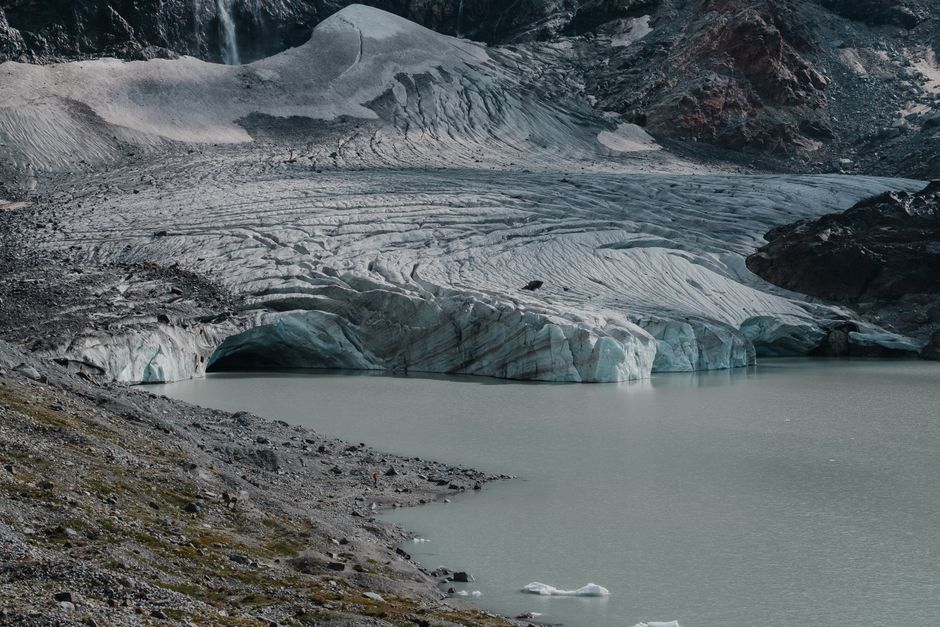
While kayaking and immersing in local life were the highlights for me, there's plenty more to see and do around Ba Be Lake. The surrounding area is rich in natural beauty and cultural attractions.
Dau Dang Waterfall
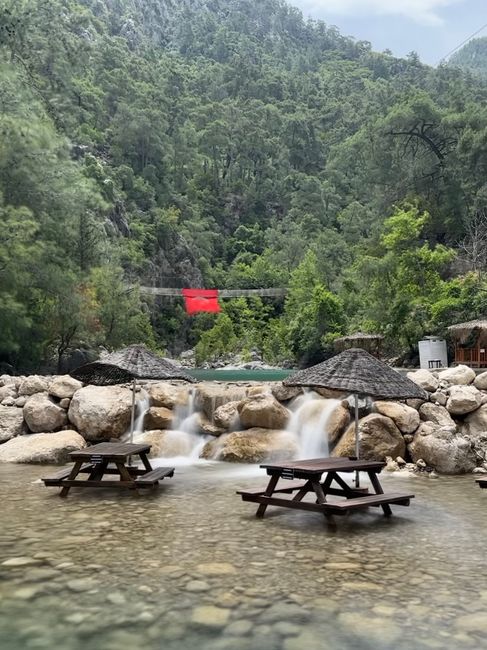
This stunning waterfall is about 16km from the lake. The road is picturesque as well, going through mountains and valleys. I was astonished by the power and the beautiful tiered cascades of Dau Dang. It's a great place for a short hike and a picnic.
Puong Cave
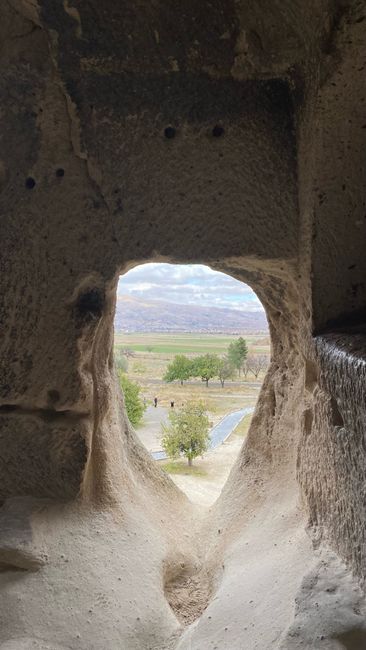
Another must-see is Puong Cave, a massive cave carved by the Nang River. You can take a boat trip through the cave, which is home to thousands of bats. It's a bit spooky, but also incredibly impressive. The stalactites and stalagmites are illuminated, creating a truly magical atmosphere.
An Ma Temple
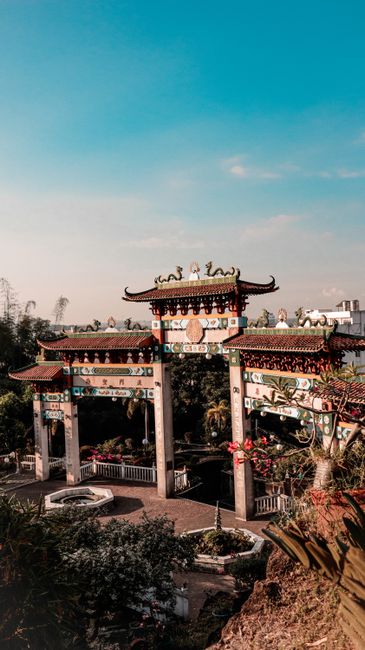
If you're interested in history and culture, be sure to visit An Ma Temple, located on a small island in the middle of the lake. The temple is dedicated to local deities and offers stunning views of the surrounding area.
How to Get to Ba Be Lake and Where to Stay
Getting to Ba Be Lake requires a bit of effort, but it's definitely worth it. The nearest major city is Hanoi, which is about a 5-6 hour drive away. You can take a bus or hire a private car. I opted for the bus, which was a more budget-friendly option. Keep in mind that the roads can be a bit bumpy, especially the last stretch leading to the lake.
As for accommodation, I highly recommend staying in a homestay. It's the best way to experience the local culture and support the community. There are several homestays located in the villages around the lake, offering a range of prices and amenities. I booked my homestay in advance through a booking website, but you can also find them upon arrival. Just be sure to do some research beforehand to ensure you're staying in a reputable and comfortable place.
Alternatively, there are a few guesthouses and small hotels available near Ba Be Lake; these are generally located in the main villages and offer a slightly more private setting. They can also be booked online or directly upon arrival, but booking in advance is preferable, especially during peak season.
Things to Consider Before You Go
Before you pack your bags and head to Ba Be Lake, here are a few things to keep in mind:
- The weather: The best time to visit Ba Be Lake is during the dry season, which runs from October to April. The weather is generally sunny and pleasant, with comfortable temperatures. The rainy season is from May to September, which can bring heavy rain and flooding.
- What to pack: Be sure to pack light, comfortable clothing, appropriate for both warm and cooler conditions, and that can get wet/dirty, as well as sturdy shoes for hiking and exploring. Don't forget insect repellent, sunscreen, and a hat. A small backpack is also handy for carrying water, snacks, and other essentials.
- Language: English is not widely spoken in Ba Be, so it's helpful to learn a few basic Vietnamese phrases. A translation app can also come in handy.
- Money: The local currency is the Vietnamese Dong (VND). It's best to have cash on hand, as credit cards are not widely accepted, especially in smaller villages.
- Respect local customs: Be mindful of local customs and traditions. Dress modestly when visiting temples and other religious sites. Ask for permission before taking photos of people.
Why Ba Be Lake Changed Me

My trip to Ba Be Lake wasn't just a vacation; it was a transformative experience. It reminded me of the simple things in life – the beauty of nature, the warmth of human connection, and the importance of slowing down and appreciating the present moment. It's a place where you can truly escape the chaos of modern life and reconnect with yourself. The kindness of the Tay people, the breathtaking scenery, and the feeling of complete tranquility will stay with me forever. I left Ba Be Lake feeling refreshed, inspired, and grateful for the opportunity to have experienced such a special place.
So, if you're looking for an off-the-beaten-path adventure, I highly recommend adding Ba Be Lake to your travel list. You won't regret it!

Post a Comment for "Ba Be Lake: Kayaking Paradise & Immersing in Vietnamese Village Life"
Post a Comment