Avoiding Tourist Scams in Vietnam: My Guide to Staying Savvy & Safe
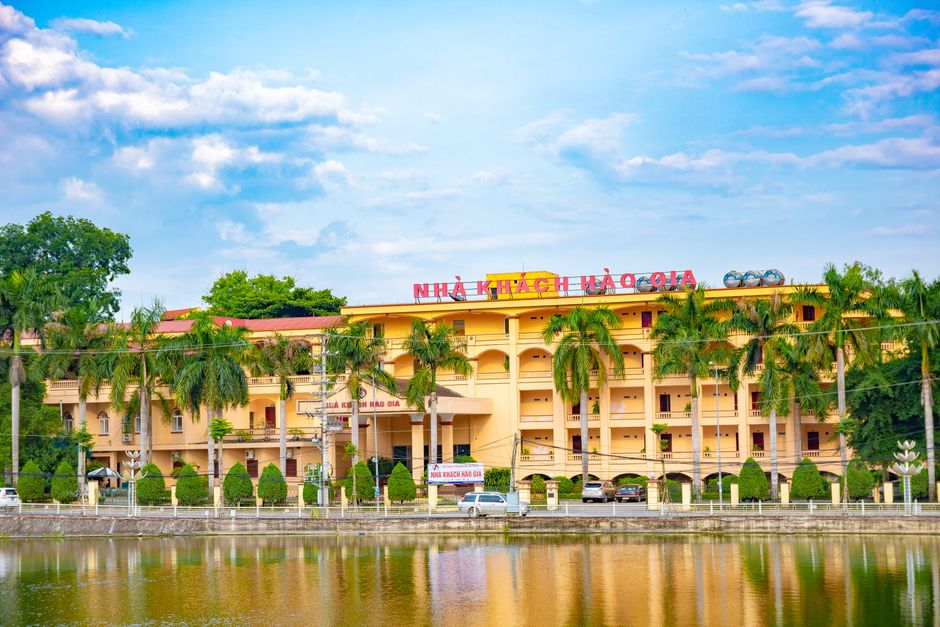
Avoiding Tourist Scams in Vietnam: My Guide to Staying Savvy & Safe
Vietnam, a land of breathtaking landscapes, vibrant culture, and mouthwatering cuisine! It's truly a traveler's paradise. I remember my first trip there; I was completely mesmerized by the bustling streets of Hanoi, the serene beauty of Ha Long Bay, and the historical charm of Hoi An. However, like any popular tourist destination, Vietnam also has its share of scams targeting unsuspecting travelers. Don't let this deter you! With a little knowledge and preparation, you can easily navigate these potential pitfalls and enjoy an unforgettable and safe journey. I learned a lot on my travels, sometimes the hard way, and I want to share my experiences to help you stay savvy and avoid common tourist traps.
Understanding the Landscape: Common Scams in Vietnam

Before we dive into specific scenarios, it's crucial to understand the general types of scams you might encounter. These typically revolve around overcharging, misrepresentation, and petty theft. Knowing what to look out for is half the battle!
Here's a breakdown of some of the more frequent scams:
- The Metered Taxi Scam: This one is a classic. The taxi meter runs suspiciously fast, or the driver takes a ridiculously long route to inflate the fare.
- The Fake Currency Exchange: You hand over your dollars or euros to a money changer, and they cleverly switch it for a smaller amount while counting or distract you.
- The Shoe Shining/Repair Racket: Someone offers to clean your shoes for a small fee, and then they do a "repair" without your consent, demanding an exorbitant price.
- The Cyclo/Rickshaw Overcharge: Similar to the taxi scam, they agree on a price beforehand, but then demand much more at the end of the ride, claiming the original price was "per person" or for a shorter distance.
- The Fake Goods/Knock-offs: You think you're getting a great deal on a branded item, only to discover it's a cheap imitation.
- The Motorbike Rental Rip-off: You rent a motorbike, and they claim you damaged it when you return it, demanding a hefty repair fee.
- The Pickpocketing/Theft: This can happen anywhere, but crowded tourist areas are prime hunting grounds for pickpockets.
- The Begging Scam: While many beggars are genuinely in need, some organized groups exploit tourists' generosity.
Taxi Troubles: Navigating Transportation Safely

Let's start with taxis, as they are often the first point of contact for many tourists arriving in Vietnam. My first taxi ride from the airport was, thankfully, uneventful. But I've heard enough stories to know that vigilance is key.
Here's how to stay safe:
- Use Reputable Taxi Companies: Stick to well-known companies like Vinasun (white taxis with green and red stripes) or Mai Linh (green taxis). They are generally more reliable and use metered fares.
- Download Ride-Hailing Apps: Grab is widely used in Vietnam. It's similar to Uber and allows you to book a ride, see the fare upfront, and track your journey. This eliminates the need to negotiate prices or worry about rigged meters.
- Negotiate the Fare Beforehand (If Necessary): If you're taking a taxi without a meter, always agree on the price before getting in. Don't be afraid to haggle!
- Pay Attention to the Meter: Keep an eye on the meter during the ride. If it seems to be running unusually fast, politely point it out to the driver.
- Have Small Bills Ready: This avoids the "I don't have change" excuse, which is often used to overcharge tourists.
- Be Aware of Your Surroundings: Stay alert and keep your belongings close, especially in crowded areas.
Money Matters: Exchanging Currency Without Getting Scammed

Exchanging currency is another area where tourists can be vulnerable. I always found it best to be prepared.
Here's my advice:
- Use Reputable Exchange Services: Banks and licensed money exchange bureaus are generally the safest options. Avoid exchanging money on the street.
- Know the Current Exchange Rate: Check the current exchange rate online before you go to exchange your money. This will give you a baseline to compare against.
- Count Your Money Carefully: Watch the money changer carefully as they count your money. Make sure you receive the correct amount.
- Be Wary of "Too Good to Be True" Rates: If someone offers you an exchange rate that seems significantly better than everyone else, it's likely a scam.
- Consider Using ATMs: While there are fees associated with using ATMs, they can be a convenient and relatively safe way to get local currency. Just be sure to use ATMs located inside banks or in well-lit, secure areas.
Shopping Smart: Avoiding Fake Goods and Overpricing
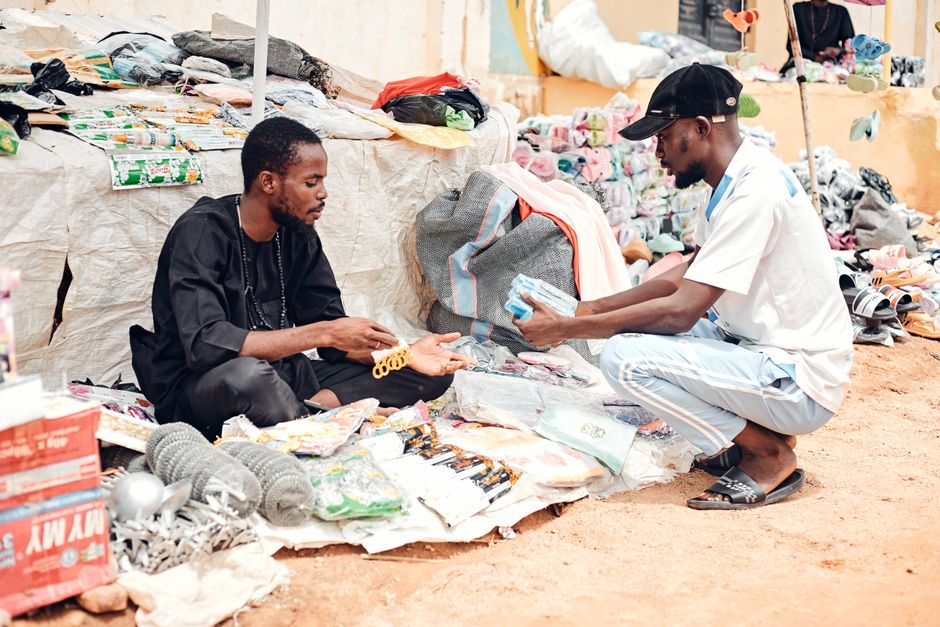
The markets in Vietnam are a sensory explosion! From vibrant fabrics to intricate handicrafts, there's something for everyone. But it's important to be a savvy shopper.
Here are some tips:
- Haggle Respectfully: Bargaining is expected in most markets in Vietnam. Start by offering a lower price than you're willing to pay and negotiate from there. Be polite and respectful throughout the process.
- Know Your Prices: Research the average price of items you're interested in buying. This will help you avoid overpaying.
- Examine Goods Carefully: Check for defects, poor workmanship, or other signs of low quality, especially when buying branded items.
- Be Wary of "Special Offers": Be cautious of vendors who aggressively push sales or offer "special offers" that seem too good to be true.
- Don't Be Afraid to Walk Away: If you're not comfortable with the price or the quality of the item, don't be afraid to walk away. There are plenty of other vendors who will be happy to sell you something.
Motorbike Mayhem: Renting and Riding Safely

Renting a motorbike can be a fantastic way to explore Vietnam, giving you the freedom to venture off the beaten path. However, it can also be a source of potential scams.
Here's how to avoid trouble:
- Rent from Reputable Shops: Choose a well-established rental shop with positive reviews. Avoid renting from random individuals on the street.
- Inspect the Motorbike Thoroughly: Before renting, carefully inspect the motorbike for any existing damage, such as scratches, dents, or broken lights. Take photos or videos as proof.
- Document Everything: Get a written agreement that clearly outlines the rental terms, including the price, the rental period, and any insurance coverage.
- Wear a Helmet: This is not only required by law but also essential for your safety.
- Drive Cautiously: Vietnamese roads can be chaotic. Drive defensively and be aware of your surroundings.
- Return the Motorbike During Business Hours: This allows you to inspect the motorbike together with the rental shop owner and address any potential issues immediately.
Street Smarts: General Tips for Staying Safe
Beyond the specific scams, here are some general tips to keep in mind during your travels in Vietnam:
- Be Aware of Your Surroundings: Pay attention to what's happening around you, especially in crowded areas. Keep your belongings close and avoid displaying expensive items.
- Trust Your Instincts: If something feels wrong, it probably is. Don't be afraid to walk away from a situation that makes you uncomfortable.
- Be Polite but Assertive: Be friendly and respectful, but don't be afraid to say no or stand your ground.
- Learn a Few Basic Vietnamese Phrases: Knowing a few basic phrases, such as "hello," "thank you," and "how much?" can go a long way in building rapport and showing respect.
- Make Copies of Important Documents: Keep copies of your passport, visa, and other important documents in a separate location from the originals.
- Stay Connected: Purchase a local SIM card or use Wi-Fi to stay connected with family and friends. Share your itinerary with someone you trust and check in regularly.
- Report Any Incidents: If you do fall victim to a scam or theft, report it to the local police. While they may not be able to recover your losses, it's important to document the incident.
The Cyclo Caper: Negotiating Your Way Through a Ride

A cyclo ride can be a charming way to see the city, but it's another area where overcharging is common. I recommend confirming the price and details clearly beforehand.
Here's how to navigate the cyclo experience:
- Agree on the Price Beforehand: This is non-negotiable. Before you even sit down, firmly agree on the total price for the ride. Specify the distance and duration.
- Clarify "Per Person" vs. "Total": Make it crystal clear whether the price is per person or for the entire cyclo, especially if you're traveling with others.
- Stick to Your Agreed Route: If the cyclo driver deviates from the agreed route without your consent, politely but firmly insist on returning to the original route.
- Pay Only the Agreed Price: Don't let the driver pressure you into paying more than the agreed price at the end of the ride. Stand your ground.
- Consider a Guided Tour: If you want a more structured and reliable cyclo experience, consider booking a guided tour that includes a cyclo ride as part of the itinerary.
Begging and Charity: Giving Wisely
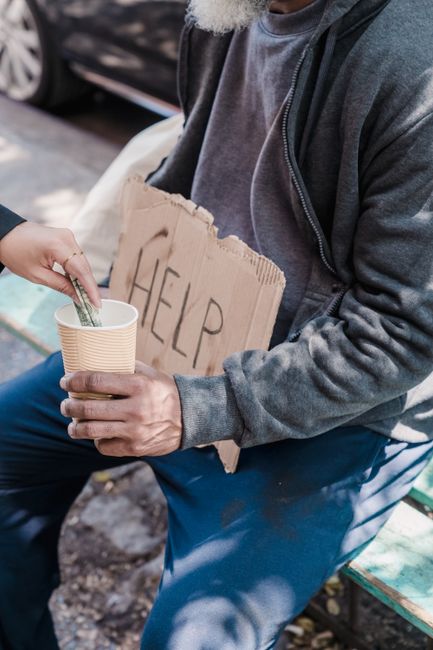
It's natural to want to help those in need, but it's important to be discerning when it comes to giving to beggars in Vietnam. Sometimes, your good intentions can be exploited.
Here's how to give responsibly:
- Be Aware of Organized Begging: Some beggars are part of organized groups that exploit children or elderly individuals. Avoid giving money to these groups.
- Consider Donating to Reputable Charities: If you want to support a worthy cause, consider donating to a reputable charity that works to improve the lives of disadvantaged people in Vietnam.
- Offer Food or Goods Instead of Money: Instead of giving money directly to beggars, consider offering them food or other essential goods.
- Be Respectful: Even if you choose not to give, be respectful and avoid making judgmental comments.
My Final Thoughts: Embrace the Adventure!
While it's important to be aware of potential scams, don't let them overshadow the incredible experiences that Vietnam has to offer. By being informed, prepared, and using a bit of common sense, you can easily navigate these challenges and enjoy a safe, rewarding, and unforgettable trip. Remember to relax, embrace the culture, and savor every moment! Vietnam is a truly magical place, and I hope my tips help you create your own amazing memories. Happy travels!

Post a Comment for "Avoiding Tourist Scams in Vietnam: My Guide to Staying Savvy & Safe"
Post a Comment