Vovinam & Vietnamese Martial Arts: Exploring Tradition, Philosophy & Modern Practice

Vovinam & Vietnamese Martial Arts: Exploring Tradition, Philosophy & Modern Practice
Hey everyone! Have you ever been completely captivated by something new, something that just sparks a fire within you? That's exactly how I felt when I started exploring the world of Vietnamese martial arts, specifically Vovinam. It's more than just kicking and punching; it's a fascinating blend of physical prowess, mental discipline, and cultural heritage. I want to share my journey with you, diving into Vovinam and beyond, exploring the rich tapestry of martial arts that Vietnam has to offer.
Discovering Vovinam: More Than Just a Martial Art
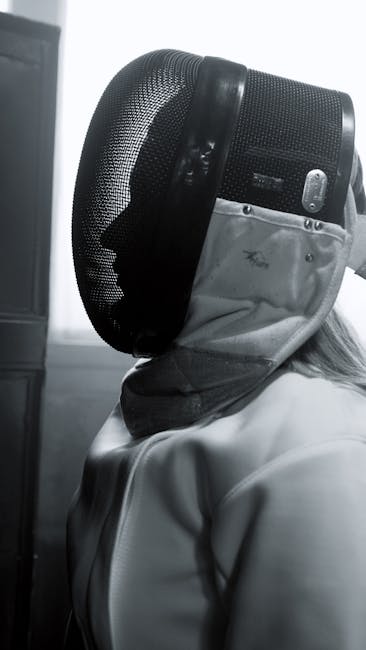
My introduction to Vovinam was a bit serendipitous. I stumbled across a demonstration in a local park, and I was immediately mesmerized. The fluidity of the movements, the power behind each strike, and the obvious camaraderie between the practitioners were all incredibly appealing. I knew right then that I wanted to learn more.
Vovinam, which stands for Vo Viet Nam (Vietnamese Martial Art), was officially founded by Grandmaster Nguyễn Lộc in 1938. But its roots delve much deeper into Vietnam's history, drawing from traditional wrestling, weaponry, and even elements of other martial arts like Kung Fu. Grandmaster Nguyễn Lộc's vision wasn't just to create a fighting system, but a holistic method for self-improvement, encompassing physical fitness, mental clarity, and ethical conduct.
What really sets Vovinam apart, in my opinion, is its emphasis on Chieu Thuc, or "techniques." These aren't just isolated movements; they're intricate combinations designed to be both effective and adaptable. You learn to move with grace, precision, and explosive power. And it's not just about offense. A huge part of Vovinam is learning to defend, evade, and redirect an opponent's force.
Here are some of the things I found particularly interesting about Vovinam:
- The Philosophy: Vovinam is grounded in the principle of "becoming strong to be useful." This means developing not only physical strength but also mental resilience and ethical integrity. It's about using your skills to help others and contribute to society.
- The Uniform: The distinctive blue uniform represents the spirit of the Vietnamese people: strength, resilience, and determination. Each belt color signifies a different level of proficiency and understanding of the art.
- The Techniques: Vovinam's techniques include punches, kicks, elbows, knees, grappling, wrestling, and weaponry. The focus is on adaptability and using the opponent's strength against them.
- The Self-Defense Aspects: Vovinam is highly effective for self-defense because it teaches you to react quickly and efficiently in real-world situations. It emphasizes awareness, avoidance, and decisive action.
Exploring Beyond Vovinam: A Glimpse into Vietnam's Martial Heritage

As I delved deeper into Vovinam, I became curious about other Vietnamese martial arts. I discovered a fascinating world of diverse styles and traditions, each with its own unique character and history. While Vovinam is arguably the most widely practiced Vietnamese martial art globally, it's just the tip of the iceberg.
Here are some other notable Vietnamese martial arts worth exploring:
- Binh Dinh Sa Long Cuong: This style, originating from the Binh Dinh province, is known for its powerful kicks, swift hand strikes, and acrobatic maneuvers. It's a dynamic and visually impressive art that emphasizes both offensive and defensive capabilities. Many masters of Binh Dinh martial arts have become legendary figures in Vietnamese folklore.
- Tay Son Nhan: Also hailing from Binh Dinh, Tay Son Nhan is characterized by its close-range combat techniques, grappling, and joint locks. It's a practical and effective style that emphasizes efficiency and directness. It is steeped in history, connected to the Tay Son dynasty and their military prowess.
- Vinh Xuan Quyen (Wing Chun): Yes, you read that right! While most associate Wing Chun with Chinese martial arts, a Vietnamese variation exists, known as Vinh Xuan Quyen. It focuses on close-range combat, economy of motion, and simultaneous attack and defense. Although influenced by the Chinese art, it has developed distinct Vietnamese characteristics over time.
- Nhat Nam: This relatively modern style emphasizes natural movements and biomechanics. It aims to develop efficient and powerful techniques based on the body's natural structure. Nhat Nam focuses on practicality and adaptability, making it suitable for self-defense and competition.
My Personal Journey: Challenges and Triumphs

Learning Vovinam, and subsequently exploring other Vietnamese martial arts, has been an incredible journey of self-discovery. It hasn't always been easy, though. There have been challenges along the way, both physical and mental.
The Physical Challenges:
Initially, my body ached in places I didn't even know existed! The stances, the kicks, the blocks – everything required a level of flexibility and strength that I hadn't developed. I had to be patient and persistent, gradually building my stamina and technique. There were times when I felt clumsy and uncoordinated, but I learned to embrace the process and celebrate small victories.
The Mental Challenges:
Learning a new martial art is not just about mastering the physical techniques; it's also about developing mental discipline and focus. I had to learn to quiet my mind, concentrate on the present moment, and trust my instincts. There were times when I felt frustrated and discouraged, but I reminded myself of my goals and kept pushing forward.
The Triumphs:
Despite the challenges, the rewards have been immense. I've not only improved my physical fitness and self-defense skills but also gained a deeper understanding of myself and my capabilities. I've learned the importance of perseverance, discipline, and respect. And I've made some amazing friends along the way – a supportive community of fellow martial arts enthusiasts who share my passion and inspire me to keep learning.
Some specific triumphs I've experienced include:
- Successfully executing a difficult technique after weeks of practice.
- Feeling more confident and empowered in my everyday life.
- Forming strong bonds with my instructors and fellow students.
- Understanding the cultural and philosophical significance of Vovinam and other Vietnamese martial arts.
The Philosophy Behind the Punches and Kicks

What truly elevates Vietnamese martial arts beyond mere fighting techniques is their profound philosophical underpinnings. It's not just about winning a fight; it's about cultivating inner peace, developing ethical values, and contributing to the betterment of society. This philosophy is deeply rooted in Vietnamese culture and history, drawing from Confucianism, Buddhism, and Taoism.
The Importance of Respect:
Respect is a cornerstone of Vietnamese martial arts. It's about showing respect for your instructors, your fellow students, and yourself. It's about recognizing the value of tradition and the wisdom of those who came before you. It's also about respecting your opponents, even in the heat of competition. This respect fosters a sense of community and creates a positive learning environment.
The Pursuit of Balance:
Vietnamese martial arts emphasize the importance of balance – not just physical balance, but also mental and emotional balance. It's about finding harmony in all aspects of your life. It's about cultivating inner peace and developing a sense of equanimity. This pursuit of balance helps you to navigate the challenges of life with grace and resilience.
The Concept of Self-Improvement:
The ultimate goal of Vietnamese martial arts is self-improvement. It's about constantly striving to become a better version of yourself – physically, mentally, and ethically. It's about pushing your limits, overcoming your weaknesses, and embracing your potential. This commitment to self-improvement leads to a more fulfilling and meaningful life.
Finding Your Own Path: Tips for Beginners

If you're intrigued by the world of Vietnamese martial arts, I encourage you to explore it further. Whether you're drawn to Vovinam or another style, there's something for everyone. Here are some tips for beginners:
- Do your research: Learn about the different styles of Vietnamese martial arts and find one that resonates with you. Read books, watch videos, and talk to experienced practitioners.
- Find a qualified instructor: Look for an instructor who is knowledgeable, experienced, and passionate about teaching. A good instructor will provide guidance, support, and encouragement.
- Be patient and persistent: Learning a martial art takes time and effort. Don't get discouraged if you don't see results immediately. Just keep practicing and be patient with yourself.
- Listen to your body: Pay attention to your body's signals and don't push yourself too hard, especially when you're just starting out. Rest and recover when you need to.
- Embrace the community: Connect with other martial arts enthusiasts and learn from their experiences. Participate in classes, workshops, and competitions.
- Have fun! Learning a martial art should be enjoyable. If you're not having fun, you're less likely to stick with it. Find ways to make the training process engaging and rewarding.
The Future of Vietnamese Martial Arts

Vietnamese martial arts are experiencing a resurgence in popularity, both in Vietnam and around the world. More and more people are discovering the benefits of these ancient traditions, and they are eager to learn and share them with others. This renewed interest is helping to preserve and promote Vietnamese culture and heritage.
Modern Adaptations:
While preserving the traditional techniques and philosophies, many Vietnamese martial arts schools are also adapting to the modern world. They are incorporating new training methods, incorporating sport-specific drills, and utilizing technology to enhance learning. This blend of tradition and innovation is helping to keep Vietnamese martial arts relevant and accessible to a wider audience.
Global Expansion:
Vietnamese martial arts are becoming increasingly popular in countries around the world. Schools and clubs are popping up in Europe, North America, Asia, and Australia. This global expansion is helping to spread awareness of Vietnamese culture and promote understanding between different cultures.
A Legacy of Strength and Resilience:
Vietnamese martial arts represent a legacy of strength, resilience, and cultural pride. They are a testament to the ingenuity and determination of the Vietnamese people. By continuing to practice and promote these traditions, we can ensure that they will continue to inspire and empower generations to come.
In conclusion, exploring Vovinam and other Vietnamese martial arts has been an incredibly enriching experience. It's not just about learning to fight; it's about developing discipline, building character, and connecting with a rich cultural heritage. I hope my journey has inspired you to explore the world of Vietnamese martial arts for yourself. Who knows, you might just discover a passion that will change your life forever!

Post a Comment for "Vovinam & Vietnamese Martial Arts: Exploring Tradition, Philosophy & Modern Practice"
Post a Comment