Vietnamese Temples & Pagodas: Your Guide to Respectful Visits (Dress & Behavior)
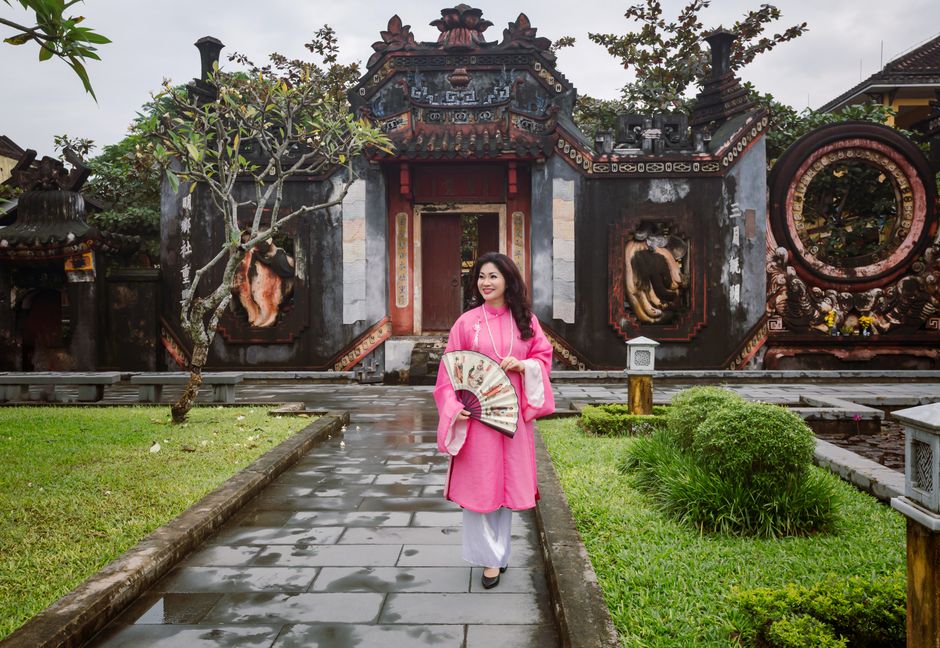
Vietnamese Temples & Pagodas: Your Guide to Respectful Visits (Dress & Behavior)
Hey everyone! I'm so excited to share some insights from my own experiences exploring the beautiful temples and pagodas of Vietnam. These sacred spaces are absolutely breathtaking, filled with history, spirituality, and stunning architecture. But, like any place of worship, there are certain customs and etiquette to keep in mind to ensure you're being respectful and making the most of your visit. I've learned a lot along the way, sometimes through my own (minor) mishaps, so I wanted to create a friendly guide to help you navigate the dress code and behavior expectations. Let's dive in!
Understanding the Significance: More Than Just Tourist Spots

First things first, it's important to remember that Vietnamese temples and pagodas are much more than just pretty tourist destinations. They are active places of worship for Buddhists, Taoists, and followers of other traditional Vietnamese religions. People come here to pray, meditate, offer respects to ancestors, and find solace. Understanding this significance is the foundation of behaving respectfully. These locations are deeply woven into the social fabric of communities, a legacy and a place for contemplation. Visiting with the right mindset, recognizing the spiritual importance of these sites, is the first step toward a truly meaningful experience.
Dress Code Dos and Don'ts: What to Wear (and What to Avoid!)
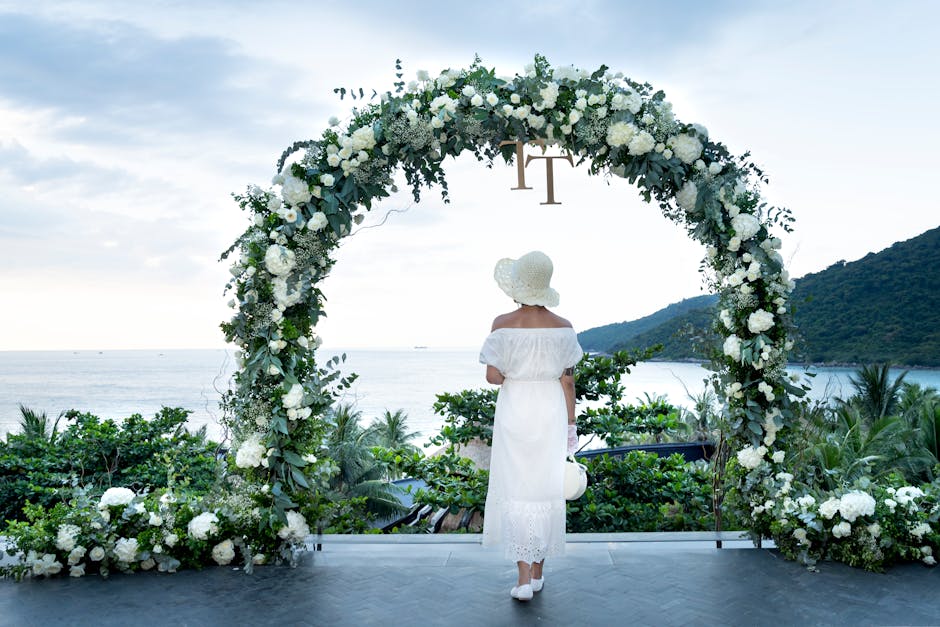
Okay, let's talk clothes. This is probably one of the most frequently asked questions, and for good reason. Knowing what to wear (or not wear) can make a big difference in how you're perceived and how comfortable you feel. Think modesty and respect. Here's a breakdown:
The Golden Rule: Cover Up!
The overarching principle is to cover your shoulders, chest, and knees. Showing too much skin can be seen as disrespectful. It's all about demonstrating reverence for the sacred space.
What to Wear:
- Long Pants or Skirts: These are always a safe bet. For women, skirts that fall below the knee are ideal. For men, long pants are the way to go. I've found that lightweight, breathable fabrics are best, especially in the hot Vietnamese climate.
- Loose-Fitting Clothing: Comfort is key, especially if you're planning on spending a few hours exploring. Choose loose-fitting shirts and pants that allow for easy movement and airflow.
- T-Shirts and Blouses: Opt for shirts with sleeves that cover your shoulders. Avoid tank tops, sleeveless shirts, and anything too revealing. I like to bring a lightweight scarf or shawl that I can throw over my shoulders if needed.
- Closed-Toe Shoes: While sandals are common in Vietnam, closed-toe shoes are generally preferred in temples and pagodas. If you do wear sandals, make sure they are clean and not overly flashy.
- Modest Dresses: If you choose to wear a dress, make sure it falls below the knee and has sleeves that cover your shoulders. A modest, flowing dress can be a beautiful and comfortable option.
What to Avoid:
- Shorts: Definitely a no-go. Even if it's scorching hot, shorts are considered inappropriate.
- Tank Tops/Sleeveless Shirts: As mentioned before, exposing your shoulders is generally frowned upon.
- Crop Tops: Absolutely not! Midriff-baring clothing is never appropriate in a temple or pagoda.
- Revealing Clothing: This includes anything too tight, too short, or too low-cut.
- Swimwear: Obviously, swimwear is completely inappropriate.
- Anything with Offensive Graphics: Avoid clothing with images or slogans that could be considered offensive or disrespectful to the local culture.
- High Heels: While not strictly forbidden, high heels can be noisy and make it difficult to navigate the uneven surfaces of some temples.
Pro Tip: Some temples will provide robes or wraps for visitors who are not dressed appropriately. However, it's always best to be prepared and dress respectfully from the start. I usually keep a light scarf or sarong in my bag just in case.
Behavior Inside: Respectful Conduct for a Meaningful Visit
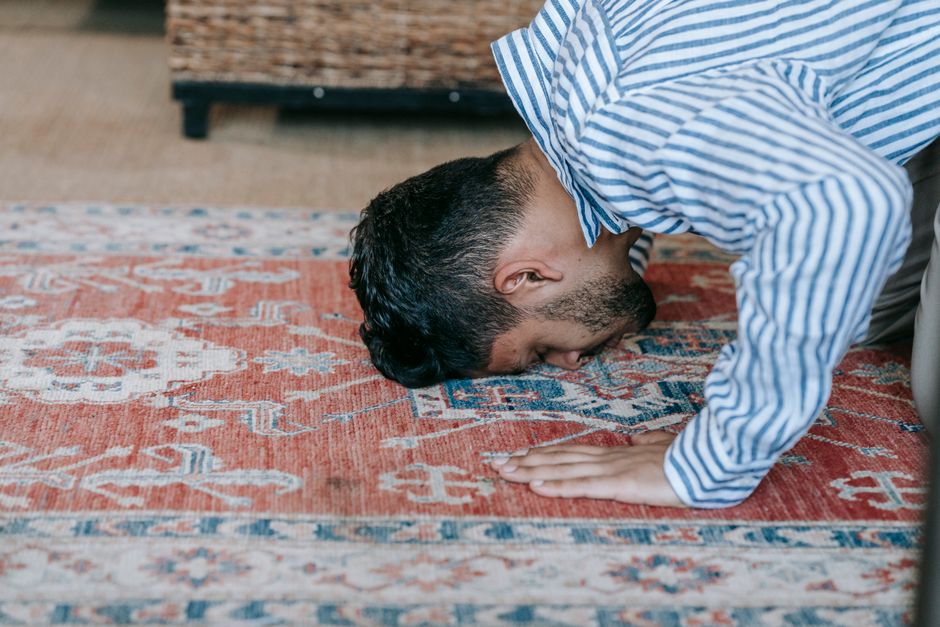
Dressing appropriately is only half the battle. Your behavior inside the temple or pagoda is equally important. Remember, you're a guest in a sacred space, so treat it with the utmost respect.
Key Principles:
- Silence is Golden: Keep your voice down. Avoid loud conversations, shouting, or making unnecessary noise. Temples and pagodas are places for quiet contemplation and reflection.
- Remove Your Shoes: It's customary to remove your shoes before entering the main prayer hall or any area with a raised platform or altar. Look for a designated shoe rack or area near the entrance.
- Hats Off: Remove your hat or any head covering before entering the temple. This is a sign of respect.
- Point Your Feet Carefully: Avoid pointing your feet directly at Buddha images or monks. This is considered disrespectful in many Asian cultures.
- Mindful Walking: Walk slowly and deliberately, avoiding sudden movements or running. Be mindful of your surroundings and other people who are praying or meditating.
- Photography Etiquette: Check if photography is allowed. Some temples prohibit photography altogether, while others may allow it in certain areas. If photography is permitted, be discreet and avoid using flash. Always ask for permission before taking photos of monks or other worshippers.
- No Touching: Avoid touching Buddha images, sacred objects, or any religious artifacts.
- Respectful Offerings: If you wish to make an offering, follow the local customs. Usually, you can purchase incense sticks and light them at designated areas. Follow the instructions of the temple staff or local worshippers.
- Be Mindful of Monks: If you encounter monks, be respectful and avoid unnecessary interaction. If you wish to speak to a monk, maintain a respectful distance and speak in a quiet voice. Avoid physical contact.
- Eating and Drinking: Avoid eating or drinking inside the temple grounds, except in designated areas.
- Phone Usage: Keep your phone on silent and avoid making calls inside the temple. If you need to use your phone, step outside to do so.
- Cross-Legged Seating: When sitting on the floor, try to sit cross-legged or with your feet tucked behind you. Avoid stretching your legs out in front of you, as this can be considered disrespectful.
Specific Customs You Might Encounter

Different temples and pagodas may have specific customs or rituals that you might not be familiar with. Don't be afraid to observe what others are doing and follow their lead. If you're unsure about something, ask a temple staff member or a local worshipper for guidance. Here are a few common customs you might encounter:
- Incense Offering: Lighting incense sticks is a common practice in Vietnamese temples. You'll usually find a designated area with incense burners. Light the incense sticks, hold them in front of you, bow slightly, and then place them in the burner.
- Bowing: Bowing is a sign of respect and reverence. You might see people bowing in front of Buddha images or altars. Follow their lead if you feel comfortable doing so.
- Donations: Many temples accept donations to help with their upkeep and maintenance. If you wish to make a donation, you can usually find a donation box near the entrance or in the main prayer hall.
- Fortune Telling: Some temples offer fortune-telling services. If you're interested, you can ask a monk or temple staff member for assistance.
Learning from My Experiences (and Missteps!)

I'll be honest, I haven't always gotten it right. On my first trip to a pagoda, I was so focused on the stunning architecture that I almost walked into the main prayer hall with my shoes on! Thankfully, a kind local gently reminded me to take them off. It was a humbling reminder that I needed to be more mindful and observant. On another occasion, I accidentally took a photo with the flash on, which startled a group of people who were meditating. I immediately apologized and turned off the flash, but it was a valuable lesson in respecting the atmosphere of the temple.
These experiences taught me the importance of doing my research beforehand and paying close attention to the local customs. It's also helped me to develop a deeper appreciation for the spiritual significance of these places.
Beyond the Rules: Approaching with Genuine Respect

While it's important to be aware of the rules and customs, the most important thing is to approach Vietnamese temples and pagodas with genuine respect and an open mind. Show curiosity, be mindful of your surroundings, and be willing to learn. By doing so, you'll not only avoid causing offense but also gain a deeper understanding of Vietnamese culture and spirituality.
A Personal Reflection:
For me, visiting these temples and pagodas is more than just ticking off a box on a travel itinerary. It's an opportunity to connect with something bigger than myself, to learn about different cultures, and to find a sense of peace and tranquility. The intricate details of the carvings, the soft glow of the incense, the quiet murmur of prayers – it all creates a powerful and moving experience. I encourage you to embrace the experience with an open heart and a respectful attitude, and I guarantee you'll be rewarded with memories that will last a lifetime.
Final Thoughts and Useful Tips

Visiting Vietnamese temples and pagodas is a wonderful way to experience the country's rich culture and spirituality. By being mindful of the dress code and behavior expectations, you can ensure that you're being respectful and making the most of your visit. Here are a few final tips to keep in mind:
- Do your research: Before you visit a temple or pagoda, take some time to learn about its history and significance. This will help you to appreciate it more.
- Be observant: Pay attention to what others are doing and follow their lead. If you're unsure about something, ask for guidance.
- Be respectful: Treat the temple or pagoda as a sacred space. Be mindful of your words and actions.
- Be open-minded: Embrace the experience with an open heart and a willingness to learn.
- Enjoy the experience: Take your time, soak in the atmosphere, and appreciate the beauty and tranquility of the temple or pagoda.
I hope this guide has been helpful! Happy travels, and may your explorations of Vietnamese temples and pagodas be filled with peace, wonder, and respect!
)
Post a Comment for "Vietnamese Temples & Pagodas: Your Guide to Respectful Visits (Dress & Behavior)"
Post a Comment