Vietnamese Seafood: A Fresh, Flavorful Journey from Coast to Table
Vietnamese Seafood: A Fresh, Flavorful Journey from Coast to Table
Oh, friend, let me tell you about my love affair with Vietnamese seafood! It's not just a meal; it's an experience, a vibrant dance of flavors and textures that captures the essence of Vietnam's stunning coastline. From the bustling markets overflowing with the day's catch to the cozy family restaurants serving up generations-old recipes, seafood in Vietnam is a culinary adventure you won't soon forget. I've spent countless hours exploring different regions, sampling local delicacies, and chatting with the fishermen and cooks who bring this amazing food to our tables. And now, I want to share some of my favorite discoveries with you!
The Abundance of the Vietnamese Coast

Vietnam boasts a remarkably long and diverse coastline, stretching over 3,200 kilometers (almost 2,000 miles!). This geographic blessing provides access to a wide array of marine life, making seafood a staple ingredient in Vietnamese cuisine. From the northern waters of Ha Long Bay to the southern shores of Phu Quoc, each region has its own unique specialties and cooking styles. The warm, tropical waters are teeming with fish, shrimp, crabs, squid, and countless other sea creatures, providing a constant source of fresh, flavorful ingredients.
One of the first things that struck me was the sheer variety. Forget your typical supermarket selection; in Vietnam, you'll find species you've probably never even heard of! From tiny, delicate shrimp used in summer rolls to massive grouper destined for a celebratory feast, the options are truly endless. This biodiversity is what makes Vietnamese seafood so exciting and rewarding to explore.
Freshness is Key: From Net to Plate
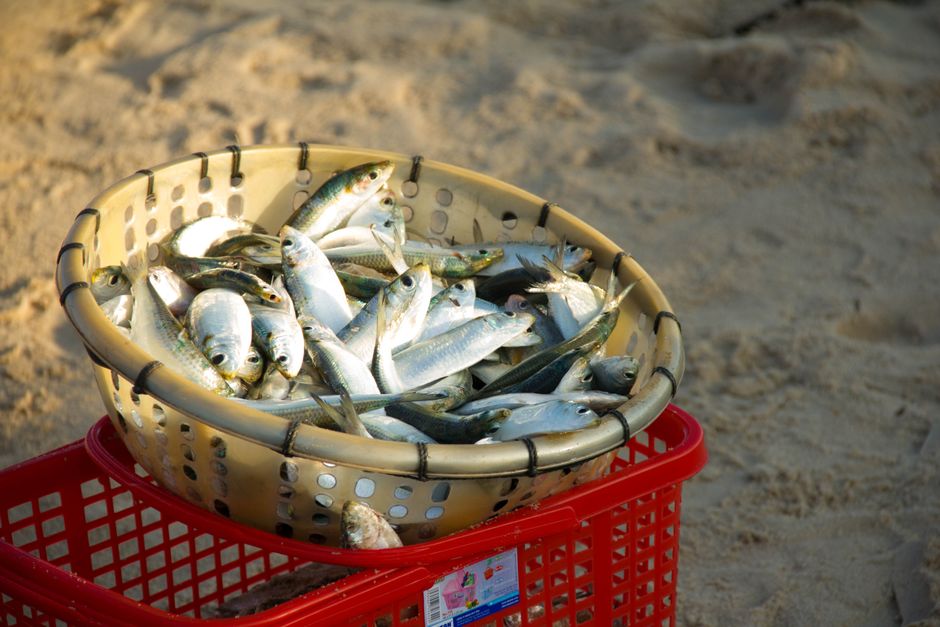
More than anything, the freshness of the seafood is what sets Vietnamese dishes apart. You're not dealing with frozen fillets that have been sitting in a warehouse for weeks. Instead, you're tasting the vibrant flavors of the ocean, often within hours of the catch. This commitment to freshness is a defining characteristic of Vietnamese culinary culture.
Seeing is believing! I remember visiting a fishing village near Nha Trang early one morning. The boats were just returning, laden with their overnight haul. The scene was chaotic but exhilarating: fishermen sorting their catch, buyers haggling over prices, and locals eagerly lining up to purchase the freshest possible ingredients for their families. I watched as a woman selected a live crab, its claws snapping defiantly, and knew that dinner that night would be something special. That's the beauty of Vietnamese seafood: you're not just eating food; you're experiencing a connection to the ocean and the people who depend on it.
Here are some ways freshness is ensured:
- Daily Catches: Fishermen often make daily trips, ensuring a constant supply of fresh seafood.
- Local Markets: The vibrant local markets are a hub for fresh catches, offering a direct connection between fishermen and consumers.
- Live Seafood: Many restaurants and markets offer live seafood, allowing you to choose your ingredients and guaranteeing ultimate freshness.
Regional Seafood Specialties: A Culinary Journey

Exploring the different regions of Vietnam is like embarking on a culinary seafood adventure. Each area boasts its own unique dishes and cooking styles, reflecting the local ingredients and traditions. Let's take a quick tour:
Northern Delights
In the north, you'll find a focus on more delicate flavors and subtle preparations. Freshwater fish and shellfish are common, and dishes often incorporate herbs and spices like dill, ginger, and turmeric.
Must-try dish: Cha Ca La Vong (Turmeric Fish with Dill). This Hanoi specialty features flaky white fish marinated in turmeric and ginger, pan-fried until crispy, and served with rice noodles, fresh herbs, peanuts, and a pungent shrimp paste sauce. It's a symphony of flavors and textures that will leave you craving more!
Central Coast Sensations
The central coast is known for its bold and spicy flavors, influenced by the region's history as a former royal capital. Seafood dishes often feature chili peppers, lemongrass, and fish sauce, creating a fiery and aromatic experience.
Must-try dish: Bun Bo Hue (Hue Spicy Beef Noodle Soup). While technically a beef noodle soup, this dish often includes seafood elements like crab balls or shrimp paste. The broth is rich, spicy, and intensely flavorful, making it a true culinary adventure.
Southern Seafood Extravaganza
In the south, you'll find a sweet and savory approach to seafood, often influenced by Chinese and Khmer cuisine. Dishes often incorporate coconut milk, sugar, and a variety of fresh herbs and vegetables.
Must-try dish: Ca Kho To (Caramelized Fish in Clay Pot). This classic southern dish features fish (often catfish or snakehead fish) braised in a sweet and savory caramel sauce. The clay pot cooking method imparts a unique flavor and texture to the fish, making it incredibly tender and flavorful.
Popular Vietnamese Seafood Dishes: A Delicious Deep Dive
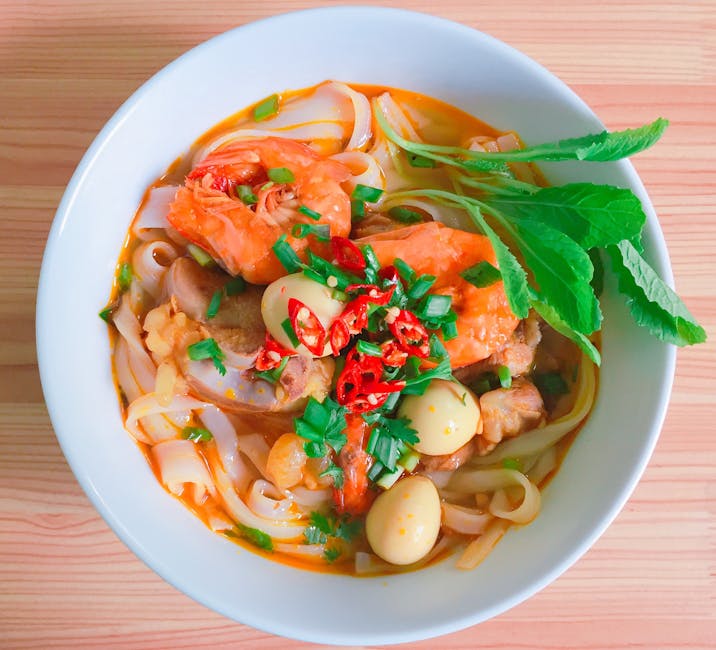
Now, let's dive into some of the most popular and delicious Vietnamese seafood dishes. These are dishes you'll find throughout the country, each with its own regional variations and personal touches.
Goi Cuon (Fresh Spring Rolls)
These light and refreshing rolls are a staple of Vietnamese cuisine. They typically consist of rice paper wrappers filled with vermicelli noodles, shrimp (or other seafood), fresh herbs, vegetables, and sometimes pork. Served with a peanut dipping sauce, they're a perfect appetizer or light meal, especially on a hot day.
My tip: Don't be afraid to experiment with different fillings! Some variations include grilled shrimp, crab meat, or even fried spring rolls for a more decadent treat.
Banh Xeo (Crispy Crepes)
These savory crepes are another popular street food item. The batter is made from rice flour, coconut milk, and turmeric, giving it a distinctive yellow color and crispy texture. They're typically filled with shrimp, pork, bean sprouts, and onions, and served with a variety of fresh herbs and a dipping sauce.
My tip: Watch how the locals eat them! They usually tear off pieces of the crepe and wrap them in lettuce leaves with herbs, dipping them in the sauce before enjoying.
Canh Chua (Sour Soup)
This tangy and refreshing soup is a staple of southern Vietnamese cuisine. It typically includes fish or shrimp, tomatoes, pineapple, bean sprouts, and a variety of herbs and spices. The sourness comes from tamarind or other sour fruits, creating a complex and flavorful broth.
My tip: Ask for it "Canh Chua Ca Loc" if you want it with Snakehead fish.
Muc Nuong (Grilled Squid)
Simple, yet incredibly delicious. Fresh squid is marinated in a variety of spices, then grilled over charcoal until tender and slightly charred. It's often served with a dipping sauce made from lime juice, chili peppers, and fish sauce.
My tip: Look for squid that is plump and firm, with a slightly translucent appearance. This indicates freshness.
Com Chien Hai San (Seafood Fried Rice)
A classic comfort food dish! This flavorful fried rice is loaded with a variety of seafood, such as shrimp, squid, and crab meat. It's often cooked with vegetables like peas, carrots, and onions, and seasoned with soy sauce and other spices.
My tip: Ask for it with a fried egg on top for an extra touch of richness.
Where to Find the Best Seafood: Markets and Restaurants

Now that you're craving some Vietnamese seafood, where should you go to find it? Here are some tips:
The Markets: A Sensory Overload
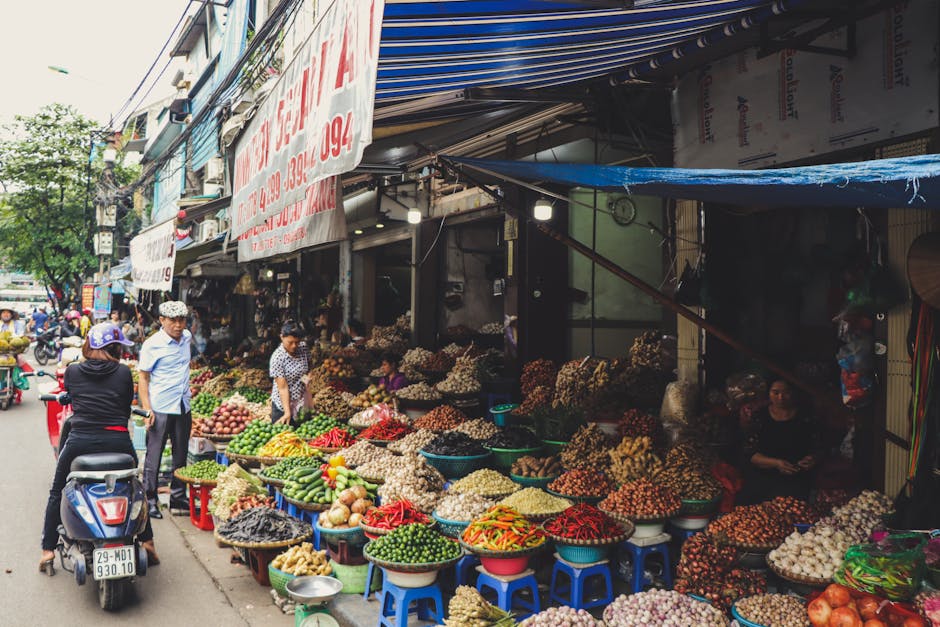
Visiting a local market is an essential part of the Vietnamese culinary experience. You'll be bombarded with sights, smells, and sounds as you navigate the bustling stalls. This is where you can find the freshest seafood, interact with local vendors, and get a glimpse into everyday life.
My favorite markets:
- Ben Thanh Market (Ho Chi Minh City): A sprawling market with a wide variety of goods, including a large seafood section.
- Cho Han (Da Nang): A popular market for locals and tourists alike, offering a wide selection of fresh seafood and other local products.
- Dong Xuan Market (Hanoi): The largest market in Hanoi, with a vibrant seafood section and a wide variety of other goods.
The Restaurants: From Street Food to Fine Dining
Vietnam offers a wide range of dining options, from humble street food stalls to elegant fine dining restaurants. Each offers a unique experience and a chance to sample the local flavors.
Street Food Stalls: These are a great option for budget-friendly and authentic Vietnamese cuisine. Look for stalls that are busy and popular with locals. If the locals are eating there, it's generally a good sign!
Family Restaurants: These cozy restaurants are often run by families who have been cooking for generations. They offer a more intimate dining experience and a chance to taste traditional recipes.
Fine Dining Restaurants: These restaurants offer a more refined dining experience, with innovative dishes and elegant presentation. They're a great option for a special occasion or a romantic dinner.
Tips for Enjoying Vietnamese Seafood: Eat Like a Local
To truly immerse yourself in the Vietnamese seafood experience, here are a few tips to keep in mind:
- Embrace the dipping sauces: Dipping sauces are an essential part of Vietnamese cuisine. Each dish is typically served with a specific sauce that complements the flavors of the seafood.
- Don't be afraid to try new things: Vietnamese cuisine is incredibly diverse, so be open to trying new dishes and ingredients. You might discover your new favorite food!
- Ask the locals for recommendations: Locals are the best source of information on where to find the best seafood and what dishes to try.
- Learn a few basic Vietnamese phrases: Knowing a few basic phrases will help you communicate with vendors and restaurant staff, and show your respect for the local culture. "Cam on" (thank you) goes a long way!
- Be mindful of food safety: Choose restaurants and stalls that look clean and hygienic. Make sure the seafood is cooked properly.
The Sustainable Side: Respecting the Ocean

As we enjoy the abundance of Vietnamese seafood, it's important to be mindful of sustainability. Overfishing and destructive fishing practices can have a devastating impact on marine ecosystems. Here are a few ways to support sustainable seafood in Vietnam:
- Choose responsibly sourced seafood: Ask restaurants and vendors where their seafood comes from. Look for seafood that is certified sustainable by organizations like the Marine Stewardship Council (MSC).
- Support local fishermen: Buy seafood directly from local fishermen who practice sustainable fishing methods.
- Reduce your consumption of endangered species: Avoid eating seafood that is known to be overfished or endangered.
By making informed choices, we can help ensure that future generations can enjoy the delicious and diverse seafood that Vietnam has to offer.
My Final Thoughts: A Culinary Love Letter

My journey through the world of Vietnamese seafood has been nothing short of incredible. It's a cuisine that's both vibrant and delicate, simple and complex, traditional and innovative. From the bustling markets to the cozy family restaurants, every experience has been a testament to the passion and dedication of the Vietnamese people.
I hope this article has inspired you to embark on your own Vietnamese seafood adventure. Whether you're a seasoned foodie or a curious traveler, I promise you won't be disappointed. So, go out there, explore the coastline, sample the local delicacies, and discover the magic of Vietnamese seafood. You might just fall in love, like I did!

Post a Comment for "Vietnamese Seafood: A Fresh, Flavorful Journey from Coast to Table"
Post a Comment