Vietnamese Mythology and Legends: A Journey Through Enchanting Folklore
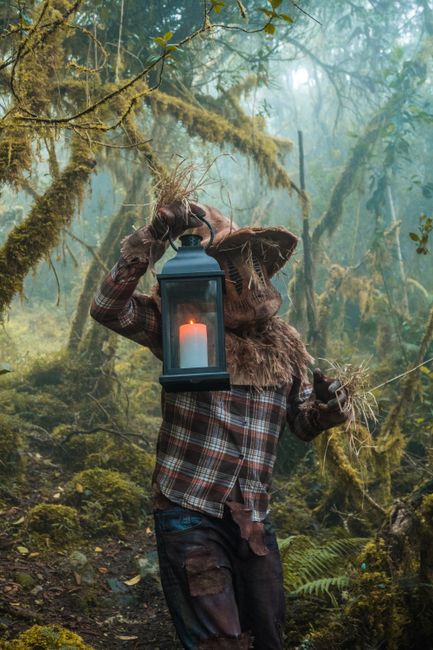
Vietnamese Mythology and Legends: A Journey Through Enchanting Folklore
Hey there, fellow folklore enthusiast! Ever felt a pull towards stories that are ancient, mystical, and deeply connected to a specific culture? For me, that culture is Vietnam. I've always been captivated by Vietnamese mythology and legends – tales passed down through generations, shaping beliefs, and reflecting the soul of the Vietnamese people. Let's embark on a journey to explore this rich tapestry of folklore together!
The Creation Myth: Hong Bang Dynasty and the Dragon Lord
Every culture has its creation story, and Vietnam's is particularly fascinating. It all starts with Kinh Duong Vuong, the Dragon Lord of the South Sea, and his wife, Than Long Nu, a dragon fairy. Their union gave birth to Lac Long Quan, the Dragon Lord King, a powerful and benevolent ruler. He married Au Co, a fairy princess, and she laid a hundred eggs. Sounds a little strange, right? But bear with me!
From these hundred eggs hatched a hundred children. Lac Long Quan, being a dragon, longed for the sea, while Au Co, a fairy, yearned for the mountains. So, they decided to part ways. Fifty children followed their mother to the mountains, and fifty followed their father to the sea. The eldest son of Au Co became Hung Vuong, the first king of the Hung Dynasty, considered the founder of the Vietnamese people. This story explains the Vietnamese phrase "con rong chau tien" (children of the dragon and grandchildren of the immortals), which is a source of national pride and unity.
I remember the first time I heard this story. It felt like a tangible link to my heritage, a reminder of the strength and resilience ingrained in the Vietnamese spirit. It's more than just a story; it's a foundation of our cultural identity.
Key Figures in Vietnamese Mythology
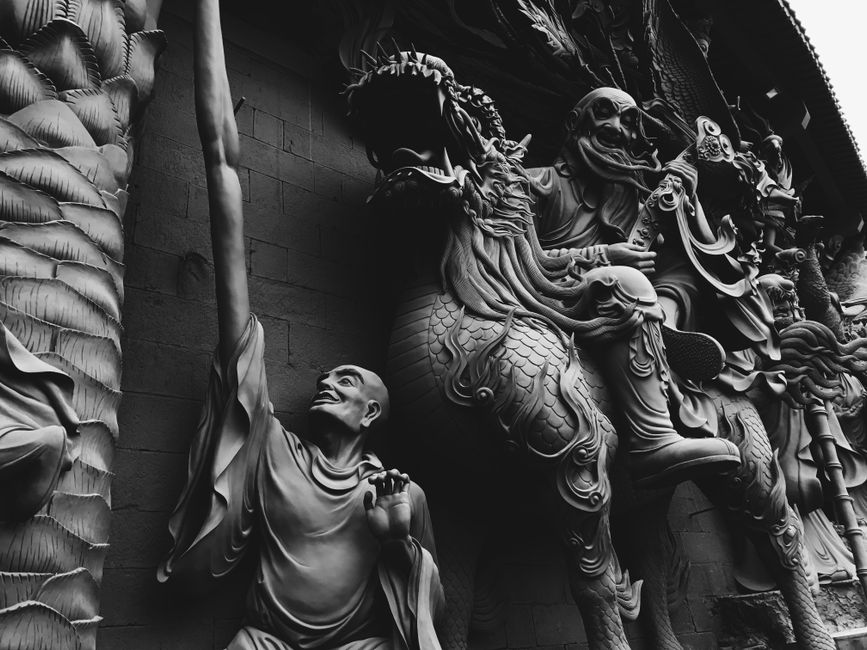
Vietnamese mythology is populated by a diverse cast of characters, each with their own unique stories and significance. Here are a few that have always intrigued me:
- Thanh Giong (Saint Giong): Imagine a seemingly ordinary three-year-old boy who couldn't speak or laugh. Then, when the country is threatened by invaders, he suddenly grows into a giant, dons iron armor, rides an iron horse, and single-handedly defeats the enemy. That's Thanh Giong, a symbol of patriotism and resistance against foreign aggression. His story is incredibly inspiring, teaching us that even the most unexpected individuals can rise to the occasion in times of need.
- Son Tinh and Thuy Tinh (The Mountain Spirit and the Water Spirit): This is a classic love story with a mythological twist. Both Son Tinh, the Mountain Spirit, and Thuy Tinh, the Water Spirit, wanted to marry Princess My Nuong. The king, Hung Vuong, set a challenge: whoever brought him the rarest and most valuable gifts would win her hand. Son Tinh succeeded, but Thuy Tinh, enraged, unleashed floods and storms to try and reclaim his bride. Their battle continues to this day, explaining the annual flooding season in Vietnam. This tale speaks to the power of nature and the eternal struggle between opposing forces.
- Lac Long Quan and Au Co: As mentioned before, these figures are the progenitors of the Vietnamese people. Their story is a powerful reminder of the duality within Vietnamese culture – the connection to both the land and the sea, the earthly and the ethereal. Their separation, while sad, signifies the diverse paths taken by their descendants, ultimately contributing to the richness and complexity of Vietnamese society.
These are just a few examples, but each character offers a glimpse into the values, beliefs, and historical experiences of the Vietnamese people. Their stories are more than just entertainment; they're lessons in courage, resilience, love, and respect for nature.
Folktales and Legends Shaping Everyday Life

Beyond the major myths, Vietnamese folklore is filled with countless folktales and legends that have deeply influenced everyday life. These stories often teach moral lessons, explain natural phenomena, or offer insights into Vietnamese history and culture.
The Legend of the Watermelon (Sự tích quả dưa hấu): This is one of my personal favorites! It tells the story of Mai An Tiem, a loyal servant who was banished to a deserted island by the king. He discovered a strange black seed that grew into a delicious watermelon. He shared the seeds with others, and soon, the island flourished. The king, realizing his mistake, welcomed Mai An Tiem back. This story highlights the importance of hard work, resourcefulness, and sharing with others.
The Story of Tam and Cam (Tấm Cám): Think of it as a Vietnamese Cinderella story, but with a darker twist. Tam is a kind and beautiful girl who is mistreated by her stepmother and stepsister, Cam. Through magical intervention and several reincarnations, Tam eventually triumphs over her oppressors and becomes queen. This tale explores themes of good versus evil, karma, and the enduring power of hope.
The Legend of the Areca Nut and Betel Leaf (Trầu Cau): This is a poignant story of brotherly love and familial harmony. Two brothers, Tan and Lang, were inseparable. Lang married a beautiful woman, but Tan became jealous and left home. He eventually turned into a limestone pillar. Lang, searching for his brother, found the pillar and, overcome with grief, turned into an areca tree. His wife, unable to bear the loss, turned into a betel leaf. The combination of areca nut, betel leaf, and lime represents the enduring bond of family and the importance of harmony. This is why betel nut chewing is still a tradition in some parts of Vietnam, symbolizing love, friendship, and good fortune.
These stories, passed down orally for generations, provide valuable insights into Vietnamese values and beliefs. They teach children about morality, social responsibility, and the importance of family and community. They also serve as a reminder of the struggles and triumphs of the Vietnamese people throughout history.
Animals in Vietnamese Mythology: More Than Just Beasts

Animals play a significant role in Vietnamese mythology, often serving as symbols of power, wisdom, or good fortune. Let's take a look at some of the most prominent creatures:
- The Dragon (Rong): The dragon is arguably the most important animal in Vietnamese mythology. It symbolizes power, nobility, and good luck. As we saw in the creation myth, the Vietnamese people consider themselves descendants of the dragon. Images of dragons are found everywhere, from temples and palaces to traditional clothing and artwork. The dragon is also associated with rain and fertility, representing prosperity and abundance.
- The Turtle (Rua): The turtle symbolizes longevity, wisdom, and stability. The Hoan Kiem Lake in Hanoi is home to a legendary turtle said to be the incarnation of the Golden Turtle God (Kim Qui), who gifted Emperor Le Loi a magical sword to defeat the Ming invaders. The turtle is a powerful symbol of patriotism and national pride.
- The Phoenix (Phuong Hoang): The phoenix symbolizes rebirth, renewal, and grace. It is often depicted alongside the dragon, representing the perfect balance of yin and yang. The phoenix is associated with the empress and feminine virtues.
- The Unicorn (Ky Lan): The unicorn symbolizes justice, righteousness, and good omen. It is often depicted as a composite creature with features of various animals, representing a harmonious blend of different qualities.
These animals are not just creatures of fantasy; they are powerful symbols that embody the core values and beliefs of Vietnamese culture. They remind us of the importance of respecting nature, striving for justice, and maintaining harmony in our lives.
Spirits and Deities: Navigating the Supernatural Realm
Vietnamese spiritual beliefs are a blend of animism, ancestor worship, Buddhism, Taoism, and Confucianism. This complex system includes a pantheon of spirits and deities that interact with the human world.
Ancestor Worship (Tho cung to tien): This is a fundamental aspect of Vietnamese culture. Families maintain altars in their homes to honor their ancestors, offering prayers, food, and incense. They believe that their ancestors continue to watch over them and can influence their lives. This practice reinforces family ties and promotes respect for elders.
The Kitchen God (Tao Quan): Every household has a Kitchen God, who oversees the family's affairs and reports to the Jade Emperor in heaven. On the 23rd day of the 12th lunar month, the Kitchen God ascends to heaven to deliver his annual report. Families offer him gifts and prayers for a favorable review. This tradition highlights the importance of maintaining a harmonious household and living a virtuous life.
Local Spirits (Than): In addition to ancestral spirits, Vietnamese people also believe in local spirits that inhabit specific places, such as trees, rocks, and bodies of water. These spirits can be benevolent or malevolent, and people often offer them prayers and sacrifices to appease them and ensure their well-being. This reflects a deep respect for nature and the belief that everything is interconnected.
These spiritual beliefs provide a framework for understanding the world and navigating the challenges of life. They offer comfort, guidance, and a sense of connection to something larger than ourselves. They also reinforce moral values and promote social harmony.
The Enduring Power of Vietnamese Folklore
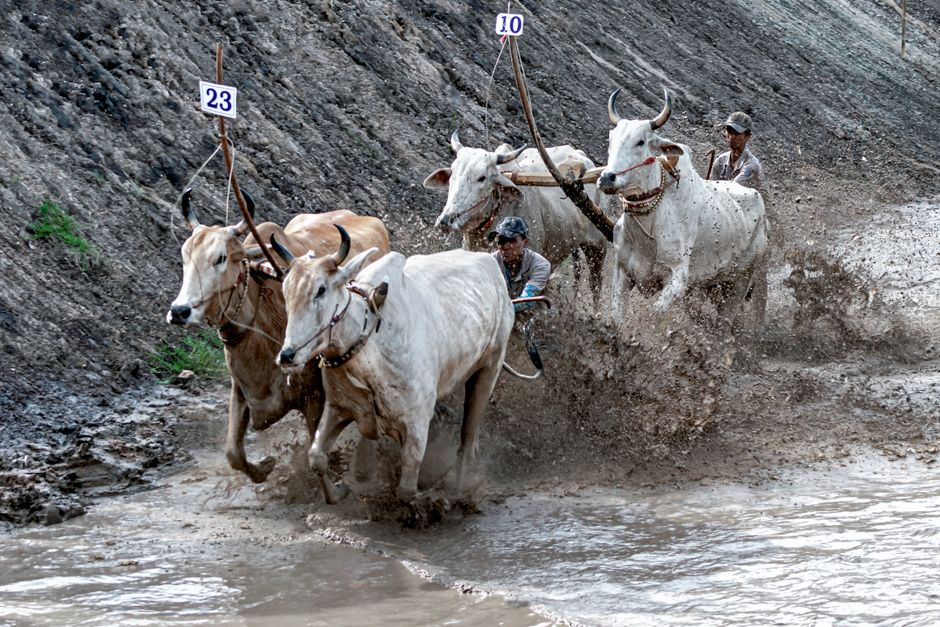
Vietnamese mythology and legends are not just relics of the past; they are living traditions that continue to shape the present. They are woven into the fabric of Vietnamese society, influencing art, literature, music, theater, and even everyday conversations. They are a source of national identity, cultural pride, and moral guidance.
I've found that delving into these stories has given me a deeper understanding of myself and my heritage. It's helped me connect with my ancestors and appreciate the richness and complexity of Vietnamese culture. I encourage you to explore these stories further and discover the magic and wisdom they hold.
Whether you're a seasoned folklore enthusiast or just curious about Vietnamese culture, I hope this journey through Vietnamese mythology and legends has been enlightening and inspiring. Keep exploring, keep learning, and keep sharing these amazing stories with the world!

Post a Comment for "Vietnamese Mythology and Legends: A Journey Through Enchanting Folklore"
Post a Comment